Source Machine Washable Heated Pad for Travel, Home, and Hotel
Find 30 options for the Machine Washable Heated Pad suitable for travel, home, and hotel use. Buyers can compare features like waterproofing, voltage, and material to select the right portable heating solution.
Key considerations
Products List


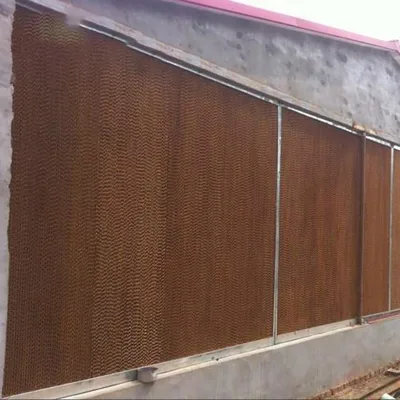


Heating Oven Inner Circulation, Multi-Direction Quick Drying Pad Sale
$55000.00 - $75000.00
MOQ: 1 Sets

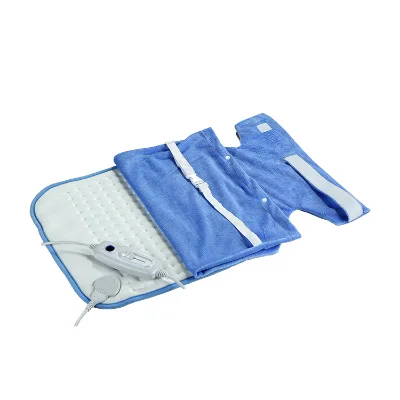
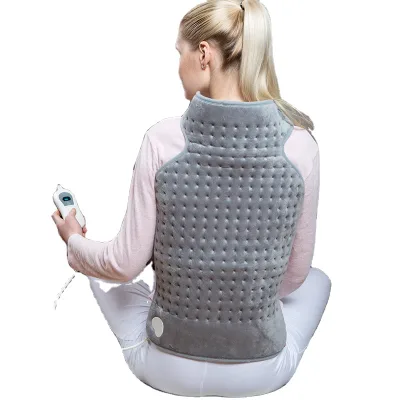
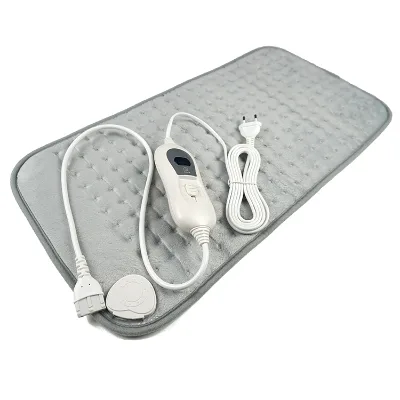

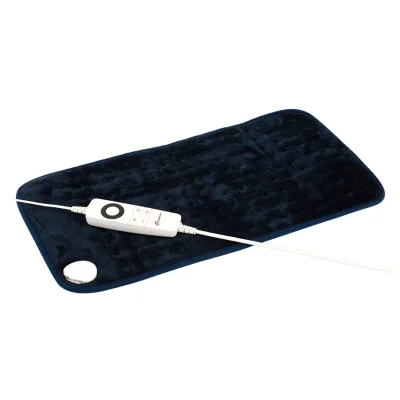
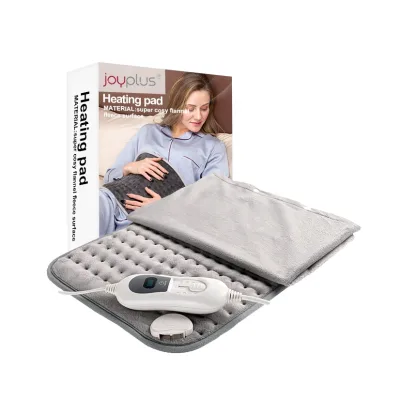
Washable Infrared Heating Pad with Overheat Protection for Safe and Comfortable Use
$135.00 - $199.00
MOQ: 50 Pieces


Comprehensive Sourcing Guide
Strategic Sourcing Guide for Machine Washable Heated Pads
Understanding Product Variants and Technical Specifications
When sourcing machine washable heated pads, buyers must first navigate a complex landscape of technical specifications that vary significantly between product iterations. The core keyword implies a dual requirement: the ability to generate heat through electrical means while maintaining structural integrity during laundering. Based on observed market data, these products are not monolithic; they range from simple portable heating elements to more integrated blanket systems. A critical observation in the current supply base is the divergence in voltage requirements. Some units are engineered for global travel and home use, supporting a broad voltage range of 100V240V, which allows for direct connection to standard wall outlets in various regions. Conversely, other portable variants are designed specifically for low-voltage environments, operating at 5V via USB connections. This distinction is vital for procurement, as a 5V unit typically relies on power banks or computer ports, whereas the 100V240V models require standard AC adapters.
The heating mechanism itself presents another layer of technical complexity. The supply chain features products utilizing composite fiber heating elements, which are often embedded within the fabric matrix to ensure even heat distribution. The rated power for these devices varies, with common configurations listed at 50W, 75W, or 120W. Higher wattage generally correlates with faster heat-up times and higher maximum temperatures, though buyers must verify the specific thermal output claims against safety standards. Temperature control is another variable; some listings indicate a fixed heating temperature of approximately 50 degrees Celsius, while others may offer adjustable settings. The physical construction also differs, with some products employing stitch knitting methods and others utilizing woven techniques. The filling material is predominantly polyester, often combined with cotton blends or flannel to enhance softness and heat retention.
The dimensions of the heated pads are equally diverse, ranging from compact square shapes to larger rectangular forms. Standard size specifications observed include 30x40cm, 30x60cm, 40x76cm, and 50x100cm, catering to applications from limb warming to full-body coverage. Weight is a significant factor for portability; lightweight versions can be as light as 80g, making them suitable for travel, while heavier units may weigh up to 10kg, indicating a more substantial, stationary heating blanket. The inclusion of a switch is another technical differentiator; some models are designed without a manual switch, relying on the power source connection for activation, while others include integrated controls. Buyers must carefully review the "Machine Washable" claim against the specific construction. While many products are marketed as washable, the presence of electrical components like USB cables or internal wiring often necessitates specific care instructions, such as removing the heating element before washing or using a specific washing cycle.
Compliance, Certification, and Safety Standards
Safety is the paramount concern when procuring electrical heating products, particularly those that are machine washable. The interaction between water, electricity, and heating elements creates inherent risks that must be mitigated through rigorous certification. In the current market, buyers should look for products that have undergone testing for electrical safety and material flammability. Observed certifications in the supply base include CE and BS standards. The CE marking indicates conformity with health, safety, and environmental protection standards for products sold within the European Economic Area, while BS standards often refer to British safety requirements. However, the presence of these marks on a listing does not automatically guarantee compliance for every unit; buyers must verify that the specific batch they are purchasing carries valid certification documentation.
Beyond electrical safety, the materials used in the construction of the heated pad must meet specific safety and environmental standards. The materials observed include polyester, cotton blends, flannel, and rubber. Each material presents different fire resistance and chemical safety profiles. For instance, rubber components used in cables or connectors must be heat-resistant to prevent melting or degradation during operation. The "Machine Washable" attribute implies that the materials must withstand repeated exposure to water and detergents without degrading the heating elements or causing short circuits. Buyers should request test reports that specifically address the durability of the electrical insulation after multiple wash cycles.
It is crucial to note that while some products list certifications, the supply chain is fragmented. Not every listed product may possess the same level of certification. Therefore, procurement teams must treat certification status as a verification point rather than an assumption. The origin of the product, often listed as China or specifically Hebei, China, suggests a manufacturing hub with varying levels of regulatory oversight. Buyers should not rely solely on the "CE" or "BS" labels found in product descriptions but should demand third-party test reports from recognized laboratories. These reports should cover electrical safety, thermal performance, and material toxicity. Additionally, the warranty period, which is observed to be around 3 months for some units, serves as an indicator of the manufacturer's confidence in their product's safety and durability. A longer warranty period often correlates with higher quality control standards and better compliance with safety regulations.
Cost Drivers and Pricing Dynamics
The pricing of machine washable heated pads is influenced by a multitude of factors, resulting in a wide observed range from $0.10 to $75,000. This vast disparity is not indicative of a single product type but rather reflects the spectrum from simple heating elements to complete, high-end heating systems. The lower end of the price spectrum typically corresponds to basic, single-item units with minimal features, such as a simple USB-powered pad with a fixed temperature and basic polyester filling. These units often have lower manufacturing costs due to simpler construction and the use of standard materials. The higher end of the spectrum likely includes bulk orders, custom-branded products, or systems with advanced features like multiple heating zones, sophisticated temperature controls, or premium materials.
Minimum Order Quantity (MOQ) is a significant driver of unit cost. The observed MOQ range spans from 1 to 10,000 units. Buyers purchasing small quantities, often in the range of 1 to 100 units, will face higher per-unit costs due to the fixed costs of setup, tooling, and logistics. Conversely, buyers committing to larger volumes, such as 1,000 to 10,000 units, can leverage economies of scale to reduce the per-unit price significantly. Customization is a major cost factor; products with "customized" branding or specific model numbers (e.g., ORDP, TPHC1109-3579) often incur additional charges for mold creation, packaging design, and branding application. The choice of materials also impacts cost; while polyester is a standard, cost-effective material, blends with cotton or flannel may increase the price. Similarly, the inclusion of specific features like waterproofing or electric heating elements adds to the manufacturing complexity and cost.
Packaging and logistics also play a role in the final cost. Products are typically packed in cartons or bags, and the weight of the unit, ranging from 80g to 10kg, affects shipping costs. Heavier units require more robust packaging and incur higher freight charges. Buyers should also consider the lead time associated with their order size. Larger orders may require longer production times, which can impact the overall cost if expedited shipping is required. The "Small Orders Accepted" attribute indicates flexibility for buyers with lower volume needs, but this flexibility often comes with a premium price. Understanding these cost drivers allows buyers to negotiate more effectively and select the right product tier for their specific budget and volume requirements.
Typical Applications and Usage Scenarios
Machine washable heated pads are designed for a diverse range of applications, catering to both personal and professional needs. The observed usage categories include travel, hospital, home, airplane, hotel, and picnic settings. This versatility highlights the product's adaptability to different environments. In a home setting, these pads are often used for personal comfort, providing warmth during winter months or for therapeutic purposes such as relieving muscle pain or joint stiffness. The "Unisex" and "Adults" attributes confirm that these products are intended for general adult use, with no specific gender restrictions.
For travel and transportation, the portability of these pads is a key feature. Units with USB connectivity and low voltage (5V) are particularly suitable for use in airplanes or cars, where access to standard wall outlets may be limited. The "Portable" and "Wearable" features suggest that some models are designed to be worn or carried easily, making them ideal for commuters or travelers seeking warmth on the go. In hospitality settings like hotels and hospitals, these pads serve a functional role in guest comfort and patient care. The "Waterproof" and "Windproof" features are particularly valuable in these environments, ensuring durability and ease of cleaning.
The specific application often dictates the required specifications. For example, a pad intended for "Warm Hand Leg" applications may be smaller and more flexible, while a pad for general home use might be larger and offer higher wattage. The "Heating Element" type, such as composite fiber, is chosen to provide even heat distribution suitable for these varied applications. The "Season" attribute, listed as Winter, reinforces the primary use case of providing warmth during cold weather. However, the "Machine Washable" feature extends the product's utility beyond just winter, allowing for year-round use in environments where hygiene is a priority, such as hospitals or shared accommodation. Buyers should align their product selection with the specific usage scenarios of their target market to ensure the chosen specifications meet the practical needs of the end-user.
Supplier Evaluation and Quality Control Protocols
Evaluating suppliers for machine washable heated pads requires a rigorous approach to ensure product consistency and safety. The supply base includes manufacturers from China, with specific origins noted in regions like Hebei. While the location provides context, it does not guarantee quality. Buyers must conduct thorough due diligence on potential suppliers, focusing on their manufacturing capabilities, quality control processes, and track record. Key evaluation criteria should include the supplier's ability to provide valid certification documents, their experience with electrical heating products, and their commitment to quality assurance.
Quality control should be integrated into the procurement process at multiple stages. Before production begins, buyers should review product samples to verify that the materials, dimensions, and electrical specifications match the agreed-upon requirements. During production, random inspections should be conducted to ensure consistency in manufacturing. Post-production, a final inspection is essential to check for defects, verify packaging, and confirm that the products meet the safety standards. The "Condition" of the product, listed as "New," should be verified to ensure that no refurbished or used items are being sold as new.
Buyers should also assess the supplier's ability to handle customization requests. The "Customization" attribute indicates that many suppliers offer branding and design options. However, customization can introduce complexity and potential quality risks. Suppliers must have robust processes in place to manage custom molds, packaging, and branding without compromising the product's integrity. The "Warranty" period, observed to be 3 months for some units, is another indicator of supplier confidence. A supplier offering a longer warranty period may be more reliable and committed to product quality. Additionally, buyers should verify the supplier's ability to handle "Small Orders" if they are not ready for large-scale production, ensuring that the supplier can accommodate varying order sizes without sacrificing quality.
Long-Term Procurement Considerations and Market Trends
Sourcing machine washable heated pads is not just a one-time transaction but a long-term strategic decision. Buyers should consider the longevity of the product, the availability of spare parts, and the potential for future customization. The "Brand Name" attribute, often listed as "customized," suggests that many suppliers are willing to work with buyers to create unique products. This flexibility is valuable for buyers looking to build a distinct brand identity in the market. However, buyers must ensure that the customization does not compromise the product's safety or performance.
Market trends indicate a growing demand for portable, energy-efficient, and safe heating solutions. The "Electric" and "Portable" features are becoming increasingly important as consumers seek convenient ways to stay warm. Buyers should stay informed about technological advancements in heating elements and materials to ensure they are sourcing the most up-to-date products. The "Feature" list, including "Waterproof," "Electric," "Portable," and "Wearable," highlights the evolving nature of these products. Buyers should anticipate future needs, such as the integration of smart technology or improved energy efficiency, and select suppliers who are capable of adapting to these changes.
Sustainability is another long-term consideration. The materials used, such as polyester and cotton blends, should be evaluated for their environmental impact. Buyers may prefer suppliers who use recycled materials or eco-friendly manufacturing processes. The "Packing" method, typically "Carton" or "Bag/Carton," should also be considered in terms of waste reduction. Finally, buyers should establish strong relationships with their suppliers to ensure a steady supply of high-quality products. This involves clear communication, regular quality checks, and a mutual commitment to meeting market demands. By focusing on these long-term considerations, buyers can build a resilient supply chain that supports their business growth and meets the evolving needs of their customers.
FAQs
Can machine washable heated pads be used in hospitals and hotels?
Yes, these pads are designed for use in hospitals, hotels, homes, and travel settings. They feature waterproof and windproof attributes to ensure durability and hygiene in professional environments while providing warmth during winter seasons.
What voltage options are available for portable heating pads?
Portable heating pads operate on either 100V to 240V for standard wall outlets or 5V via USB cables. The 5V models are ideal for low-voltage environments like airplanes, while the higher voltage units suit home and office use.
Which certifications should buyers look for in heated pad manufacturers?
Buyers should verify that products carry CE and BS certifications to ensure electrical safety and compliance. These marks indicate the product meets specific health and safety standards, though third-party test reports are recommended for verification.
How does the MOQ affect the pricing of heated pads?
Minimum Order Quantities range from 1 to 10,000 units, directly influencing the per-unit cost. Smaller orders often incur higher prices due to setup costs, while larger volumes leverage economies of scale to reduce the final price significantly.
What materials are commonly used in machine washable heated pads?
Common materials include polyester, cotton blends, flannel, and rubber components for cables. The filling is typically polyester, and the outer fabric may be woven or stitch knitted to provide softness and effective heat retention.
Can buyers request customization for brand names on these pads?
Yes, customization is available for brand names and specific model numbers like ORDP or TPHP0414-1052. This service allows buyers to create unique products but may involve additional costs for mold creation and packaging design.