Source Magnetic Hexagonal Crystal Necklace for Gifts, Fashion, and Wellness
Source the Magnetic Hexagonal Crystal Necklace from 30 verified listings. Compare alloy and crystal materials, gold and silver plating options, and SGS certified standards for fashion decoration and wellness applications.
Key considerations
Products List

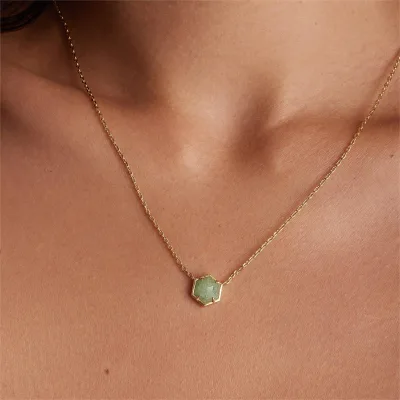


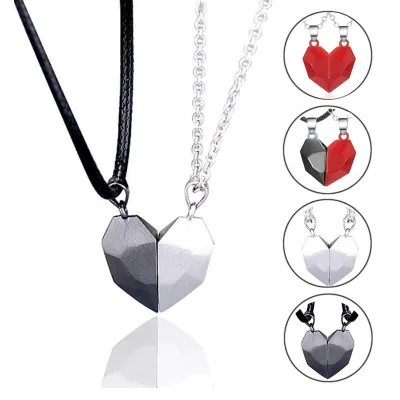


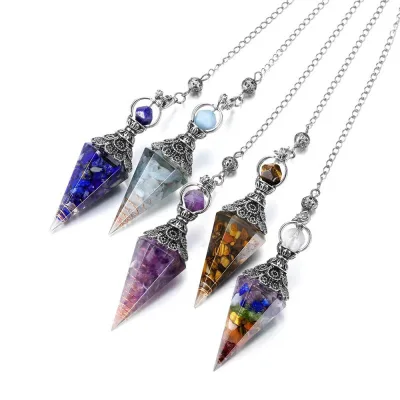


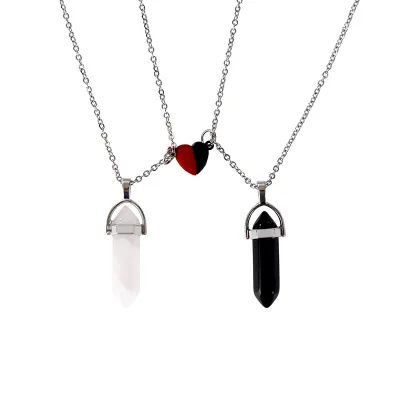
Comprehensive Sourcing Guide
Magnetic Hexagonal Crystal Necklace Sourcing Guide
Sourcing magnetic hexagonal crystal necklaces requires a nuanced understanding of the intersection between fashion accessories and wellness products. Buyers must navigate a market where aesthetic appeal, such as the hexagonal pendant shape and crystal or natural stone materials, competes with functional claims related to magnetic therapy. The observed product landscape reveals a diverse range of offerings, from simple fashion pieces made of alloy with gold or silver plating to more complex items composed of permanent magnets and natural stones. This duality means that procurement strategies must account for both visual quality control and material composition verification. The core keyword highlights a specific design element—the hexagonal shape—which often appears in conjunction with crystal or natural stone textures, suggesting a focus on geometric aesthetics combined with perceived therapeutic benefits.
The procurement process is further complicated by the variability in supplier specifications and regional origins. Data indicates that products originate from key manufacturing hubs in China, including Guangzhou, Shenzhen, and Fujian, each potentially offering different supply chain efficiencies and quality standards. Suppliers list a wide array of materials, including alloy, gold, crystal, and natural stone, with plating options ranging from gold to silver. This variety necessitates a rigorous verification process to ensure that the physical product matches the marketing description, particularly regarding the "magnetic" component which may be a core feature or a secondary attribute. Buyers must establish clear criteria for what constitutes a "magnetic" necklace, whether it involves embedded magnets, magnetic plating, or specific stone compositions, to avoid misalignment between procurement orders and end-user expectations.
Product Scope and Observed Listing Signals
The product scope for magnetic hexagonal crystal necklaces encompasses a broad spectrum of designs, primarily targeting female consumers and, in some cases, the elderly demographic. Observed listings indicate a strong emphasis on fashion and decorative usage, with styles ranging from retro to simple and contemporary designs. The materials listed are diverse, including alloy bases, crystal elements, and natural stones, often finished with gold or silver plating to enhance visual appeal. The hexagonal shape is a recurring design motif, sometimes described as a bead or pendant, which serves as the focal point of the necklace. This variety suggests that buyers should not assume a uniform product definition but rather prepare for a category that blends jewelry aesthetics with wellness-oriented features, requiring careful selection based on specific target market preferences.
Listing signals reveal significant variability in technical specifications and packaging requirements, which directly impacts logistics and cost structures. Product models vary widely, from alphanumeric codes like 1199748353 and 2339 to generic descriptors like "Magnetic Necklace" or "YXIM." Lengths are not standardized, with options including 40cm, 45cm, 60cm, or custom sizes, and some listings specify free length, indicating high customization potential. Packaging ranges from simple OPP bags to independent packaging, standard export packages, and even neutral packing with wooden cases, reflecting different tiers of product positioning. These signals suggest that buyers must explicitly define their requirements for length, packaging, and model specificity to avoid receiving mismatched inventory, as the default offerings can differ substantially between suppliers.
Technical Specifications to Verify
Verifying the physical dimensions and material composition is critical when sourcing magnetic hexagonal crystal necklaces. Buyers should confirm the exact length of the chain, as observed ranges include 40cm, 45cm, and 60cm, with some suppliers offering customized sizes. The pendant dimensions are equally important, with specific sizes noted for certain models, such as 4x4 mm or 6x8 mm, indicating that the hexagonal element may vary in scale. Material verification is essential to distinguish between alloy bases, pure crystal components, and natural stone inclusions. Additionally, the plating type—whether gold, silver, or other finishes—must be confirmed to ensure consistency with brand guidelines, as plating quality directly affects durability and customer satisfaction.
The magnetic component requires precise technical validation to ensure it meets functional expectations. Some listings explicitly mention magnets as part of the composition, while others describe the material as having a "natural stone" texture or being "permanent." Buyers must verify the strength and placement of the magnets, as well as the stability of the plating over time. It is also necessary to confirm whether the magnetic feature is integral to the design or an add-on, and to check if the necklace includes any additional components such as clasps or extenders that may affect wearability. Clear specification sheets should be requested from suppliers to document these technical details, ensuring that the final product aligns with the intended use case, whether for fashion decoration or health-related applications.
Compliance and Safety Documentation
Compliance and safety documentation are paramount when sourcing products that make health-related claims or contain magnetic components. Buyers must request certificates of conformity for relevant standards, such as SGS, CE, and ROHS, which are frequently cited in supplier listings. These certifications help verify that the materials used, including metals and platings, are free from harmful substances like lead and nickel, which is crucial for products worn close to the skin. The presence of these standards indicates a baseline level of regulatory adherence, but buyers should not assume that all listed certifications apply to every product variant. It is essential to cross-reference the specific product model with the provided documentation to ensure that the exact item being ordered has been tested and certified.
In addition to material safety, buyers should verify compliance with regional regulations regarding magnetic products and jewelry. Depending on the target market, there may be specific requirements for labeling, warning labels regarding magnetic strength, or restrictions on certain materials. The origin of the product, whether from Guangzhou, Shenzhen, or Fujian, may influence the availability and type of documentation provided. Buyers should establish a clear protocol for document verification, including the validity period of certificates and the scope of testing performed. This proactive approach helps mitigate risks associated with non-compliant products, ensuring that the sourced necklaces meet all legal and safety requirements in the destination market.
Cost Drivers and Commercial Terms
Cost drivers for magnetic hexagonal crystal necklaces are influenced by material composition, customization levels, and order volume. The use of natural stones, crystals, or gold plating typically commands higher prices compared to basic alloy constructions. Customization options, such as specific lengths, pendant sizes, or packaging requirements, can also impact the unit cost, as they require additional production steps and material handling. Buyers should analyze the price ranges observed in the market, which vary significantly based on these factors, to establish realistic budget expectations. Understanding the relationship between material quality and cost allows for more informed decision-making when balancing product appeal with profitability.
Commercial terms, including minimum order quantities (MOQ) and lead times, play a crucial role in procurement planning. Observed MOQs range from small quantities of 1-2000 pieces, with some specific listings indicating MOQs of 24 pieces or 100 pieces, reflecting flexibility in supplier offerings. Lead times vary, with some suppliers offering delivery within 5-10 days, while others require 7-15 days or more. Buyers should negotiate terms that align with their inventory management strategies, considering the trade-offs between lower MOQs and higher unit costs, or faster lead times and potential premium charges. Clear communication regarding payment terms, shipping methods, and return policies is essential to avoid disputes and ensure a smooth procurement process.
Supplier Qualification and Quality Control
Supplier qualification is a critical step in ensuring the reliability and consistency of Magnetic Hexagonal Crystal Necklace supplies. Buyers should assess suppliers based on their production capabilities, quality control processes, and track record in the industry. Given the diversity of origins, including Guangzhou, Shenzhen, and Fujian, buyers may need to evaluate suppliers based on their proximity to raw material sources or their expertise in specific manufacturing techniques. Requesting samples before placing bulk orders is essential to verify product quality, including the finish of the plating, the strength of the magnets, and the overall durability of the necklace. This hands-on evaluation helps identify potential issues early in the sourcing process.
Quality control measures should be established to monitor production consistency and address any defects. Buyers should implement a robust inspection protocol, including pre-production checks, in-process monitoring, and final random inspections. Key quality indicators include the accuracy of dimensions, the integrity of the magnetic components, and the absence of cosmetic defects such as scratches or discoloration. Suppliers should be required to provide detailed quality reports and test results for each batch. Establishing a clear communication channel for addressing quality issues and defining acceptable defect rates helps maintain high standards and ensures that the final products meet buyer expectations.
Long-Term Procurement Checks
Long-term procurement checks involve continuous monitoring of supplier performance and market trends to ensure sustained value and compliance. Buyers should regularly review supplier metrics, including on-time delivery rates, product quality consistency, and responsiveness to issues. This ongoing evaluation helps identify potential risks and opportunities for improvement, allowing for proactive management of the supply chain. Additionally, staying informed about changes in regulations, material costs, and consumer preferences is essential for adapting procurement strategies. The magnetic jewelry market is dynamic, with evolving trends in design and functionality, requiring buyers to remain agile and responsive to market shifts.
Building strong relationships with suppliers through transparent communication and fair negotiation practices can lead to better terms and priority service. Buyers should consider developing long-term contracts with key suppliers to secure favorable pricing and capacity allocation. Regular audits and feedback sessions can help reinforce quality standards and encourage continuous improvement. By maintaining a strategic approach to supplier management, buyers can mitigate risks, optimize costs, and ensure a steady supply of high-quality magnetic hexagonal crystal necklaces that meet the evolving needs of their customers. This long-term perspective is crucial for building a resilient and competitive sourcing operation.
FAQs
What materials are used for the Magnetic Hexagonal Crystal Necklace?
The necklace is crafted from alloy and natural stone with gold or silver plating. Some variants feature crystal or magnet composition. The texture is natural stone, and the style ranges from fashion to retro depending on the specific model selected for purchase.
Can I customize the size and length of the necklace?
Yes, customization is available for size and length specifications. Options include lengths of 40cm, 45cm, or 60cm, or fully customized dimensions. Buyers can request specific sizes like 4x4mm or 6x8mm for certain models to meet their unique design requirements.
What is the minimum order quantity for this product?
The minimum order quantity varies by supplier but typically starts at 100 pieces or 24 pieces. Some listings indicate an MOQ of 1 to 2000 units depending on the specific vendor and customization level required for the Magnetic Hexagonal Crystal Necklace order.
How long does delivery take for these necklaces?
Delivery times generally range from 5 to 15 days depending on the supplier location. Factories in Guangzhou, Shenzhen, or Fujian typically offer lead times between 5-10 days or 7-15 days. Exact timing depends on the specific manufacturer and order volume.
Which certifications do the magnetic necklaces hold?
Products often carry SGS, CE, and ROHS certifications to ensure quality and safety. These standards apply to various models including those made of alloy or crystal. Buyers should verify specific certification documents with the manufacturer before placing a large order.
What packaging options are available for the order?
Packaging includes OPP bags, strong cartons, or independent packaging as per customer requirements. Some suppliers offer standard export packages or neutral packing with wooden cases and paper cartons. Custom packaging solutions are available to meet specific branding or shipping needs.