Source Magnetic Socks for Couples, Gifts, and Festivals
Find 30 listings for Magnetic Socks suitable for couples, novelty gifts, and festival promotions. Compare models like BAT-B07 and AG34140 with features including breathable cotton and anti-bacterial properties.
Key considerations
Products List


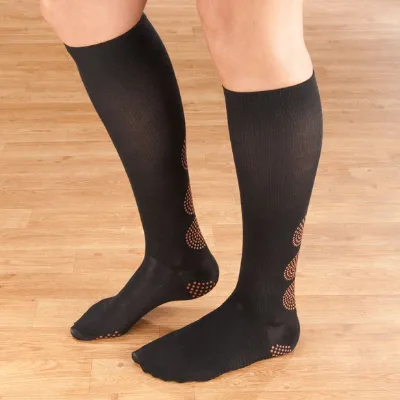
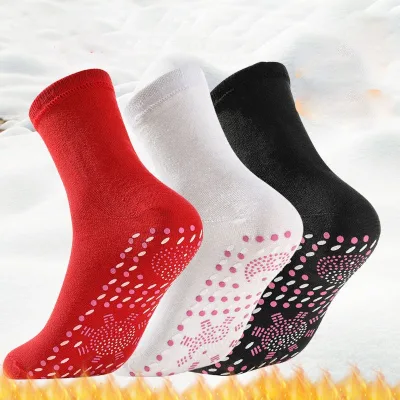
Thermal Insulated Self-Heating Magnetic Socks
$0.50 - $1.70
MOQ: 100 Pieces
Nanchang ICE BEAR Cooling and Warming Household Products Co., Ltd.
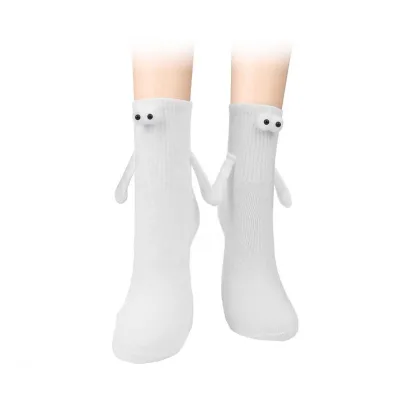






Wholesale Custom Candy Color Magnetic Handle Couple Holding Hands Funny Socks
$0.60 - $1.60
MOQ: 100 Pairs


Comprehensive Sourcing Guide
Sourcing Guide for Magnetic Socks in the B2B Market
Navigating the specialized market for Magnetic Socks requires a disciplined approach that separates marketing narratives from verifiable product attributes. Buyers seeking this niche category must understand that "Magnetic Socks" often represent a convergence of novelty gift items and functional apparel, where the primary value proposition may lie in promotional utility rather than medical efficacy. The following guide outlines the critical technical, compliance, and operational factors that procurement professionals must evaluate when sourcing these items from global suppliers, particularly those in China where the majority of manufacturing capacity resides.
Technical Specifications and Material Composition
The foundational aspect of any sourcing decision involves a rigorous review of technical specifications. In the observed market data, Magnetic Socks are frequently categorized under novelty items, with specific model numbers such as AG34140 and product names like "Novelty Magnetic Socks for For Couple Gift." These items are distinct from standard athletic or thermal socks. A critical observation in the current supply landscape is the variation in material composition. While some listings specify "Cotton" as the primary material, others indicate "polycotton" blends. This distinction is vital for buyers targeting specific customer segments; pure cotton offers superior breathability and comfort, whereas polycotton blends may provide enhanced durability and shape retention.
Furthermore, the physical construction of the product varies significantly. Attributes such as "Knitted" craft are standard, but the thickness ranges from "Normal" to "Thickening," catering to different seasonal demands. The height of the sock is another variable, with observed styles including "Ankle," "Knee," "Middle," and "Stockings." Buyers must verify that the selected model number, such as BAT-B07 or SNMCS100, aligns with the required height and thickness for their specific application. The magnetic component itself is often embedded within the knit structure, though specific details regarding the magnetic field strength or the arrangement of magnets are rarely standardized in public listings. Consequently, buyers should request detailed technical sheets that specify the placement and type of magnetic elements to ensure they meet the intended design requirements.
Compliance, Certification, and Safety Standards
When sourcing Magnetic Socks, compliance and safety are paramount, yet the market presents a complex landscape regarding certifications. The supplied data does not confirm that all listed products hold specific third-party certifications such as OEKO-TEX or ISO 9001. Instead, the observed standards often relate to physical dimensions, such as "21cm" or "One size fits most adult," or packaging specifications like "604040CM."
Buyers must exercise caution when evaluating claims regarding safety and material standards. While some products are marketed as "Eco-Friendly," "Breathable," and "Anti-Bacterial," these attributes should be treated as observations rather than guaranteed certifications unless supported by independent test reports. The presence of "Anti-slip" features is also noted in some listings, which is a functional attribute relevant for athletic or daily wear applications. However, the absence of explicit certification data in the general product pool means that procurement teams must verify the safety of the magnetic components, particularly regarding skin contact and potential interference with medical devices.
It is essential to understand that "One size fits most" is a common standard, but this does not imply a universal fit for all demographics. Buyers should verify the actual size range and ensure that the product meets the safety regulations of the destination market. For instance, if the socks are intended for children, specific safety standards regarding small parts and magnetic ingestion risks would apply, though the current data primarily indicates "Adults" as the target age group. Therefore, the verification of compliance should focus on the destination country's regulations regarding textile safety and magnetic product safety, rather than relying on generic marketing terms.
Cost Drivers and Pricing Structures
The pricing structure for Magnetic Socks is influenced by several key variables, including material composition, customization level, and order volume. The observed price range in the market spans from $0.09 to $20.00 USD. This wide disparity indicates that the lower end of the spectrum likely represents basic, non-customized novelty items, while the higher end may include premium materials, complex magnetic configurations, or extensive branding services.
The Minimum Order Quantity (MOQ) is another significant cost driver. The observed MOQ ranges from 3 to 2,000 units, with specific listings showing an MOQ of 100 pairs. Lower MOQs are beneficial for buyers testing the market or fulfilling small promotional campaigns, but they often come with a higher unit cost. Conversely, larger orders typically benefit from economies of scale, reducing the per-unit price. Buyers should also consider the cost implications of customization. The data confirms that "Customization" and "Custom Logo" are available, which will inevitably add to the base cost. Additionally, packaging options such as "OPP Bag," "OPP," or "Brown Carton" can influence the final landed cost, as more elaborate packaging requires additional labor and material expenses.
Typical Applications and Market Segments
Magnetic Socks serve a diverse range of applications, extending beyond simple footwear. The observed "occasion" attributes highlight a strong orientation toward promotional and gifting markets. Specific occasions listed include "Christmas," "Halloween," "Thanksgiving," "Beer Festival," and "Oktoberfest." This suggests that a significant portion of the market is driven by seasonal promotions and corporate gifting. The product name "Novelty Magnetic Socks for For Couple Gift" further reinforces the idea that these items are often purchased as unique, conversation-starting gifts rather than purely functional apparel.
In addition to gifting, the "Unisex" gender classification and "All" season availability indicate that these socks can be marketed for general retail use. The "Eco-Friendly" and "Breathable" attributes make them suitable for environmentally conscious consumers, while the "Anti-Bacterial" feature appeals to those seeking hygiene benefits. The "Sports socks" classification in some model numbers suggests that a segment of the market is targeting athletic or active wear, although the magnetic component in this context is likely a novelty feature rather than a performance-enhancing technology. Buyers should align their sourcing strategy with their target application, whether it is mass-market retail, corporate branding, or seasonal promotional campaigns.
Supplier Evaluation and Operational Capabilities
Evaluating suppliers for Magnetic Socks requires a focus on operational reliability and transparency. The data indicates that the primary place of origin is "China," with specific mentions of "Zhejiang, China." This region is known for its textile manufacturing capabilities, but buyers must verify the specific factory's capacity and quality control processes. Key operational metrics to evaluate include sample lead times and production lead times. The observed sample lead times range from 3 to 7 days, while production lead times are noted as 10 to 15 days. These timelines are critical for supply chain planning, especially for time-sensitive promotional events.
Buyers should also assess the supplier's ability to handle customization. The availability of "Custom Logo" and "Customization" options suggests that many suppliers are equipped to handle branding requests. However, the verification of these capabilities should include a review of the supplier's past work and their ability to meet specific design requirements. The "Sample" attribute, with a lead time of 3 to 5 days, indicates that suppliers are generally responsive to sampling requests, which is a positive indicator for new product development.
Quality Control and Inspection Protocols
Implementing a robust quality control (QC) protocol is essential when sourcing Magnetic Socks, given the variability in product attributes. The observed data includes a wide range of styles, from "Ankle" to "Stockings," and various thicknesses. This variability necessitates a flexible QC approach that can accommodate different product specifications. Buyers should establish clear acceptance criteria for material composition, ensuring that the claimed "Cotton" or "polycotton" matches the actual product.
Inspection should also focus on the integrity of the magnetic components. Since the magnetic elements are embedded in the knit, buyers must verify that the magnets are securely attached and will not detach during normal use. The "Anti-slip" and "Anti-Bacterial" claims should be validated through product testing or supplier-provided test reports. Additionally, packaging quality is a critical aspect of QC, as the "OPP Bag," "Brown Carton," and other packaging options must protect the product during transit. Buyers should consider conducting pre-shipment inspections to ensure that the final product meets all agreed-upon specifications and quality standards.
Long-Term Procurement Considerations
For buyers looking to establish a long-term relationship with suppliers of Magnetic Socks, several strategic considerations come into play. The availability of "Customization" and "Custom Logo" suggests that these products are well-suited for building brand identity. However, buyers must ensure that the supplier can maintain consistent quality over time, especially as order volumes increase. The "One size fits most" standard may limit the product's appeal to specific demographics, so buyers should consider whether a broader size range is necessary for their long-term strategy.
Furthermore, the seasonal nature of the product, with attributes like "Spring / Autumn" and "Winter," suggests that demand may fluctuate throughout the year. Buyers should plan their procurement cycles to align with these seasonal peaks, ensuring that they have sufficient inventory to meet demand during key promotional periods. The "Eco-Friendly" attribute also presents an opportunity for long-term branding, as sustainability is increasingly important to consumers. Buyers should explore whether suppliers can provide sustainable materials or manufacturing processes to enhance the product's marketability.
In conclusion, sourcing Magnetic Socks requires a balanced approach that considers technical specifications, compliance, cost, and operational capabilities. By carefully evaluating these factors, buyers can identify reliable suppliers and secure high-quality products that meet their specific market needs. The diverse range of styles, materials, and applications available in the market offers significant opportunities for innovation and growth, provided that procurement teams maintain a disciplined and evidence-based approach to their sourcing decisions.
FAQs
What materials are used for Magnetic Socks?
Magnetic Socks are typically made from Cotton or polycotton blends. The material choice affects breathability and durability, with cotton offering comfort and polycotton providing shape retention for long-term use.
Can buyers request custom logos on these socks?
Yes, customization and custom logos are available for Magnetic Socks. Buyers can request branding on the product, though this may affect the unit cost and requires coordination with the supplier for design approval.
What is the typical lead time for production?
Production lead time ranges from 10 to 15 days for standard orders. Sample times are shorter, usually taking 3 to 7 days, allowing buyers to verify quality before committing to larger batch manufacturing.
Which sizes are available for adult Magnetic Socks?
Most products follow a one size fits most adult standard, often specified as 21cm. Some listings indicate specific sizing like one size fits most, ensuring a universal fit for the general adult demographic.
How does the price range vary for these items?
The observed price range spans from 0.09 to 20 USD per unit. Lower prices typically reflect basic novelty items, while higher costs may include premium materials, complex magnetic configurations, or extensive customization services.
What packaging options are offered for Magnetic Socks?
Packaging options include OPP bags, OPP, and Brown Cartons. The choice of packaging can influence the final landed cost and product protection during transit, with carton options often used for bulk shipments.