Source Magnetic Swivel Tin Cosmetic Case for brow soap, blush, perfume
Compare 30 listings for the Magnetic Swivel Tin Cosmetic Case from verified Chinese manufacturers. Buyers can evaluate custom sizes, plating options, and eco-friendly materials for brow soap, blush, and perfume packaging needs.
Key considerations
Products List
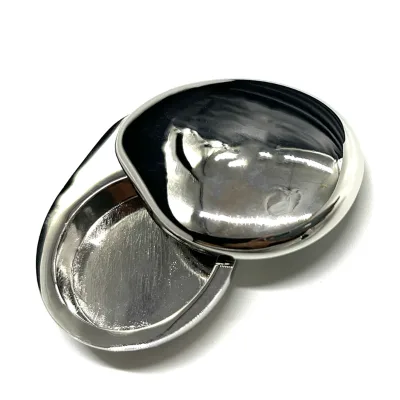


High Quality Slim Plastic Square Magnetic Closure Lipstick Case Cosmetic Container
$0.38 - $0.48
MOQ: 20000 Pieces


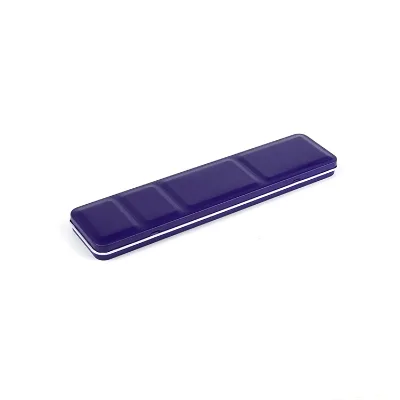


Magnetic Buckle Powder Compact Case Square 4 Color Eye Shadow Blush Container
$0.48 - $0.52
MOQ: 12000 Pieces


Comprehensive Sourcing Guide
Strategic Sourcing Guide for Magnetic Swivel Tin Cosmetic Cases
Understanding the Product Architecture and Material Composition
The Magnetic Swivel Tin Cosmetic Case represents a specialized segment within the broader packaging industry, designed primarily for high-end personal care and beauty applications. These containers are engineered to offer a seamless user experience through a rotating mechanism that reveals the product compartment while maintaining a sleek, protective exterior. The core structural component of these cases is typically constructed from tinplate, a material chosen for its durability, malleability, and superior barrier properties against moisture and light. In the observed market data, the material thickness for first-grade tinplate is frequently specified around 0.23mm, a dimension that balances structural integrity with the lightweight requirements of portable cosmetics.
The physical form factor of these cases varies, though rectangular and cylindrical shapes are the most prevalent configurations observed in current listings. The dimensions are often customizable to fit specific product volumes, with common specifications including a volume capacity of 5 ml, suitable for items such as brow soap, blush, perfume, cream, balm, fragrance, and oil. The "swivel" functionality is a critical mechanical feature, allowing the user to rotate the top section to access the contents without the need for a separate lid removal. This mechanism is often paired with a crown cap sealing type, ensuring a tight seal that prevents leakage and preserves the integrity of the cosmetic formulation inside.
Surface finishing plays a significant role in the aesthetic appeal and tactile quality of the product. The manufacturing process often involves polishing to achieve a smooth base, followed by various surface handling techniques such as matte or varnishing finishes. The color palette is diverse, with chocolate and white being prominent options, though custom color matching is widely available. The single package size for these units is generally compact, with dimensions around 25x15x15 cm for bulk packaging, facilitating efficient logistics and storage. The gross weight per unit is typically low, often under 0.5 kg, which is advantageous for shipping costs, particularly when transporting large quantities of these lightweight containers.
Technical Specifications and Customization Parameters
When evaluating magnetic swivel tin cosmetic cases for procurement, buyers must scrutinize the technical specifications that define the product's functionality and compatibility with their specific formulations. The customization capabilities are extensive, allowing brands to tailor the product to their unique identity. Customization options include the ability to apply logos via debossing or curved surface printing, ensuring that branding is integrated directly into the container's design. The printing handling is specifically noted as suitable for curved surfaces, a technical requirement for cylindrical or rounded rectangular cases where flat printing would be ineffective.
The model numbers associated with these products, such as Dec1323-036 or YYBRN-049, serve as unique identifiers for specific design iterations. These identifiers help in tracking the exact specifications of the mold, which is often an existing mold available for immediate production, reducing the initial tooling costs and lead times. The standard dimensions for certain models are precise, with some specifications listing a diameter of 88mm and a height of 32mm, while others may feature a pan size of 36.7mm. The "Middle" size category is also a recognized classification, indicating a mid-range capacity suitable for travel-sized or sample products.
Packaging standards are equally critical for ensuring the products arrive in pristine condition. The standard packing method often involves layering the items and securing them in cartons, with individual units sometimes protected by polybags. This multi-layered approach minimizes the risk of scratches or deformation during transit. The single package size and gross weight are essential data points for calculating freight costs and warehouse space requirements. For instance, a single gross weight of 0.150 kg per unit provides a baseline for estimating the total weight of a shipment, which directly impacts logistics expenses.
Buyers should also verify the specific material thickness and grade of the tinplate used. While 0.23mm is a common specification for first-grade tinplate, variations may exist depending on the supplier's capabilities and the buyer's specific durability requirements. The eco-friendly nature of these products is a growing consideration, with many manufacturers highlighting that their tinplate cases are recyclable and durable. This attribute aligns with the increasing demand for sustainable packaging solutions in the cosmetics industry.
Compliance, Certification, and Regulatory Standards
Navigating the regulatory landscape is a paramount concern for buyers sourcing cosmetic packaging, particularly when the product is intended for use with food, gifts, or cosmetics. The Magnetic Swivel Tin Cosmetic Case must comply with a range of international standards to ensure safety and quality. In the observed market, certifications such as ISO, SGS, RoHS, FDA, BPA, and Reach are frequently cited as indicators of a supplier's commitment to quality and regulatory compliance. These certifications validate that the materials used do not leach harmful substances and that the manufacturing processes adhere to strict environmental and safety guidelines.
The FDA certification is particularly relevant for products intended for cosmetic use, as it indicates that the materials are safe for contact with skin and beauty products. Similarly, the RoHS (Restriction of Hazardous Substances) certification ensures that the product does not contain specific hazardous materials that are restricted in the European Union. The BPA-free status is a critical selling point, as bisphenol A is a chemical often found in plastics and coatings that can pose health risks. Buyers should explicitly verify that the tinplate and any associated coatings or inks are free from BPA and other harmful substances.
The Reach certification further demonstrates compliance with European Union regulations regarding the registration, evaluation, authorization, and restriction of chemicals. This is essential for suppliers exporting to the EU market. The ISO certification, likely referring to ISO 9001 for quality management, indicates that the supplier has established processes to consistently meet customer and regulatory requirements. SGS certification provides third-party verification of product quality and safety, adding an additional layer of trust for the buyer.
It is important to note that while these certifications are listed in the product data, buyers must verify the current validity of these certificates for the specific batch of products they intend to purchase. Certification status can change, and suppliers may hold certifications for some product lines but not others. Therefore, requesting up-to-date copies of these certificates before placing a large order is a prudent step. Additionally, buyers should be aware that while the product is described as eco-friendly, specific recycling protocols may vary by region, and the buyer should confirm the recyclability of the tinplate and any attached components in their target market.
Cost Drivers and Economic Considerations
The pricing of magnetic swivel tin cosmetic cases is influenced by a complex interplay of factors, including material costs, customization requirements, order volume, and logistical considerations. The observed price range in the market spans from $0.05 to $3.97 per unit, reflecting the significant variance based on the level of customization and the scale of the order. The lower end of this range typically corresponds to standard, off-the-shelf designs with minimal customization, while the higher end reflects bespoke solutions with complex printing, unique shapes, or premium finishes.
Material costs are a primary driver, with the price of tinplate fluctuating based on global market conditions. The thickness of the tinplate, such as the 0.23mm specification, directly impacts the amount of raw material required and, consequently, the unit cost. Thicker gauges will naturally cost more but offer enhanced durability. Customization is another significant cost factor. Features such as debossed logos, curved surface printing, and custom colors require additional tooling and production steps, which increase the overall cost. The availability of existing molds can help mitigate these costs, as it eliminates the need for new tooling expenses.
Order volume plays a crucial role in determining the final price. The minimum order quantity (MOQ) ranges from 3 to 20,000 units, offering flexibility for both small startups and large enterprises. Higher order volumes typically result in lower unit costs due to economies of scale. The MOQ of 3 units allows for small-batch testing or prototyping, while the upper limit of 20,000 units supports mass production needs. Buyers should carefully evaluate their inventory requirements and cash flow constraints when selecting an order quantity to optimize cost efficiency.
Logistics and lead times also contribute to the total cost of ownership. The delivery time is typically 3-5 weeks after the approval of samples, which includes the time required for production and shipping. The sample time is generally around 7 working days, allowing buyers to evaluate the product quality before committing to a larger order. Buyers should factor in these lead times when planning their production schedules to avoid stockouts or delays in product launches. Additionally, the packaging method, such as polybag and carton packing, affects the shipping volume and weight, which in turn influences freight costs.
Supplier Evaluation and Quality Assurance Protocols
Selecting the right supplier is critical to ensuring the quality and reliability of magnetic swivel tin cosmetic cases. Buyers should prioritize suppliers who demonstrate a strong track record in the cosmetic packaging industry and possess the necessary certifications mentioned earlier. The location of the supplier, often Guangdong, China, is a significant factor, as this region is a hub for manufacturing and offers a robust supply chain ecosystem. However, buyers should not rely solely on location but should conduct a thorough due diligence process to assess the supplier's capabilities.
Quality assurance protocols are essential for maintaining product consistency. Buyers should request samples to evaluate the magnetic swivel mechanism, ensuring that it operates smoothly and securely. The surface finish, including the matte or varnishing treatments, should be inspected for uniformity and durability. The printing quality, particularly for curved surfaces, should be clear and precise, with no smudging or misalignment. The sealing type, such as the crown cap, should be tested to ensure it provides a tight seal that prevents leakage.
Suppliers should also be evaluated based on their ability to meet customization requirements. The availability of existing molds and the flexibility to accommodate custom designs are key indicators of a supplier's capability. Buyers should verify the supplier's capacity to handle large orders and their ability to maintain consistent quality across batches. The sample time of 7 working days is a standard benchmark, but buyers should confirm that the supplier can meet this timeline consistently.
Communication and responsiveness are also important factors in supplier evaluation. Buyers should assess the supplier's ability to provide timely updates and address any concerns that arise during the production process. The willingness to engage in OEM/ODM (Original Equipment Manufacturer/Original Design Manufacturer) collaborations indicates a supplier's flexibility and commitment to meeting the buyer's specific needs. Finally, buyers should consider the supplier's environmental practices, ensuring that their production processes align with the buyer's sustainability goals.
Long-Term Procurement and Strategic Planning
Sourcing magnetic swivel tin cosmetic cases is not merely a transactional activity but a strategic decision that impacts the brand's long-term success. Buyers should consider the scalability of their supplier relationship, ensuring that the supplier can grow with their business. As the brand expands, the demand for packaging will likely increase, and the supplier must have the capacity to meet these growing needs without compromising quality or lead times.
Sustainability is a key consideration for long-term procurement. The eco-friendly nature of tinplate makes it an attractive option for brands looking to reduce their environmental footprint. Buyers should work with suppliers who are committed to sustainable practices, such as using recycled materials and minimizing waste during production. The recyclability of the product should be clearly communicated to consumers, enhancing the brand's image as a responsible and environmentally conscious entity.
Inventory management is another critical aspect of long-term planning. Buyers should develop a robust inventory strategy that balances the need for stock availability with the costs of holding inventory. The low weight and compact size of the magnetic swivel tin cosmetic cases make them easy to store, but buyers should still plan for adequate storage space to accommodate bulk orders. The lead time of 3-5 weeks after sample approval should be factored into the inventory planning to ensure that stock levels are maintained.
Finally, buyers should stay informed about market trends and technological advancements in the cosmetic packaging industry. The demand for innovative packaging solutions is constantly evolving, and suppliers who invest in research and development can provide cutting-edge products that give the brand a competitive edge. By maintaining a strategic partnership with a reliable supplier, buyers can ensure a steady supply of high-quality magnetic swivel tin cosmetic cases that meet their evolving needs and support their long-term growth.
FAQs
What certifications do magnetic swivel tin cosmetic cases have?
These cases typically hold ISO, SGS, RoHS, FDA, BPA, and Reach certifications. Buyers should verify current validity for specific batches to ensure materials are safe for cosmetics and comply with international safety standards.
Can I customize the logo on magnetic swivel tin cosmetic cases?
Yes, logo printing is available with options for debossed or curved surface printing. Customization is supported for brands needing specific branding integration on the tinplate surface of the container.
How long is the delivery time for magnetic swivel tin cosmetic cases?
Delivery takes 3-5 weeks after sample approval. This timeline includes production and shipping, following a sample time of approximately 7 working days for buyer evaluation.
What is the minimum order quantity for magnetic swivel tin cosmetic cases?
The minimum order quantity ranges from 3 to 20,000 units depending on the supplier. This flexibility allows small startups to test products while supporting large enterprises with mass production needs.
Which material thickness is used for magnetic swivel tin cosmetic cases?
First-grade tinplate with a thickness of 0.23mm is commonly used. This dimension balances structural integrity with lightweight requirements for portable cosmetic packaging applications.
What is the price range for magnetic swivel tin cosmetic cases?
The observed price range spans from 0.05 to 3.97 USD per unit. Costs vary based on customization levels, order volume, and specific design requirements like surface finishing or printing.