Source Magnetic Therapy Ring for Pain Relief, ED Treatment, and Tissue Repair
Compare 30 Magnetic Therapy Ring options from verified suppliers offering pain relief, ED treatment, and tissue repair functions. These devices feature LCD displays, adjustable frequencies, and energy levels suitable for salon and physical therapy applications.
Key considerations
Products List


Magnetic Ring Physical Therapy Equipment Magnetic Electromagnetic Therapy for Pain
$1799.00 - $1899.00
MOQ: 1 Pieces


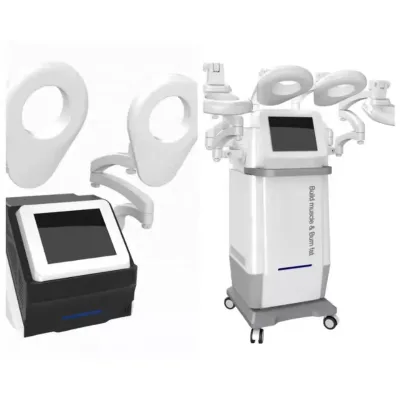
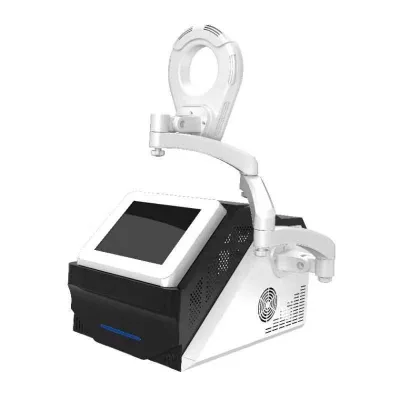


$0.10 - $10.00
MOQ: 5000 Pieces

$0.10 - $10.00
MOQ: 5000 Pieces


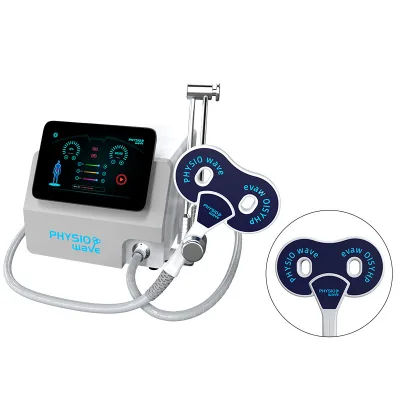


Premium Magnetic Loop Device for Effective Physical Therapy Solutions
$1499.00 - $1699.00
MOQ: 1 Pieces


Comprehensive Sourcing Guide
Magnetic Therapy Ring Sourcing Guide
Sourcing magnetic therapy rings requires a nuanced understanding of the intersection between wellness accessories and regulated medical devices. While the core keyword suggests a simple wearable, the broader market landscape includes sophisticated therapeutic equipment that utilizes similar principles for pain relief and tissue repair. Buyers must distinguish between consumer-grade jewelry marketed for general wellness and professional-grade devices intended for clinical or salon use. This distinction dictates the regulatory pathway, the technical specifications required, and the level of due diligence necessary during the procurement process. The following guide provides a structured approach to navigating this complex category, ensuring that procurement decisions are grounded in verified data and clear commercial terms.
The procurement strategy for magnetic therapy products must account for the wide variance in product definitions, from simple rings to complex body therapy machines. Observed market signals indicate a significant presence of devices labeled under broader categories such as "Focused Shockwave" or "Physiotherapy" equipment, which often share functional overlaps with magnetic therapy applications. These devices are frequently marketed for pain relief, joint pain treatment, and even ED treatment, suggesting that the underlying technology may be more advanced than traditional static magnetic rings. Consequently, buyers should approach sourcing with a clear definition of whether they require a passive wearable or an active therapeutic device, as this decision will fundamentally alter the supplier qualification and compliance verification steps outlined in this guide.
Product Scope and Observed Listing Signals
The observed product landscape reveals a diverse array of devices that may be relevant to buyers seeking magnetic or shockwave-based therapeutic solutions. Listings frequently highlight features such as "Tissue Repair," "Pain Relief," and "Reduce Pain," indicating a strong focus on musculoskeletal and soft tissue applications. Some products are explicitly categorized under "Orthopedics" or "Physical Therapy," while others are marketed for "Skin Beauty" or "Cellulite Reduction." This broad scope suggests that the term "magnetic therapy" may be used loosely in marketing materials to encompass various forms of energy-based treatments, including electromagnetic or shockwave therapies. Buyers must carefully review product descriptions to determine if the device utilizes static magnets, pulsed electromagnetic fields, or other modalities, as these differences significantly impact efficacy and regulatory classification.
Observed specifications provide critical insights into the technical capabilities of these devices, though they often vary significantly between listings. For instance, some products feature an LCD display and offer customization options, including OEM logo services, which are valuable for private label branding. Energy levels are reported in ranges such as 0.5-10 Bar or 1-10 Bar, while power inputs vary between AC 110V/60Hz and AC 220V/50Hz, reflecting the global nature of the supply chain. Additionally, physical attributes such as weight (ranging from 27kg to 37kg) and dimensions (e.g., 535060cm to 64x53x107cm) indicate that many of these are substantial, non-portable units designed for professional settings like salons or clinics. Buyers should verify these specifications directly with suppliers, as observed data points may not apply to every product in the category and could represent specific high-end models rather than entry-level options.
Technical Specifications to Verify
When evaluating potential suppliers, it is essential to verify the core technical parameters that define the device's performance and usability. Key specifications to confirm include the operating frequency, which may range from 1-10Hz for certain therapeutic applications, and the output power, which can vary from 10-500W depending on the device's intensity and intended use. Buyers should also inquire about the specific type of therapy delivered, whether it is classified as "Mageto Therapy" (magnetic therapy) or another modality, and ensure that the treatment area aligns with their clinical or commercial needs, such as body-wide therapy or targeted joint pain treatment. The presence of an LCD display and user interface controls is a common feature that enhances operational ease, but the complexity of these interfaces should be assessed to ensure they meet the technical proficiency of the end-users.
Packaging and logistical specifications are equally critical for procurement planning, as they impact shipping costs and product protection. Many observed products are packed in aluminum alloy boxes or cartons, with single gross weights ranging from 27kg to 37kg, indicating robust construction suitable for professional equipment. Buyers must verify the exact dimensions of the packaging to calculate freight costs accurately, as standard sizes like 555396cm or 64x53x107cm can significantly affect container loading efficiency. Additionally, the availability of ODM and OEM services, including online technical support, should be confirmed to ensure that the supplier can provide necessary branding and post-sale assistance. These logistical and technical details must be explicitly stated in the purchase agreement to avoid discrepancies between the ordered product and the delivered goods.
Compliance and Safety Documentation
Regulatory compliance is a paramount concern when sourcing therapeutic devices, as non-compliant products can lead to legal liabilities and market rejection. Buyers should verify that suppliers hold recognized certifications such as CE, which indicates conformity with health, safety, and environmental protection standards for products sold within the European Economic Area. Some listings may also mention ISOCE or other quality management certifications, which suggest a structured approach to manufacturing and quality control. However, buyers must not assume that all products in the category possess these certifications; each specific model must be validated against the regulatory requirements of the target market. For instance, devices marketed for medical purposes may require additional approvals from bodies such as the FDA in the United States or equivalent agencies in other regions.
Safety documentation should include detailed user manuals, risk assessments, and test reports that demonstrate the device's compliance with relevant electrical and electromagnetic standards. Buyers should request evidence of input voltage compatibility, ensuring that the device can operate safely on both AC 110V/60Hz and AC 220V/50Hz systems if intended for global distribution. Furthermore, the warranty terms, typically observed as 12 months for such equipment, should be clearly defined in the contract, outlining the scope of coverage for defects and the process for repairs or replacements. It is also important to verify the supplier's commitment to after-sales service, including online technical support, to ensure that any operational issues can be resolved promptly without compromising patient or user safety.
Cost Drivers and Commercial Terms
The cost structure for magnetic therapy and related therapeutic devices is influenced by several key factors, including the complexity of the technology, the materials used in construction, and the level of customization required. Devices with advanced features such as LCD displays, precise energy control, and specialized packaging in aluminum alloy boxes tend to command higher prices. Additionally, the MOQ (Minimum Order Quantity) can vary significantly, ranging from 1 to 5000 units, which impacts the unit price and the overall investment required. Buyers should negotiate pricing based on volume commitments, keeping in mind that observed price ranges in the market can span from $0.01 to $2333.51, reflecting the vast difference between simple accessories and complex medical-grade equipment.
Commercial terms must be carefully structured to mitigate risks associated with international trade and product performance. Buyers should insist on clear payment terms, such as letters of credit or escrow services, to protect against fraud and ensure that payments are released only upon satisfactory delivery and inspection. The lead time for production and shipping should be explicitly agreed upon, as delays can disrupt supply chains and market launches. Furthermore, the responsibility for import duties, taxes, and shipping insurance should be clearly defined using standard Incoterms, such as FOB or CIF, to avoid unexpected costs. Buyers should also consider the total cost of ownership, including maintenance, spare parts, and potential training costs, to make a comprehensive financial assessment of the procurement decision.
Supplier Qualification and Quality Control
Selecting a reliable supplier is critical to ensuring the quality and consistency of magnetic therapy devices. Buyers should conduct thorough due diligence on potential suppliers, verifying their business licenses, manufacturing capabilities, and track record in the industry. Suppliers offering ODM and OEM services should be evaluated based on their ability to maintain quality standards while customizing products to meet specific brand requirements. It is advisable to request samples for testing and evaluation before committing to large orders, allowing buyers to assess the device's performance, build quality, and user interface firsthand. Additionally, suppliers should be able to provide references or case studies from previous clients, particularly those in the medical or wellness sectors, to demonstrate their expertise and reliability.
Quality control processes should be integrated into the procurement agreement to ensure that products meet specified standards before shipment. Buyers should define clear acceptance criteria, including functional tests, safety checks, and cosmetic inspections, and reserve the right to conduct third-party inspections if necessary. The supplier should have a robust quality management system in place, supported by relevant certifications, to minimize the risk of defects and inconsistencies. Communication channels should be established for ongoing quality monitoring, including regular updates on production progress and immediate notification of any issues that may arise. By prioritizing supplier qualification and rigorous quality control, buyers can reduce the risk of receiving substandard products and ensure a successful procurement outcome.
Long-Term Procurement Checks
Sourcing therapeutic devices is not a one-time transaction but an ongoing relationship that requires continuous monitoring and evaluation. Buyers should establish key performance indicators (KPIs) to track supplier performance, including on-time delivery rates, product defect rates, and responsiveness to technical support requests. Regular audits of the supplier's manufacturing facilities and quality control processes can help identify potential issues before they impact the supply chain. Additionally, buyers should stay informed about changes in regulatory requirements and market trends that may affect the product's compliance and competitiveness. This proactive approach ensures that the procurement strategy remains aligned with business objectives and customer expectations.
Long-term success also depends on the ability to adapt to evolving market demands and technological advancements. Buyers should maintain open lines of communication with suppliers to explore opportunities for product improvements, new features, or cost-saving initiatives. Feedback from end-users and clinical professionals should be collected and shared with the supplier to drive continuous improvement in product design and functionality. Furthermore, buyers should diversify their supplier base to mitigate risks associated with single-source dependencies, ensuring business continuity in the event of supply chain disruptions. By fostering a collaborative and transparent relationship with suppliers, buyers can secure a reliable supply of high-quality magnetic therapy devices and maintain a competitive edge in the market.
FAQs
What certifications do magnetic therapy devices typically hold?
These devices commonly hold CE and ISO certifications to ensure compliance with international safety and quality standards. Buyers should verify specific documentation for each unit, as certifications validate the manufacturing process and electrical safety requirements for professional use in salons or clinics.
Can these machines be customized for private labeling?
Yes, customization is available through OEM and ODM services, allowing buyers to add their own logos and branding. This service supports online technical support and ensures the equipment meets specific market requirements while maintaining the core therapeutic functions like pain relief and tissue repair.
What is the typical power output range for these units?
The power output generally ranges from 10 to 500 watts, depending on the specific model and application. This variability allows for different treatment intensities, supporting functions such as joint pain treatment, cellulite reduction, and general body therapy within safe operational limits for professional environments.
How are these devices packaged for international shipping?
Devices are typically packed in aluminum alloy boxes or cases for protection, placed inside outer carton packaging. This robust packing method ensures the equipment, which may weigh between 27 and 37 kilograms, arrives safely without damage during transit from manufacturing locations like Beijing, China.
What warranty periods are standard for this equipment?
A standard warranty period is typically 12 months, covering manufacturing defects and component failures. Buyers should confirm specific warranty terms with suppliers, as this coverage ensures long-term reliability for devices used in physical therapy, orthopedics, and beauty applications requiring consistent performance.