Source Portable Non-Invasive Body Sculpting Machine for Salon, Home, and Clinic
Find and compare 30 Portable Non-Invasive Body Sculpting Machine options for salon, home, and clinic use. Evaluate features like 12-18 inch screens, 300-4500W power, and cryolipolysis or laser technologies to select the right equipment for your business needs.
Key considerations
Products List


Beauty Equipment Slimming Machine Body Contouring Weight Loss Beauty Instrument
$3899.00 - $6899.00
MOQ: 1 Pieces
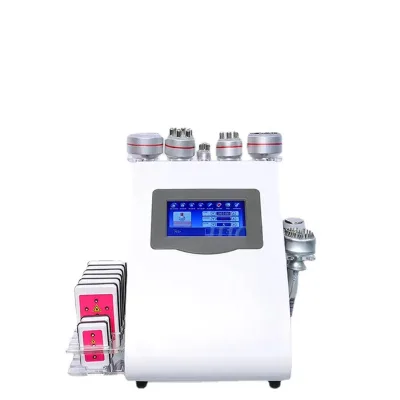


Portable Tesla Muscle Stimulator Weight Loss Body Sculpting Machine for Body Contouring
$1330.00 - $1489.00
MOQ: 1 Pieces

Portable Trustsculpt Body Sculpting Slimming Machine for Weight Loss
$1150.00 - $1250.00
MOQ: 1 Pieces


High-Intensity Body Sculpting Machine for Fat Burning & Muscle Building
$1500.00 - $3200.00
MOQ: 1 set

Sculpt Neo Body Contouring Machine for Fat Reduction and Muscle Building
$1500.00 - $3200.00
MOQ: 1 set


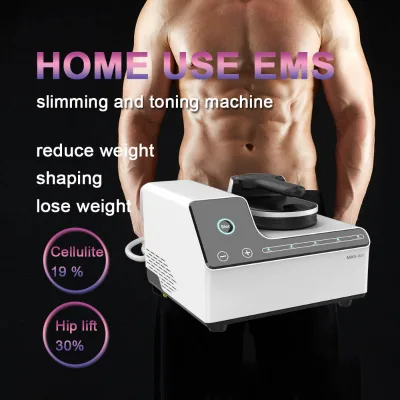


High Quality EMS Fat Burning Body Slimming Sculpting Beauty Salon Equipment
$540.00 - $880.00
MOQ: 1 Pieces


Comprehensive Sourcing Guide
Portable Non-Invasive Body Sculpting Machine Sourcing Guide
Procuring portable non-invasive body sculpting machines requires a nuanced understanding of the diverse technologies available in the current market, ranging from cryolipolysis systems to laser-based fat reduction devices. Buyers must navigate a landscape where product attributes vary significantly, including power output, cooling mechanisms, and specific application modes. The observed market data indicates a wide spectrum of capabilities, with output powers ranging from 300W to 4500W and frequencies adjustable between 1-100Hz. This variability necessitates a rigorous verification process to ensure that the selected equipment aligns with the specific clinical or salon requirements of the end-user.
The distinction between portable and non-portable units is a critical decision point that impacts logistics, installation, and operational flexibility. While some listings emphasize portability, others describe units with substantial gross weights, such as 25kg, and large packaging dimensions, suggesting that "portable" may refer to ease of transport rather than lightweight design. Buyers should carefully evaluate the physical specifications, including package dimensions and weight, to determine if the machine fits within their intended facility constraints. Furthermore, the availability of customization options allows for tailored solutions, but this requires clear communication with suppliers regarding specific technical and aesthetic preferences.
Product Scope and Observed Listing Signals
The product scope for non-invasive body sculpting encompasses a variety of technologies, primarily focused on body slimming, shaping, and sculpting. Observed listings highlight specific models such as the MS-49 PRO, MS-11 pro, and BR509-plus, each with distinct operational characteristics. For instance, some units utilize laser technology with dual wavelengths like 650nm and 980nm, while others employ cryolipolysis systems with adjustable vacuum pressure and temperature controls ranging from +43°C to -13°C. Understanding these technological differences is essential for matching the right device to the desired treatment outcomes and patient comfort levels.
Listing signals also reveal important details about the user interface and operational modes. Many devices feature large touch screens, such as 12-inch or 18-inch displays, which enhance user interaction and treatment customization. The mode of operation can vary, with some machines supporting both continuous and pulsed modes, allowing for versatile treatment protocols. Additionally, the inclusion of multiple working handles, such as five pieces for cryo systems, or specific quantities of laser pads, indicates the capacity for high-throughput treatments. Buyers should scrutinize these signals to ensure the equipment meets the volume and efficiency demands of their business operations.
Technical Specifications to Verify
Verifying technical specifications is paramount to ensuring the performance and safety of the selected body sculpting machine. Key parameters to confirm include the main power output, which can range from 220V to 110V/50Hz-60Hz, and the maximum output power, which may be specified as 250W or higher for certain laser-based systems. It is crucial to verify the intensity and frequency ranges, such as an output intensity of 7 Tesla and frequencies between 1-100Hz, to ensure compatibility with the intended treatment protocols. These specifications directly influence the efficacy of the fat reduction or body contouring procedures.
Cooling requirements and diode quality are also critical technical aspects that affect the longevity and safety of the device. Some machines rely on air cooling, while others may have more complex thermal management systems. The quality of laser diodes, such as those sourced from Japan Mitsubishi, can impact the consistency and reliability of the energy output. Buyers should request detailed technical datasheets that specify the laser wavelengths, such as 635nm, 660nm, 810nm, and 980nm, and verify the energy output ranges, such as 130MW-350MW for laser energy. This level of detail ensures that the machine meets the necessary performance standards for professional use.
Compliance and Safety Documentation
Compliance and safety documentation are non-negotiable elements in the procurement of medical or aesthetic devices. Buyers must ensure that the supplier provides all necessary certifications and test reports that verify the machine's adherence to international safety standards. This includes electrical safety certifications, electromagnetic compatibility (EMC) tests, and laser safety classifications, depending on the technology used. Without proper documentation, the risk of regulatory non-compliance and potential liability increases significantly, especially when the devices are used in professional settings.
Warranty terms and after-sales support are also integral to the safety and operational continuity of the equipment. A standard warranty period, such as one year, should be clearly defined in the contract, covering both parts and labor. Buyers should also verify the availability of spare parts, such as laser lamps or cryo handles, and the supplier's responsiveness to technical support requests. Ensuring that the supplier has a robust support network is essential for minimizing downtime and maintaining patient safety during treatments.
Cost Drivers and Commercial Terms
Cost drivers for portable non-invasive body sculpting machines include the complexity of the technology, the quality of components, and the level of customization required. Machines with advanced features, such as large touch screens, multiple handles, or high-power outputs, typically command higher prices. The observed price range of 145-7800 USD reflects this variability, with basic models at the lower end and sophisticated, multi-functional systems at the higher end. Buyers should align their budget with the specific features and performance capabilities they require, avoiding the temptation to choose the cheapest option without considering long-term value.
Commercial terms, including minimum order quantities (MOQ) and payment conditions, also influence the total cost of ownership. While some suppliers may offer an MOQ of 1, others might have different requirements for customized orders. It is important to negotiate clear terms regarding shipping, insurance, and import duties, as these can significantly impact the final cost. Buyers should also consider the potential for volume discounts if they plan to purchase multiple units or accessories, such as additional handles or pads, to enhance the machine's versatility.
Supplier Qualification and Quality Control
Supplier qualification is a critical step in mitigating procurement risks. Buyers should conduct thorough due diligence on potential suppliers, verifying their business licenses, manufacturing capabilities, and quality control processes. Suppliers originating from regions like Guangdong or Guangzhou in China may have established supply chains, but this does not guarantee consistent quality. It is advisable to request factory audits or third-party inspection reports to assess the supplier's production standards and quality management systems.
Quality control measures should be explicitly defined in the purchase agreement, including pre-shipment inspections and performance testing. Buyers should specify the acceptance criteria for key components, such as the laser diodes, cooling systems, and control panels. Additionally, verifying the supplier's ability to provide training and technical support is essential for ensuring that the end-users can operate the machine safely and effectively. A qualified supplier will demonstrate a commitment to quality through transparent communication and robust support structures.
Long-Term Procurement Checks
Long-term procurement checks involve monitoring the performance and reliability of the equipment over time. Buyers should establish a maintenance schedule and track the frequency of any technical issues or component failures. This data can be used to evaluate the supplier's responsiveness and the overall durability of the machine. Regular maintenance, including cleaning and calibration, is essential for preserving the machine's performance and extending its lifespan.
Feedback from end-users and patients is also a valuable metric for assessing the suitability of the equipment. Buyers should collect data on treatment efficacy, patient comfort, and operational ease to identify any areas for improvement. This feedback loop can inform future purchasing decisions and help in negotiating better terms with suppliers. By continuously evaluating the performance and value of the equipment, buyers can ensure that their investment continues to meet the evolving needs of their business.
FAQs
What is the output power range for portable slimming machines?
The output power ranges from 300W to 4500W depending on the specific model selected. This variation allows for different treatment intensities suitable for various body areas. Buyers should verify the exact wattage for their intended clinical or salon application to ensure effective results.
Can these machines be customized for specific business needs?
Yes, customization is available for many portable body sculpting units. Manufacturers often allow adjustments to screen size, packaging, and specific operational parameters. This flexibility helps businesses tailor the equipment to their brand identity and specific client requirements without compromising core functionality.
What cooling systems are used in these devices?
Air cooling is a common requirement for these portable units to maintain optimal operating temperatures. Some models may utilize advanced thermal management to ensure safety during extended sessions. Proper cooling is essential for maintaining the longevity of laser diodes and internal components during high-intensity treatments.
What is the typical gross weight of these machines?
The gross weight is typically around 25kgs for standard portable models. This weight balances portability with the stability needed for professional use. Buyers should consider this weight when planning logistics, storage, and transportation to ensure the equipment can be easily moved between locations.
Which laser wavelengths are commonly used for fat reduction?
Common wavelengths include 650nm, 980nm, 635nm, 660nm, and 810nm. These specific wavelengths are selected for their ability to penetrate tissue and target fat cells effectively. The choice of wavelength depends on the specific technology and intended treatment area for optimal efficacy.
What warranty is typically provided for these devices?
A one-year warranty is standard for many portable body sculpting machines. This coverage typically includes defects in materials and workmanship. Buyers should review the specific terms to understand what components are covered and the process for claiming support during the warranty period.