Source Multi-Functional Body Sculpting Machine for Salon Home Spa
Find 30 multi functional body sculpting machines from verified suppliers. Compare EMS, cavitation, and vacuum massage options with varying power, size, and customization features for salon, home, and spa applications.
Key considerations
Products List


ADSS EMS Slimming RF Muscle EMS Massage Slimming Body Sculpting Machine
$3000.00 - $5000.00
MOQ: 1 Pieces


High-Intensity Body Sculpting Machine for Fat Burning & Muscle Building
$1500.00 - $3200.00
MOQ: 1 set

Sculpt Neo Body Contouring Machine for Fat Reduction and Muscle Building
$1500.00 - $3200.00
MOQ: 1 set


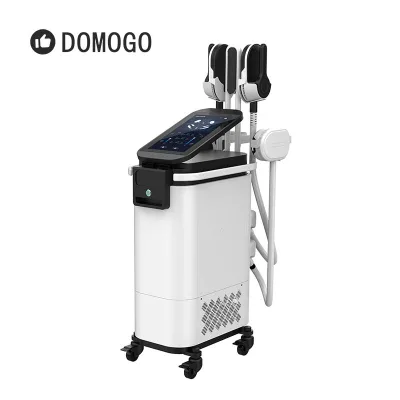


Body Slimming Machine EMS Body Sculpting Muscle Slimming Machine Slimming Sculpting Machine
$3600.00 - $3800.00
MOQ: 1 Pieces


Tens Machine Physiotherapy Pain Relief Electric Therapy Body Sculpting Machine
$650.00 - $899.00
MOQ: 1 Pieces


Comprehensive Sourcing Guide
Multi-Functional Body Sculpting Machine Sourcing Guide
Sourcing multi-functional body sculpting machines requires a disciplined approach to distinguishing between marketing claims and verifiable technical specifications. These devices typically combine technologies such as EMS (Electrical Muscle Stimulation), cavitation, and vacuum massage to target body contouring and muscle toning. Buyers must navigate a market where product models vary significantly in capability, with some units offering simultaneous multi-handle operation while others focus on single-modality treatments. The procurement process begins with a clear understanding of the device’s intended application, whether for professional salon environments or home use, as this dictates the necessary power output, safety features, and portability requirements.
The observed market data indicates a diverse range of offerings, with prices spanning from $500 to $7,000 USD and a consistent Minimum Order Quantity (MOQ) of one unit across many listings. This wide price variance often reflects differences in build quality, such as the use of ABS plastic versus aluminum alloy cases, and the complexity of the internal software systems. Buyers should recognize that a lower price point may correlate with simpler interfaces or limited warranty support, while higher-end models often include advanced features like 15.6-inch TFT LCD screens and customizable OEM/ODM services. Establishing a clear budget and functional requirement matrix before engaging with suppliers is essential to filtering out irrelevant options and focusing on viable procurement candidates.
Product Scope and Observed Listing Signals
The product scope for multi-functional body sculpting machines encompasses a variety of configurations, primarily identified by their core technology and target treatment areas. Common attributes observed in current listings include EMS technology for muscle stimulation, cavitation for fat removal, and vacuum massage systems for skin tightening. These devices are generally designed for body applications, targeting areas such as the abdomen, legs, arms, and overall body contouring. The physical design often features a portable form factor, with dimensions varying significantly based on the integrated technology, ranging from compact units measuring approximately 57x49x53 cm to larger systems exceeding 140 cm in length.
Listing signals reveal important distinctions in hardware capabilities and user interface design. For instance, some models support simultaneous operation of four handles, enhancing treatment efficiency in professional settings, while others may rely on fewer applicators. The input voltage is a critical signal, with many devices supporting a wide range of AC110-230V or 110V/220V 50-60Hz, ensuring compatibility with global power grids. Additionally, the presence of specific keywords such as "Antiwrinkle Tightening Skin" or "Weight Loss" helps categorize the device’s primary marketing angle, but buyers must verify the actual technical specifications to ensure the device meets their clinical or aesthetic standards.
Technical Specifications to Verify
Verifying technical specifications is paramount to ensuring the device meets operational needs and safety standards. Key parameters to confirm include the power output, which can range up to 1000W for high-intensity EMS units, and the treatment temperature capabilities, which may extend to -10℃ to 10℃ for cryolipolysis or cooling-based technologies. The software language support, typically English in international listings, and the interface type, such as a True Color LCD screen, are crucial for user training and operational efficiency. Buyers should also verify the number and type of pads or handles included, as some systems come with eight lipo laser pads or specific EMS handles that must be compatible with the main unit.
Electrical and physical specifications require careful cross-referencing to avoid compatibility issues during installation. The plugs type must match the local electrical infrastructure, with options often including CN, JP, US, EU, AU, UK, ZA, IT, and other regional standards. The device weight, observed at around 55kg for certain models, impacts logistics and installation requirements, necessitating adequate floor support and handling equipment. Furthermore, the material composition, predominantly ABS for the housing, should be evaluated for durability and ease of cleaning in high-traffic salon environments. Buyers must also confirm the operating voltage range, ensuring it aligns with the facility’s power supply to prevent damage to the internal components.
Compliance and Safety Documentation
Compliance and safety documentation form the backbone of a secure procurement process for medical-grade or aesthetic devices. Buyers must request and verify CE certification, which is a common standard referenced in the market, indicating conformity with health, safety, and environmental protection standards for products sold within the European Economic Area. However, certification alone is not sufficient; buyers should also inquire about other relevant regional certifications, such as FDA clearance for the US market or local regulatory approvals, depending on the destination country. The absence of waterproofing in many of these devices necessitates strict adherence to safety protocols regarding liquid exposure and cleaning procedures.
Warranty and service terms are critical components of the compliance framework, providing recourse in case of technical failure or performance issues. A standard one-year warranty is frequently observed, but buyers should negotiate for extended coverage or comprehensive service packages that include on-site repair or replacement parts. The availability of 24-hour online service support is a valuable indicator of supplier reliability, ensuring that technical issues can be addressed promptly to minimize downtime in a business setting. Buyers must also verify the supplier’s ability to provide detailed user manuals, safety warnings, and maintenance guides in the local language to ensure proper operation and liability protection.
Cost Drivers and Commercial Terms
Cost drivers for multi-functional body sculpting machines are influenced by technology complexity, build quality, and customization options. Devices featuring advanced software interfaces, multiple simultaneous handles, and specialized pads like lipo laser pads tend to command higher prices. The inclusion of premium packaging, such as aluminum alloy cases or flight cases, adds to the cost but provides essential protection during international shipping. Buyers should also consider the cost of OEM/ODM services, which allow for custom branding and logo placement, often required for businesses looking to establish a unique market identity.
Commercial terms, including payment structures and shipping logistics, significantly impact the total cost of ownership. The observed MOQ of one unit suggests flexibility for small businesses or individual practitioners, but bulk purchases may offer volume discounts. Buyers must clarify whether the quoted price includes shipping, insurance, and import duties, as these can add substantial hidden costs. The lead time for production and delivery should be explicitly agreed upon, especially for customized orders, to ensure alignment with business launch schedules. Additionally, buyers should verify the terms for spare parts availability and the cost of consumables like gel pads or applicators, which are recurring expenses.
Supplier Qualification and Quality Control
Supplier qualification involves assessing the manufacturer’s production capabilities, quality control processes, and after-sales support infrastructure. Buyers should prioritize suppliers located in established manufacturing hubs, such as Guangdong or Beijing in China, where supply chain ecosystems are mature and component sourcing is efficient. Verification of the supplier’s history in OEM/ODM services can provide insights into their flexibility and ability to meet specific customization requirements. It is also advisable to request references or case studies from existing clients to gauge the reliability of the equipment in real-world scenarios.
Quality control measures should be explicitly defined in the procurement agreement, including pre-shipment inspections and performance testing protocols. Buyers should insist on witnessing or receiving detailed test reports that verify the device’s power output, temperature control accuracy, and software functionality. The use of durable materials like ABS and robust packaging solutions, such as air boxes or flight cases, are indicators of a supplier’s commitment to product integrity. Establishing a clear communication channel for technical support and maintenance is equally important, ensuring that any post-purchase issues are resolved efficiently without compromising business operations.
Long-Term Procurement Checks
Long-term procurement checks focus on the sustainability of the supplier relationship and the ongoing viability of the product line. Buyers should monitor the supplier’s ability to provide software updates and firmware upgrades, which are essential for maintaining device performance and security over time. The availability of replacement parts and consumables, such as EMS pads and laser pads, must be guaranteed for the lifespan of the device to avoid obsolescence. Regular reviews of the supplier’s customer service responsiveness and technical support quality are necessary to ensure continued operational efficiency.
Market trends and technological advancements in body sculpting devices require periodic reassessment of the procurement strategy. Buyers should stay informed about emerging technologies and regulatory changes that may impact the device’s compliance status or market relevance. Building a diversified supplier base can mitigate risks associated with single-source dependency, ensuring continuity of supply in case of production disruptions. Finally, establishing a feedback loop with end-users, such as salon staff and clients, can provide valuable insights into device usability and performance, informing future procurement decisions and potential upgrades.
FAQs
What technology does the Multi-Functional Body Sculpting Machine use?
The device utilizes EMS technology for muscle stimulation and fat removal. It is designed for body sculpting applications in salons and homes. The system includes vacuum massage features and operates with AC110-230V input voltage. This combination supports weight loss and skin tightening goals effectively.
Can the Multi-Functional Body Sculpting Machine be customized?
Yes, customization is available for this equipment. Buyers can request OEM and ODM services to tailor the product. The machine accepts customized logos and supports various plug types including US, EU, and UK standards. This flexibility allows for branding and regional electrical compatibility adjustments.
What is the warranty period for the Multi-Functional Body Sculpting Machine?
The standard warranty period is one year. This coverage applies to the main unit and its components. Buyers also benefit from 24-hour online service support for troubleshooting. This ensures operational continuity and assistance for technical issues during the initial usage phase.
How portable is the Multi-Functional Body Sculpting Machine?
Portability varies by model. Some versions are explicitly labeled as portable, while others are non-portable. The equipment is packed in aluminum alloy cases or flight cases for protection. Dimensions and weights differ, with some units weighing around 55kg, requiring careful handling during transport.
What are the main features of the Multi-Functional Body Sculpting Machine?
Key features include muscle stimulation, weight loss support, and skin rejuvenation. The device operates with a 15.6-inch TFT LCD screen and handles that work simultaneously. It targets body areas like the abdomen, legs, and arms. The system integrates vacuum massage and EMS technologies for comprehensive treatment.
Where is the Multi-Functional Body Sculpting Machine manufactured?
Manufacturing locations include Guangdong and Beijing in China, as well as Shanxi. These regions are known for producing beauty and medical equipment. The origin affects logistics and lead times for international buyers. Buyers should verify specific factory locations when placing orders for accurate shipping estimates.