Source Magnetic Window Cleaner for Hotels, Homes, and Offices
Explore 30 Magnetic Window Cleaner options for hotels, households, and office buildings. Compare features like material, size, and MOQ to find the right tool for cleaning double-glazed windows.
Key considerations
Products List
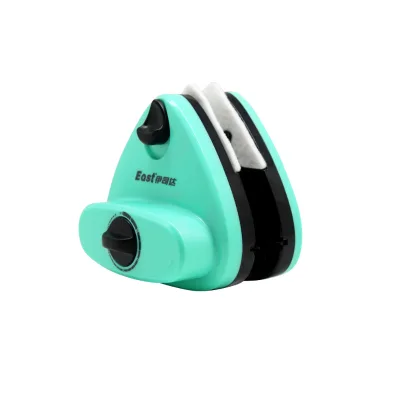
Double Sided Magnetic Window Glass Cleaner, Brush Magnetic Glass, Magnetic Window Cleaner
$26.26 - $27.27
MOQ: 1000 pieces
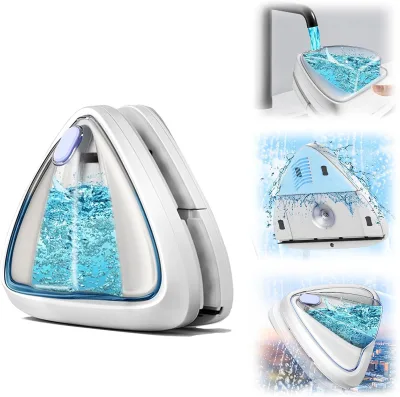
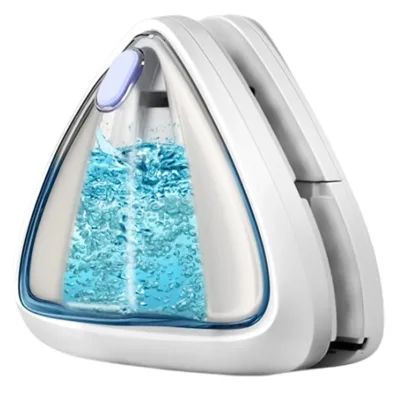
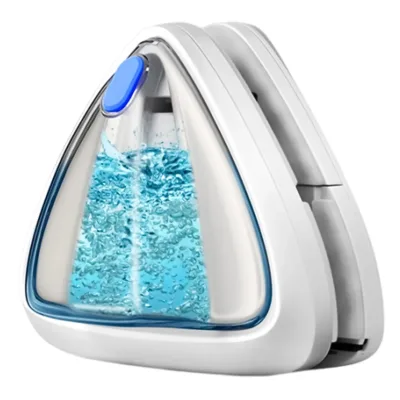
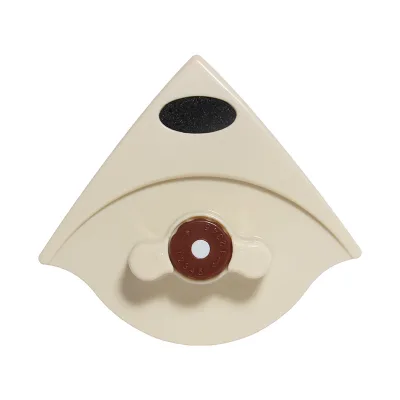
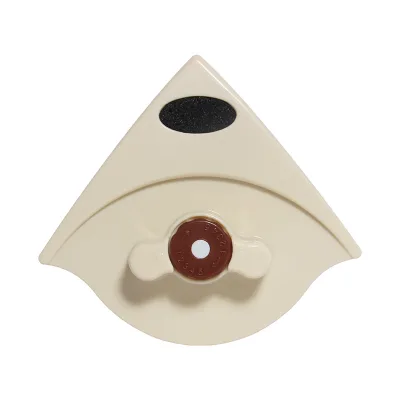

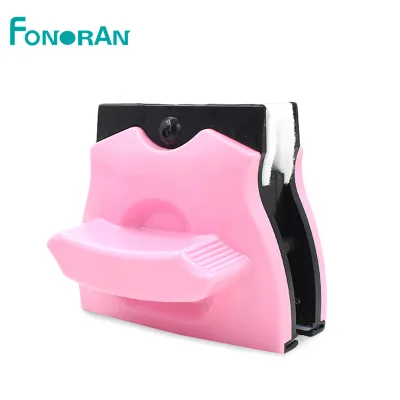
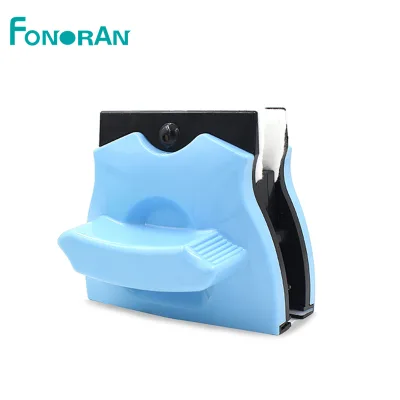
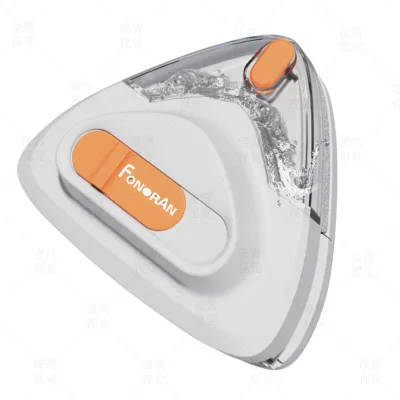
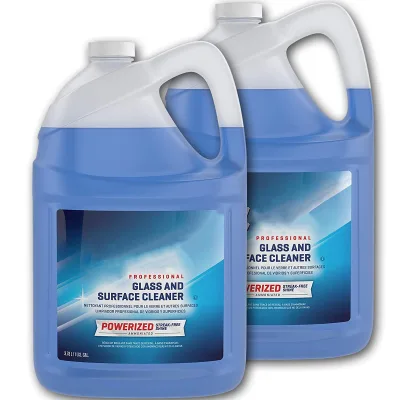
Double Sided Magnetic Silicone Window Magnetic Auto Liquid Glass Cleaner
$0.62 - $0.83
MOQ: 5000 Minimum
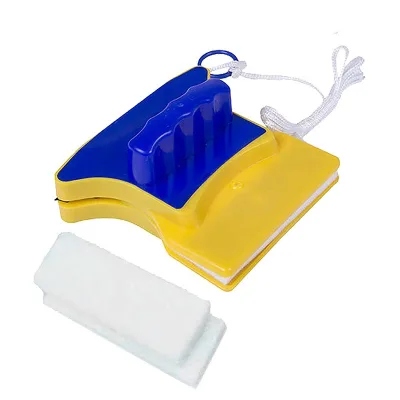
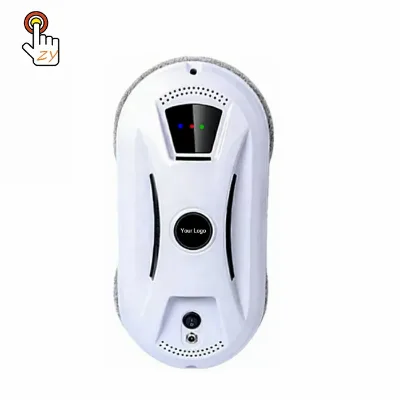

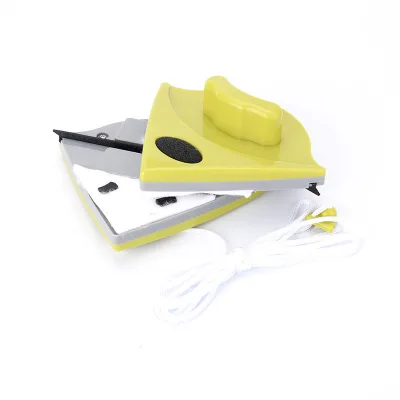
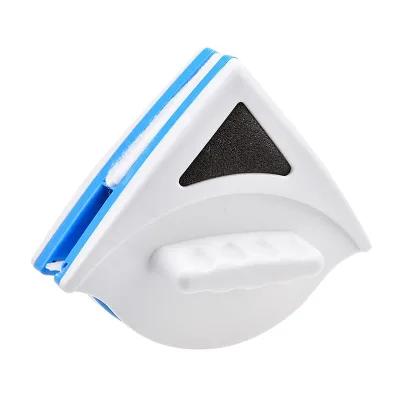
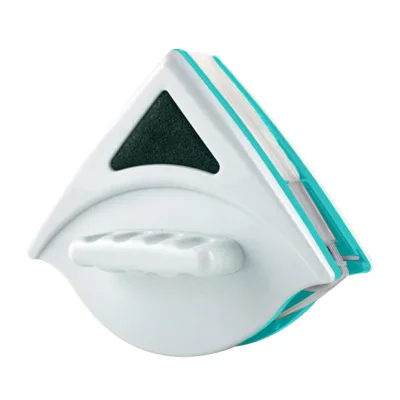



17 Years Experience Double-Sided Adjustable Magnetic Window Cleaner for Sale
$0.10 - $5.00
MOQ: 10 Pieces


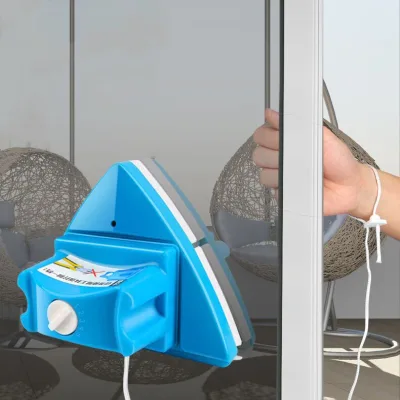

2018 Newest Remote Control Wet and Dry Magnetic Window Robot Cleaner
$132.00 - $140.00
MOQ: 100 Pieces



Comprehensive Sourcing Guide
Strategic Sourcing Guide for Magnetic Window Cleaning Systems
Understanding the Core Product Architecture and Technical Specifications
The Magnetic Window Cleaner represents a specialized category of cleaning equipment designed for high-efficiency maintenance of double-glazed or thick glass surfaces. Unlike traditional squeegees that require manual scrubbing from a single side, this device utilizes a dual-unit system where one half is positioned on the exterior of the glass and the other on the interior. The connection between these two units is established through powerful magnetic fields, allowing the exterior unit to be pulled along the glass surface by the operator controlling the interior unit.
When evaluating the technical specifications of available units, buyers must first verify the magnetic strength relative to the glass thickness. The supplied product data indicates a specific operational range where these tools function effectively, specifically for glass thicknesses between 8mm and 15mm. This range is critical because magnets that are too weak will fail to hold the exterior unit against gravity or wind, while magnets that are too strong for thin glass may cause the units to snap together with dangerous force. The material composition of the magnetic core is a primary determinant of performance. High-performance models often utilize Neodymium Iron Boron (NdFeB) magnets, which offer superior magnetic flux density compared to standard ferrite magnets. The presence of NdFeB in the product specifications suggests a design intent for higher holding power, whereas ferrite-based units may be suitable for lighter-duty applications or thinner glass variants.
The physical construction of the cleaner also dictates its longevity and cleaning efficacy. The housing materials typically include a combination of ABS plastic and rubber components. ABS provides structural rigidity and impact resistance, protecting the internal magnets from damage during accidental drops or impacts with window frames. The rubber elements serve a dual purpose: they provide a non-slip grip for the operator and act as a buffer to prevent the hard plastic housing from scratching the glass surface. Furthermore, the squeegee material is frequently specified as Polypropylene (PP) or a composite of rubber and sponge. The sponge component is essential for absorbing and distributing the cleaning solution, while the rubber blade ensures a streak-free finish by removing the liquid from the glass. Buyers should inspect the attachment mechanism of the squeegee to ensure it allows for easy replacement, as worn blades are the most common point of failure in these systems.
Compliance Verification and Certification Protocols
In the B2B procurement landscape, compliance verification is a non-negotiable step, particularly when sourcing products from international manufacturing hubs. The supplied context mentions a potential certification status of CE, though it is categorized as low-confidence background information. This distinction is vital for the procurement team. A buyer cannot assume that every unit listed in a catalog possesses CE certification or meets specific safety standards without explicit documentation from the supplier. The CE mark indicates conformity with health, safety, and environmental protection standards for products sold within the European Economic Area. However, relying on unverified claims can lead to customs delays, product recalls, or liability issues if the equipment fails to meet local regulatory requirements.
Procurement professionals must request current, valid certification documents directly from the manufacturer before placing an order. This includes verifying the specific test reports that support the CE claim, such as electromagnetic compatibility (EMC) tests or mechanical safety assessments. If the product is intended for use in commercial environments like hotels or large office buildings, additional safety certifications may be required by local building codes or insurance providers. For instance, the magnetic force must be sufficient to prevent accidental detachment, which could result in the exterior unit falling from a height. While the product descriptions highlight features like "Eco-Friendly" and "Convenient," these are marketing attributes rather than regulatory compliance markers. Buyers should treat these claims as observations of the product design intent rather than guaranteed performance metrics.
Furthermore, the origin of the product plays a significant role in compliance. The data indicates origins in both Zhejiang and Guangdong, China. These regions are major manufacturing hubs, but the specific factory's adherence to international quality management systems (such as ISO 9001) varies. Buyers should verify if the supplier has undergone third-party audits. The absence of a specific standard number in the provided text means that the buyer must explicitly ask for the relevant ISO or ANSI standards applicable to the magnetic strength and material safety of the cleaner. Without this verification, the procurement process carries an inherent risk of receiving non-compliant goods that may not be legally sellable in the target market.
Cost Drivers and Pricing Structure Analysis
The pricing structure for magnetic window cleaners is influenced by a complex interplay of material costs, manufacturing complexity, and order volume. The observed price range in the market spans from $0.09 to $140, a variance that reflects the difference between basic, single-unit tools and high-end, professional-grade systems with advanced features. The lower end of this spectrum typically corresponds to units with standard ferrite magnets, basic plastic housings, and minimal packaging. In contrast, the higher price points are associated with units featuring NdFeB magnets, premium ABS construction, and additional accessories like extended handles or specialized cleaning solutions.
Order Volume is a primary driver of unit cost. The Minimum Order Quantity (MOQ) data shows a range from 1 to 5,000 pieces. Suppliers often structure their pricing tiers to incentivize bulk purchasing. An MOQ of 1,000 pieces is noted in the product specifications, suggesting that many manufacturers operate on a model where significant volume discounts are unlocked only after reaching this threshold. For buyers with lower volume requirements, the unit price will be significantly higher due to the fixed costs of setup, tooling, and logistics being amortized over fewer units. Conversely, buyers ordering near the 5,000-piece limit can expect the most favorable pricing, potentially bringing the cost per unit down to the lower end of the observed range.
Packaging and logistics also contribute to the final landed cost. The specifications list various packaging types, including color boxes and bulk cartons containing 30 pieces. The single package size varies, with dimensions ranging from approximately 15x13x4 cm to 19x14x18 cm. These dimensional differences affect shipping efficiency. A product with a smaller footprint and lower gross weight (e.g., 1.300 kg vs. 5.000 kg) will incur lower freight charges. Buyers must calculate the total cost of ownership, which includes not just the unit price but also the shipping costs, import duties, and warehousing fees. The port of dispatch, identified as Ningbo in some listings, is a major logistics hub, which can streamline shipping but may also involve specific handling fees depending on the carrier.
Typical Applications and Operational Environments
The versatility of magnetic window cleaners makes them suitable for a wide array of applications, ranging from residential use to large-scale commercial maintenance. The product data explicitly lists applications in "Hotel" and "Household" settings, highlighting the dual nature of the market. In a household context, the tool is valued for its ability to clean hard-to-reach windows on upper floors without the need for ladders, thereby enhancing safety for the homeowner. The "Convenient" and "Portable" attributes listed in the specifications align well with the needs of individual consumers who require a lightweight, easy-to-store solution.
In commercial environments, such as hotels, office buildings, and shopping malls, the efficiency of the magnetic cleaner becomes a critical operational factor. These facilities often feature large glass facades or double-glazed windows that are difficult to clean with traditional methods. The "Magnetic Glass Cleaning Tool Brush" function allows a single worker to clean both sides of the glass simultaneously, significantly reducing labor time and costs. The "Modern" style and "Customized Logo Available" options suggest that these tools are also used as branded equipment for professional cleaning services, where the aesthetic presentation of the tool is part of the service offering.
The operational environment dictates the specific requirements for the tool. For instance, in high-rise buildings, the wind load can be a significant factor. The magnetic strength must be sufficient to counteract wind forces that might otherwise detach the exterior unit. The specified glass thickness range of 8-15mm covers most standard double-glazing applications found in modern construction. However, for windows outside this range, the tool may not function correctly. Buyers sourcing for specific commercial projects must verify the glass thickness of the target building before procuring the equipment. Additionally, the "Return and Replacement" after-sales service indicates that these tools are expected to withstand rigorous use, and the supplier must be prepared to handle warranty claims related to magnetic failure or material degradation.
Supplier Evaluation and Quality Control Standards
Evaluating a supplier for magnetic window cleaners requires a rigorous assessment of their manufacturing capabilities and quality control processes. The supply chain for these products involves multiple material inputs, including plastics, magnets, and rubber, each of which must meet specific quality standards. The "Eco-Friendly" attribute suggests that some manufacturers may use recyclable materials or environmentally friendly production processes, but this should be verified through documentation rather than assumed.
Quality control should focus on the integrity of the magnetic connection. A common failure mode in these products is the demagnetization of the NdFeB core or the degradation of the rubber squeegee. Buyers should request sample units to test the magnetic pull force against the specified glass thickness. The test should simulate real-world conditions, including the presence of water and cleaning solutions, which can affect the magnetic field and the friction of the squeegee. The "Single gross weight" and "Single package size" data points provide a baseline for consistency; significant deviations in these metrics across different batches can indicate quality control issues in the molding or assembly processes.
Supplier reliability is another critical factor. The "Place of Origin" being listed as Zhejiang or Guangdong indicates access to a robust manufacturing ecosystem, but it does not guarantee the quality of a specific factory. Buyers should look for suppliers who provide transparent information about their production lines and quality assurance protocols. The availability of "Customized Logo" services via "Silk Screen Printing" or "Laser Printing" suggests that the supplier has the capability for branding, which is often a requirement for B2B clients. However, the quality of the printing and the durability of the logo under cleaning conditions should be verified. The "Warranty" period of 1 year is a standard benchmark, but buyers should clarify the terms of the warranty, including what constitutes a defect and the process for returns and replacements.
Long-Term Procurement and Inventory Management
Sourcing magnetic window cleaners for long-term supply chains requires careful consideration of inventory management and product lifecycle. The "Stocked" feature mentioned in the product attributes indicates that some suppliers maintain ready-to-ship inventory, which can reduce lead times for urgent orders. However, for large-scale procurement, relying solely on stocked items may not be sustainable if demand fluctuates. Buyers should establish a relationship with suppliers who can scale production up or down based on market demand.
The "Manual" power source and "0" power rating simplify the logistics of the product, as there are no batteries or electronic components to manage or replace. This reduces the complexity of after-sales support and inventory holding. The "Selling Units" being listed as "Single item" allows for flexible ordering, but bulk packaging options like "30 pc/ctn" are more efficient for warehousing. Buyers should optimize their packaging strategy to minimize storage space while ensuring the products are protected during transit.
Long-term procurement also involves monitoring the evolution of the product. As glass technology advances, the thickness and type of glazing may change, requiring updates to the magnetic strength and squeegee materials of the cleaner. Buyers should stay informed about industry trends and maintain open communication with suppliers to ensure that the products they procure remain relevant and effective. The "Operating Language" being English is a positive indicator for international trade, ensuring that instructions and safety warnings are clear to end-users. By focusing on these long-term factors, buyers can build a resilient supply chain that meets the evolving needs of their customers while maintaining high standards of quality and safety.
FAQs
What glass thickness range does the Magnetic Window Cleaner support?
The device is designed to function effectively for glass thicknesses between 8mm and 15mm. This specific range ensures the magnetic force holds the exterior unit securely without snapping together dangerously on thinner glass.
Which materials are used to construct the Magnetic Window Cleaner housing?
The housing is typically constructed from ABS plastic combined with rubber and sponge components. These materials provide structural rigidity, impact resistance, and a non-slip grip while protecting the glass surface from scratches.
Can the product be customized with a specific logo or graphic design?
Yes, customized logos are available through silk screen printing or laser printing options. Buyers can request specific branding to align the cleaning tool with their company identity or marketing strategy.
How does the Magnetic Window Cleaner operate without electricity?
The tool operates manually using a hand control mechanism with no electrical power source required. The operator pulls the interior unit to guide the exterior unit across the glass surface via magnetic attraction.
What is the minimum order quantity for purchasing these magnetic cleaners?
The minimum order quantity is 1000 pieces for standard bulk orders. Some suppliers may offer lower quantities, but the 1000-piece threshold is a common requirement for accessing standard pricing tiers.
Where are the magnetic window cleaners typically manufactured and shipped from?
These products originate from manufacturing hubs in Zhejiang and Guangdong, China. The primary port of dispatch for shipping is Ningbo, which facilitates efficient logistics for international buyers.