Source Magnetic Touch Screen Stylus for iPad, iPhone, and Tablet
Find and compare 30 Magnetic Touch Screen Stylus options for iPad, iPhone, and tablet devices. Evaluate specifications such as certifications, packaging, and lead times to identify suitable suppliers for your procurement needs.
Key considerations
Products List


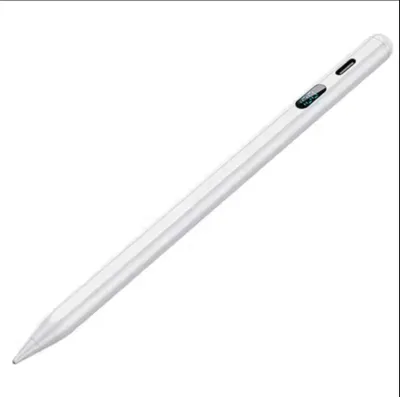
Stylus Touch Screen with Magnetic Absorption Inclined Pressure Digital Pen
$12.00 - $15.00
MOQ: 10 Pieces


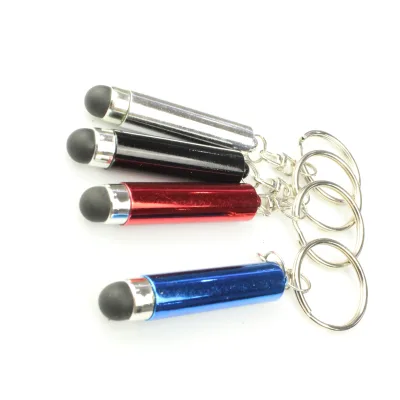
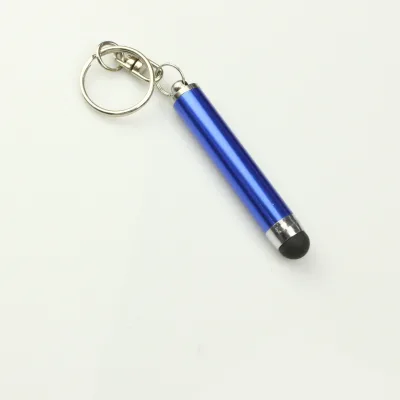
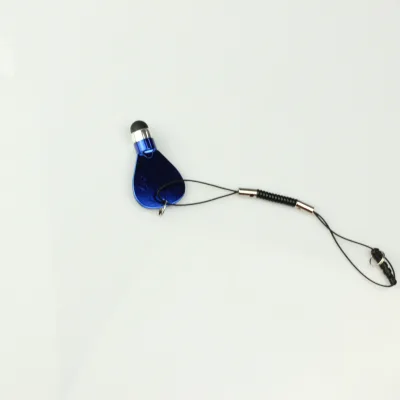
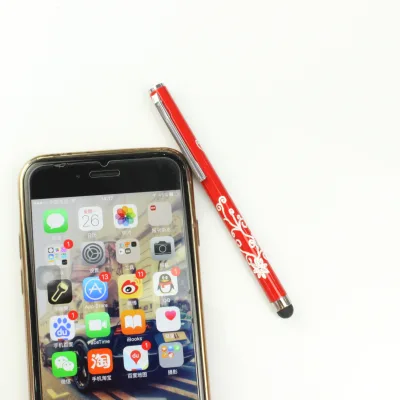
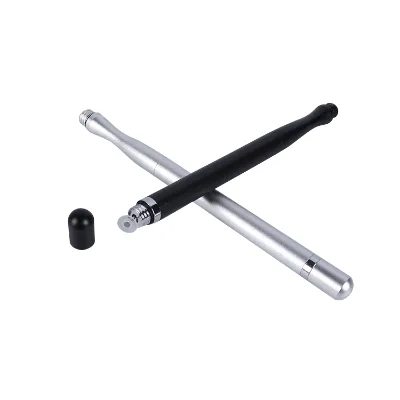
Retractable Multi Colors Cheap Metal Touch Screen Pen Stylus,cool Touch Stylus Pen
$1.33 - $2.33
MOQ: 30000 pieces
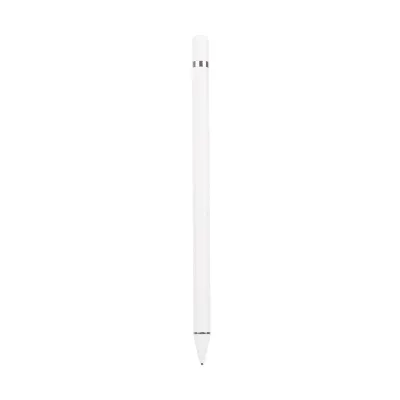
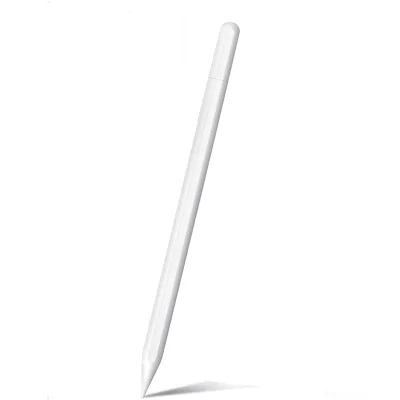


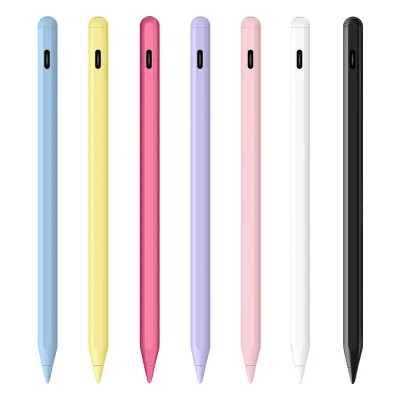

Metal Stylus Ballpoint Pen with Logo Best Quality Stylus Touch Screen Pen
$0.24 - $0.27
MOQ: 500 Pieces


Promotional Multi Function Mobile Phone Stand Touch Pen with Screen Stylus
$0.25 - $0.35
MOQ: 1000 Pieces

Comprehensive Sourcing Guide
Magnetic Touch Screen Stylus Sourcing Guide
Sourcing magnetic touch screen styluses requires a careful balance between functional compatibility, aesthetic customization, and supply chain reliability. These devices serve as essential peripherals for modern mobile and computing ecosystems, enabling precise input on capacitive screens where bare fingers lack the necessary resolution. Buyers must navigate a market characterized by significant variation in build quality, connectivity protocols, and regional compliance requirements. The following guide outlines the critical verification steps and commercial considerations necessary to secure a reliable supply of these accessories while mitigating procurement risks.
Product Scope and Observed Listing Signals
The current market landscape for magnetic styluses reveals a diverse array of product configurations, ranging from basic passive capacitive tips to active styluses with advanced features. Observed listings indicate a wide price range, typically spanning from $0.12 to $22.99 USD, which reflects the disparity between simple plastic keychain-style tools and sophisticated active pens with pressure sensitivity. Minimum Order Quantities (MOQs) vary drastically, starting from as low as 50 pieces for custom-branded items up to 30,000 pieces for bulk commodity orders. This variance suggests that buyers should align their order volume with their specific branding needs and inventory turnover rates to optimize unit costs.
Product attributes observed in the market highlight several key customization options that buyers frequently request. Many suppliers offer customized logos and retail packaging, allowing brands to maintain a cohesive product identity. The primary usage scenarios identified include compatibility with mobile phones, tablets, and laptops, with specific models designed for devices like iPads and iPhones. Additionally, some products are marketed with specific functional claims, such as "touch screen + write" capabilities or replaceable nibs, which are critical differentiators for professional users. Buyers must verify these functional claims against their target device specifications to ensure seamless integration.
Technical Specifications to Verify
Technical verification begins with understanding the physical and operational specifications of the stylus. Common model identifiers observed in listings include BP20 Pro, BP17, and generic designations like "pencil" or "L-enovo Touchpen." Physical dimensions vary significantly, with some compact models measuring approximately 5 cm in length, while others, such as the BP17, have larger footprints around 1668935mm. Buyers should request detailed dimensional drawings and weight specifications, as some products are listed with weights around 200g, which may impact portability and user comfort during extended use.
Connectivity and power mechanisms are critical technical differentiators. While some styluses are passive and require no power, others are active devices that may require charging or battery replacement. The observed data mentions "Charging Active Stylus Pen" styles, implying the need for charging ports or wireless charging compatibility. Buyers must confirm whether the stylus uses Bluetooth for advanced features like palm rejection or if it relies on a universal capacitive tip. Additionally, material composition, often cited as ABS, metal, and rubber combinations, affects durability and grip. Verifying the presence of replaceable nibs is also essential, as this impacts long-term maintenance costs and user experience.
Compliance and Safety Documentation
Regulatory compliance is a non-negotiable aspect of importing electronic accessories, particularly those that may interact with power sources or contain batteries. The observed market data indicates that many suppliers provide a suite of certifications, including CE, FCC, RoHS, CCC, SAA, PSE, and GS. These certifications vary by region, with CE and FCC being essential for European and North American markets, respectively, while CCC is required for China. Buyers must ensure that the specific model they intend to purchase holds the relevant certifications for their destination market, as missing documentation can lead to customs delays or product recalls.
Safety standards also extend to packaging and material safety. RoHS certification, frequently observed in the listings, ensures that the product is free from specific hazardous substances, which is crucial for environmental compliance and consumer safety. Additionally, the mention of "Safe Packaging" and "1:1 Original Package" suggests that suppliers are aware of the need to protect delicate electronic components during transit. Buyers should request copies of these certificates and verify their validity with the issuing bodies. It is also important to confirm that the materials used, such as ABS plastic and rubber, meet local safety standards for consumer electronics.
Cost Drivers and Commercial Terms
Pricing for magnetic styluses is influenced by several factors, including customization, volume, and technical complexity. The observed price range of $0.12 to $22.99 USD highlights the impact of these variables. Basic passive styluses are available at the lower end of the spectrum, while active styluses with advanced features command higher prices. Customization options, such as logo printing and retail packaging, often incur additional setup fees or higher unit costs, especially for smaller order quantities. Buyers should negotiate tiered pricing structures that reward larger volumes while keeping initial MOQs manageable for market testing.
Commercial terms and payment methods also play a significant role in the procurement process. Observed payment terms include TT (Telegraphic Transfer), Western Union, and online payment platforms, with some suppliers requiring a 30% deposit and 70% balance before shipment. Lead times vary, with some suppliers offering rapid delivery within 1-3 days, while others cite 7-9 work days. Shipping methods such as DHL, UPS, FedEx, and EMS are commonly used, with shipping times typically ranging from 5-7 days. Buyers should clarify all-inclusive costs, including shipping and handling, to avoid unexpected expenses. Understanding the payment structure and lead times is essential for cash flow management and inventory planning.
Supplier Qualification and Quality Control
Supplier qualification is critical to ensuring consistent product quality and reliable delivery. Buyers should verify the supplier's location, with many observed listings indicating origins in Zhejiang, China, a hub for electronics manufacturing. Assessing the supplier's production capacity and quality control processes is essential. Buyers should request samples to evaluate build quality, functionality, and packaging integrity before committing to large orders. Additionally, verifying the supplier's ability to meet specific customization requirements, such as logo placement and packaging design, is crucial for brand alignment.
Quality control measures should be established early in the procurement process. Buyers should define clear acceptance criteria for product defects, such as nib wear, connectivity issues, or packaging damage. Implementing a pre-shipment inspection protocol can help identify and rectify issues before goods leave the factory. Buyers should also inquire about the supplier's warranty and return policies for defective products. Establishing a strong relationship with the supplier through clear communication and mutual expectations can lead to better support and more favorable terms over time.
Long-Term Procurement Checks
Long-term procurement success depends on continuous monitoring of supplier performance and market trends. Buyers should regularly review supplier delivery times, product quality, and responsiveness to issues. Tracking key performance indicators (KPIs) such as on-time delivery rate and defect rate can help identify potential problems early. Additionally, staying informed about technological advancements in stylus technology, such as improved pressure sensitivity or new connectivity standards, is essential for maintaining a competitive edge. Buyers should periodically reassess their supplier base to ensure they are getting the best value and quality.
Sustainability and regulatory changes are also important long-term considerations. As environmental regulations become stricter, buyers should prioritize suppliers who demonstrate a commitment to sustainable practices, such as using recyclable materials and obtaining relevant environmental certifications. Regularly updating compliance documentation and staying informed about changes in import regulations can help avoid disruptions. By maintaining a proactive approach to supplier management and market analysis, buyers can ensure a stable and efficient supply chain for magnetic touch screen styluses.
FAQs
What certifications are available for Magnetic Touch Screen Stylus products?
Available certifications include SAA, PSE, CE, FCC, CCC, RoHS, and GS. These vary by specific model and supplier. Buyers should verify the exact certification list for their target market before ordering. Ensure the supplier provides valid documentation for each required standard to meet regional compliance regulations.
Can I customize the logo on the Magnetic Touch Screen Stylus?
Yes, customized logos are available for these products. Suppliers offer branding options to meet specific business requirements. This service allows for unique product identification. Buyers should confirm customization details and any associated costs with the supplier prior to placing the order.
What is the typical lead time for Magnetic Touch Screen Stylus orders?
Lead times typically range from 1 to 9 work days depending on the supplier and order specifics. Some sources indicate 1-3 days, while others suggest 3-4 or 7-9 work days. Delivery time may also be affected by shipping method. Confirm the exact timeline with your chosen supplier.
Which payment terms are accepted for Magnetic Touch Screen Stylus purchases?
Accepted payment methods include TT, Western Union, Mic Online Payment, Bank Transfer, Alipay, WeChat, and Made-in-China Pay. Some suppliers require a 30% deposit with a 70% balance. Choose the method that best suits your financial workflow and verify terms with the supplier before transaction.
What is the minimum order quantity for Magnetic Touch Screen Stylus?
MOQs range from 1 to 30,000 pieces depending on the supplier and product type. Some vendors specify an MOQ of 50 pieces. Others may accept single units. Check the specific MOQ requirements for the model you intend to purchase to ensure it aligns with your inventory needs.
How are Magnetic Touch Screen Stylus products packaged for shipping?
Products are typically packed in retail boxes, which are then placed into cartons. Some items use original package replicas or safe packaging methods. Standard packing dimensions vary, such as 10x10x10 cm or 11x1x1 cm. Verify the packaging details to ensure product protection during transit.