Source Handheld Magnifier for Design, Inspection, Assembly
Compare 30 Magnifier listings from verified suppliers with options for OEM customization and varying magnification levels. Buyers can evaluate specifications like lens diameter, battery type, and folding designs for design, inspection, and precision assembly tasks.
Key considerations
Products List


Comprehensive Sourcing Guide
Strategic Sourcing Guide for Handheld Magnifiers
Understanding Technical Specifications and Optical Performance
When sourcing handheld magnifiers for B2B procurement, the primary focus must remain on the precise optical specifications that define the tool's utility. The market offers a diverse range of configurations, from simple single-lens units to complex multi-magnification systems. A critical observation from current product data indicates that magnification capabilities vary significantly, with specific models offering ranges such as 4x for large lenses and up to 30x for smaller lenses. Other configurations in the supply chain demonstrate a broader spectrum, citing magnification ranges from 10x to 100x, or even exceeding 100x for specialized inspection tasks. Buyers must verify the specific magnification tier required for their application, as a unit designed for general design review may not suffice for precision assembly requiring 100x magnification.
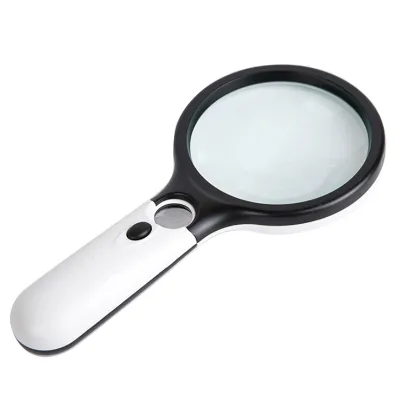
The physical dimensions of the lens are equally critical. Data points reveal lens diameters of 90mm, which are often paired with smaller 22mm auxiliary lenses to achieve variable magnification. The overall product size is also a key constraint; some units measure 210x11x35mm, while others are packaged in single boxes measuring 10x12x18cm. The weight of the unit impacts operator fatigue during extended use. Observed product weights, including packaging, can reach approximately 183g, while single gross weights are often standardized around 1.0kg. The type of lens material is another technical differentiator; while some specifications list glass as the mirror material, others reference a Fresnel lens principle, which offers a lightweight alternative to traditional glass optics. Procurement teams should explicitly request the lens material and diameter for every quote to ensure the optical performance matches the intended inspection depth and field of view.
Compliance, Certification, and Safety Standards
In the realm of B2B procurement, compliance is not merely a formality but a prerequisite for market entry and operational safety. When evaluating suppliers, buyers must scrutinize the certification status of the magnifiers. The available data indicates that certain products adhere to CE and FCC standards, which are essential for electronic components and safety in various international markets. However, not all listings explicitly confirm these certifications. For instance, while some model numbers are associated with CE and FCC compliance, others do not list specific standards. Buyers should not assume that a product listing implies full compliance without explicit documentation.
The origin of the product plays a significant role in the compliance landscape. Many suppliers list their place of origin as Zhejiang, China, or Chongqing, China. While these regions are major manufacturing hubs, the specific factory's adherence to international safety protocols must be verified. The presence of LED lighting in these magnifiers introduces electrical safety considerations. Specifications mention soft LED configurations, such as 2 LEDs of 5mm or 1 LED of 3mm. These components must meet voltage and current safety standards to prevent overheating or electrical hazards. Buyers should request a Declaration of Conformity (DoC) or test reports from third-party laboratories to validate CE and FCC claims before finalizing any order. Relying solely on the supplier's self-declaration without independent verification introduces unnecessary risk into the supply chain.
Cost Drivers and Pricing Dynamics
The pricing structure for handheld magnifiers is influenced by a complex interplay of factors, including magnification power, lens material, and the inclusion of electronic features like LED lighting. The observed price range in the market is extensive, spanning from $1.74 to $2,450. This wide disparity suggests that the market is segmented into low-cost, general-purpose tools and high-end, specialized inspection instruments. The lower end of the spectrum likely corresponds to basic single-lens units with standard magnification, while the higher end may involve complex multi-lens systems, high-precision glass optics, or specialized industrial-grade models.
Minimum Order Quantity (MOQ) is another significant cost driver. The observed MOQ ranges from 1 unit to 2,000 units. Suppliers offering an MOQ of 1 are typically catering to sample requests or small-batch procurement, which often carries a higher per-unit cost. Conversely, suppliers requiring an MOQ of 2,000 units are likely targeting bulk industrial buyers, offering economies of scale that reduce the unit price. The packaging method also affects cost; products are often sold in color boxes or cartons, with specific carton sizes like 45x36.5x63.5cm noted in the data. Bulk packaging in large cartons, such as those containing 100 pieces per carton, can significantly reduce logistics costs per unit. Buyers must balance the trade-off between a lower MOQ and a higher unit price against the benefits of bulk purchasing, considering their inventory capacity and cash flow constraints.
Typical Applications and Usage Scenarios
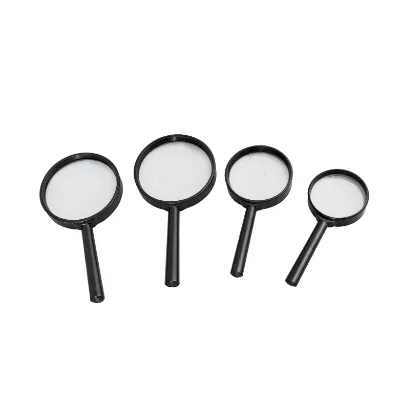
Handheld magnifiers serve a variety of critical functions across different industries. The primary usage categories identified include design, inspection, and precision assembly. In the design sector, magnifiers assist in reviewing detailed blueprints or prototypes. For inspection tasks, they are vital for quality control processes where visual defects must be identified quickly. Precision assembly applications require high magnification, often in the range of 10x to 100x, to ensure that small components are correctly fitted. The versatility of these tools is further enhanced by their portability; many models are designed as handle-type or folding-type units, making them suitable for outdoor portable use or mobile inspection teams.
The specific features of the Magnifier must align with the application. For instance, units with LED lighting are essential for environments with poor ambient light, such as inside machinery or during night shifts. The "Soft" LED specifications mentioned in the data suggest adjustable or specific lighting configurations that can be tailored to reduce glare. Additionally, the shape of the lens, whether single-lens or multi-lens, impacts the user experience. Single-lens models offer a straightforward viewing experience, while multi-lens systems provide variable magnification without changing tools. Buyers should map their specific operational needs to these features to avoid purchasing over-engineered or under-spec'd equipment.
Supplier Evaluation and Customization Capabilities
Evaluating suppliers requires a deep dive into their customization capabilities and brand identity. The market shows a mix of established brands like HongBong and WUFAN, alongside OEM providers such as Dontop. The availability of OEM support is a key indicator of a supplier's flexibility. Many suppliers explicitly state that they support OEM customization, allowing buyers to brand the product with their own logo or specifications. Pattern customization is also available, though it is often noted as "to be negotiated," indicating that these services may come with additional costs or minimum volume requirements.
When assessing suppliers, buyers should verify the model numbers and product codes to ensure consistency. For example, models like MG6903AB, 8039-8-#0696, and 8079-2-#9270 represent specific configurations. A supplier offering a wide range of model numbers may have a more robust manufacturing capability. However, buyers must be cautious of inconsistent data, such as varying magnification claims for similar models. The "Small Orders Accepted" attribute suggests that some suppliers are flexible with order sizes, which is beneficial for startups or companies testing new product lines. Buyers should prioritize suppliers who provide clear, consistent technical data and are transparent about their customization limits.
Quality Control and Long-Term Procurement Considerations
Quality control is paramount when sourcing optical instruments. The absence of stereoscopic effect in some models, as noted in the data, is a specific technical characteristic that must be confirmed to ensure it meets the user's needs. Buyers should implement a rigorous quality control protocol that includes visual inspection of the lens for scratches or imperfections and testing the LED functionality. The durability of the handle and the folding mechanism in handle-type or folding-type units should also be tested for repeated use.
Long-term procurement considerations involve the stability of the supply chain and the availability of spare parts. The origin of the product, whether from Zhejiang, Chongqing, or other regions in China, can influence lead times and logistics. Buyers should establish clear communication channels with suppliers regarding lead times, which are not explicitly defined in the provided data but are critical for inventory planning. Additionally, the packaging standards, such as the use of color boxes or cartons, should be consistent to prevent damage during transit. Establishing a long-term relationship with a supplier who can maintain consistent quality and offer reliable customization support will ensure a steady supply of high-quality magnifiers for ongoing business operations.
Comparative Analysis of Product Attributes
To facilitate informed decision-making, the following table summarizes key attributes observed in the market, highlighting the variability buyers must navigate.
| Attribute | Observed Range/Options | Procurement Implication |
|---|---|---|
| Magnification | 4x-30x, 10x-100x, >100x, <50x | Must match specific inspection depth requirements. |
| Lens Diameter | 22mm, 90mm | Larger lenses offer wider fields of view; smaller offer higher power. |
| Lens Material | Glass, Fresnel Lens | Glass offers clarity; Fresnel offers weight savings. |
| Power Source | 3AAA Batteries | Verify battery inclusion and replacement availability. |
| Lighting | 1LED, 2LED (various sizes) | Essential for low-light environments; check brightness specs. |
| MOQ | 1 to 2,000 units | Determines initial investment and inventory strategy. |
| Customization | OEM, Pattern, Branding | Available but often requires negotiation and volume thresholds. |
| Certifications | CE, FCC (variable) | Verify documentation for each specific model and batch. |
This comparative analysis underscores the necessity of detailed specification checks. The wide range of options means that a "one-size-fits-all" approach is ineffective. Buyers must define their exact requirements regarding magnification, lens type, and power before engaging with suppliers to ensure they receive accurate quotes and products that meet their operational standards. By adhering to these rigorous evaluation criteria, procurement teams can secure high-quality magnifiers that enhance productivity and precision in their respective industries.
FAQs
What magnification ranges are available for handheld magnifiers?
Magnification ranges vary significantly, with some models offering 4x to 30x while others provide 10x to 100x or even above 100x. Buyers must verify the specific tier required for their application, as general design review tools may not suffice for precision assembly tasks needing higher power.
Which lens materials are commonly used in these optical instruments?
Specifications indicate the use of both glass and Fresnel lens materials for mirror surfaces. Glass offers clarity, whereas Fresnel lenses provide a lightweight alternative, and procurement teams should explicitly request the material to ensure optical performance matches inspection depth requirements.
Can suppliers offer OEM customization for brand and pattern?
Yes, many suppliers support OEM customization for branding and pattern design, though pattern customization is often noted as negotiable. Buyers should verify specific model numbers and confirm volume thresholds or additional costs associated with these flexible manufacturing capabilities before finalizing orders.
What certifications are typically associated with these electronic magnifiers?
Certain products adhere to CE and FCC standards, which are essential for electronic components and safety in international markets. However, not all listings explicitly confirm these certifications, so buyers should request a Declaration of Conformity or test reports to validate compliance before purchasing.
How does the minimum order quantity affect pricing and procurement?
The minimum order quantity ranges from 1 to 2,000 units, directly influencing unit costs and inventory strategy. Lower MOQs often carry higher per-unit prices for samples, while bulk orders of 2,000 units target industrial buyers with economies of scale that reduce the overall cost per item.
What power sources and lighting features do these magnifiers use?
Most units operate on 3AAA batteries and include LED lighting features like 1 or 2 LEDs of varying sizes. These components must meet safety standards to prevent overheating, and specifications should be checked to ensure brightness and configuration suit low-light inspection environments.