Source Manual Commercial Rowing Machine for Gymnasium, Park, Community
Find 30 listings for the Manual Commercial Rowing Machine suitable for gymnasium, park, and community use. Buyers can compare specifications like tube thickness, machine size, and counterweight capacity to select the right equipment for their facility.
Key considerations
Products List


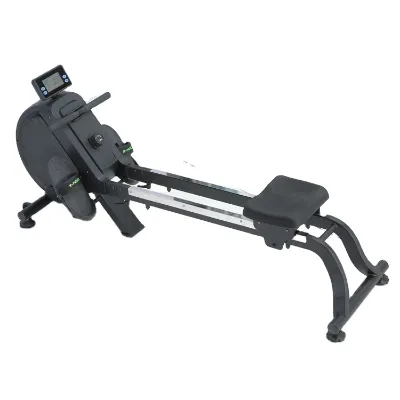
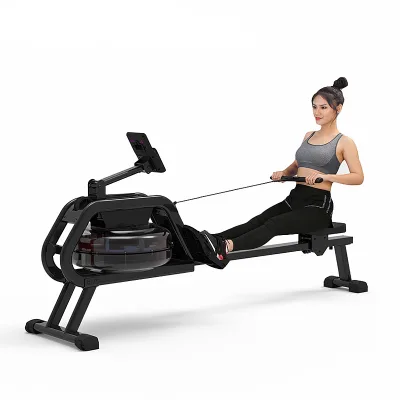
Commercial Professional Fitness Equipment with Function Rowing Machine
$365.00 - $430.00
MOQ: 5 Pieces


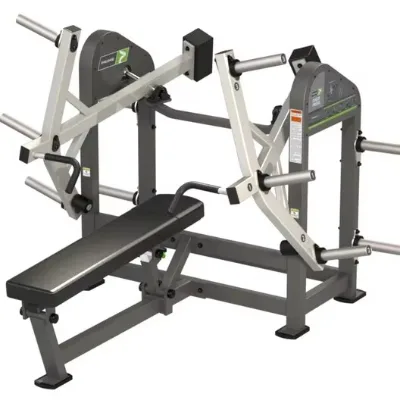


Hot-Selling High Durability Fitness Running Machine for Indoor Running
$550.00 - $590.00
MOQ: 1 Pieces






Comprehensive Sourcing Guide
Strategic Sourcing Guide for Manual Commercial Rowing Machines
The global market for commercial fitness equipment continues to evolve, with a distinct segment dedicated to manual rowing machines designed for high-traffic environments. Unlike motorized cardio equipment, manual rowing machines rely entirely on user-generated resistance, offering a distinct value proposition for gyms, community centers, and rehabilitation facilities seeking durable, low-maintenance solutions. For procurement professionals, sourcing these units requires a nuanced understanding of technical specifications, compliance frameworks, and the specific operational demands of commercial settings. This guide outlines the critical factors for evaluating manual commercial rowing machines, ensuring that buyers can make informed decisions based on verified product attributes and industry standards.
Technical Specifications and Mechanical Integrity
When evaluating manual commercial rowing machines, the primary focus must be on the mechanical construction and the materials used to ensure longevity under heavy usage. The core structural component of these units is typically steel, a material selected for its high tensile strength and resistance to deformation. In the observed product data, specific tube thicknesses of 2.5 mm have been identified as a standard for robust commercial-grade frames. This dimension is critical; thinner tubing may compromise stability during high-intensity rowing sessions, while thicker tubing adds unnecessary weight and cost. Buyers should verify that the frame construction utilizes steel tubing that meets or exceeds this thickness standard to guarantee safety and durability.
The physical dimensions of the machine are equally significant for space planning and user accessibility. Commercial rowing machines often come in various configurations, with machine sizes ranging from approximately 1050 mm in width to over 1700 mm in length. Specific models observed in the market feature dimensions such as 170014001200 mm or 172714481651 mm. These variations dictate the floor space required for installation. Procurement teams must calculate the footprint of the equipment, including the necessary clearance for the user's rowing motion, to ensure the equipment fits within the designated area of a gymnasium or community center. The standard product size of 1320 x 860 x 1800 mm represents another common configuration that buyers should consider when comparing different suppliers.
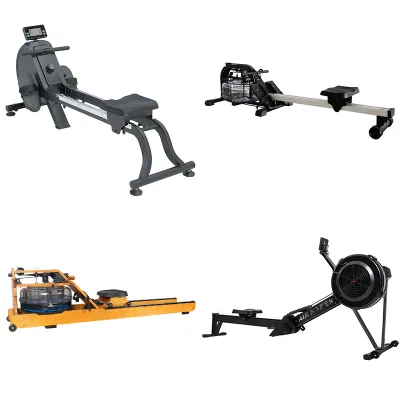
Resistance mechanisms in manual rowing machines are a key differentiator. While some units utilize air resistance, others rely on magnetic or friction systems. A notable attribute in the current market is the inclusion of counterweights, with specific units featuring a 138 kg counterweight system. This heavy counterweight ensures smooth resistance transitions and stability during the rowing stroke. Buyers should inquire about the specific resistance mechanism and verify if the counterweight system is integrated into the frame or operates as a separate component. The weight of the machine itself, often referred to as the Net Weight (N.G), is another critical specification. Observed data indicates a net weight of 263 kg for certain models, which is a strong indicator of the machine's stability and build quality. A heavier unit is generally less prone to tipping or shifting during vigorous use, a common requirement in commercial environments.
Compliance, Certification, and Safety Standards
In the commercial fitness sector, regulatory compliance is not merely a formality but a prerequisite for liability protection and operational safety. When sourcing manual rowing machines, buyers must prioritize suppliers who can provide verifiable documentation of product certifications. The most prevalent certifications observed in the market include CE (Conformité Européenne) and ISO standards. The CE mark indicates that the product meets EU safety, health, and environmental requirements, which is essential for importing goods into European markets. Similarly, ISO certifications, such as ISO 9001 for quality management or specific product safety standards, provide assurance that the manufacturing process adheres to international benchmarks.
It is important to note that while ISO 9001 is a widely recognized standard for quality management systems, it does not guarantee the safety of the specific product itself. Buyers should look for specific product safety certifications rather than relying solely on general management system certifications. The observed product data explicitly lists CE and ISO as certifications for several models, suggesting a baseline of compliance. However, procurement teams must verify that these certifications are current and applicable to the specific model being purchased.
Furthermore, the intended application of the machine plays a role in compliance requirements. Commercial rowing machines are designed for "Commercial use," which implies they must withstand higher usage frequencies than residential units. This distinction often necessitates adherence to stricter safety standards regarding load-bearing capacity and structural integrity. Buyers should request test reports or compliance certificates that specifically address the commercial application of the equipment. Additionally, the product origin, often listed as Shandong, China, or simply China, should be cross-referenced with local import regulations. Some regions may have specific requirements for equipment manufactured in certain countries, making it vital to verify the origin and ensure it aligns with local legal frameworks.
Cost Drivers and Pricing Dynamics
Understanding the cost structure of manual commercial rowing machines is essential for budgeting and negotiating effective procurement strategies. The observed price range for these units spans from 35 USD to 878 USD, a significant variance that reflects differences in build quality, brand positioning, and included features. Lower-priced units may utilize thinner steel tubing, simpler resistance mechanisms, or less robust packaging, while higher-priced models often feature enhanced durability, advanced ergonomics, and comprehensive warranty packages.
The Minimum Order Quantity (MOQ) is another critical factor influencing the total cost of ownership. The market data indicates an MOQ range from 1 set to 197 sets. For small gyms or community centers, suppliers offering an MOQ of 1 set provide flexibility, allowing for the purchase of a single unit without the financial burden of bulk inventory. Conversely, large commercial chains or distributors may benefit from suppliers with higher MOQs, which often come with volume discounts. The specific MOQ of 5 sets or 1 set observed in the data suggests that buyers should negotiate based on their specific volume requirements.
Packaging and logistics also contribute to the overall cost. The observed packaging methods include "Mixed Package," "Plywood Box," "Bubble Wrap with Plywood Box," and "Wooden Box." Plywood boxes are generally preferred for commercial equipment as they offer superior protection during international shipping. However, the inclusion of "No Timber" in some packaging descriptions may be relevant for buyers concerned with environmental regulations or specific import restrictions on wood products. Buyers should factor in the cost of specialized packaging, which can add to the final landed cost of the equipment. Additionally, the condition of the product, typically listed as "New," should be verified to ensure that no refurbished or used units are inadvertently included in the order.
Typical Applications and Functional Versatility
Manual commercial rowing machines are designed for a diverse range of applications, making them versatile additions to various facilities. The primary application areas identified in the market include gymnasiums, parks, community centers, and home gyms. This broad applicability is driven by the machine's ability to provide a full-body workout without the need for electricity, making it suitable for outdoor installations or areas with limited power access.
The specific exercise parts targeted by these machines include the chest, arms, back, and legs, offering a comprehensive workout regimen. This multi-muscle engagement is a key selling point for commercial facilities aiming to provide efficient, time-saving training options. The function of the machine is often categorized as "Bodybuilding" or "Single," indicating its focus on specific muscle groups or general fitness. For facilities catering to a wide demographic, the "Unisex" and "Adult" attributes of these machines ensure they are suitable for all users.
The "Folded" attribute, listed as "Unfolded," suggests that these machines are generally designed for permanent installation rather than portability. This is consistent with the commercial nature of the equipment, where stability and durability are prioritized over space-saving features. However, the "Customization" attribute being "Available" allows facilities to tailor the equipment to their specific needs, such as adding custom logos or modifying the color scheme to match the facility's branding. The "Unicolor" option provides a sleek, professional look, while the ability to customize the logo enhances brand visibility within the gym or community center.
Supplier Evaluation and Quality Assurance
Selecting the right supplier is a critical step in the procurement process, requiring a thorough evaluation of the supplier's capabilities, reputation, and quality control measures. Buyers should prioritize suppliers who demonstrate transparency in their product attributes and are willing to provide detailed documentation. The availability of customization options, such as "Customized Logo Available" and "Customized" product attributes, indicates a supplier's flexibility and willingness to meet specific client requirements.
Quality control is paramount when sourcing commercial fitness equipment. Buyers should request information on the supplier's quality assurance processes, including in-house testing and third-party inspections. The observed product attributes, such as the specific tube thickness and machine size, should be verified against the supplier's specifications to ensure consistency. Additionally, the "Condition: New" attribute should be confirmed through pre-shipment inspections to prevent the delivery of damaged or defective units.
The supplier's location, often listed as Shandong, China, or China, can impact lead times and shipping costs. Buyers should consider the logistical implications of sourcing from specific regions and factor in potential delays or additional freight charges. Furthermore, the supplier's ability to provide after-sales support, including spare parts and technical assistance, is crucial for maintaining the equipment's operational status over the long term.
Long-Term Procurement Considerations and Maintenance
Sourcing manual commercial rowing machines is not just a one-time transaction but an investment in long-term operational efficiency. Buyers should consider the maintenance requirements of the equipment, including the frequency of inspections and the availability of replacement parts. The robust construction of these machines, with features like 2.5 mm steel tubing and heavy counterweights, generally implies lower maintenance needs compared to motorized equipment. However, regular lubrication of moving parts and periodic checks for wear and tear are essential to ensure continued performance.
The "Packing: Plywood Boxes" and "prod_packing: Bubble Wrap with Plywood Box" attributes highlight the importance of proper storage and handling. Buyers should ensure that the equipment is stored in a controlled environment to prevent damage from humidity or temperature fluctuations. Additionally, the "Standard: Commercial use" designation suggests that the equipment is designed for high-traffic environments, but proper usage guidelines should be communicated to all staff and members to maximize the equipment's lifespan.
Finally, buyers should consider the scalability of their procurement strategy. As facilities expand or upgrade their equipment, the ability to source additional units with consistent specifications and quality is vital. Suppliers who offer consistent product models, such as the HMS004, DH13, DW500, SH19, and SH48, provide a reliable foundation for long-term procurement planning. By focusing on these key factors, buyers can ensure a successful sourcing experience that meets the demands of their commercial fitness facilities.
FAQs
What certifications do manual commercial rowing machines typically have?
Manual commercial rowing machines typically carry CE and ISO certifications. These marks indicate compliance with European safety standards and international quality management systems, ensuring the equipment meets regulatory requirements for commercial use in gyms and community centers.
How thick is the steel tubing on these commercial machines?
The steel tubing on these commercial machines is typically 2.5 mm thick. This dimension provides the necessary structural integrity to withstand heavy usage in high-traffic environments like gymnasiums and parks without compromising stability during intense rowing sessions.
Can buyers customize the logo on these rowing machines?
Buyers can customize the logo on these rowing machines as customization is available. Suppliers often offer options for customized logos and colors, allowing facilities to align the equipment with their specific branding requirements while maintaining the standard unicolor finish.
What is the minimum order quantity for purchasing these units?
The minimum order quantity for purchasing these units ranges from 1 set to 197 sets depending on the supplier. Some vendors allow single unit purchases for small facilities, while larger commercial chains may require bulk orders to secure volume pricing.
Where are these manual rowing machines manufactured?
These manual rowing machines are manufactured in Shandong, China. The origin is explicitly listed as China in product data, which is a key factor for procurement teams to consider regarding shipping logistics and import regulations for commercial fitness equipment.
How much does a typical Manual Commercial Rowing Machine weigh?
A typical Manual Commercial Rowing Machine weighs approximately 263 kg as net weight. This substantial weight ensures the unit remains stable and does not tip during vigorous use, which is a critical safety feature for commercial applications in gyms.