Source Manual Shoulder Trainer for Home Gym and Park
Compare 30 Manual Shoulder Trainer options for home gyms, commercial facilities, and community parks. Buyers can evaluate steel construction, weight stacks, and customization features to find durable equipment for comprehensive fitness exercises; compare the available evidence and request quotations based on your requirements.
Key considerations
Products List

Heavy Duty Gym Seated Shoulder Press Trainer for Targeted Shoulder Training
$707.00 - $775.00
MOQ: 1 pieces

High-Performance Seated Shoulder Press Trainer for Commercial Gym Shoulder Training
$372.00 - $423.00
MOQ: 1 pieces

Ergonomic Commercial Seated Shoulder Press Trainer for Athletes Shoulder Strength
$372.00 - $423.00
MOQ: 1 pieces

Heavy-Duty Commercial Seated Shoulder Press Trainer for Intense Shoulder Workouts
$372.00 - $423.00
MOQ: 1 pieces

Heavy-Duty Seated Shoulder Press Trainer with Multi-Grip Options for Shoulder Training
$372.00 - $423.00
MOQ: 1 pieces

Ergonomic Design Commercial Seated Shoulder Press Trainer for Shoulder Hypertrophy
$372.00 - $423.00
MOQ: 1 pieces


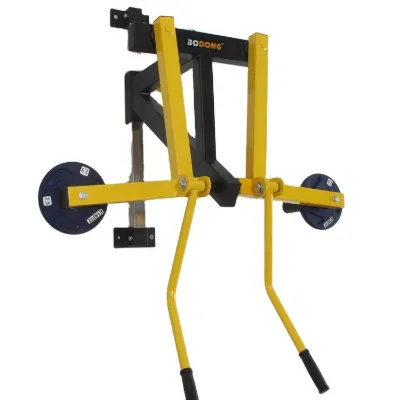


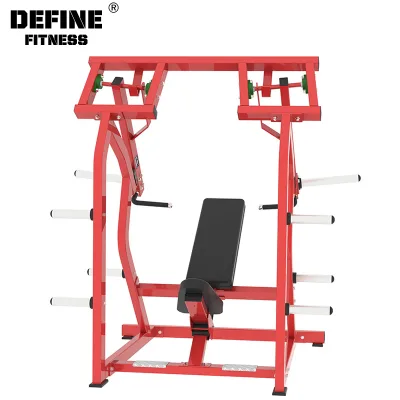
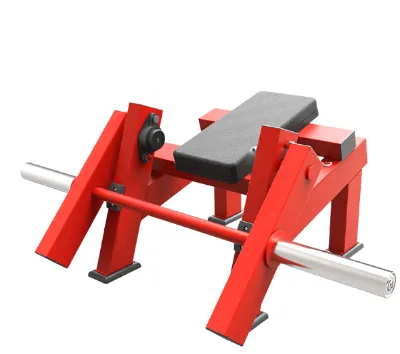


Fitness Exercise Split Shoulder Selection Trainer Types of Gym Equipment
$533.00 - $573.00
MOQ: 1 Pieces


$800.00 - $1200.00
MOQ: 1 Sets

$9.99 - $2999.00
MOQ: 1 Sets


Comprehensive Sourcing Guide
Manual Shoulder Trainer Sourcing Guide
Procuring manual shoulder trainers requires a disciplined approach to verifying technical specifications and commercial terms. Buyers must prioritize evidence-based evaluation over generic marketing claims to ensure the equipment meets facility requirements. The focus should remain on structural integrity, load capacity, and compliance with international safety standards. This guide outlines critical verification steps for B2B procurement teams.
Understanding the specific product scope is essential before initiating supplier negotiations. Manual trainers differ significantly from powered machines in maintenance requirements and user interaction. Buyers should clarify whether the equipment is intended for home use, commercial gyms, or public parks. Each application dictates different durability standards and safety features. Clear definition of usage scenarios prevents costly mismatches between supplied equipment and operational needs.
Product Scope and Observed Listing Signals
Observed listings indicate a diverse range of manual shoulder trainers available in the market. High-confidence data shows materials primarily consist of steel, ensuring robust structural support for heavy loads. The age group is consistently identified as adult, with unisex design principles applicable across various demographics. Customization options are widely available, allowing buyers to specify branding and color preferences. These signals suggest a mature supply chain capable of accommodating specific client requirements.
Applications span home environments, gymnasiums, parks, and community centers. The observed appliance categories confirm versatility across different facility types. Buyers should note that folded status is typically unfolded, indicating permanent installation rather than portable units. Machine weights vary significantly, with observed values ranging from 110kg to 200kg. This variation impacts floor loading requirements and installation logistics. Verifying the exact weight and footprint is crucial for site preparation.
Technical Specifications to Verify
Technical verification must focus on load capacity and structural dimensions. Observed weight stack values include 80kg, which defines the maximum resistance available for users. Machine weights range from 110kg to 200kg, affecting stability and safety during intense exercises. Buyers should confirm the exact weight stack configuration and ensure it aligns with their facility's user profile. Structural dimensions are critical for space planning, with observed standards including 1250x1200x1495MM and 1170x1420x1280MM.
Material thickness and construction quality are key performance indicators. One observed specification lists a thickness of 2.7mm, which suggests a robust steel frame. Painting processes, such as two-layer application, contribute to durability and corrosion resistance. Buyers should request detailed technical drawings and material certifications. Verifying the exercise part, such as chest or shoulder focus, ensures the equipment matches the intended training goals. Functionality descriptions like core muscle and comprehensive fitness exercise should be cross-referenced with actual machine mechanics.
Compliance and Safety Documentation
Compliance documentation is non-negotiable for commercial fitness equipment. Observed certifications include CE and ISO, which are standard requirements for international trade. Buyers must request valid certificates and verify their scope of coverage. Some listings mention RoHS compliance, which is relevant for electronic components, though manual trainers may have fewer electronic parts. Ensuring all applicable safety standards are met protects both the buyer and end-users from liability.
Safety features are explicitly listed as adjustable, durable, and strong. Buyers should verify that these features are substantiated by design specifications and testing protocols. The warranty period is observed as one year, which is a baseline for post-sale support. Buyers should negotiate extended warranty terms if possible. Documentation should include user manuals, maintenance guides, and safety warnings. Clear communication of safety protocols is essential for facility managers and trainers.
Cost Drivers and Commercial Terms
Cost drivers for manual shoulder trainers include material quality, customization, and packaging. Observed packaging methods include wooden boxes and plywood cases, which impact shipping costs and logistics. Buyers should clarify packaging requirements to avoid unexpected expenses. Customization options, such as logo printing via silicone, laser, or heat-transfer methods, may incur additional costs. Understanding the price structure for customized items is crucial for budget planning.
Commercial terms vary based on order volume and supplier policies. Observed MOQ ranges from 1 to 28 units, offering flexibility for small and large orders. Buyers should negotiate terms that align with their procurement strategy. Payment terms and lead times should be clearly defined in the contract. While specific prices are not provided, buyers should request detailed quotations that break down unit costs, shipping, and any additional fees. Transparency in pricing helps in accurate budgeting and comparison.
Supplier Qualification and Quality Control
Supplier qualification involves assessing manufacturing capabilities and quality control processes. Buyers should request samples or visit facilities to verify production standards. Observed origins include China, which is a major hub for fitness equipment manufacturing. Verifying the supplier's experience and track record is essential. Quality control checks should include material testing, load testing, and finish inspection. Buyers should define acceptance criteria and inspection protocols before production begins.
Quality control documentation should include test reports and inspection records. Buyers should request evidence of compliance with specified standards. Regular audits or third-party inspections can provide additional assurance. Suppliers should have a clear process for handling defects and non-conformities. Establishing a strong relationship with the supplier ensures consistent quality and timely delivery. Communication channels should be well-defined for addressing any issues during production.
Long-Term Procurement Checks
Long-term procurement requires ongoing monitoring of supplier performance and product quality. Buyers should establish key performance indicators (KPIs) for delivery, quality, and service. Regular reviews help in identifying areas for improvement. Buyers should maintain a list of approved suppliers and alternate sources to mitigate supply chain risks. Contractual terms should include provisions for price adjustments and volume discounts.
Sustainability and environmental considerations are increasingly important. Observed features include eco-friendly attributes, which align with global sustainability goals. Buyers should verify the environmental impact of materials and manufacturing processes. Long-term partnerships with suppliers who share sustainability values can enhance brand reputation. Continuous engagement with suppliers ensures that both parties remain aligned on quality and service expectations.
FAQs
What is the machine weight for the Manual Shoulder Trainer?
The machine weight varies by model, with observed values of 110kg, 113kg, and 200kg. These weights support commercial use in gyms and parks. Buyers should verify the specific model weight before ordering to ensure the equipment fits their facility requirements and space constraints.
Can I customize the logo on the Manual Shoulder Trainer?
Yes, customization is available for logos using silicone printing, laser design, or heat transfer methods. The product features a customizable logo option for branding purposes. This allows commercial buyers to brand the equipment for their specific gym or community center needs effectively.
Which certifications does the Manual Shoulder Trainer hold?
The equipment holds CE and ISO certifications, with some models also meeting RoHS standards. These certifications ensure safety and compliance for commercial use. Buyers can rely on these standards when sourcing equipment for professional gyms or public community centers requiring verified safety.
How is the Manual Shoulder Trainer packaged for shipping?
Packaging options include wooden boxes and plywood cases to ensure safe transport. The product is shipped as a single item with protective packaging. This robust packaging protects the steel construction during transit to international destinations from the origin in China.
What is the minimum order quantity for the Manual Shoulder Trainer?
The minimum order quantity is one piece for single item sales. This low MOQ allows buyers to test the product before bulk purchasing. It is suitable for small gyms or individual commercial setups looking to acquire a single unit without large inventory commitments.
What is the warranty period for the Manual Shoulder Trainer?
The product comes with a one-year warranty covering manufacturing defects. This warranty applies to the steel construction and functional components. Buyers should review the specific terms to understand coverage for commercial use in gymnasiums or community parks.
Which application areas are suitable for the Manual Shoulder Trainer?
The trainer is designed for home, gymnasium, park, and community applications. It supports comprehensive fitness exercises including core muscle and shoulder training. This versatility makes it ideal for both commercial fitness centers and public recreational spaces requiring durable equipment.