Source Matte Black Cap Glass Bottle for Spirits, Wine, and Beverages
Explore 30 listings for the Matte Black Cap Glass Bottle, comparing capacities from 100ml to 1000ml and customization options like logos and shapes. Buyers can evaluate suppliers offering recyclable glass with various sealing types and delivery times from China.
Key considerations
Products List

Custom Black Matte Glossy Color Spray Glass Bottle 100ml 200ml Glass Bottle
$0.26 - $0.32
MOQ: 1000 Pieces


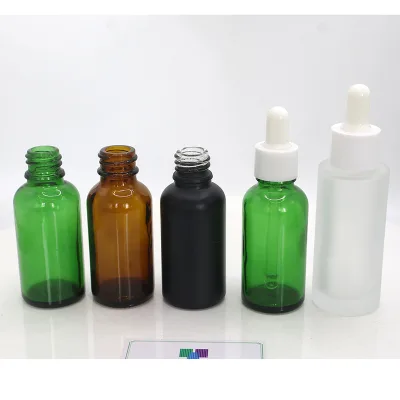


$0.45 - $0.96
MOQ: 10000 Pieces

Comprehensive Sourcing Guide
Strategic Sourcing Guide for Matte Black Cap Glass Bottles
Understanding the Technical Specifications of Black Glass Packaging
When sourcing matte black cap glass bottles, buyers must first establish a clear understanding of the physical and material attributes that define the product category. The core material is glass, a choice driven by its inert properties, which ensure that the contents remain uncontaminated over time. The visual aesthetic is defined by a black color profile, which is often achieved through the addition of iron oxide or other coloring agents during the manufacturing process. This specific coloration provides a premium, opaque appearance that protects light-sensitive beverages from degradation while offering a distinct market presence.
The shape of these bottles varies significantly to accommodate different branding strategies. While round bottles are a standard offering, square bottles and shaped bottles are also available to meet specific design requirements. The capacity range observed in the market spans from 100ml to 450ml, with specific models supporting volumes up to 1000ml. This versatility allows the bottles to be utilized for various product types, including spirits, liquor, and general beverages. The weight of a standard unit is approximately 320g, indicating a robust construction that can withstand standard handling procedures, though the exact weight may vary based on the specific capacity and glass thickness.
Closure systems are a critical technical component. The market offers a variety of sealing types, including cork stoppers, rubber stoppers, and screw caps. The "matte black cap" specified in the search query aligns with the availability of custom caps, which can be tailored to match the bottle's aesthetic. The surface handling of the glass is another key specification, often involving treatments that enhance the finish or prepare the surface for printing. Buyers should verify the specific surface handling techniques used by potential suppliers to ensure the desired texture and durability.
Compliance, Certification, and Material Standards
In the realm of B2B procurement, compliance with international standards is non-negotiable, particularly for products intended for food and beverage contact. While specific certification names are not universally listed in every product description, buyers must verify that the glass manufacturing process adheres to relevant food safety standards. The origin of the glass is predominantly China, with specific production hubs noted in locations such as Qingdao. This geographic concentration suggests a mature supply chain, but it also necessitates rigorous due diligence regarding the specific factory's compliance history.
The product standard is often linked to the specific model number and capacity, such as models designated for 100ml, 200ml, 350ml, 500ml, 750ml, and 1000ml. These standards define the dimensional tolerances and structural integrity required for the bottle to function correctly. For instance, a bottle designed for 750ml must meet specific pressure and volume criteria to ensure it can be sealed and transported without failure. Buyers should request documentation confirming that the glass meets the necessary regulatory requirements for the destination market, whether it be the EU, North America, or Asia.
Recyclability is a significant feature of glass packaging. The material is inherently recyclable, and suppliers often highlight this as a key environmental benefit. However, buyers should verify the specific recycling protocols and the percentage of recycled content used in the manufacturing process if sustainability is a primary procurement goal. The sealing type, whether it be a screw cap or a cork, must also comply with food-grade standards to prevent any leaching of materials into the beverage.
Cost Drivers and Pricing Dynamics
The pricing of matte black cap glass bottles is influenced by a complex interplay of factors, including material costs, customization levels, and order volume. The observed price range in the market is quite broad, spanning from $0.02 to $2.80 per unit. This variance is primarily driven by the capacity of the bottle, the complexity of the shape, and the extent of customization required. A simple 100ml round bottle with a standard cap will naturally be priced at the lower end of the spectrum, whereas a 750ml shaped bottle with a custom matte black cap and specialized surface handling will command a higher price.
Minimum Order Quantity (MOQ) is another critical cost driver. The market exhibits a wide range of MOQs, typically starting from 500 units and extending up to 100,000 units. Specific suppliers may set their MOQ at 1,000 pieces, 6,000 pieces, or even 10,000 pieces. Higher order volumes generally result in a lower unit cost due to economies of scale in production and shipping. Buyers must balance their inventory needs with the financial constraints of the MOQ to optimize their procurement strategy.
Customization is a major factor in cost escalation. The availability of custom logos, custom colors, and custom designs adds layers of complexity to the manufacturing process. While samples are often provided freely to facilitate the design process, the actual production run for custom orders incurs additional tooling and setup costs. The packaging method, whether it is carton-only, pallet-only, or a combination of carton and pallet, also impacts the final cost. Buyers should request a detailed breakdown of costs to understand how much of the price is attributed to the base glass, the cap, the customization, and the packaging.
Typical Applications and Market Usage
The versatility of matte black cap glass bottles makes them suitable for a wide array of applications, primarily within the beverage and spirits industry. The product usage is explicitly listed as beverage, liquor, and food. This broad applicability allows the bottles to be used for premium spirits such as whisky, vodka, and brandy, where the black aesthetic conveys a sense of luxury and exclusivity. The opaque nature of the black glass is particularly beneficial for protecting light-sensitive alcohols from UV degradation, which can alter the flavor profile of the spirit over time.
Beyond spirits, these bottles are also utilized for other high-end beverages and food products. The shape and size variations allow for creative branding opportunities. For example, a square bottle might be chosen for a modern, minimalist brand, while a shaped bottle could be used to create a unique silhouette that stands out on the shelf. The custom logo capability enables brands to imprint their identity directly onto the bottle, enhancing brand recognition and loyalty.
The sealing type also influences the application. Screw caps are often preferred for beverages that require frequent opening and resealing, while cork or rubber stoppers might be chosen for premium spirits that are intended to be opened less frequently. The choice of closure should align with the intended consumer experience and the product's shelf life requirements.
Supplier Evaluation and Selection Criteria
Selecting the right supplier is paramount to ensuring a successful procurement outcome. Buyers should evaluate suppliers based on their production capacity, quality control processes, and ability to meet customization requirements. The observed damage rate of under 0.2% is a strong indicator of a supplier's quality control capabilities, suggesting that they have robust packaging and handling procedures in place. However, buyers should verify this metric independently through audits or sample testing.
Lead time is another critical factor in supplier evaluation. The typical delivery time ranges from 7 to 21 working days, but this can vary based on the complexity of the order and the supplier's current workload. Buyers should confirm the lead time for their specific order to ensure it aligns with their production schedule. Shipping methods, including sea and air freight, offer flexibility depending on the urgency and volume of the order.
The availability of free samples is a significant advantage for buyers. It allows for the physical verification of the product's quality, color, and fit before committing to a large order. Buyers should utilize this opportunity to test the bottles under real-world conditions, including filling, sealing, and storage. Additionally, the supplier's after-sales service, such as the 24-hour support mentioned in some listings, indicates a commitment to customer satisfaction and problem resolution.
Quality Control and Inspection Protocols
Implementing a rigorous quality control (QC) protocol is essential to mitigate risks associated with glass packaging. The primary areas of focus should include dimensional accuracy, visual defects, and sealing integrity. Buyers should verify that the supplier conducts regular inspections during the production process to catch any deviations from the standard specifications. The damage rate of under 0.2% is a benchmark that should be maintained, but buyers should also establish their own acceptance criteria for visual defects such as bubbles, scratches, or color inconsistencies.
Sealing integrity is particularly important for liquid products. The supplier should provide evidence that the bottles are tested for leakage and pressure resistance. The choice of sealing type, whether it be a screw cap, cork, or rubber stopper, must be compatible with the bottle's neck finish to ensure a tight seal. Buyers should request test reports or certificates of analysis that confirm the sealing performance of the bottles.
Packaging is another critical aspect of quality control. The product packing options, including carton, pallet, and combinations thereof, must be designed to protect the bottles during transit. The supplier should demonstrate that their packaging strategy minimizes the risk of breakage and damage. Buyers should inspect the packaging upon receipt to ensure that the bottles arrive in the expected condition.
Long-Term Procurement Considerations and Sustainability
Sourcing matte black cap glass bottles is not just a one-time transaction but a long-term partnership that requires careful planning. Sustainability is a growing concern in the packaging industry, and glass is a material that aligns well with these goals due to its recyclability. Buyers should inquire about the supplier's sustainability practices, including their use of recycled materials and energy-efficient manufacturing processes. The ability to recycle the bottles after use can be a significant selling point for brands committed to environmental responsibility.
Supply chain resilience is another long-term consideration. Buyers should assess the supplier's ability to scale production up or down based on market demand. The wide range of MOQs available in the market suggests that suppliers are flexible, but buyers should confirm this flexibility in their specific contracts. Diversifying the supplier base can also help mitigate risks associated with supply chain disruptions.
Finally, buyers should consider the total cost of ownership, which includes not just the unit price but also the costs associated with shipping, storage, and potential waste. The weight of the bottle, at approximately 320g, impacts shipping costs, and buyers should factor this into their logistics planning. By taking a holistic approach to procurement, buyers can ensure that they secure a reliable supply of high-quality matte black cap glass bottles that meet their brand and operational needs.
Comparative Analysis of Bottle Specifications
To assist buyers in making informed decisions, the following table summarizes the key specifications observed in the market for matte black cap glass bottles. This comparison highlights the variability in capacity, shape, and sealing types, which are critical factors in the selection process.
| Specification Category | Option A (Standard) | Option B (Premium) | Option C (Custom) |
|---|---|---|---|
| Capacity | 100ml - 450ml | 500ml - 750ml | 100ml - 1000ml |
| Shape | Round Bottle | Square Bottle | Shaped Bottle |
| Material | Glass | Glass | Glass |
| Color | Black | Black | Custom Color |
| Sealing Type | Screw Cap | Cork Stopper | Rubber Stopper |
| Cap Type | Custom Cap | Custom Cap | Custom Cap |
| MOQ | 1,000 PCS | 6,000 PCS | 10,000 PCS |
| Delivery Time | 7-21 Days | 7-21 Days | 7-21 Days |
| Origin | China | China, Qingdao | China |
| Recyclable | Yes | Yes | Yes |
This table illustrates that while the core material and color remain consistent, the specific attributes vary significantly based on the buyer's needs. Understanding these differences is crucial for aligning the procurement strategy with the brand's identity and operational requirements.
FAQs
What customization options are available for these bottles?
Customization is available for logos, colors, and designs. Suppliers accept customized logos and support custom designs, allowing brands to tailor the bottle appearance to their specific identity needs while maintaining the black glass aesthetic.
Which capacities are offered for matte black cap glass bottles?
Capacities range from 100ml to 1000ml, with specific models supporting 100ml, 200ml, 350ml, 500ml, 750ml, and 1000ml. This variety allows buyers to select the right volume for spirits, liquor, or general beverage applications.
How long does delivery typically take for these orders?
Delivery time is typically 7 to 21 working days. This lead time applies to standard production runs, though the exact duration may vary based on the order volume and specific customization requirements requested by the buyer.
Can I get free samples before placing a large order?
Yes, samples are provided freely by most suppliers. This allows buyers to verify the quality, color, and fit of the black glass bottle before committing to a full production run based on their specific capacity and sealing needs.
What is the minimum order quantity for these glass bottles?
The minimum order quantity varies between 1,000 and 10,000 pieces depending on the supplier. Some vendors set the MOQ at 1,000 pieces, while others may require 6,000 or 10,000 pieces for specific models or customizations.
Which sealing types are compatible with these black glass bottles?
Compatible sealing types include cork stoppers, rubber stoppers, and screw caps. Buyers can choose the closure that best suits their product, whether it is a premium spirit requiring a cork or a beverage needing a screw cap.
What is the typical damage rate during shipping for these bottles?
The observed damage rate is under 0.2% for these glass bottles. This low rate indicates robust packaging and handling procedures, ensuring that the bottles arrive safely in cartons or on pallets as specified by the supplier.