Find Matt Travertino Sintered Rock Slab for Floors, Walls, Countertops
Source 30 listings of Matt Travertino Sintered Rock Slab suitable for floors, walls, and countertops. Buyers can compare thickness, surface finishes, and sizes ranging from slabs to tiles with varying customization options.
Key considerations
Products List

Big Porcelain Slab White Travertine Sintered Stone Thin Marble Slab for Worktop
$10.00 - $28.00
MOQ: 200 Square Meters


Premium Durable Sintered Stone for Contemporary Interior Design
$22.00 - $30.00
MOQ: 100 Square Meters

Premium Full-Body Sintered Stone Slab Timeless Design, Unmatched Durability
$22.00 - $30.00
MOQ: 100 Square Meters


Premium Sintered Stone Italian Terrazzo, 1200X2700mm, 6mm Thick
$19.00 - $30.00
MOQ: 100 Square Meters


Artificial Imitation Travertine Sintered Stone for Blackground Wall Panel
$20.00 - $30.00
MOQ: 123 Square Meters


Silver Travertine for Slab/Tile Hotel/Floor/Wall Cladding/Panel White/Grey Linear Travertino Stone
$30.00 - $45.00
MOQ: 100 Square Meters


800*2600mm Premium Sintered Stone Sintered Slab for Wall and Floor
$17.72 - $21.26
MOQ: 500 Square Meters


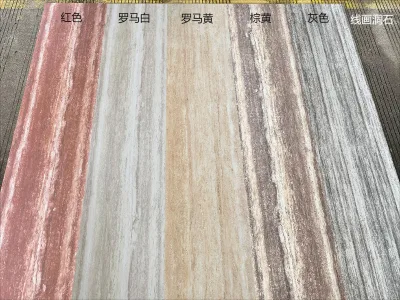
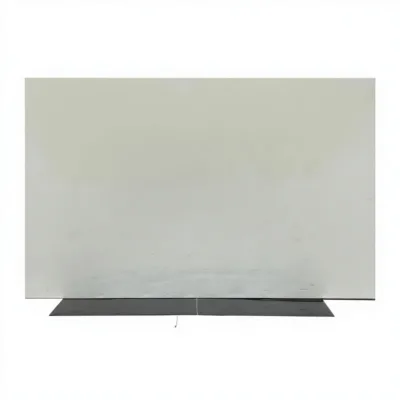

Flexible Stone: Dolomitic Travertine, Eco-Friendly, Waterproof, and Fireproof Material
$4.99 - $7.99
MOQ: 200 Square Meters

Lightweight Milan Travertine Soft Stone with Scratch-Resistance and Easy Installation
$2.99 - $4.99
MOQ: 200 Square Meters


Eco Friendly Travertine Soft Stone Panels for Wall Decoration Use
$7.10 - $8.30
MOQ: 200 Square Meters
Comprehensive Sourcing Guide
Strategic Sourcing Guide for Matt Travertino Sintered Rock Slabs
Understanding Material Composition and Technical Specifications
When sourcing a Matt Travertino Sintered Rock Slab, buyers must first distinguish between natural stone and engineered sintered stone, as the terminology often overlaps in marketing but represents distinct manufacturing processes. The core keyword implies a specific aesthetic—mimicking the porous, earthy texture of travertine—achieved through high-temperature sintering rather than natural geological formation. Based on available industry data, the material composition is fundamentally Sintered Stone, a composite created by compressing natural minerals and fusing them under extreme heat. This process results in a non-porous, highly durable surface that retains the visual appeal of natural stone without the inherent vulnerabilities of the raw material.
The physical dimensions of these slabs are critical for procurement planning. The market typically offers Big Slab formats, with standard dimensions frequently cited as 1600mm x 3200mm or 1200mm x 2700mm. Thickness is a primary differentiator; while some applications utilize thinner profiles, the most common specification for structural integrity in countertop and flooring applications is 12mm. However, the supply chain also supports thinner variants, with observed thicknesses ranging from 3mm to 9mm, and specific listings indicating 6mm options for lighter-duty wall cladding. Buyers must verify the exact thickness tolerance, as variations can impact edge profiling and structural support requirements.
The surface finish is another pivotal specification. While the keyword specifies "matt," the production process allows for various treatments. Data indicates that Polished and Antique finishes are common, alongside Glazed treatments. A "matt" finish in this context often refers to a non-reflective, textured surface that mimics the natural feel of stone, distinct from a high-gloss polish. The hardness of the material is a significant performance metric, with observations suggesting a Mohs Hardness Level ranging from Level 6 to Level 9. This high hardness rating indicates superior resistance to scratching compared to many natural stones, making it suitable for high-traffic commercial environments.
Compliance, Certification, and Quality Standards
Navigating the compliance landscape for sintered stone requires a rigorous verification of certifications and standards. Unlike natural stone, which may rely on geological grading, engineered stone relies on manufacturing quality assurance. The supply chain data highlights several key certifications that buyers should request to ensure product legitimacy. ISO9001 is a fundamental standard for quality management systems, ensuring consistent manufacturing processes. Additionally, CE marking is frequently observed, indicating compliance with European safety, health, and environmental protection requirements, which is essential for projects in the European market.
Beyond general quality management, specific product testing certifications are vital. SGS and TUV are prominent third-party testing organizations whose reports provide independent verification of material properties. The presence of these certifications suggests that the product has undergone rigorous testing for durability, chemical resistance, and safety. Buyers should also look for references to European Quality Standard compliance, which often implies adherence to strict dimensional tolerances and surface finish consistency.
Quality grading is another critical factor. The market data frequently references Grade AAA as the standard for high-quality sintered stone. This grading implies a lack of visual defects, consistent coloration, and optimal structural integrity. However, buyers must be cautious, as "Grade AAA" is a commercial designation rather than a universally standardized technical metric. It is advisable to request specific test reports from SGS or similar bodies to validate the claims of high-grade quality. Furthermore, the ISOColor certification mentioned in some contexts suggests a focus on color stability and fade resistance, a crucial consideration for applications exposed to sunlight.
Cost Drivers and Pricing Dynamics
The pricing of matt travertino sintered rock slabs is influenced by a complex interplay of factors, including material composition, thickness, surface treatment, and order volume. The observed price range in the market spans from $2.99 to $80 per unit, though this wide variance likely reflects differences in slab size, thickness, and the specific supplier's pricing strategy. Thicker slabs (e.g., 12mm) generally command a higher price point than thinner variants (e.g., 3mm or 6mm) due to the increased material usage and structural value.
Minimum Order Quantity (MOQ) is a significant cost driver. The data indicates an MOQ range of 10 to 500 units. Smaller orders may incur a higher per-unit cost due to setup fees and logistics inefficiencies, while larger orders benefit from economies of scale. Buyers should note that custom sizes or specialized surface finishes may increase the base price and potentially raise the MOQ threshold.
Logistics and packaging also contribute to the final landed cost. The standard packaging for these slabs involves Wooden Crates, Wooden Pallets, or Steel Frames with a Frame Rack. Some suppliers offer Fumigated wooden crates to meet international phytosanitary standards, which may add a minor cost premium. The origin of the product, primarily Fujian, Xiamen, and Foshan in China, influences shipping costs. While these regions are major manufacturing hubs, the distance to the buyer's location will impact freight charges. Additionally, the Delivery Time is typically around 15 Days, which affects inventory planning and potential rush order fees.
Typical Applications and Design Integration
The versatility of matt travertino sintered rock slabs makes them suitable for a wide array of applications, spanning both residential and commercial sectors. The primary usage categories identified include Floor, Wall, and Countertop applications. The material's low water absorption rate, observed at ≤0.01%, makes it particularly ideal for wet areas such as Bathrooms and Kitchens, where moisture resistance is paramount. This property also ensures the material is hygienic and resistant to staining, a key requirement for Countertops and Bathroom Vanity Tops.
In commercial settings, the durability of the sintered stone supports its use in high-traffic areas like Schools, Commercial lobbies, and retail spaces. The Italian Design aesthetic often associated with these products allows them to integrate seamlessly into modern, luxury interiors. The Antique or Matt finish provides a sophisticated, non-slip surface that is both visually appealing and functional. The material is also specified for Construction/Decoration projects, indicating its suitability for large-scale architectural facades and interior feature walls.
The customization options available in the market further expand application possibilities. Buyers can request Customized sizes and Edge Processing such as Beveled or Chamfered edges to suit specific design requirements. The ability to perform Cutting, Drilling, Slotting, and Assemblin services allows for complex installations, including integrated sinks or custom shelving units. The Form of the product, typically Big Slab, facilitates seamless installations with minimal grout lines, enhancing the aesthetic continuity of large surfaces.
Supplier Evaluation and Operational Due Diligence
Evaluating potential suppliers requires a systematic approach to verify their capabilities and reliability. The primary production hubs for sintered stone are located in Fujian, Xiamen, and Foshan, China. Buyers should verify the specific origin of the product, as different regions may have varying reputations for quality and consistency. A supplier's Business Range should explicitly include Construction/Decoration to ensure they have the necessary experience and supply chain relationships.
When assessing a supplier, buyers must scrutinize their Production Service capabilities. The ability to offer Cutting, Drilling, Chamfering, Slotting, and Assemblin indicates a vertically integrated operation that can handle complex project requirements. It is essential to confirm that the supplier can provide Customized solutions, as off-the-shelf products may not meet the specific dimensional or aesthetic needs of a project. The Customization availability should be confirmed for both size and finish, ensuring flexibility in the procurement process.
Quality control measures are paramount. Buyers should request evidence of Grade AAA status and verify the presence of ISO9001, CE, SGS, and TUV certifications. These documents serve as proof of the supplier's commitment to quality and compliance. Additionally, the Standard of the product, such as adherence to European Quality Standard, should be verified against the specific requirements of the target market. The Product Packing method, whether Wooden Crates, Steel Frames, or Wooden Pallets, should be evaluated to ensure safe transportation and protection of the fragile slab material.
Quality Control and Long-Term Procurement Considerations
Ensuring long-term value in sintered stone procurement involves rigorous quality control and strategic planning. The Water Absorption rate of ≤0.01% is a critical metric that must be verified through independent testing. This low absorption rate ensures the material will not degrade in humid environments and resists mold and bacterial growth. The Hardness rating, ranging from Mohs Level 6 to Level 9, should be validated to confirm the material's resistance to abrasion and scratching, which is essential for high-traffic areas.
Buyers should also consider the Surface Finish stability. While Polished and Antique finishes are common, the Matt finish specified in the keyword requires specific attention to ensure it does not degrade or become difficult to clean over time. The Glazed treatment, if applicable, should be checked for durability and resistance to chemical cleaners. The Edge Processing options, such as Beveled edges, should be inspected for consistency and smoothness to prevent chipping or injury.
Long-term procurement considerations include the Delivery Time and supply chain reliability. A typical 15 Days lead time should be factored into project schedules, with buffer time for potential delays. The MOQ range of 10 to 500 units suggests that buyers should plan their orders carefully to optimize costs and minimize waste. The Product Origin and Certification status should be monitored regularly to ensure continued compliance with changing international standards. Finally, the Packing method should be designed to prevent damage during transit, with Wooden Crates and Steel Frames being the preferred options for heavy, large-format slabs.
Comparative Analysis of Product Attributes
To facilitate decision-making, the following table summarizes key attributes observed in the market for matt travertino sintered rock slabs. This comparison highlights the variability in specifications and helps buyers identify the most suitable product for their specific needs.
| Attribute | Typical Observation | Verification Requirement |
|---|---|---|
| Material | Sintered Stone | Confirm composition via technical data sheet |
| Thickness | 12mm, 6mm, 3mm, 9mm | Verify tolerance and structural suitability |
| Size | 1600x3200mm, 1200x2700mm | Check for custom size availability |
| Surface Finish | Matt, Polished, Antique | Inspect physical sample for texture |
| Hardness | Mohs 6-9 | Request SGS hardness test report |
| Water Absorption | ≤0.01% | Verify via independent lab testing |
| Certification | ISO9001, CE, SGS, TUV | Validate current certificate status |
| Origin | Fujian, Xiamen, Foshan, China | Confirm factory location and capacity |
| Packing | Wooden Crate, Steel Frame | Ensure fumigation if required for export |
| Lead Time | 15 Days | Confirm current production schedule |
This structured approach ensures that buyers can make informed decisions based on verified data rather than marketing claims. By focusing on technical specifications, compliance, and supplier capabilities, procurement teams can secure high-quality matt travertino sintered rock slabs that meet the rigorous demands of modern construction and design projects.
FAQs
What thickness options are available for matt travertino sintered rock slabs?
The primary thickness is 12mm, but other options include 6mm, 3mm, and 9mm. These variations support different applications ranging from structural countertops to lighter wall cladding projects.
Which certifications verify the quality of these sintered stone slabs?
Products often carry ISO9001, CE, SGS, and TUV certifications. These documents confirm adherence to quality management systems and independent testing for safety and durability standards.
How fast can suppliers deliver orders for these stone slabs?
The standard delivery time is typically 15 days. Buyers should account for this lead time when planning project schedules and inventory replenishment cycles.
Can these slabs be customized for specific project requirements?
Yes, customization is available for sizes, edge processing, and surface finishes. Suppliers offer services like cutting, drilling, and chamfering to meet unique design specifications.
What is the water absorption rate for these sintered stone materials?
The water absorption rate is less than or equal to 0.01 percent. This low rate ensures high resistance to moisture, making the material suitable for bathrooms and kitchens.
Which locations are the primary origins for these sintered stone products?
Major production origins include Fujian, Xiamen, and Foshan in China. These regions serve as key manufacturing hubs for the global supply of sintered stone slabs.