Source Matte Car Wash Brush for Floor, Car, and Window Cleaning
Compare 30 listings for the Matte Car Wash Brush featuring plastic and nylon heads designed for floor, car, and window applications. Buyers can review specifications including model numbers, sizes, and customization options from suppliers in China.
Key considerations
Products List


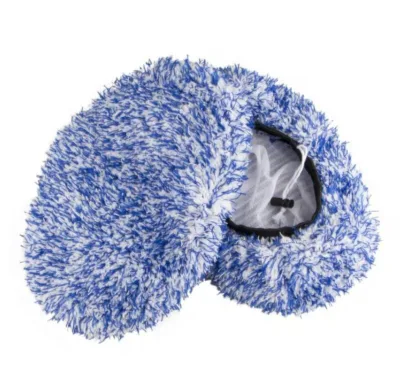


Car Wash Dust Brush Soft Does Not Hurt The Paint
$0.65 - $0.68
MOQ: 500 Pieces
Jiangsu Miaohong Environmental Protection New Material Co., Ltd.


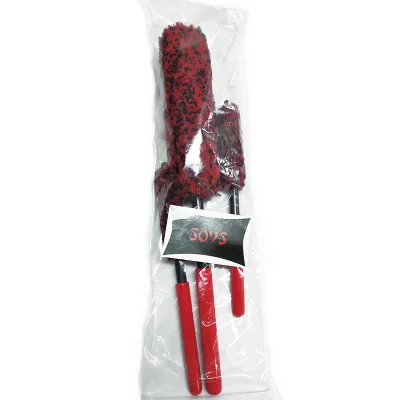


Comprehensive Sourcing Guide
Strategic Sourcing Guide for Matte Car Wash Brushes
Understanding Product Definitions and Material Composition
When sourcing a Matte Car Wash Brush, buyers must first distinguish between the functional category and the specific finish requirements. The term "matte" in this context often refers to the visual finish of the brush handle or the non-reflective nature of the bristles designed to prevent scratching delicate paintwork. Based on available product data, the core construction of these tools typically involves a plastic body for the handle and head, paired with bristles made from nylon or other specialized materials. The observed market data indicates that brush head materials are predominantly plastic or nylon, with some listings specifying "other" materials for specific industrial or heavy-duty applications.
The distinction between a standard scourer and a dedicated car cleaning brush is critical. While some products in the supply chain are categorized broadly as "scourers" with usage extending to floors and windows, a Matte Car Wash Brush is specifically engineered for automotive surfaces. The product attributes highlight that these brushes are designed for car usage, with specific models identified by codes such as AQ-LT03 and AQ-B005. The "matte" characteristic is often a result of the material selection or surface treatment intended to reduce glare and minimize the risk of micro-scratching on painted surfaces. Buyers should verify that the bristle stiffness and density are appropriate for the specific paint finish of the vehicle, as the material composition directly impacts the cleaning efficacy and safety of the wash process.
Technical Specifications and Dimensional Standards
Technical specifications form the backbone of any procurement specification sheet. For matte car wash brushes, dimensions vary significantly based on the intended application, ranging from handheld tools to larger floor or wheel cleaning units. Observed specifications include a size of 30*6cm for the brush head with a handle size of 13cm, which suggests a compact, ergonomic design suitable for detailed cleaning tasks. Other models in the market offer customized sizes, indicating that flexibility in dimensions is a common feature for suppliers catering to specific fleet or detailing requirements.
The model numbers associated with these products, such as FY5145, TC-021, and SK-1749, serve as unique identifiers for manufacturers. These codes often correlate with specific bristle patterns, handle lengths, or head shapes. For instance, the "Wheel Brush" category implies a specialized design for cleaning rims, which may require a different bristle configuration than a general body wash brush. The single package size for some units is recorded as 25X25X25 cm, while others may have a gross weight of 1.900 kg, suggesting variations in packaging density and material volume. Buyers must carefully review these dimensions to ensure compatibility with their storage facilities and shipping logistics. Furthermore, the "Standard" attribute in some listings refers to weight (e.g., 0.4kg) or physical dimensions (e.g., 451010cm), which serves as a benchmark for quality consistency but requires verification against the specific order requirements.
Compliance, Certification, and Safety Verification
Compliance and certification are paramount when sourcing products that come into direct contact with vehicle surfaces and, by extension, the environment. While the provided data includes a low-confidence reference to "reach" certification, buyers should not assume this status applies to all listed products without explicit verification. Reach (Registration, Evaluation, Authorization, and Restriction of Chemicals) is a critical regulation for products containing chemicals, but for a physical tool like a brush, the focus should be on material safety and environmental standards.
Buyers must verify that the plastic and nylon materials used in the brush head and handle are free from harmful substances such as phthalates or heavy metals. The "Eco-Friendly" feature observed in some product listings suggests that certain manufacturers prioritize sustainable materials, but this claim requires third-party validation. Additionally, the "Industrial" grade designation found in the material data implies that some brushes are built for heavy-duty use, which may necessitate different safety protocols compared to consumer-grade detailing tools. It is essential to request material safety data sheets (MSDS) from suppliers to confirm that the materials meet international safety standards. Without concrete certification data in the supply chain, buyers should treat all compliance claims as assertions that require independent verification before finalizing a contract.
Cost Drivers and Pricing Dynamics
The pricing of matte car wash brushes is influenced by a complex interplay of factors, including material costs, customization levels, and order volume. The observed price range in the market spans from $0.25 to $10.01 USD, reflecting the vast difference between basic, bulk-packaged items and specialized, branded units. This wide range indicates that price is not solely a function of the brush's utility but also of its branding, packaging, and specific feature set.
Several key drivers impact the final cost. Customization is a significant factor; while some products are listed as "Non-Customized," others offer "Custom Logo" options and "Customized" branding, which typically incurs additional tooling and setup fees. The "Stocked" feature suggests that ready-to-ship inventory may command a premium over made-to-order items, or conversely, that bulk stock might be available at a lower unit cost. Packaging also plays a role; options range from "in Bulk" to "Plywood" crates and "Carton" boxes, with each method affecting the shipping weight and cost. Furthermore, the origin of the product, primarily from regions like Jiangsu, Hebei, and Anhui in China, influences labor and logistics costs. Buyers should analyze the total landed cost, including shipping and duties, rather than focusing solely on the unit price, as the MOQ (Minimum Order Quantity) ranges from 1 to 10,000 units, significantly impacting the per-unit economics.
Supplier Evaluation and Operational Capabilities
Evaluating suppliers requires a deep dive into their operational capabilities, geographic location, and production flexibility. The supply chain for these brushes is concentrated in specific regions of China, including Jiangsu, Hebei, and Yingkou, Liaoning. Each region may offer different advantages in terms of logistics, labor costs, and specialized manufacturing expertise. For example, suppliers in Liaoning might have stronger ties to industrial-grade manufacturing, while those in Anhui could focus on cost-effective consumer goods.
A critical aspect of supplier evaluation is their ability to handle customization. The data confirms that customization is available, with options for custom logos and sizes. However, the presence of both "Customized" and "Non-Customized" attributes in the same dataset suggests that suppliers may offer varying levels of flexibility. Buyers should assess the supplier's capacity to manage small MOQs versus large volume orders, as the range extends from single items to 10,000 units. The "Single item" selling unit for some products indicates a capability to fulfill sample orders or small retail needs, while "Bulk" packing suggests readiness for large-scale distribution. Additionally, the "Feature: Easily Cleaned" attribute points to a design philosophy that prioritizes maintenance and longevity, which is a strong indicator of a supplier's attention to product quality and user experience.
Quality Control and Performance Verification
Quality control for matte car wash brushes involves rigorous testing of material durability, bristle integrity, and overall construction. The "Feature: Easily Cleaned" attribute suggests that the design should prevent dirt and grime from becoming trapped in the brush head, a common failure point in lower-quality products. Buyers should verify that the bristles are securely attached to the plastic or nylon head to prevent shedding during use, which could damage vehicle paint.
The "Standard" attribute, which in some cases lists specific weights like 0.4kg or dimensions like 740G, serves as a baseline for quality consistency. However, buyers must ensure that these standards are met across the entire production batch. The "Industrial" grade classification implies a higher tolerance for wear and tear, making it suitable for commercial detailing operations. To ensure quality, buyers should request pre-shipment inspections that focus on the structural integrity of the handle, the density of the bristles, and the finish of the matte coating. Testing for abrasion resistance and chemical compatibility with car shampoos is also recommended to confirm that the brush will not degrade or react negatively with cleaning agents over time.
Long-Term Procurement and Strategic Sourcing
Long-term procurement of matte car wash brushes requires a strategic approach that balances cost, quality, and supply chain resilience. Given the variability in product models and specifications, buyers should establish a clear specification sheet that defines the exact requirements for bristle material, handle length, and head size. The availability of "Customized Size" options allows for long-term adaptation to changing market needs or specific client requirements.
Sustainability is another long-term consideration. With "Eco-Friendly" features appearing in the product data, buyers can leverage this trend to differentiate their offerings or meet corporate sustainability goals. Building a relationship with suppliers who prioritize environmental standards can lead to better pricing and priority production slots. Furthermore, the ability to source from multiple regions within China provides a hedge against regional disruptions. Buyers should consider the lead times associated with different packaging methods, such as plywood crates versus cartons, and factor these into their inventory planning. By maintaining a diverse supplier base and continuously monitoring quality metrics, buyers can ensure a steady supply of high-performance matte car wash brushes that meet the evolving demands of the automotive detailing market.
Comparative Analysis of Product Attributes
To facilitate decision-making, the following table summarizes key product attributes observed in the supply chain, highlighting the variations available to buyers.
| Attribute Category | Observed Options | Strategic Implication |
|---|---|---|
| Brush Head Material | Plastic, Nylon, Other | Nylon is preferred for paint safety; Plastic for durability. |
| Product Style | Scourer, Hand, Wheel Brush | "Wheel Brush" indicates specialized rim cleaning; "Hand" for general use. |
| Usage Application | Floor, Car, Window | Verify specific automotive compatibility to avoid surface damage. |
| Customization | Custom Logo, Custom Size, Non-Customized | Customization adds value but increases MOQ and lead time. |
| Packaging | Bulk, Plywood, Carton | Plywood/Carton adds protection but increases shipping weight. |
| Origin Locations | Jiangsu, Hebei, Anhui, Liaoning | Regional specialization may affect lead times and logistics costs. |
| Features | Stocked, Easily Cleaned, Eco-Friendly | "Eco-Friendly" and "Easily Cleaned" are key differentiators for premium tiers. |
| Grade | Industrial | Suitable for high-volume commercial detailing operations. |
This comparative view underscores the need for buyers to align their specific operational needs with the available product attributes. Whether sourcing for a small fleet or a large commercial detailing center, the ability to select the right combination of material, style, and customization is essential for successful procurement.
FAQs
What materials are used for the brush head?
The brush head is typically made of plastic or nylon. Some industrial-grade options may use other materials, but nylon is preferred for paint safety.
Can I request a custom logo on the brush?
Yes, custom logo options are available for many models. This customization allows for branding but may require specific order quantities and lead times.
Which product models are available for car cleaning?
Available models include AQ-LT03, AQ-B005, and FY5145. These models vary in size and application, such as wheel brushes or general car cleaning tools.
How is the product packed for shipment?
Products are packed in bulk, plywood crates, or cartons depending on the order. Packaging choices affect shipping weight and protection during transit.
What is the origin of these cleaning brushes?
Most brushes originate from China, specifically regions like Jiangsu, Hebei, and Anhui. These locations influence labor costs and logistics for international buyers.
Are there eco-friendly options available for purchase?
Some listings feature eco-friendly attributes, suggesting sustainable material usage. Buyers should verify these claims with suppliers to ensure compliance with environmental standards.
What is the minimum order quantity for these items?
The minimum order quantity ranges from 1 to 10,000 units depending on the supplier. Smaller orders allow for samples, while larger orders reduce unit costs.