Source Matte Cream Waterproof Lipstick for Daily Party and Common Makeup
Explore 30 listings for Matte Cream Waterproof Lipstick with customizable options and various certifications. Buyers can compare specifications, lead times, and packaging details from Guangzhou manufacturers to find suitable suppliers for daily makeup, parties, and common occasions.
Key considerations
Products List
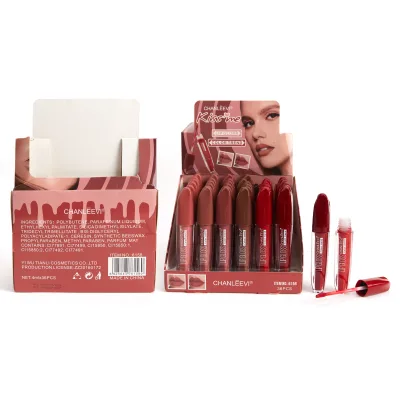
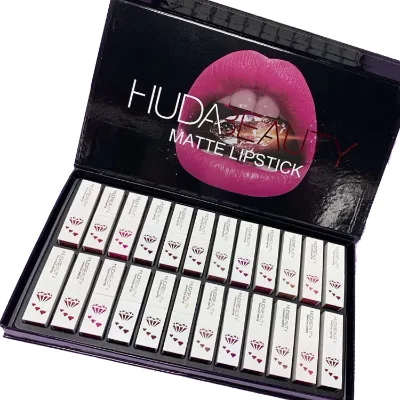
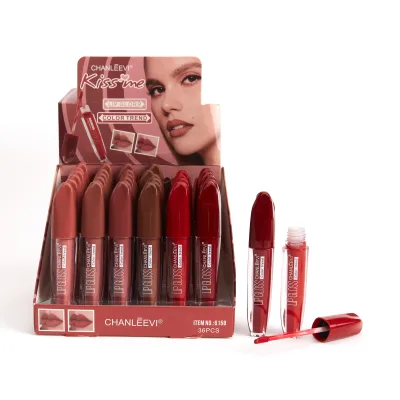
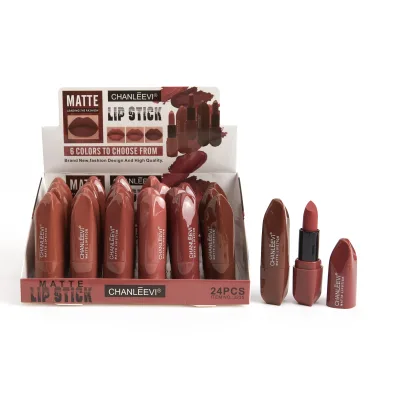
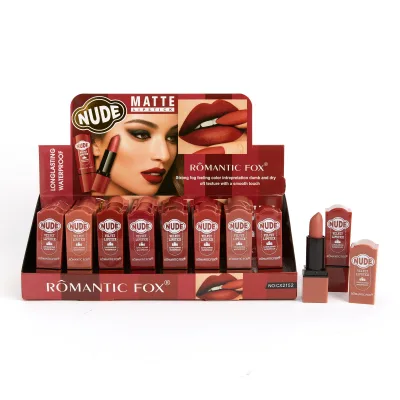


Wooden Lipstick for Cosmetic with Bright Colors Long Lasting Waterproof
$0.10 - $0.12
MOQ: 5000 Pieces


OEM Fashion Waterproof Matte Lipstick Private Label Makeup Cream Lipstick
$1.20 - $1.60
MOQ: 500 pieces


Comprehensive Sourcing Guide
Strategic Sourcing Guide for Matte Cream Waterproof Lipstick Procurement
Understanding Product Specifications and Formulations
When sourcing Matte Cream Waterproof Lipstick, the primary objective is to align the physical and chemical attributes of the product with specific market demands. The supply chain for this category is diverse, characterized by variations in form, ingredient composition, and packaging standards. Buyers must first recognize that "matte cream" describes a specific finish that bridges the gap between traditional matte dryness and creamy hydration, often requiring a precise balance of waxes, oils, and pigments.
The product forms observed in the market range from sticks to liquids, indicating that procurement strategies must be tailored to the specific format required. For stick formats, the standard physical dimensions often vary significantly. Some models adhere to compact dimensions such as 17x130mm or 125mm in length, while others may follow a 4ml volume standard. Conversely, liquid variants or alternative stick models might utilize different sizing conventions, such as 20x20x75mm or 145mm lengths. It is critical for buyers to verify the exact physical specifications of the target model, as a mismatch in size can lead to incompatibility with existing packaging lines or retail display fixtures.
Ingredient composition is another pivotal specification. The market offers products based on chemical formulations, herbal extracts, or mineral-based ingredients. Some listings indicate a combination of mineral, chemical, and herbal components, suggesting a hybrid formulation approach. Buyers should not assume that all matte cream waterproof lipsticks share the same ingredient profile. The presence of specific ingredients like herbal or mineral components often dictates the regulatory pathway and the target demographic, particularly for consumers seeking "clean beauty" or specialized dermatological benefits. The core functionality of these products is consistently identified as waterproof, a feature that must be verified through specific performance testing rather than assumed based on the product name alone.
Compliance and Certification Verification
Navigating the regulatory landscape is essential for importing cosmetics, particularly those intended for lip application. The supply base for Matte Cream Waterproof Lipstick demonstrates a high degree of adherence to international quality management systems. Multiple suppliers in this sector hold certifications including GMPC (Good Manufacturing Practice for Cosmetics), ISO standards, GMP (Good Manufacturing Practice), and FDA registration. These certifications are not merely marketing claims but serve as indicators of a supplier's commitment to hygiene, process control, and product safety.
Specifically, the presence of MSDS (Material Safety Data Sheet) documentation is a critical compliance requirement. This document provides detailed information on the chemical composition, handling procedures, and emergency measures associated with the product ingredients. When evaluating potential suppliers, buyers must request the MSDS to ensure that the chemical components used in the matte cream formulation meet the safety standards of the destination market. Furthermore, the combination of GMPC, ISO, and FDA certifications suggests a robust quality assurance framework, which is particularly important for products claiming to be waterproof and long-lasting, as these claims often rely on specific chemical bonds that must be safely maintained.
Buyers should also verify the specific certification status of the model they intend to source. While some product lines may carry a comprehensive suite of certifications including GMPC, ISO, MSDS, FDA, and GMP, others might only possess a subset, such as MSDS alone. It is imperative to match the certification portfolio of the supplier with the regulatory requirements of the importing country. For instance, if the target market requires FDA registration for cosmetics, the supplier must explicitly demonstrate this status. Relying on a general assumption of compliance can lead to significant delays at customs or product recalls.
Cost Drivers and Pricing Dynamics
The pricing structure for Matte Cream Waterproof Lipstick is influenced by a complex interplay of factors, including customization levels, order volume, and packaging complexity. The observed price range in the market spans from $0.10 to $8.66 USD, a wide variance that reflects differences in formulation quality, brand positioning, and order quantity. This range indicates that buyers can access entry-level products at the lower end of the spectrum while premium formulations with advanced ingredients or specialized packaging command higher prices.
A primary driver of cost is the Minimum Order Quantity (MOQ). The market data shows an MOQ range from 1 unit to 12,000 units. Suppliers offering lower MOQs, such as 1 unit, often charge a premium per unit to cover the administrative and logistical costs of small-batch production. Conversely, bulk orders approaching the 12,000-unit threshold typically benefit from economies of scale, resulting in a significantly lower unit price. Buyers must carefully calculate the total landed cost, which includes the unit price, shipping fees, and any tariffs, to determine the true cost efficiency of a specific order size.
Packaging is another significant cost factor. The supply chain offers various packaging options, ranging from simple cartons to more elaborate "Color Box + Shrink Film" combinations. Customization is available for many products, allowing buyers to tailor the packaging to their brand identity. However, custom packaging often incurs additional setup costs and may increase the MOQ. Buyers should weigh the marketing benefits of custom packaging against the increased unit cost and lead time. Additionally, the choice of ingredients, such as the inclusion of herbal or mineral components, can impact the base cost of the product, as these materials may be more expensive than standard chemical formulations.
Typical Applications and Market Positioning
Matte Cream Waterproof Lipstick serves a versatile role in the cosmetics industry, catering to a wide array of consumer needs and occasions. The product is explicitly designed for "Common Makeup" and is suitable for both "Daily Makeup" and "Party" applications. This dual positioning allows the product to appeal to a broad demographic, from consumers seeking everyday wear to those looking for long-lasting color for special events. The waterproof feature is particularly valuable for applications involving high humidity, physical activity, or long-duration wear, ensuring the lipstick remains intact without smudging or fading.
The specific use case of "Lips" is central to the product's identity, but the formulation's versatility extends to various skin types and preferences. The availability of single-color and multi-colored options further expands the application scope, allowing buyers to stock a diverse range of shades to meet different consumer tastes. The "Long-Lasting" feature, often paired with the waterproof claim, is a key selling point for professional makeup artists and consumers who require reliable performance throughout the day.
Buyers should consider the specific needs of their target market when selecting products. For example, a brand focusing on daily wear might prioritize the "Daily Makeup" aspect and opt for lighter shades with a comfortable matte cream finish. In contrast, a brand targeting the party or event market might focus on the "Long-Lasting" and "Waterproof" attributes, selecting darker or more vibrant shades that can withstand extended wear. The "Suit for" attribute, which includes both daily and party use, suggests that the product is designed to be a versatile staple in a consumer's makeup collection, capable of transitioning from day to night.
Supplier Evaluation and Operational Capabilities
Evaluating suppliers requires a comprehensive assessment of their operational capabilities, including production capacity, lead times, and logistics. The observed lead time for mass production is consistently reported as 25-35 days, a timeframe that buyers must factor into their inventory planning and supply chain strategy. This lead time represents the duration from order confirmation to the completion of manufacturing, excluding shipping time. Buyers should verify if this timeline includes the time required for customization, as custom orders may extend the production schedule.
Logistics and shipment methods are also critical components of supplier evaluation. The market offers a range of shipping options, including Air and Sea freight, as well as express courier services like DHL, EMS, FedEx, and UPS. The choice of shipment method will depend on the urgency of the order, the budget, and the nature of the goods. For time-sensitive orders, express couriers provide faster delivery but at a higher cost. For bulk orders where time is less critical, sea freight offers a more economical solution. Buyers must ensure that the supplier has the necessary infrastructure to handle the selected shipping method and that the packaging is robust enough to protect the product during transit.
The origin of the products is another key factor in supplier evaluation. The majority of the observed products originate from Guangzhou, China, a major hub for cosmetic manufacturing. This location offers access to a well-established supply chain and a high concentration of skilled labor. However, buyers should also consider the potential for diversifying their supplier base to mitigate risks associated with regional disruptions. The presence of multiple product models, such as LS-016, LS-07, LS-004, and various 8000-series models, indicates a robust production capacity and a wide range of options available from suppliers in this region.
Quality Control and Long-Term Procurement Strategy
Implementing a rigorous quality control (QC) protocol is essential for maintaining product integrity and brand reputation. Given the diverse range of ingredients and formulations, buyers should establish clear QC criteria that cover physical attributes, chemical stability, and performance claims. The "Waterproof" and "Long-Lasting" features must be validated through standardized testing to ensure they meet the advertised claims. Buyers should request test reports or samples that demonstrate the product's ability to withstand water exposure and maintain its color over time.
Shelf life is another critical quality parameter. The observed shelf life for these products ranges from 2-3 years to 3 years. Buyers must ensure that the products they source have a sufficient remaining shelf life upon delivery to allow for adequate time in the supply chain and retail environment. The packaging, whether it is a carton or a color box with shrink film, must be designed to protect the product from environmental factors that could degrade its quality over time.
For long-term procurement, buyers should focus on building strong relationships with suppliers who demonstrate consistency in quality and reliability. The availability of customization options allows buyers to differentiate their products in a competitive market. However, customization should be approached with a clear understanding of the impact on lead times and costs. A strategic approach involves starting with standard models to establish a baseline and gradually introducing custom elements as the business grows. By maintaining a focus on quality, compliance, and operational efficiency, buyers can secure a reliable supply of Matte Cream Waterproof Lipstick that meets the evolving needs of their customers.
Comparative Analysis of Product Models
To facilitate informed decision-making, the following table summarizes key specifications and attributes observed across different product models in the market. This comparison highlights the diversity in standards, certifications, and physical dimensions available to buyers.
| Product Model | Standard/Size | Form | Main Ingredient | Certification | Packaging | Origin |
|---|---|---|---|---|---|---|
| LS-016 | 4ml | Stick | Chemical, Herbal | GMPC, ISO, MSDS, GMP | Carton | Guangzhou |
| LS-07 | 4g | Stick | Chemical | GMPC, FDA | Color Box + Shrink Film | China |
| LS-004 | - | Liquid | Mineral, Chemical, Herbal | GMPC, ISO, MSDS, FDA, GMP | - | - |
| TLS-006 | - | - | - | - | - | - |
| LS-014 | - | - | - | - | - | - |
| LS-005 | - | - | - | - | - | - |
| 800008 | 20x20x75mm | - | Mineral, Chemical | - | - | - |
| 800012 | 17x130mm | - | - | - | - | - |
| 800130 | 125mm | - | - | MSDS, GMP, GMPC, ISO | - | - |
| 8001301 | - | - | - | - | - | - |
| 8001302 | 145mm | - | - | MSDS | - | - |
Note: Data is derived from observed product attributes. Not all fields are populated for every model in the source data. Buyers must verify specific details for each model before procurement.
This comparative overview underscores the importance of selecting the right model based on specific project requirements. Whether the priority is a specific ingredient profile, a particular size standard, or a comprehensive certification suite, the market offers a wide array of options to suit diverse procurement needs. By carefully analyzing these specifications, buyers can make strategic decisions that align with their brand values and market objectives.
FAQs
What certifications do Matte Cream Waterproof Lipstick suppliers typically hold?
Suppliers typically hold GMPC, ISO, GMP, and FDA certifications. Some listings also include MSDS documentation to verify chemical safety. Buyers must verify the specific certification portfolio matches their import requirements before ordering.
How long does mass production take for these lipsticks?
Mass production lead time is consistently 25 to 35 days. This duration covers the manufacturing process from order confirmation to completion. Express delivery options like DHL or EMS are available for shipping after production finishes.
Which product specifications are available for Matte Cream Waterproof Lipstick?
Available specifications include stick forms of 4ml or 4g, and liquid forms. Physical dimensions vary by model, such as 17x130mm or 125mm lengths. Buyers should verify the exact model number to ensure compatibility with their packaging lines.
Can buyers customize the packaging for these lipsticks?
Customization is available for packaging and branding. Options range from simple cartons to color boxes with shrink film. Custom orders may affect the minimum order quantity and lead time, so buyers should confirm details with the supplier.
What is the shelf life of Matte Cream Waterproof Lipstick?
The shelf life ranges from 2 to 3 years depending on the specific product model. Proper packaging protects the product from environmental factors during this period. Buyers should ensure sufficient remaining shelf life upon delivery for retail distribution.
Which ingredients are used in Matte Cream Waterproof Lipstick formulations?
Formulations may contain chemical, herbal, or mineral ingredients. Some products combine these components for hybrid effects. Buyers should review the Material Safety Data Sheet to understand the exact chemical composition and regulatory compliance.
What is the price range for Matte Cream Waterproof Lipstick?
The observed price range spans from 0.10 to 8.66 USD per unit. Pricing depends on order volume, customization levels, and ingredient quality. Lower minimum order quantities often result in higher per-unit costs compared to bulk orders.