Source Matte Colorful Cutting Vinyl for Garments, Bags, and Stickers
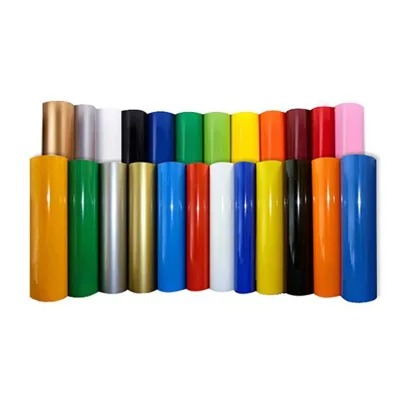
Compare 30 listings of Matte Colorful Cutting Vinyl from verified suppliers. Buyers can evaluate material thickness, adhesive types, and customization options for garment, bag, and sticker applications.
Key considerations
Products List


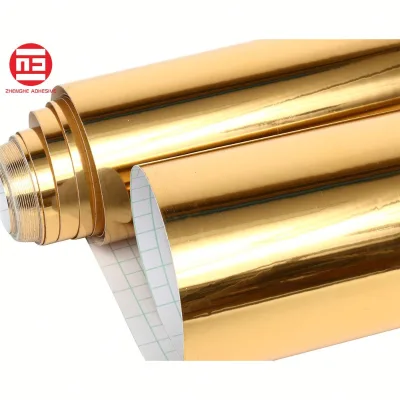
Widely Use PVC Glossy Self Adhesive Color Cutting Vinyl with Good Quality
$0.50 - $0.80
MOQ: 3000 Square Meters

Easy to Cut Colorful Cutting Vinyl Rolls Colored for Outdoor Promotional Graphics
$0.50 - $0.80
MOQ: 3000 Square Meters


PVC Glossy Self Adhesive Color Cutting Vinyl for Poster Materials
$0.50 - $0.80
MOQ: 3000 Square Meters

Made in China Hot Sale Self Adhesive Film Colored Color Cut Vinyl
$0.50 - $0.80
MOQ: 3000 Square Meters

Glossy Matt Pattern Design Self Adhesive Vinyl Color Cutting PVC Vinyl Sticker
$0.45 - $0.60
MOQ: 5000 Square Meters

Self Adhesive Color Cutting Vinyl Sticker Vinyl Color Roll Sticker Color Vinyl
$0.72 - $0.92
MOQ: 10 Square Meters





Comprehensive Sourcing Guide
Strategic Sourcing Guide for Matte Colorful Cutting Vinyl
The global demand for high-performance adhesive films has elevated the status of Matte Colorful Cutting Vinyl as a critical component in diverse B2B sectors ranging from signage manufacturing to specialized packaging solutions. For procurement professionals, navigating this market requires a disciplined approach that distinguishes between generic vinyl products and those engineered for specific cutting and application requirements. This guide synthesizes observed market data and technical specifications to provide a robust framework for sourcing decisions, ensuring that buyers can evaluate suppliers based on verifiable attributes rather than marketing assertions.
Technical Specifications and Material Composition
The foundation of a successful procurement strategy lies in a precise understanding of the material's physical and chemical properties. The core material for these products is consistently identified as Polyvinyl Chloride (PVC), a polymer chosen for its durability and flexibility. A critical observation in the current market is the variance in film thickness, which directly impacts the cutting process and the final visual finish. Available specifications indicate film thicknesses ranging from 60 microns to 100 microns, with 80 microns being a frequently cited standard for general-purpose applications.
The backing system is equally important for operational efficiency. The liner thickness is often specified as 80-micron PET (Polyethylene Terephthalate), providing a stable base for the adhesive while ensuring clean release during the cutting phase. The weight of the product is another variable, with observed values including 100 GSM and 140 GSM. Buyers must verify the specific gram weight required for their application, as heavier liners often correlate with higher dimensional stability.
Surface finishing is a primary differentiator for this product category. The "matte" designation refers to a surface treatment that reduces glare, making it ideal for applications where visual clarity and a non-reflective aesthetic are paramount. The market offers both glossy and matte options, with the matte finish often requiring specific surface finishing processes to achieve the desired texture. The adhesive type is predominantly solvent-based, a formulation known for its strong initial tack and long-term bond strength on various substrates. However, the availability of customized glue types suggests that buyers should explicitly request adhesive specifications that match their target surface materials, whether for glass, metal, or plastic.
Compliance, Certification, and Regulatory Standards
In the B2B procurement landscape, compliance is not merely a formality but a prerequisite for market access and liability management. The supply chain for cutting vinyl is increasingly scrutinized for environmental and safety standards. Observed data indicates that reputable suppliers in this sector often provide certifications such as RoHS (Restriction of Hazardous Substances) and ISO standards. These certifications are critical for buyers operating in regulated industries, particularly those involving food contact or children's products.
When evaluating potential suppliers, procurement teams must verify the validity of these certifications. The presence of "RoHS" and "ISO" in product descriptions should be treated as a starting point for verification rather than a guaranteed status. Buyers should request current, third-party audit reports to confirm that the manufacturing facilities adhere to the stated standards. Furthermore, the product origin is a significant factor in compliance; while many products are manufactured in China, specific regional hubs like Shanghai are noted for high-volume production. Understanding the geographic origin helps in assessing the logistical chain and potential regulatory hurdles related to importation.
The standard dimensions of the vinyl rolls also play a role in compliance and logistics. Common roll sizes observed include 0.61 meters, 1.22 meters, and 50-meter lengths, alongside variations such as 0.914 meters and 1.52 meters. These dimensions must align with the buyer's cutting equipment and inventory management systems. Deviations from standard roll sizes can lead to increased waste and higher handling costs.
Cost Drivers and Pricing Structures
The pricing of Matte Colorful Cutting Vinyl is influenced by a complex interplay of material costs, production volume, and customization requirements. The observed price range in the market spans from $0.30 to $59.17 USD, a wide spectrum that reflects the diversity of product grades and order quantities. This variance underscores the importance of the Minimum Order Quantity (MOQ) in determining the final unit cost. MOQs in this sector range from a single roll to 5,000 units, allowing for flexibility in procurement strategies.
For buyers with lower volume needs, the cost per unit will naturally be higher due to the fixed costs of setup and logistics. Conversely, bulk purchasers can leverage economies of scale to achieve more competitive pricing. The "Factory Price" attribute often cited in product listings suggests that direct engagement with manufacturers can yield better margins compared to intermediaries. However, buyers must be cautious of prices that seem anomalously low, as they may indicate compromises in material quality or adhesive performance.
Packaging is another cost driver. The standard packaging method involves carton boxes, which protect the vinyl rolls during transit. However, the type of packaging can vary, with some suppliers offering paper-based packaging or specialized carton configurations. The choice of packaging affects the overall cost and the condition of the product upon arrival. Additionally, the availability of free samples, such as A4-sized samples, allows buyers to test the product without incurring significant material costs, though shipping fees for these samples may apply.
Typical Applications and Usage Scenarios
The versatility of Matte Colorful Cutting Vinyl makes it suitable for a broad array of applications. The primary usage categories identified include garment decoration, plate labeling, and bag manufacturing. The "Color Cutting Vinyl" and "Premium Color Vinyl Matte" designations highlight its suitability for decorative purposes where visual impact is essential. In the signage industry, the matte finish is particularly valued for reducing light reflection, ensuring that text and graphics remain legible in various lighting conditions.
Beyond signage, the product finds significant application in the packaging sector. It is used for custom stickers, bottled beverage labels, and food and medicine packaging films. The "Heat Transfer Printing" method and "Direct Printing" capabilities suggest that the vinyl can be integrated into various production workflows. The adhesive properties make it ideal for price tags, shipping labels, and medicine packaging, where durability and resistance to environmental factors are crucial.
The "Waterproof" feature is a key attribute for products used in outdoor or high-moisture environments. This characteristic ensures that the vinyl maintains its integrity and adhesion even when exposed to rain or humidity. For buyers in the beverage and food industries, the "Heat Sensitive" attribute may be relevant for applications involving thermal processing or storage in varying temperature conditions. The ability to customize the product for specific uses, such as advertising and decoration, further expands its utility across different market segments.
Supplier Evaluation and Quality Assurance
Selecting the right supplier requires a rigorous evaluation process that goes beyond price comparisons. The "Company Type" and "Brand Name" are indicators of the supplier's market position, but they should not be the sole criteria for selection. Buyers should prioritize suppliers who demonstrate transparency in their manufacturing processes and quality control measures. The availability of "Top High Vinyl" suggests a focus on premium quality, but this claim must be substantiated through independent testing or customer references.
Quality control should be a central component of the procurement strategy. Buyers must verify the consistency of the adhesive strength, the uniformity of the film thickness, and the accuracy of the color reproduction. The "Customization" attribute indicates that suppliers are capable of tailoring products to specific requirements, but this flexibility must be managed through clear communication and detailed specifications. The "Glue Type" customization option allows for specialized applications, but it requires a deep understanding of the chemical compatibility between the adhesive and the target substrate.
Sample testing is a critical step in the evaluation process. The availability of free samples, including A4-sized options, provides an opportunity to assess the physical properties of the vinyl before committing to a larger order. Buyers should test the cutting performance, the release of the liner, and the adhesion strength on the intended surface. This hands-on evaluation helps identify potential issues early in the procurement cycle, reducing the risk of costly errors in mass production.
Long-Term Procurement Considerations
Sourcing Matte Colorful Cutting Vinyl is not a one-time transaction but an ongoing relationship that requires strategic planning. The "Sales Unit" of square meters indicates that buyers should calculate their total material requirements accurately to optimize ordering and minimize waste. Long-term contracts can offer stability in pricing and supply, but they require a clear understanding of the supplier's capacity and reliability.
Lead times and production capacity are critical factors for maintaining a steady supply chain. While specific lead times are not universally standardized, buyers should establish clear expectations with suppliers regarding production schedules and delivery timelines. The "Carton Box" and "Paper" packaging options should be evaluated for their suitability for long-term storage and transportation. Ensuring that the packaging protects the vinyl from environmental degradation is essential for maintaining product quality over time.
Finally, the evolving nature of the market means that buyers must stay informed about new technologies and material innovations. The "Digital Printing" and "Heat Transfer Printing" methods are continuously advancing, offering new possibilities for customization and efficiency. By maintaining a proactive approach to supplier relationships and quality assurance, buyers can ensure a steady supply of high-quality Matte Colorful Cutting Vinyl that meets their evolving business needs.
FAQs
What material is used for Matte Colorful Cutting Vinyl?
The core material is Polyvinyl Chloride (PVC), chosen for its durability and flexibility. Film thickness typically ranges from 60 to 100 microns, with 80 microns being a common standard for general applications.
Which certifications should I look for in this product?
Reputable suppliers often provide RoHS and ISO certifications to ensure safety and compliance. Buyers should verify these certifications through third-party audit reports before committing to large orders.
Can I get free samples before placing a bulk order?
Yes, free samples such as A4-sized options are often available for testing. This allows buyers to assess cutting performance and adhesion strength before committing to larger quantities.
What is the typical minimum order quantity for this vinyl?
Minimum order quantities range from one roll up to 5,000 units depending on the supplier. Lower volume orders typically incur higher unit costs due to fixed setup and logistics expenses.
How is the adhesive type customized for specific applications?
The adhesive is predominantly solvent-based but can be customized to match target substrates. Buyers should explicitly request specifications to ensure compatibility with materials like glass, metal, or plastic.
What are the standard roll dimensions available for purchase?
Common roll sizes include widths of 0.61 meters, 1.22 meters, and lengths of 50 meters. Specific dimensions must align with the buyer's cutting equipment and inventory management systems.
Where are these vinyl products typically manufactured?
Most products originate from China, with specific production hubs noted in Shanghai. Understanding the geographic origin helps in assessing the logistical chain and potential regulatory hurdles for importation.