Source Meat Chopper for Slicing, Grinding, and Processing
Find 30 verified Meat Chopper units from Tianjin suppliers for industrial food processing. Buyers can compare specifications like automatic grade, voltage, and material to select the right equipment for slicing frozen chicken, pork, or beef.
Key considerations
Products List
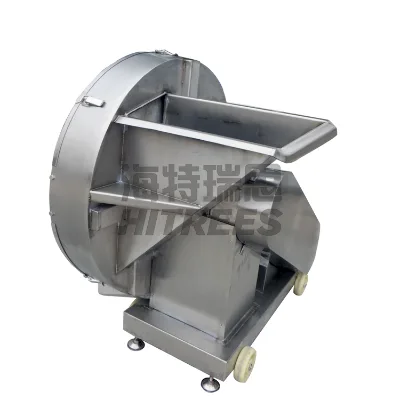


Excellent Quality Good Performance Hot Sell Fresh Meat Chopper/Grinder
$3000.00 - $10000.00
MOQ: 1 Sets


Comprehensive Sourcing Guide
Strategic Sourcing Guide for Industrial Meat Choppers
Procuring industrial meat choppers, often categorized broadly under meat processing machinery, requires a disciplined approach that balances technical capability with supply chain reliability. For buyers in the food industry, the selection of a machine like a meat planing or chopping unit is not merely a purchase of equipment but an investment in production efficiency, food safety, and operational consistency. The market offers a variety of configurations, from semi-automatic to fully automatic systems, each serving specific throughput needs. This guide outlines the critical factors buyers must evaluate when sourcing these machines, drawing upon observed industry standards and technical attributes to ensure a robust procurement strategy.
Technical Specifications and Operational Capabilities
The core of any sourcing decision lies in the technical specifications that define the machine's performance. When evaluating a Meat Chopper or planing machine, buyers must scrutinize the material composition, power requirements, and automation levels. The industry standard for food contact surfaces is 304 Stainless Steel, a material choice observed in high-quality units to ensure corrosion resistance and hygiene. However, some listings may specify "Stainless Steel" generally or offer "304 or as Need," requiring the buyer to explicitly verify the grade during the negotiation phase. The structural integrity of the machine, including the gearbox and motor, is paramount. These core components determine the machine's ability to handle raw materials such as frozen chicken, pork, mutton, beef, and fish without failure.
Automation is another critical differentiator. While some units are marketed as "Automatic Working" with a fully automatic grade, others may be classified as "Semi-Automatic." The distinction impacts labor requirements and throughput consistency. For high-volume operations, an automatic grade with a production capacity ranging from 100 to 1000 kg/h is often necessary. Buyers should also verify the voltage requirements, as these can vary from standard 220V to customized industrial voltages depending on the region. The power source is typically electric, with motor power ratings observed around 750W for certain models, though high-capacity industrial units will demand significantly higher wattage. Dimensional constraints are equally important; a standard footprint might be approximately 860mm in length, 600mm in width, and 1400mm in height, but custom dimensions are available to fit specific factory layouts.
Compliance, Certification, and Safety Standards
In the food processing sector, compliance is non-negotiable. While specific certification documents are not universally listed in all product descriptions, buyers must demand evidence of machinery test reports. These reports provide verified data on the machine's performance under load and safety checks. The presence of a "machinery test report: Provided" is a strong indicator of a supplier's commitment to quality assurance. Furthermore, the use of branded components from recognized manufacturers, such as Siemens for motors or ABB for buttons, often correlates with higher adherence to international safety and electrical standards.
Buyers should verify that the machine meets local food safety regulations regarding material contact. The specification of 304 Stainless Steel is a baseline, but the finish and weld quality are equally critical to prevent bacterial harborage. Additionally, the inclusion of advanced control systems, such as PLCs from famous global brands and touch screens from reputable manufacturers like Delta, suggests a higher level of process control and safety interlocks. The vacuum pump, often a critical component for maintaining product quality in choppers, should be sourced from established brands like Busch to ensure reliable operation and minimal contamination risk.
Cost Drivers and Pricing Structures
Understanding the cost drivers for meat choppers is essential for budgeting and negotiation. The observed price range in the market is vast, spanning from $1 to $150,000, reflecting the diversity from small-scale units to fully integrated industrial lines. Several factors influence this variance. First, the level of automation plays a significant role; fully automatic systems with advanced PLC integration and touch screen interfaces command a premium over semi-automatic models. Second, the quality of core components, such as the motor and gearbox, directly impacts the price. Units utilizing branded components like Siemens or ABB will be more expensive but offer greater longevity and reliability.
The Minimum Order Quantity (MOQ) is another financial consideration. While some suppliers offer an MOQ of just 1 set, making it accessible for small businesses, others may require larger commitments. The production capacity, ranging from 100 to 1000 kg/h, also dictates the price point. Higher capacity machines require more robust engineering and larger motors, increasing the unit cost. Buyers should also factor in the cost of customization, as many suppliers offer tailored solutions for voltage, dimensions, and specific functional requirements. The "Single volume" and "Single gross weight" listed as zero in some generic data points suggest that these are variable metrics depending on the specific configuration and packaging, necessitating a detailed request for quotation (RFQ) to get accurate shipping and handling costs.
Typical Applications and Raw Material Compatibility
Meat choppers and planing machines are designed for specific applications within the food industry, primarily focusing on meat processing. The versatility of these machines allows them to handle a wide array of raw materials, including frozen chicken, pork, mutton, beef, and fish. This capability is crucial for facilities that process multiple types of protein. The machine's ability to slice and chop frozen meat efficiently is a key selling point, as it reduces the need for pre-thawing, thereby preserving product quality and reducing processing time.
Beyond meat, some advanced models are designed to handle vegetables as well, offering a dual-purpose capability that can maximize equipment utility. The "Suit: Meat, Vegetable" attribute indicates that the cutting mechanisms can be adapted for different textures and densities. For facilities producing ground meat products, the integration of related machines such as meat grinders, bowl cutters, and brine injection machines is often necessary to create a seamless production line. The discharge mechanism, whether manual or automated, must be compatible with the downstream processing steps to ensure a smooth workflow.
Supplier Evaluation and Vendor Selection
Selecting the right supplier is as important as selecting the right machine. Buyers should prioritize suppliers who provide comprehensive documentation, including machinery test reports and detailed warranty terms. A standard warranty period of 1 year is common, but the scope of coverage and the responsiveness of the after-sales support are critical differentiators. The place of origin, often listed as Tianjin, China, for many industrial units, provides a geographical context for the supply chain, but buyers should verify the specific manufacturing capabilities of the vendor rather than relying solely on the region.
When evaluating suppliers, buyers should look for evidence of customization capabilities. The availability of customization for voltage, dimensions, and component brands (e.g., "Siemens or as Need") indicates a flexible manufacturing process. Suppliers who offer a wide range of related machines, such as meat grinders and bowl cutters, can often provide better integration support and spare parts availability. It is also vital to check the "key selling points" provided by the supplier, such as "Easy To Operate," and verify these claims through video demonstrations or reference sites. The packing method, typically "Seaworthy" or "Carton," should be confirmed to ensure the machine arrives without damage during transit.
Quality Control and Long-Term Procurement Considerations
Implementing a robust quality control (QC) protocol is essential for mitigating risks in long-term procurement. Buyers should insist on pre-shipment inspections that verify the material grade, component authenticity, and functional performance. The "machinery test report" mentioned in product listings should be reviewed to ensure the machine meets the specified production capacity and safety standards. For long-term operations, the availability of spare parts is a critical consideration. Machines with branded components like Siemens motors or Busch vacuum pumps generally have better global support networks, reducing downtime in case of failure.
The "Automatic Grade" and "Feature: Automatic Working" attributes suggest that the machine is designed for continuous operation, but the maintenance requirements must be clearly understood. Buyers should inquire about the recommended maintenance schedule and the availability of technical training for operators. The "Single volume" and "Single gross weight" being listed as zero in some contexts highlights the need for precise logistical planning; buyers must request specific packing dimensions and weights to calculate shipping costs accurately. Finally, the "Customization: Available" attribute offers an opportunity to tailor the machine to specific production needs, but this should be done in consultation with the supplier to ensure that the modifications do not compromise the machine's structural integrity or safety certifications.
Conclusion
Sourcing a Meat Chopper or planing machine is a complex process that requires a deep understanding of technical specifications, compliance requirements, and supplier capabilities. By focusing on material quality, automation levels, and component authenticity, buyers can secure equipment that meets their production needs while adhering to food safety standards. The wide range of observed prices and MOQs underscores the importance of a tailored approach, where the specific requirements of the facility dictate the final selection. Through rigorous supplier evaluation and a commitment to quality control, buyers can establish a reliable supply chain that supports efficient and safe meat processing operations.
FAQs
What is the production capacity of this Meat Chopper?
The production capacity ranges from 100 to 1000 kg per hour depending on the specific configuration. This variable output allows the machine to adapt to different facility needs while maintaining efficient processing speeds for frozen meats.
Which raw materials can this machine process effectively?
The machine is designed to handle frozen chicken, pork, mutton, beef, and fish without requiring pre-thawing. This versatility ensures consistent slicing and chopping performance across various protein types used in industrial food production.
How is the machine constructed to ensure food safety?
The main body is built from 304 Stainless Steel to guarantee corrosion resistance and hygiene standards. This material choice prevents bacterial harborage and meets the strict requirements for direct food contact surfaces in industrial processing environments.
Can the voltage be customized for different regions?
Yes, the voltage is fully customized to match the electrical standards of your specific location. Buyers can request tailored voltage settings to ensure seamless integration with their local power infrastructure without requiring external converters.
What is the minimum order quantity for purchasing this unit?
The minimum order quantity is one set, making it accessible for small businesses and pilot projects. This low entry threshold allows buyers to test the equipment's performance before committing to larger industrial scale orders.
Which core components are included in the Meat Chopper?
The unit includes a motor and gearbox as its primary core components for reliable operation. These parts are essential for driving the automatic working features and ensuring the machine can handle the mechanical stress of slicing frozen products.
What warranty coverage is provided for this machinery?
A standard one-year warranty is provided to cover potential defects or operational failures. This coverage offers buyers peace of mind regarding the initial investment and ensures support during the critical early stages of machine deployment.