Source Medical Products Plasticizer Tributyl Citrate for PVC Pipes, Coatings, and Non-toxic Applications
Compare 30 listings for Medical Products Plasticizer Tributyl Citrate from verified Chinese suppliers. Buyers can evaluate specifications like purity, packaging options, and delivery times for applications in water pipes, trachea coatings, and general plastic additives.
Key considerations
Products List


ATBC Acetyl Tributyl Citrate Plasticizer for PVC Medical Tubing and Catheter
$1200.00 - $1500.00
MOQ: 1 Tons


99.5% Environmental Plasticizer Tributyl Citrate Tbc Plasticizer
$900.00 - $1200.00
MOQ: 1 Pieces
Shandong Zhonglu New Energy Technology Development Co., Ltd.


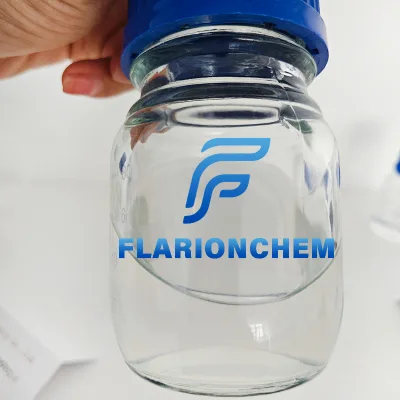


China Factory of Plasticizers Tbc Tributyl Citrate for Plastic Products
$1000.00 - $2000.00
MOQ: 1 Tons


Comprehensive Sourcing Guide
Strategic Sourcing Guide for Medical-Grade Tributyl Citrate Plasticizers
Procuring tributyl citrate (TBC) for medical applications requires a rigorous approach that balances chemical performance with strict regulatory compliance. As a non-toxic plasticizer, TBC is increasingly favored in the medical device industry to replace traditional phthalates, particularly in applications involving blood bags, tubing, and catheters. The following guide outlines the essential factors buyers must evaluate when sourcing this specific chemical, ensuring that the final supply chain meets the demanding standards of healthcare manufacturing.
Technical Specifications and Chemical Identity
The foundation of any successful procurement strategy lies in verifying the precise chemical identity and physical properties of the product. For medical applications, the distinction between various citrate esters is critical. The core product under consideration is Tributyl Citrate, often identified by its specific chemical markers. Buyers must confirm the Molecular Formula (MF) is C18H32O7 and the Molecular Weight (MW) is approximately 360.44 g/mol.
Physical characteristics serve as the first line of defense against counterfeit or substandard goods. The product is typically observed as a colorless transparent liquid, though some industrial listings may describe it simply as a white liquid depending on purity grades. Key physical parameters include a density of roughly 1.043 g/mL at 20°C and a boiling point of 234°C at 17 mmHg. The melting point is generally cited as greater than or equal to 300°C.
Crucially, the CAS number acts as the definitive fingerprint for the material. While some industrial grades may reference CAS 77-90-7, the specific medical-grade tributyl citrate is most accurately identified by CAS 77-94-1. Buyers should verify that the supplier's documentation explicitly matches this CAS number to ensure the correct isomer and purity level. The product is often marketed under alternative names such as Acetyl Tributyl Citrate or ATBC, but the primary identifier remains the CAS registry number. Purity levels are a significant differentiator; while industrial grades may vary, medical applications typically demand a purity of 99% or higher. The classification of the substance falls under Polycyclic Aromatic Hydrocarbons in some contexts, but its primary function is as a plastic additive with good compatibility with PVC resin.
Regulatory Compliance and Certification Verification
In the medical sector, compliance is not merely a preference but a legal and ethical necessity. When sourcing tributyl citrate, buyers must prioritize suppliers who can provide verifiable documentation regarding environmental and safety standards. The product is frequently associated with "Environmental Protection" certifications, indicating its suitability for applications where toxicity is a concern.
Key certifications to request include REACH compliance, which ensures the substance meets European Union registration, evaluation, and authorization of chemicals standards. Additionally, the presence of CCIC (China Certification Center for Import and Export Commodity Inspection) certification is a strong indicator of quality control in Chinese manufacturing hubs. While ISO 9001 and ISO 14001 are often cited in general industry backgrounds, buyers should treat these as background indicators rather than guaranteed claims unless explicitly stated on the product datasheet.
The EINECS number (European Inventory of Existing Commercial Chemical Substances) is another critical identifier. For tributyl citrate, the EINECS number 201-071-2 should be present in all regulatory documentation. Furthermore, the HS Code (Harmonized System) is essential for customs clearance and duty calculation. The relevant HS code for this category is typically 291815 or 2917320000, depending on the specific chemical classification used by the destination country. Buyers must ensure the supplier's documentation aligns with these codes to avoid logistical delays.
Cost Drivers and Pricing Structures
Understanding the cost structure of tributyl citrate is vital for budgeting and negotiation. The observed price range in the market spans from $0.80 to $2,000 per unit, a variance that reflects differences in purity, packaging, order volume, and supplier location. The primary cost drivers include the raw material source, which is often derived from catalytic reforming processes, and the degree of customization required.
Order volume significantly impacts the unit price. The Minimum Order Quantity (MOQ) can range from a single unit to 1,000 units, allowing flexibility for both small-scale prototyping and large-scale production runs. Buyers should note that the standard packaging sizes often dictate the pricing tiers. Common packaging standards include 200 kg drums, 1,000 kg IBC totes, and 23,000 kg flexibags. The choice of packaging affects the total landed cost, as specialized containers like galvanized or plastic drums may incur higher handling fees compared to standard flexibags.
Geographic origin also plays a role in pricing. Products originating from China, specifically regions like Henan and Shandong, are common in the global market. While these regions offer competitive pricing, buyers must factor in shipping costs and lead times. The standard delivery time for these products is often cited as 3 days for domestic or regional shipments, but international logistics can extend this significantly. Buyers should verify if the quoted price includes freight, insurance, and customs duties to avoid hidden costs.
Typical Applications in Medical and Industrial Sectors
Tributyl citrate is versatile, but its application in the medical field is the most critical for this sourcing guide. Its primary use is as a non-toxic plasticizer for PVC, offering excellent compatibility with resin matrices. This makes it ideal for manufacturing flexible medical devices that require durability and safety.
Specific applications include water pipes, trachea coatings, and blood bags. In the context of trachea coatings, the material's transparency and lack of toxicity are paramount. The product is also used in the production of medical tubing and catheters where flexibility and biocompatibility are required. Beyond medical uses, the plasticizer finds application in general industrial settings as a plastic additive. The "Good Compatibility with PVC Resin" feature ensures that the final product maintains its mechanical properties over time without leaching harmful substances.
Buyers should distinguish between industrial-grade and medical-grade applications. While the chemical structure remains the same, the purity and testing requirements differ. Industrial applications may accept the "Industrial Grade" standard, whereas medical applications require stricter adherence to purity and safety protocols. The product's classification as a "Non-toxic Plasticizer" is a key selling point for medical device manufacturers looking to comply with global health regulations.
Supplier Evaluation and Sourcing Channels
Evaluating suppliers requires a systematic approach to ensure reliability and quality. The market contains numerous suppliers, but not all are equipped to handle the specific demands of medical-grade procurement. Buyers should look for suppliers who explicitly state their customization capabilities, as this indicates flexibility in meeting specific order requirements.
When assessing a supplier, verify their production origin. Many suppliers are located in China, with specific hubs in Henan and Shandong provinces. While these locations are known for chemical manufacturing, buyers must conduct due diligence to ensure the facility meets international quality standards. The presence of a brand name, such as FLARIONCHEM, can be a factor, but buyers should not rely solely on brand recognition without verifying the underlying quality controls.
Key evaluation criteria include the supplier's ability to provide detailed product data sheets, certification documents, and test results. The supplier should be transparent about their production process, including the source of raw materials (e.g., catalytic reforming). Additionally, the supplier's responsiveness to inquiries and their ability to provide samples for testing are strong indicators of their reliability. Buyers should avoid suppliers who are vague about their certifications or who cannot provide specific details regarding the CAS number and purity levels.
Quality Control and Long-Term Procurement Considerations
Quality control is the backbone of a successful supply chain for medical products. Buyers must implement a robust QC protocol that includes incoming material testing. This involves verifying the physical properties such as color, density, and boiling point against the specifications provided. The product should be a colorless transparent liquid, and any deviation from this appearance may indicate contamination or degradation.
Long-term procurement considerations involve building a relationship with suppliers who can consistently meet quality standards. This includes establishing clear communication channels for reporting any issues and defining the process for handling non-conforming goods. Buyers should also consider the lead time and delivery reliability. While a 3-day delivery time is often cited, buyers must account for potential delays in international shipping and customs clearance.
The sustainability of the supply chain is another critical factor. Buyers should inquire about the environmental impact of the production process and the supplier's commitment to environmental protection. The product's "Environmental Protection" attribute suggests a lower environmental footprint, but this should be verified through the supplier's sustainability reports. Finally, buyers should plan for scalability, ensuring that the supplier can increase production capacity as the demand for medical devices grows.
Comparison of Packaging and Standard Specifications
To assist buyers in making informed decisions regarding logistics and storage, the following table compares common packaging and standard specifications observed in the market. This comparison highlights the variability in how suppliers present their products and the implications for procurement.
| Specification Type | Common Variants Observed | Implications for Buyers |
|---|---|---|
| Packaging Format | IBC/Drum/Flexibag | Flexibags are cost-effective for bulk; Drums offer better protection for smaller batches. |
| Weight Standards | 200KG, 1000KG, 23000KG | 200KG drums are standard for handling; 1000KG IBCs reduce handling frequency. |
| Container Material | Galvanized Drum, Plastic Drum | Galvanized drums offer durability; plastic drums may be preferred for chemical resistance. |
| Grade Standard | Industrial Grade | Verify if this meets medical requirements; medical grade often requires higher purity. |
| Purity Level | 99%, 99.5% | Higher purity is essential for medical applications to ensure safety and efficacy. |
| Origin Location | China (Henan, Shandong) | Verify local regulations and export compliance for the specific region of origin. |
| Delivery Time | 3 Days (Standard) | Confirm if this applies to domestic or international shipping; international may vary. |
In conclusion, sourcing tributyl citrate for medical products requires a meticulous approach that prioritizes chemical identity, regulatory compliance, and supplier reliability. By focusing on the specific technical specifications, verifying certifications, and understanding the cost drivers, buyers can secure a supply chain that meets the rigorous demands of the medical industry. The variability in packaging and standards necessitates careful evaluation of each supplier to ensure the final product aligns with the specific needs of the application.
FAQs
What is the CAS number for medical-grade tributyl citrate?
The specific CAS number for medical-grade tributyl citrate is 77-94-1. While some industrial listings reference 77-90-7, buyers must verify the documentation explicitly matches 77-94-1 to ensure the correct isomer and purity level for medical applications.
Can tributyl citrate be used for water pipes and trachea coatings?
Yes, tributyl citrate is suitable for water pipes and trachea coatings due to its non-toxic nature. It offers good compatibility with PVC resin, making it ideal for flexible medical devices and industrial applications requiring safety and durability.
Which certifications should I verify for this plasticizer?
Buyers should verify REACH and CCIC certifications for this plasticizer. These certifications indicate compliance with European Union chemical standards and Chinese import-export commodity inspection, ensuring the product meets environmental protection and safety requirements.
How is the product typically packaged for shipment?
The product is typically packaged in IBC totes, drums, or flexibags. Common weight standards include 200 kg drums, 1000 kg IBCs, and 23000 kg flexibags, with options for galvanized or plastic drum packages depending on buyer requirements.
What is the standard delivery time for these products?
The standard delivery time for these products is often cited as 3 days for domestic or regional shipments. International logistics may extend this significantly, so buyers should verify if the quoted price includes freight and customs duties.
What is the purity level required for medical applications?
Medical applications typically demand a purity of 99% or higher. While industrial grades may vary, buyers should ensure the supplier provides documentation confirming the 99% or 99.5% purity level to meet strict healthcare manufacturing standards.
Which physical properties define the quality of this liquid?
Key physical properties include a density of 1.043 g/mL at 20°C and a boiling point of 234°C at 17 mmHg. The product appears as a colorless transparent liquid, and any deviation from this appearance may indicate contamination.