Source Medical Research Sample Cuvette for labs hospitals clinics
Find 30 verified suppliers of Medical Research Sample Cuvette for laboratory research, clinical testing, and hospital applications. Compare specifications including material, sterilization, and customization options to select the right product for your needs.
Key considerations
Products List


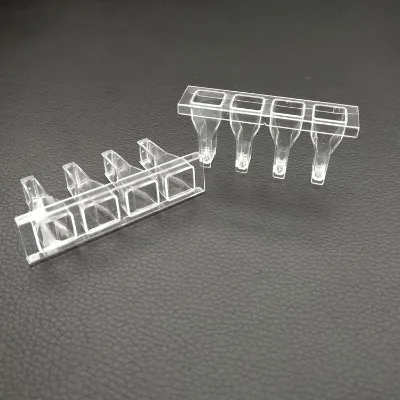
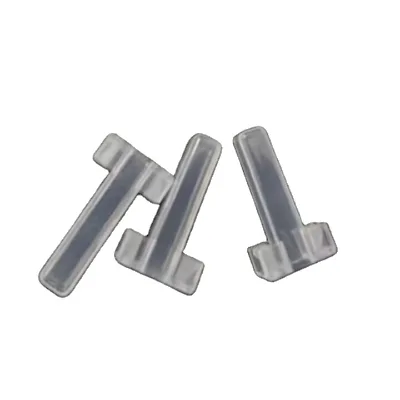
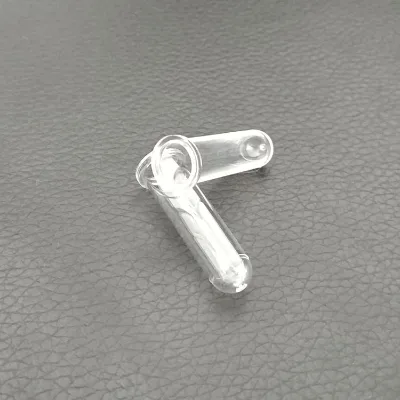
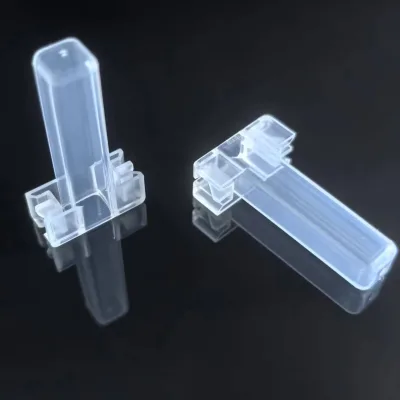
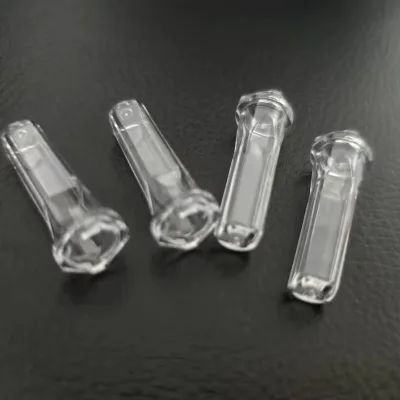


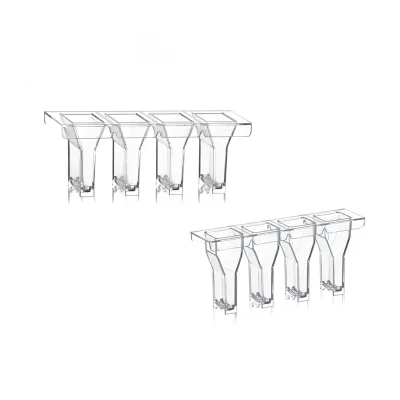
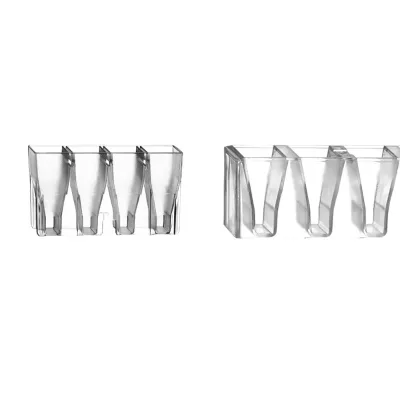
Medical Laboratory Plastic Cuvette for German Be Coagulometer (4 holes)
$0.02 - $0.03
MOQ: 4000 Pieces


Chinese Manufacturer High Quality Laboratory Quartz Cuvette for Spectrophotometers
$0.00 - $0.00
MOQ: 10000 Pieces


High-Quality Durable and Reliable Plastic Cuvette for Precise Measurements
$0.03 - $0.03
MOQ: 500 Pieces
Comprehensive Sourcing Guide
Strategic Sourcing Guide for Medical Research Sample Cuvettes
Understanding Product Definitions and Technical Classifications
When initiating a procurement strategy for medical research sample cuvettes, buyers must first distinguish between the broad category of laboratory instruments and the specific functional requirements of the sample container. The core product in this domain is often identified as a specimen cup cuvette or an auto bio cuvette, designed specifically for clinical and laboratory applications. These items are classified under laboratory research instruments and serve as critical vessels for holding liquid samples during analysis.
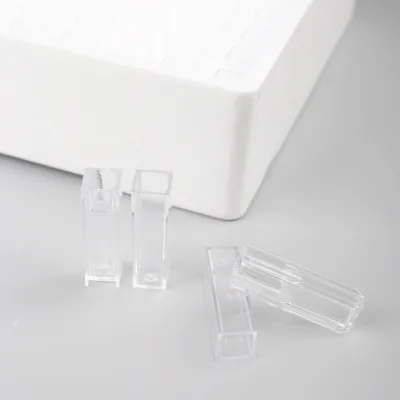
The physical construction of these cuvettes varies significantly based on the intended analytical method. Observed market data indicates that materials range from standard plastics, such as Polypropylene (PP), to composite structures involving rubber and plastic. The material choice is paramount because it dictates chemical resistance, optical clarity, and compatibility with specific reagents. For instance, a transparent plastic construction is frequently observed, ensuring that light transmission is not obstructed during spectrophotometric measurements. The physical dimensions are equally critical; specifications can range from compact sizes like 10x2x2 cm for single units to larger packaging dimensions of 59x38x38 cm for bulk cartons. Specific model numbers, such as BM 133, CA006, CA005, and HPLMMC6, suggest that cuvettes are often engineered to fit proprietary instruments or specific assay protocols.
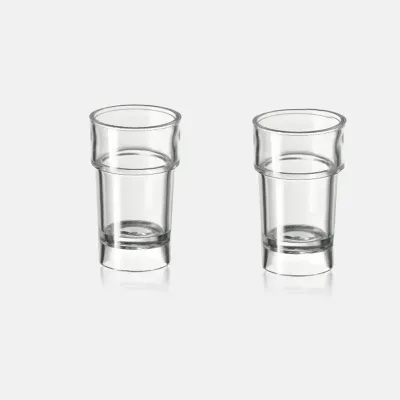
The design of the container also includes specific top configurations. A screw top is a common attribute observed in the supply chain, providing a secure seal to prevent leakage and evaporation during transport and storage. This feature is particularly important for samples that require long-term stability or are sensitive to environmental contaminants. Furthermore, the volume capacity is a defining specification, with observed examples including 2ml volumes. Buyers must verify that the internal volume aligns with the sample size requirements of their specific research protocols to avoid waste or insufficient sample availability.
Compliance Standards and Certification Verification
In the medical and research sectors, regulatory compliance is not merely a formality but a prerequisite for operational safety and data integrity. When sourcing cuvettes, buyers must rigorously verify the certification status of potential suppliers. The market data highlights the presence of ISO certifications, specifically ISO 9001, which indicates adherence to quality management systems. Additionally, some products in the category carry CE certification, signifying conformity with health, safety, and environmental protection standards for products sold within the European Economic Area.
Beyond general quality certifications, the sterility of the product is a critical compliance factor. For clinical applications, the supply chain often provides cuvettes that are EO Sterile (Ethylene Oxide Sterile). This level of sterility ensures that the sample containers do not introduce biological contaminants that could compromise research results or patient safety. Buyers should explicitly request documentation proving the sterility process and the validity of the EO treatment.
It is also essential to verify the origin of the products. The majority of the observed supply originates from China, with specific manufacturing hubs noted in regions like Jiangsu. While the geographic origin is a factual observation, buyers must ensure that the manufacturing facility maintains the same quality standards regardless of location. The HS Code 3926909090 is a standard classification for these plastic articles, which is useful for customs clearance and tariff determination. However, relying solely on the HS code is insufficient; buyers must cross-reference this with the specific material composition and intended use to ensure accurate regulatory categorization in their own jurisdiction.
Cost Drivers and Economic Factors in Procurement
The economic landscape for sourcing medical research cuvettes is influenced by several distinct variables, primarily driven by order volume and customization requirements. The Minimum Order Quantity (MOQ) presents a significant barrier or opportunity depending on the buyer's scale. Market observations reveal a wide disparity in MOQs, ranging from as low as 1,000 pieces to as high as 100,000 pieces. This variance suggests that suppliers segment their offerings based on the buyer's capacity to absorb inventory. Small research labs may find the lower MOQ thresholds more accessible, whereas large-scale clinical networks might leverage the higher volume tiers to negotiate better unit economics.
Customization is another major cost driver. The availability of OEM (Original Equipment Manufacturer), ODM (Original Design Manufacturer), and OBM (Original Brand Manufacturer) support allows buyers to tailor the product to their specific branding or technical needs. However, these services often incur additional costs or require higher MOQs. For example, accepting an OEM logo or customizing the packaging dimensions may shift the production run to a higher tier.
Packaging specifications also play a role in the total landed cost. Products are typically shipped in paper carton boxes or standard cartons, with packing densities varying significantly. One observed specification lists a packing density of 35,000 pieces per carton, while another indicates 10,000 pieces per carton. These differences impact shipping volume and freight costs. Buyers should calculate the cost per unit including logistics, as a lower unit price might be offset by inefficient packaging that increases shipping weight and volume. The payment terms, typically observed as TT (Telegraphic Transfer), also influence cash flow planning and should be factored into the financial model.
Typical Applications and Operational Use Cases
The versatility of medical research cuvettes allows them to serve a wide array of applications across different sectors. The primary usage categories identified include clinics, laboratories, and hospitals. In a clinical setting, these cuvettes are essential for processing patient samples for diagnostic testing. The "Auto bio cuvette" designation suggests compatibility with automated biochemical analyzers, where high throughput and precise sample handling are required.
For laboratory research, the cuvettes function as vessels for colorimetric analysis and other optical measurements. The transparent nature of the plastic material is specifically engineered to allow light to pass through the sample, enabling spectrophotometers to measure absorbance or transmittance. The specific dimensions, such as 29.97x9.91x7.67 mm, are likely optimized to fit the sample holders of standard laboratory instruments.
Furthermore, the presence of disinfecting types, such as Ultraviolet Light, in the product attributes suggests that some cuvettes may be designed for environments requiring additional decontamination protocols or are part of a system that utilizes UV light for sterilization. This feature is particularly relevant for research involving sensitive biological agents or when reusing equipment is not feasible. The usage for "lab test and clinical application" confirms that these are not general-purpose containers but specialized tools designed for precision measurement and analysis.
Supplier Evaluation and Vendor Selection Criteria
Selecting the right supplier requires a multi-faceted evaluation process that goes beyond price comparison. Buyers should prioritize suppliers who demonstrate a clear capacity for customization, as indicated by the widespread availability of OEM, ODM, and OBM support. This capability ensures that the supplier can adapt to specific branding needs or technical modifications required by the buyer's research protocols.
The warranty period is another critical metric for supplier reliability. An observed warranty of 3 years indicates a high level of confidence in product durability and quality consistency. Buyers should verify the terms of this warranty, including what constitutes a defect and the process for claims. Additionally, the offer of samples is a valuable indicator of a supplier's willingness to engage in a trial phase. This allows buyers to physically inspect the product for quality, fit, and material integrity before committing to a large order.
Logistical capabilities should also be assessed. The observation of specific single package sizes and gross weights (e.g., 10.000 KG) provides data for logistics planning. A reliable supplier will provide accurate shipping documents and maintain consistent lead times. While specific lead times are not explicitly detailed in the provided facts, the availability of large inventory capacities (evidenced by high MOQs) suggests that established suppliers can handle significant demand. Buyers should also verify the supplier's ability to maintain the ISO and CE certifications over time, ensuring that the quality management systems remain active and valid throughout the procurement lifecycle.
Quality Control and Long-Term Procurement Strategy
Implementing a robust quality control (QC) strategy is essential for maintaining the integrity of medical research. Given the variability in materials (Plastic, Rubber/Plastic, PP) and the critical nature of the applications, buyers should establish clear acceptance criteria. This includes verifying the sterility of the EO Sterile products and ensuring that the transparency of the plastic does not degrade over time. The standard dimensions, such as 12.5x12.5x45mm, should be strictly adhered to; any deviation could render the cuvettes incompatible with automated instruments.
Long-term procurement considerations involve building a sustainable supply chain. Buyers should look for suppliers who offer consistent product specifications across different production batches. The presence of multiple model numbers (BM 133, CA006, CA005, HPLMMC6) suggests that a single supplier may offer a range of products, which can simplify the sourcing process. However, buyers must ensure that switching between models does not introduce variability in performance.
The classification of these items as "Other" in some contexts underscores the need for buyers to define their own internal classification standards to ensure proper inventory management. Additionally, the availability of samples allows for ongoing quality checks. Buyers should incorporate periodic testing of received batches to verify that the material properties, such as chemical resistance and optical clarity, remain consistent.
Comparative Analysis of Product Attributes
To facilitate decision-making, the following table summarizes key attributes observed in the market for medical research sample cuvettes. This comparison highlights the diversity in specifications and helps buyers identify the most suitable options for their specific needs.
| Attribute | Observed Value 1 | Observed Value 2 | Observed Value 3 |
|---|---|---|---|
| Material | Plastic (PP) | Rubber / Plastic | Plastic |
| Certification | ISO | ISO, CE | ISO 9001 |
| Sterility | EO Sterile | Not Specified | Not Specified |
| MOQ Range | 1,000 pcs | 10,000 pcs | 100,000 pcs |
| Top Type | Screw Top | Not Specified | Not Specified |
| Volume | 2 ml | Not Specified | Not Specified |
| Origin | China (Jiangsu) | China | China |
| Warranty | 3 Years | Not Specified | Not Specified |
| Customization | OEM, ODM, OBM | OEM, ODM | OEM Logo Acceptable |
| Packing | 35,000 PCS/Carton | 10,000 pcs/carton | Carton |
This table illustrates that while core attributes like material and origin are consistent, the specific certifications, MOQs, and packaging densities vary widely. Buyers must align these variables with their operational constraints and budgetary limits. For instance, a buyer requiring high-volume production might prioritize suppliers with a 100,000 pcs MOQ, while a research lab needing flexibility might opt for the 1,000 pcs threshold.
Conclusion and Procurement Recommendations
Sourcing medical research sample cuvettes requires a balanced approach that considers technical specifications, regulatory compliance, and economic factors. The market offers a diverse range of products, from standard PP plastic cuvettes to specialized auto bio cuvettes with screw tops and EO sterility. Buyers must carefully evaluate the MOQ requirements, as they range from 1,000 to 100,000 pieces, significantly impacting inventory management and cash flow.
Verification of certifications such as ISO and CE, along with sterility guarantees, is non-negotiable for medical applications. The availability of customization options like OEM and ODM support provides flexibility but may come with higher volume commitments. By leveraging the observed data on packaging, dimensions, and material properties, buyers can make informed decisions that ensure the reliability and efficiency of their laboratory and clinical operations. Ultimately, a strategic partnership with a supplier who demonstrates consistent quality, robust certifications, and flexible support will yield the best long-term results for medical research procurement.
FAQs
What certifications do medical research sample cuvettes typically have?
These cuvettes commonly hold ISO and CE certifications to ensure quality and safety. Some products specifically meet ISO 9001 standards, while others carry CE marks for European compliance. Buyers should verify the specific certification documents provided by the supplier for each batch.
Can I get custom branding on these laboratory cuvettes?
Yes, customization is available with OEM, ODM, and OBM support options. Suppliers often accept OEM logos and can tailor packaging to specific needs. This service allows buyers to brand the products for their own clinical or research facilities while maintaining technical specifications.
What is the minimum order quantity for these plastic cuvettes?
The minimum order quantity varies significantly depending on the supplier and product model. Observed ranges span from 1,000 pieces up to 100,000 pieces. Buyers must check the specific MOQ requirements for the desired model, such as CA005 or BM 133, before placing an order.
How are these specimen cups packaged for shipping?
Products are typically packed in paper carton boxes or standard cartons with varying densities. Some specifications indicate up to 35,000 pieces per carton, while others list 10,000 pieces per carton. Packaging dimensions and gross weight data are provided to assist with logistics planning.
Are these cuvettes sterile for clinical applications?
Yes, many options are available as EO Sterile to ensure safety for clinical use. This ethylene oxide sterilization prevents biological contamination during lab tests. Buyers should confirm the sterility status when selecting products intended for hospital or diagnostic center applications.
Which materials are used to make these laboratory instruments?
Materials typically include Polypropylene (PP) plastic or a combination of rubber and plastic. The transparent plastic construction ensures light transmission for spectrophotometric measurements. The material choice is critical for chemical resistance and compatibility with specific reagents used in research.
What is the origin of these medical research sample cuvettes?
The majority of these products originate from China, with specific manufacturing hubs in Jiangsu. This geographic origin is a standard attribute for the supply chain. Buyers should verify that facilities in this region maintain the required ISO and CE quality standards.