Source Medical School Teaching Anatomy Model for Hospital School Clinic
Source 30 medical school teaching anatomy models from verified suppliers in China. Compare specifications, prices, and customization options for anatomical models used in hospital, school, and clinic training environments.
Key considerations
Products List

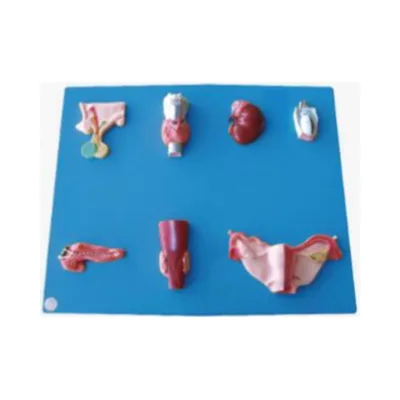
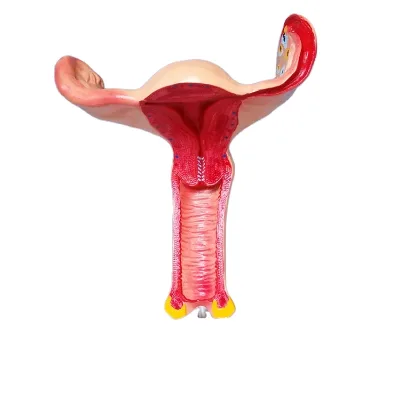
Uterine Anatomy Model Medical Education Training Model Anatomical Models
$10.00 - $100.00
MOQ: 1 Pieces

Anatomical Model of The Head (4 parts) Medical Education Training Model
$10.00 - $100.00
MOQ: 1 Pieces


Medical Biological Teaching Ostomy Demonstration kit Model School Anatomy Model
$27.00 - $42.00
MOQ: 1 Sets

Normal Single Breast Lateral Section Anatomical Model for Medical Science for Schools
$34.00 - $45.00
MOQ: 1 Pieces

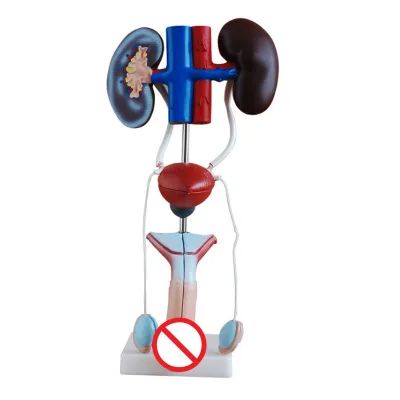
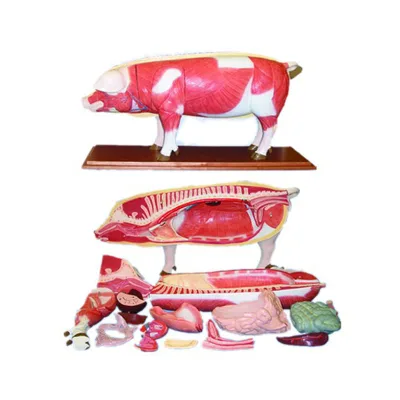
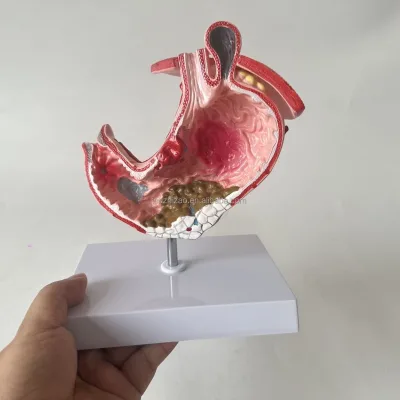
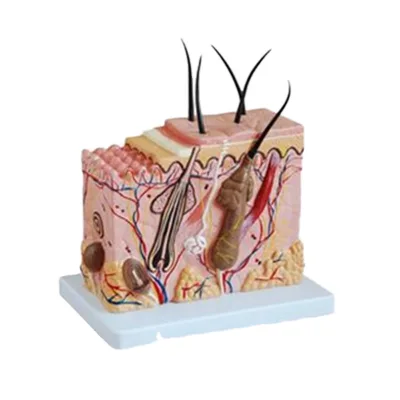
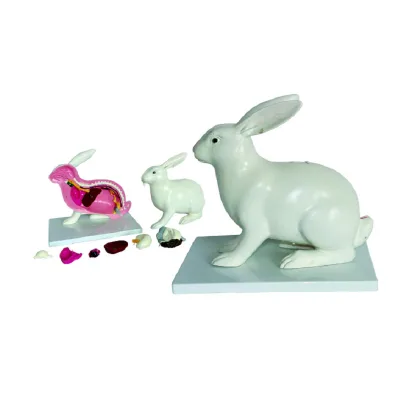
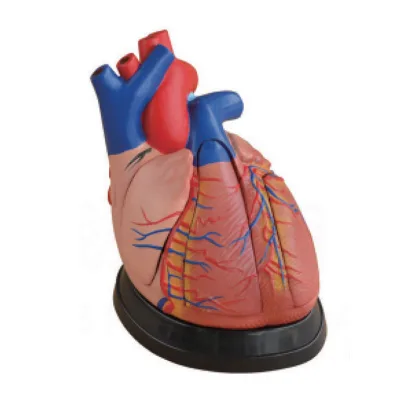
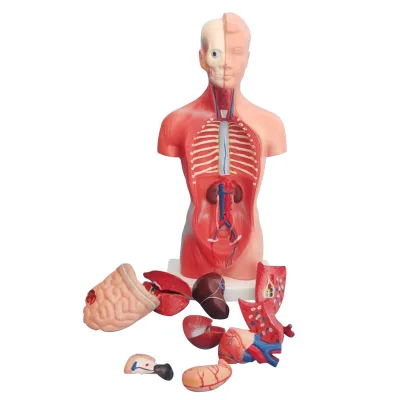


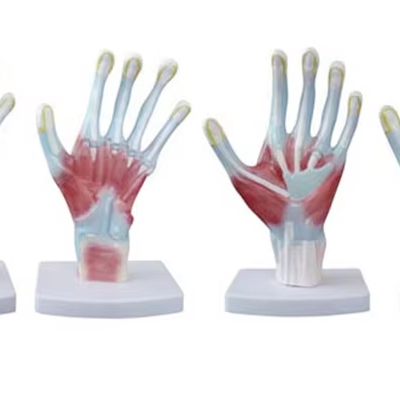


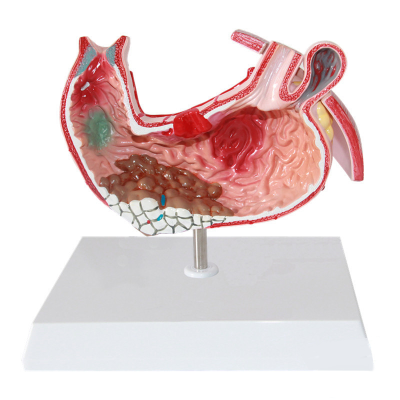
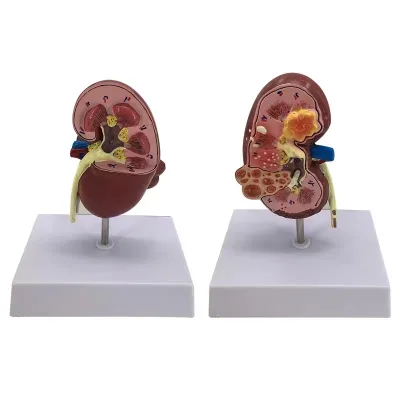
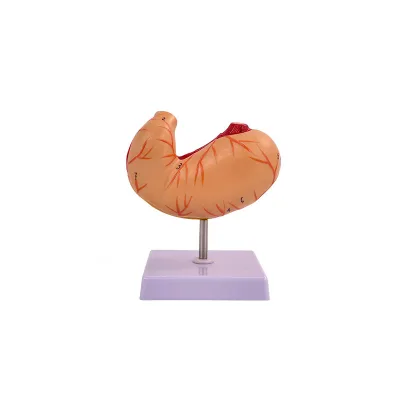
Human Stomach Pathological Section Anatomical Model for Medical School
$21.50 - $39.50
MOQ: 10 Minimum
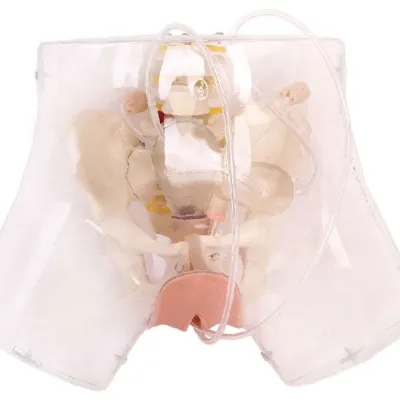
Advanced Transparent Female Anatomy Model for Medical Science Curettage Training Tool
$203.96 - $213.33
MOQ: 10 Minimum

Comprehensive Sourcing Guide
Strategic Sourcing Guide for Medical School Anatomy Models
Defining Technical Specifications and Material Integrity
When sourcing anatomical models for medical school teaching, the primary focus must be on the fidelity of the representation and the durability of the materials used. The market offers a diverse array of products, but the core material composition is a critical differentiator. Based on available product data, Polyvinyl Chloride (PVC) remains a prevalent material choice for these educational simulators. PVC models are often selected for their balance of cost, flexibility, and ability to hold fine anatomical details. However, buyers must also consider alternative material profiles, such as silicone-based designs, which may offer superior tactile realism for specific training scenarios.
The physical specifications of these models vary significantly depending on the anatomical region being represented. For instance, head models may be compact, adhering to dimensions such as 13cm x 10cm x 10cm with a weight around 0.605kg, making them suitable for individual desk use. In contrast, organ-specific models like liver simulators or larger anatomical sections require more substantial dimensions, potentially reaching 33cm x 23cm x 10cm or 32cm x 12cm x 26cm. The weight of these units can range from approximately 1.2kg to 3kg, influencing shipping logistics and storage requirements.
Print quality is another essential technical specification. High-fidelity models often utilize full-color process printing to accurately depict tissue textures, vascular structures, and pathological variations. Some manufacturers may employ silk screen printing and spraying techniques to achieve specific surface finishes. Buyers should verify that the printing method aligns with the educational objective; for example, detailed vascular mapping requires high-resolution full-color processes, whereas basic structural models might suffice with simpler printing techniques. The packaging also plays a role in preservation, with options ranging from individual white boxes to standard cartons, ensuring the models arrive in pristine condition for classroom use.
Compliance, Certification, and Regulatory Standards
Navigating the regulatory landscape is a non-negotiable aspect of procuring medical education equipment. While these items are primarily for educational training rather than direct patient treatment, they must still adhere to specific safety and quality standards. A key observation in the current market is the presence of CE and ISO certifications on many anatomical models. These certifications indicate that the manufacturer has met European safety requirements and international quality management standards, respectively.
Buyers must rigorously verify the specific ISO standard applicable to the product. While the general presence of "ISO" is a positive indicator, the exact standard number (e.g., ISO 9001 for quality management) should be confirmed in the supplier's documentation. The CE marking is particularly crucial for products intended for use in European institutions or those exported to regions requiring strict conformity assessments. It is important to note that the condition of the product is typically listed as "New," which implies that the models are manufactured to current standards rather than being refurbished units.
Furthermore, the origin of the product is a significant factor in compliance. Many of the listed models originate from manufacturing hubs in Shanghai, China, or other regions within China. While this location is a major production center for medical educational supplies, it necessitates a thorough review of the supplier's export compliance records. Buyers should ensure that the supplier can provide valid certificates of origin and that the products comply with the import regulations of the destination country. The absence of specific test results or performance claims in general listings means that buyers must request third-party testing reports to validate safety and material composition claims before finalizing a purchase.
Cost Drivers and Pricing Dynamics
The pricing structure for anatomical models is influenced by several variables, including material complexity, size, and the level of anatomical detail. The observed price range in the market spans from $5 to $1,350 USD, reflecting a vast difference between basic structural models and highly detailed, multi-part simulators. The lower end of this spectrum typically covers smaller, single-region models made of standard PVC, while the higher end encompasses complex, life-sized, or silicone-based replicas with advanced features.
Material choice is a primary cost driver. Silicone models, noted for their realistic texture and durability, generally command a higher price point compared to standard PVC alternatives. Additionally, the printing technology employed affects the final cost. Full-color process printing, which allows for intricate detailing of internal organs and tissues, requires more sophisticated manufacturing processes than basic silk screen printing, thereby increasing the unit price.
The Minimum Order Quantity (MOQ) also plays a significant role in the total cost of ownership. The market shows an MOQ range from 1 piece to 500 pieces. For medical schools looking to equip a single laboratory, an MOQ of 1 piece offers flexibility but may result in a higher per-unit cost. Conversely, bulk procurement with an MOQ of 500 pieces can significantly reduce the average cost per unit, making it a viable strategy for large-scale curriculum implementation. Buyers should analyze their total volume requirements to determine the optimal order size that balances budget constraints with the need for variety in the teaching collection.
Typical Applications and Educational Utility
Anatomical models serve a pivotal role in medical education, bridging the gap between theoretical knowledge and practical application. The primary purpose of these models is to facilitate learning in hospital and school settings. They are designed to simulate human anatomy for students to study, practice procedures, and understand pathological conditions without the ethical and logistical challenges associated with cadaveric dissection.
The versatility of these models allows for their use across various medical disciplines. For example, head models are essential for courses in neurology, otolaryngology, and general anatomy, allowing students to study cranial nerves and facial structures. Liver models and other organ-specific simulators are critical for surgical training, enabling students to practice incision techniques and understand organ placement. The "Anatomical Model" and "Medical Education Training Simulator" categories highlight their specialized function in hands-on training.
Furthermore, the customization options available in the market allow institutions to tailor models to specific curriculum needs. Some suppliers offer customized models that can be modified to highlight specific diseases or variations, enhancing the educational value. The ability to choose between "Customized" and "Non-Customized" options provides flexibility for institutions with standard requirements versus those seeking unique, specialized training tools. The intended usage is explicitly stated as "Medical education," confirming their role as foundational tools in medical pedagogy.
Supplier Evaluation and Logistics Management
Selecting a reliable supplier is crucial for ensuring the timely delivery of high-quality anatomical models. The supply chain for these products often involves manufacturers based in Shanghai, China, with shipping options including sea, air, and express delivery. The lead time for production and delivery is a critical factor in procurement planning. Data indicates a standard delivery time of 10 days for many products, though some suppliers may require up to 15 days to prepare stock.
Buyers must evaluate the supplier's logistics capabilities to ensure they can meet institutional deadlines. The availability of multiple shipping methods—Sea, Air, and Express—allows for flexibility based on urgency and budget. For large orders, sea freight is often the most cost-effective option, while express shipping is suitable for urgent, smaller orders. The packaging standards, such as "Paper Ctns," "Carton," or "Individually Packed in White Box," also impact the efficiency of logistics and the condition of the goods upon arrival.
When evaluating suppliers, buyers should look for transparency in their production capabilities and stock availability. The ability to prepare stock within 15 days suggests a responsive supply chain, but buyers should confirm this timeline against their specific order volume. Additionally, the origin of the product, whether from Shanghai or other locations in China, should be verified to ensure consistency in quality and compliance. Suppliers with a track record of exporting to international markets are generally more reliable, as they are accustomed to navigating complex logistics and regulatory requirements.
Quality Control and Long-Term Procurement Strategy
Ensuring the long-term viability of an anatomical model collection requires a robust quality control (QC) strategy. While the products are listed as "New," the physical integrity of the models over time is essential for repeated use in teaching environments. Buyers should request detailed information on the durability of the materials, particularly for PVC and silicone models, which may degrade under frequent handling or exposure to cleaning agents.
The standard dimensions and weights provided in product listings serve as a baseline for quality verification. For instance, a model specified as 18cm x 15cm x 20cm with a weight of 3kg should be inspected upon receipt to ensure it matches these specifications. Any deviation could indicate manufacturing defects or the use of substandard materials. Buyers should also verify the "Condition" of the product, ensuring that it is indeed new and free from defects such as cracks, discoloration, or loose parts.
For long-term procurement, establishing a relationship with a supplier that offers consistent quality and reliable lead times is paramount. The ability to customize models allows institutions to adapt their teaching resources over time, ensuring that the collection remains relevant to evolving medical curricula. Buyers should consider the total cost of ownership, including maintenance and replacement costs, when making procurement decisions. By focusing on suppliers with strong quality control processes and clear communication channels, medical schools can build a sustainable and effective anatomy training program.
Comparative Analysis of Model Specifications
To assist buyers in making informed decisions, the following table compares key specifications observed across different anatomical models in the market. This comparison highlights the diversity in size, weight, and material, which are critical factors in selecting the right model for specific educational needs.
| Product Model | Material | Dimensions (cm) | Weight (kg) | Position/Region | Packaging |
|---|---|---|---|---|---|
| XY-A6116 | PVC | 13 x 10 x 10 | 0.605 | Head | Paper Ctns |
| XY-A6119 | PVC | 33 x 23 x 10 | N/A | N/A | Ctns |
| XY-AA17 | PVC | 32 x 12 x 26 | N/A | N/A | N/A |
| XY-14008-1 | PVC | N/A | N/A | Liver | Carton |
| XY-12008 | PVC | 18 x 15 x 20 | 3.0 | N/A | N/A |
| PH6059 | Silicone | N/A | N/A | N/A | White Box |
| CP.KC.200 | PVC | 37 x 32 x 5 | 1.2 | N/A | Plastic Bag & Box |
| CP.KC.0608 | PVC | 21.5 x 15.5 x 2.5 | N/A | N/A | Box |
This table illustrates the wide range of options available, from compact head models to larger organ simulators. Buyers should use this data as a reference point to match their specific curriculum requirements with the appropriate product specifications. The variation in packaging and weight also underscores the need for careful logistics planning to ensure safe delivery and storage.
FAQs
What certifications do medical school anatomy models have?
Many models carry CE and ISO certifications indicating compliance with safety and quality standards. These marks confirm the products meet European safety requirements and international quality management protocols for educational use.
How long is the delivery time for these anatomical models?
Standard delivery times are typically around 10 days for most listed products. Some suppliers may require up to 15 days to prepare stock depending on order volume and current inventory levels.
Which materials are commonly used for these teaching simulators?
Polyvinyl Chloride (PVC) is a prevalent material choice for balancing cost and detail. Some specialized models utilize silicone designs to offer superior tactile realism for specific training scenarios.
Can I order customized anatomical models for specific curriculum needs?
Yes, customization is available for many models to highlight specific diseases or variations. Buyers can choose between customized and non-customized options to tailor the tools to their specific educational objectives.
What is the minimum order quantity for purchasing these models?
The minimum order quantity ranges from 1 piece to 500 pieces depending on the supplier. Lower MOQs offer flexibility for single labs while bulk orders can reduce the average cost per unit significantly.
Where are these medical education simulators manufactured?
Most models originate from manufacturing hubs in Shanghai, China. Buyers should verify the specific origin and export compliance records to ensure adherence to import regulations in their destination country.