Source Medical Urine Collection Cup for Lab, Hospital, Patient
Compare 30 Medical Urine Collection Cup options from verified Chinese manufacturers. Buyers can evaluate specifications like volume, sterilization methods, and packaging to find the right solution for laboratory, hospital, or patient use; compare the available evidence and request quotations based on your requirements.
Key considerations
Products List


Disposable Plastic Sterile Urine Specimen Collection Container Urine Cup
$0.10 - $0.20
MOQ: 100000 Pieces


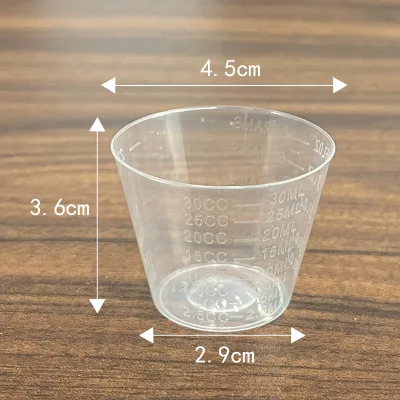


Professional Wholesale Sterile Single Use Collector Urine Collection Cup
$0.02 - $0.10
MOQ: 1000 Pieces


Comprehensive Sourcing Guide
Medical Urine Collection Cup Sourcing Guide
Procuring medical urine collection cups requires a strategic approach that balances clinical utility with commercial efficiency. These devices are primarily designed for the collection of middle urine specimens, serving both laboratory and hospital environments. The end-user is typically the patient, necessitating designs that ensure ease of use and hygiene. Buyers must recognize that these items are often categorized under test strips and test tubes, indicating their role in diagnostic workflows rather than general storage. Understanding this classification helps in aligning procurement with specific laboratory standards and regulatory expectations for specimen integrity.
The market offers a variety of models, including specific identifiers like TJUC01, TJMUCC01, and TJDUC01, which may denote different capacities or features. Some listings also reference HS-N10 or generic terms like "plastic urine container" and "hospital urine container." This diversity suggests that buyers should not assume uniformity across all suppliers. Instead, they must verify the exact model number against their clinical requirements. The focus should remain on ensuring that the selected cup meets the precise volume and material standards required for accurate diagnostic testing in professional medical settings.
Product Scope and Observed Listing Signals
The observed product range indicates a strong emphasis on plastic construction, with specific materials such as PS (polystyrene) for tubes and PE (polyethylene) for caps. This material combination is critical for maintaining specimen stability and preventing leakage. Listings frequently mention capacities ranging from small volumes like 1ml and 2ml to larger containers of 120ml and 150ml. This wide spectrum allows buyers to select containers tailored to specific test types, whether for routine urinalysis or specialized sediment testing. The presence of "Urine Sediment Testing Tube" as a model description highlights the specialized nature of some offerings.
Packaging and shipping details provide further insight into the operational scale of suppliers. Common packing methods include individual pouches, with configurations like 1PCS per pouch or 50/100 pouches per box. Larger cartons may contain 1000 pieces, facilitating bulk handling in high-volume laboratories. Shipping options typically include sea and air freight, with loading ports often cited as Shanghai. These logistical signals suggest that suppliers are equipped to handle international distribution, but buyers must verify the specific packing density to calculate storage space and handling requirements accurately for their facilities.
Technical Specifications to Verify
Capacity is a primary technical variable, with standards listed as 30ml, 40ml, 50ml, 60ml, 90ml, 100ml, and 120ml. Buyers must confirm that the selected volume aligns with the required specimen amount for their diagnostic protocols. Additionally, the physical dimensions of packaging, such as 525350290 mm, impact warehouse logistics. It is essential to verify whether the container includes graduated markings or sterile barriers, as these features affect usability. The distinction between containers with and without ethylene oxide sterilization is also critical, as some clinical applications demand sterile environments to prevent contamination of the urine sample.
Model numbers serve as unique identifiers for these technical variations. For instance, TSUCC02 and TJDUCC01 may represent distinct designs or material compositions. Buyers should cross-reference these codes with supplier datasheets to understand differences in cap tightness, tube transparency, or chemical resistance. The inclusion of logo printing options suggests that some suppliers offer customization for branding purposes. However, buyers must ensure that any customizations do not compromise the structural integrity or sterility of the container, which are vital for maintaining the quality of the collected specimen.
Compliance and Safety Documentation
Regulatory compliance is non-negotiable for medical devices. Listings frequently cite CE and ISO 13485 certifications, which are essential for market access in many regions. Some suppliers also mention FDA compliance, indicating adherence to stringent US regulatory standards. Buyers must request valid certificates and verify their authenticity through official databases. The presence of these certifications ensures that the manufacturing process meets international quality management standards, reducing the risk of product failures in clinical settings. Without proper documentation, the legal and safety implications of using non-compliant devices can be severe.
Sterilization methods are another key compliance factor. Ethylene oxide sterilization is mentioned as an available option, which is a common method for medical plastics. However, some products are listed as without ethylene oxide sterilization, which may limit their use to non-sterile applications. Buyers must clearly define their sterilization requirements based on the intended use case. Additionally, the quality guarantee period of two years provides a benchmark for product durability. Buyers should verify if this guarantee covers material defects or performance issues, ensuring long-term reliability in high-throughput laboratory environments.
Cost Drivers and Commercial Terms
Pricing in this category is described as competitive, with observed ranges starting from very low values. However, buyers must look beyond the unit price to understand the total cost of ownership. Minimum Order Quantities (MOQ) vary significantly, with some listings requiring 10,000 pieces, while others allow for smaller orders. High MOQs can reduce unit costs but increase inventory holding costs. Buyers should assess their consumption rates to determine the optimal order size. Payment terms are typically structured around TT (Telegraphic Transfer), which is standard for international trade but requires careful cash flow management.
Lead times are another critical commercial factor. Delivery times are cited as ranging from 15-20 days to 20-30 days, depending on the order volume and production schedule. Fast delivery is often highlighted as a selling point, but buyers must verify if this applies to stock items or custom orders. Customization options, such as logo printing or specific packaging, may extend lead times. Buyers should negotiate clear delivery schedules and penalties for delays to mitigate supply chain disruptions. Understanding these commercial terms helps in planning procurement cycles and avoiding stockouts in critical medical departments.
Supplier Qualification and Quality Control
Supplier qualification begins with verifying their origin and manufacturing capabilities. Many suppliers are located in Yangzhou, Jiangsu, China, a hub for medical device manufacturing. Buyers should assess the supplier’s production capacity and quality control processes. The acceptance of OEM and ODM services indicates flexibility, but buyers must ensure that the supplier maintains strict quality standards during customization. Requesting samples is a crucial step to evaluate the physical quality, including the clarity of the plastic, the seal of the cap, and the accuracy of volume markings.
Quality control should also extend to the packaging process. The transport package details, such as 15 bags per carton, must be verified to ensure that products are protected during transit. Damage during shipping can render sterile containers unusable. Buyers should inquire about the supplier’s defect rate and return policy. Additionally, the brand name, such as Renji or OEM, may indicate the supplier’s reputation in the market. Establishing a clear communication channel for quality issues is essential for maintaining a reliable supply chain and ensuring that any defects are addressed promptly.
Long-Term Procurement Checks
Long-term success in sourcing medical urine collection cups depends on continuous monitoring of supplier performance. Buyers should establish key performance indicators (KPIs) related to delivery accuracy, product quality, and responsiveness. Regular audits of the supplier’s quality management system can help identify potential issues before they impact supply. The two-year quality guarantee period should be actively managed, with clear procedures for claiming replacements or refunds for defective products. Maintaining a relationship with multiple suppliers can also mitigate risks associated with single-source dependency.
Adaptability to changing regulatory landscapes is another critical factor. As medical standards evolve, suppliers must update their certifications and processes accordingly. Buyers should stay informed about changes in CE, FDA, or ISO requirements that may affect their procurement. Additionally, technological advancements in container design, such as improved sterility barriers or eco-friendly materials, may offer new opportunities for optimization. By staying engaged with industry trends and maintaining rigorous supplier evaluations, buyers can ensure a stable, compliant, and cost-effective supply of medical urine collection cups for their healthcare facilities.
FAQs
What is the quality guarantee period for these cups?
The quality guarantee period is two years for the supplied products. This assurance applies to the plastic material construction and ensures reliability for laboratory or hospital use by patients during specimen collection.
Can I request custom logo printing on the cups?
Custom logo printing is available for these medical urine collection cups. Buyers can choose between options with or without logo printing depending on their specific branding requirements and order specifications.
Which certifications do the manufacturers hold?
The products hold CE, ISO13485, and FDA certifications. These standards confirm compliance with international medical device regulations, ensuring safety and quality for disposable plastic urine containers used in clinical settings.
What is the minimum order quantity for bulk purchase?
The minimum order quantity is 10,000 pieces for standard orders. This threshold applies to the plastic urine containers and ensures efficient production and shipping logistics for international buyers sourcing from China.
How long does delivery take for these containers?
Delivery times range from 15 to 30 days depending on the specific model and order volume. Fast shipping options are available, with lead times varying between 15-20 days or 20-30 days based on production schedules.
Are the cups sterilized with ethylene oxide?
Sterilization options include both with and without ethylene oxide treatment. Buyers can select specific models that are ethylene oxide sterilized or non-sterilized based on their facility protocols and regulatory requirements for specimen collection.
What packaging methods are used for shipping?
Products are packed in bags, boxes, or cartons and shipped by sea or air. Specific configurations include 1 piece per pouch or 20 pieces per bag, with bulk cartons containing 1000 pieces for efficient transport.