Source Disposable Flat Bottom Test Tube for Lab Sampling and Analysis
Compare 30 listings for Disposable Flat Bottom Test Tube options from verified suppliers. Buyers can evaluate materials like glass and plastic, capacities ranging from 5ml to 10ml, and customization features for laboratory sampling and analysis needs; compare the available evidence and request quotations based on your requirements.
Key considerations
Products List

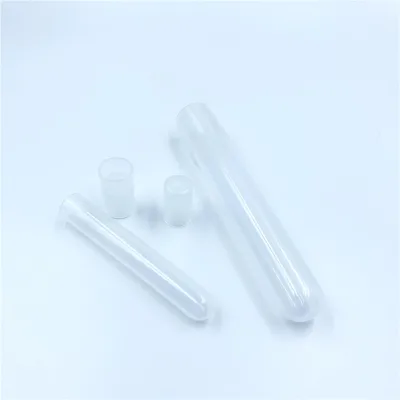


$0.01 - $0.02
MOQ: 10000 Pieces


Comprehensive Sourcing Guide
Disposable Flat Bottom Test Tube Sourcing Guide
Procuring disposable flat bottom test tubes requires a clear understanding of the distinction between glass and plastic variants, as both are prevalent in laboratory settings. The observed market data indicates a wide range of materials, with glass and plastic being the primary options. Buyers must carefully evaluate whether their specific application demands the thermal stability of glass or the shatterproof convenience of plastic. This choice fundamentally influences the product’s suitability for high-temperature experiments versus routine sampling tasks.
The term "disposable" often overlaps with "non-disposable" in supplier listings, creating potential confusion during the sourcing process. It is critical to verify the actual disposability status of each item, as some products labeled as disposable may be intended for single-use only, while others might be reusable. Clear communication with suppliers regarding the intended lifecycle of the tube is essential to avoid procurement errors. Misinterpreting these attributes can lead to significant operational inefficiencies or safety hazards in the laboratory environment.
Product Scope and Observed Listing Signals
The current market offers a diverse array of test tubes, including ordinary test tubes, drainage containers, and specialized sampling tubes. Observed listings highlight capacities ranging from 5ml to 60ml, with common sizes like 12x75mm and 15x100mm being frequently available. These dimensions cater to various laboratory needs, from small-volume chemical reactions to larger sample storage. Buyers should pay close attention to the specific model numbers and standard sizes provided by suppliers to ensure compatibility with existing laboratory equipment.
Packaging and customization options are significant factors in the sourcing landscape. Many suppliers offer bulk packaging, such as 500 pieces per bag or 100 pieces per box, which facilitates efficient inventory management. Additionally, customization services, including logo printing and OEM acceptance, are widely available, allowing organizations to brand their laboratory consumables. However, buyers must confirm whether customization affects lead times or minimum order quantities, as these variables can impact procurement planning and budget allocation.
Technical Specifications to Verify
When evaluating technical specifications, the shape and bottom type of the test tube are paramount. Flat bottom tubes are preferred for stability on laboratory benches, whereas round bottom tubes may require specialized holders. The observed data includes both round and flat bottom options, with some products featuring a U-shaped bottom without a rim. Buyers must explicitly confirm the bottom type to ensure it meets their experimental requirements, as using the wrong shape can lead to instability or inaccurate measurements during procedures.
Material composition and flexibility are also critical technical attributes to verify. While glass offers chemical resistance and thermal stability, plastic tubes provide durability and ease of handling. The observed listings indicate that plastic tubes can be either hard or flexible, depending on the specific polymer used. Additionally, the presence of needle sizes in some listings suggests compatibility with syringes or other injection devices. Buyers should request detailed material specifications to ensure the tube’s chemical compatibility with the intended reactants, particularly when dealing with aggressive liquids.
Compliance and Safety Documentation
Compliance with international standards is a key consideration for laboratory procurement. Many suppliers claim certifications such as ISO and CE, which indicate adherence to quality management and safety standards. However, buyers must verify the specific scope of these certifications to ensure they cover the relevant product categories. The absence of detailed certification documents can pose a risk, especially in regulated industries where traceability and quality assurance are mandatory. Requesting valid certification copies from suppliers is a necessary step in the due diligence process.
Safety documentation should also include information on the recyclability and environmental impact of the products. Some listings mention that the tubes are made from recycled materials, which can be a significant factor for organizations with sustainability goals. Buyers should inquire about the end-of-life disposal procedures for both glass and plastic tubes to ensure compliance with local environmental regulations. Understanding the environmental footprint of the procurement can help align purchasing decisions with broader corporate social responsibility initiatives.
Cost Drivers and Commercial Terms
Cost drivers for disposable flat bottom test tubes include material type, volume capacity, and packaging complexity. Glass tubes generally command higher prices than plastic alternatives due to manufacturing costs and fragility concerns. Additionally, customizations such as logo printing or specific packaging configurations can increase the unit price. Buyers should analyze the total cost of ownership, considering factors like breakage rates and replacement frequency, rather than focusing solely on the initial purchase price.
Commercial terms, including minimum order quantities (MOQ) and lead times, vary significantly among suppliers. Observed MOQs range from as low as one piece to 100,000 pieces, catering to both small labs and large-scale industrial buyers. Lead times are typically around 15 days, but this can extend for customized orders. Buyers should negotiate clear terms regarding payment methods, shipping responsibilities, and return policies to mitigate financial risks. Establishing a reliable supply chain with predictable lead times is crucial for maintaining uninterrupted laboratory operations.
Supplier Qualification and Quality Control
Supplier qualification involves assessing their manufacturing capabilities and quality control processes. Buyers should prioritize suppliers who offer a quality guarantee period, such as the two-year warranty observed in some listings. This indicates a level of confidence in the product’s durability and performance. Additionally, suppliers who accept small quantity custom orders demonstrate flexibility and customer-centric approaches, which can be beneficial for specialized laboratory needs. Verifying the supplier’s production capacity and consistency is essential to ensure a steady supply of high-quality products.
Quality control measures should include rigorous testing for material integrity and dimensional accuracy. Buyers should request sample batches to evaluate the physical properties of the tubes, such as wall thickness and bottom flatness. Inspecting the packaging for damage and ensuring that the products are securely wrapped, such as shrink film on cartons, can prevent transit-related defects. Establishing a clear quality acceptance criteria and conducting regular audits of supplier performance can help maintain high standards in laboratory consumables procurement.
Long-Term Procurement Checks
Long-term procurement success depends on continuous monitoring of supplier performance and product quality. Buyers should establish key performance indicators (KPIs) related to delivery times, defect rates, and customer service responsiveness. Regularly reviewing these metrics can help identify potential issues early and facilitate timely corrective actions. Building a strong relationship with suppliers through open communication and feedback can also lead to better pricing and priority service during high-demand periods.
Adapting to changing laboratory needs and technological advancements is another critical aspect of long-term procurement. As new materials and designs emerge, buyers should stay informed about industry trends and innovations. This proactive approach allows for strategic upgrades to laboratory consumables, enhancing efficiency and safety. Additionally, reviewing and updating procurement policies periodically ensures that they remain aligned with organizational goals and regulatory requirements, fostering a resilient and adaptable supply chain.
FAQs
What materials are used for disposable flat bottom test tubes?
These tubes are available in both glass and plastic materials. Glass options offer transparency and chemical resistance, while plastic versions provide flexibility and durability. Both types support laboratory sampling and testing applications effectively.
Which certifications do these test tubes typically hold?
Many products carry ISO and CE certifications to ensure quality and safety standards. These certifications verify that the manufacturing processes meet international requirements for medical and laboratory equipment used in various testing environments globally.
Can I customize the logo on these test tubes?
Logo printing is available for some models, while others come without branding. Buyers can request custom orders with specific logos, though small quantity custom orders are acceptable for flexible production needs and specific client requirements.
What is the typical lead time for these products?
The standard lead time is approximately 15 days for order fulfillment. This duration allows for proper manufacturing and quality checks before shipping, ensuring that the products meet the required specifications and delivery schedules for buyers.
How are these test tubes packaged for shipment?
Packaging options include cartons, cardboard boxes, and shrink film wrapping. Common configurations involve 500 pieces per bag with 10 bags per carton, or 100 pieces per box with 50 boxes per carton for efficient transport and storage.
What sizes are available for these test tubes?
Sizes range from 12x75mm up to 15x100mm with capacities from 5ml to 60ml. Specific models include dimensions like 13x75mm and 13x100mm, catering to various laboratory needs and ensuring compatibility with different testing protocols and equipment.
Are these test tubes suitable for laboratory use?
Yes, they are designed specifically for laboratory applications and sampling tasks. The round bottom and flat bottom designs without rims facilitate easy handling and mixing, making them ideal for liquid reactant testing and general scientific experiments.