Source PTFE Chamber Vacuum Spin Coater for Lab and School
Find 26 PTFE chamber vacuum spin coater options for lab, school, and industrial coating applications. Compare models with aluminum or steel substrates, varying spin speeds, and vacuum coating processes to identify the right equipment for your specific substrate size and dispensing needs.
Key considerations
Products List


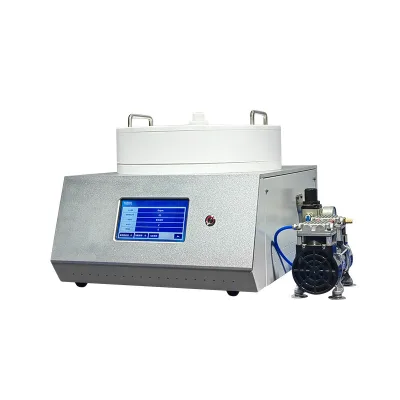
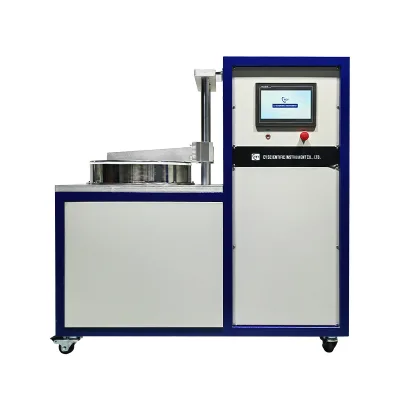
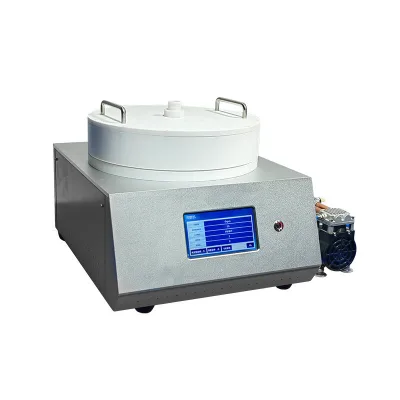
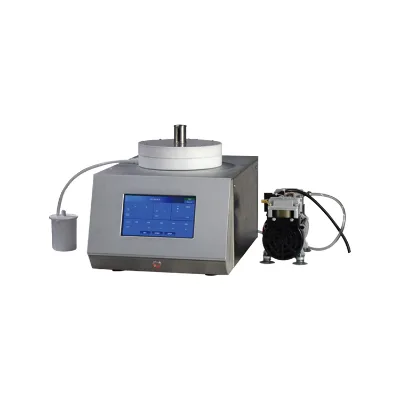


Comprehensive Sourcing Guide
PTFE Chamber Vacuum Spin Coater Sourcing Guide
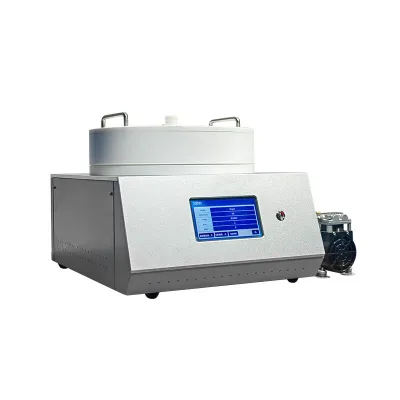
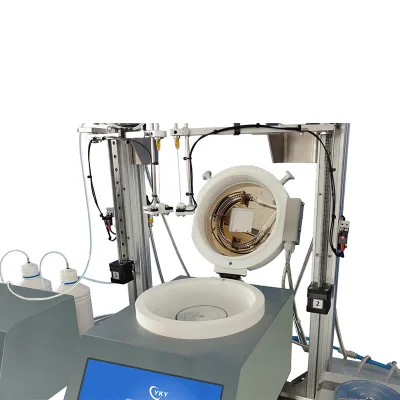
Buyers evaluating PTFE chamber vacuum spin coaters must first distinguish between desktop units and full production lines, as the observed market data reveals distinct configurations for different operational scales. The available listings indicate specific models designed for laboratory and school environments, while others are engineered for broader industrial coating applications with varying substrate capacities. Understanding this distinction is critical before initiating contact with suppliers, as the physical footprint and integration requirements differ significantly between a compact desktop unit and a larger automated system.
Procurement decisions should also account for the specific chamber material composition, as the data shows options ranging from aluminum alloy to PTFE-lined environments. This material choice directly influences chemical resistance and coating purity, particularly when processing sensitive liquid or colloidal materials. Buyers must verify whether the PTFE lining is a standard feature or an optional upgrade for their specific model, ensuring the equipment matches the chemical compatibility needs of their intended coating processes without unnecessary cost overruns.
Product Scope and Observed Listing Signals
The observed product range spans from compact desktop spin coaters to comprehensive coating production lines, with listing prices reflecting this vast operational diversity. Buyers will encounter units with substrate sizes ranging from small 8-inch diameters up to 200mm capacities, each tailored to specific throughput requirements. The presence of both single-step manual dispensing methods and programmable multi-segment curves suggests that the market offers solutions for both simple prototyping and complex, repeatable industrial manufacturing cycles.
Listing signals also highlight variations in structural design, including desktop configurations and larger floor-standing units with distinct overall dimensions. Some models feature specific standard sizes like 8 inches or 300mm, while others provide flexible chuck options ranging from 10mm to 200mm to accommodate diverse wafer or substrate formats. Buyers should carefully cross-reference these physical specifications against their facility constraints and substrate inventory to ensure the selected unit fits both spatially and functionally within their existing workflow.
Technical Specifications to Verify
Technical verification must begin with the spin speed and acceleration parameters, as observed data indicates ranges from 0 to 10,000 rpm with acceleration rates up to 5,000 rpm/s. These metrics are essential for achieving uniform film thickness, and buyers should confirm that the specific unit's speed resolution meets their precision requirements, with some models offering 1 rpm resolution for fine-tuned control. Ensuring the motor can sustain the required torque at maximum speeds is equally important for maintaining consistency across large batches of coated substrates.
Buyers must also scrutinize the heating capabilities and vacuum pump specifications, as the data shows operating temperatures from room temperature up to 200°C and the use of dry mechanical pumps. The coating curve capability, with some units supporting five segments per curve, allows for complex ramp-up and ramp-down profiles necessary for advanced material deposition. Verifying that the voltage requirements, such as AC220V 50Hz, align with local facility power standards is a critical step to prevent installation delays or the need for costly electrical modifications.
Compliance and Safety Documentation
Compliance verification requires checking for specific certifications like CE and ISO, which appear in the product attributes for various models in the current market. While some listings explicitly state ISO and CE compliance, others may only list CE, so buyers must request the full certification dossier to ensure the equipment meets the regulatory standards of their target export markets. Relying on general claims without documented proof can lead to customs delays or legal liabilities, particularly when importing machinery into regions with strict safety and electromagnetic compatibility regulations.
Safety documentation should also include detailed information on the vacuum system and electrical components, ensuring they adhere to relevant industrial safety standards. The presence of RoHS certification in some listings indicates compliance with restrictions on hazardous substances, which is increasingly important for environmental regulations in many jurisdictions. Buyers should insist on a comprehensive safety manual that covers emergency stop procedures, ventilation requirements for the PTFE chamber, and proper handling protocols for the high-speed rotating components to mitigate operational risks.
Cost Drivers and Commercial Terms
Cost drivers in this category are heavily influenced by the chamber material, with PTFE-lined units typically commanding a premium over standard aluminum alloy constructions due to superior chemical resistance. The inclusion of advanced features such as programmable multi-segment curves, precise speed resolution, and integrated heating systems further increases the base price of the equipment. Buyers should expect significant price variations between basic desktop models and fully automated production lines, with the observed range extending from under $100 to over $150,000 depending on the complexity and capacity of the system.
Commercial terms must be clarified regarding packaging and shipping, as the data indicates options ranging from wooden boxes to plywood cases for different model sizes. The minimum order quantity appears flexible, with some listings showing an MOQ of just one unit, which is advantageous for small-scale procurement or pilot testing. However, buyers should negotiate lead times and shipping terms carefully, as the origin locations vary between Zhengzhou and Changsha, potentially affecting transit duration and import duties depending on the final destination.
Supplier Qualification and Quality Control
Supplier qualification should focus on verifying the origin of the equipment, as the data points to manufacturers located in Zhengzhou and Changsha, China. Buyers must confirm that the supplier has a proven track record in manufacturing spin coaters with PTFE chambers, as this specific niche requires specialized knowledge in material handling and vacuum integrity. Requesting references from previous clients who have operated similar models in comparable environments will provide insight into the supplier's reliability and after-sales support capabilities.
Quality control processes must be validated through a review of the manufacturing standards and testing protocols employed by the supplier. The presence of specific model numbers like CY-SPC8-HAR or LS-PC12 suggests a structured product line, but buyers should request detailed quality assurance reports for the specific unit they intend to purchase. Ensuring that the final assembly includes rigorous testing of the vacuum pump, motor stability, and coating uniformity is essential to guarantee that the delivered equipment performs as specified before final payment is released.
Long-Term Procurement Checks
Long-term procurement success depends on establishing a clear maintenance schedule and verifying the availability of spare parts for critical components like the vacuum pump and heating elements. Buyers should confirm that the supplier offers a warranty period that covers both the mechanical and electrical systems, with specific attention to the PTFE chamber lining which may degrade over time under harsh chemical exposure. A robust support agreement should include provisions for technical troubleshooting and on-site service visits to minimize downtime during critical production runs.
Future scalability is another key consideration, as the buyer's needs may evolve from laboratory testing to full-scale production. Buyers should assess whether the current supplier can provide upgrades or additional modules, such as automated dispensing systems or larger substrate chucks, to accommodate growth without requiring a complete equipment replacement. Establishing a long-term partnership with a supplier who understands the specific technical nuances of PTFE chamber spin coaters will ensure continued operational efficiency and access to the latest technological advancements in the field.
FAQs
What substrate sizes are supported by the CY-SPC8-H model?
The CY-SPC8-H model supports substrates with a diameter of 8 inches or 200mm. This specification allows for standard wafer processing in laboratory settings. The machine features a spin speed range of 0 to 10000rpm with acceleration up to 5000rpm/S. It is designed for new condition operation and includes vacuum coating capabilities for precise film deposition.
Can the spin coater chamber material be customized to PTFE?
Yes, the chamber material can be customized to PTFE for specific chemical resistance needs. The CY-SPC12-PTFE and CY-SPC8-PTFE models feature PTFE chambers. These units support substrates up to 300mm and 200mm respectively. Customization is available for various applications, ensuring compatibility with sensitive materials and processes in research environments.
What is the maximum spin speed for the CY-SPC8-AR model?
The CY-SPC8-AR model offers a maximum spin speed of 5000rpm. It provides a speed resolution of 1rpm for precise control. The unit includes a single step time of 3000s and manual dispensing. This configuration is suitable for lab and school applications requiring stable, programmable coating curves with five segments per curve.
Which certifications are provided for the CY-SPC8-HAR production line?
The CY-SPC8-HAR production line holds both ISO and CE certifications. These standards ensure compliance with international safety and quality requirements. The system is designed for coating production, offering robust performance for industrial or advanced laboratory use. Buyers can verify these certifications to ensure regulatory adherence for their specific operational environments.
How is the spin coater packaged for shipping from China?
The spin coaters are packaged in wooden boxes or plywood cases for secure shipping. The CY-SPC8-H model uses a wooden box, while the CY-SPC8-PTFE uses a wooden case. The LS-PC12 model is packed in a plywood case. This packaging protects the equipment during transit from origins like Zhengzhou or Changsha, China.
What voltage and heating options are available for the CY-SPC12-PTFE?
The CY-SPC12-PTFE operates on AC220V, 50Hz voltage. It features a heating range from room temperature to 200°C. The unit includes a dry mechanical vacuum pump and supports chucks of 10, 25, 55, 100, and 200mm. These features enable versatile coating applications for liquid or colloidal materials in controlled laboratory conditions.