Source Medicine Amber Glass Bottle for Pharma, Lab, and Retail
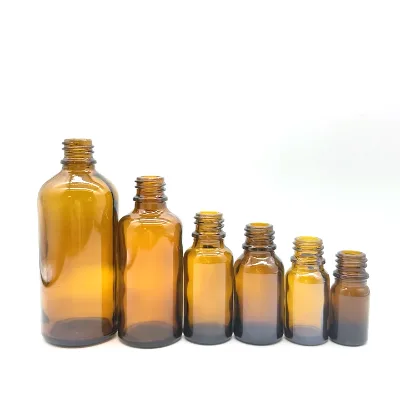
Find 30 Medicine Amber Glass Bottle options from Chinese manufacturers. Compare 15ml to 125ml capacities, twist and screw cap sealing methods, and ISO9001/FDA certified suppliers for pharmaceutical and daily use applications; compare the available evidence and request quotations based on your requirements.
Key considerations
Products List


100ml Brown Glass Syrup Medicine Bottle Amber Glass Pharmaceutical Empty Bottles
$0.08 - $0.18
MOQ: 10000 Pieces


$0.45 - $0.96
MOQ: 10000 Pieces


Comprehensive Sourcing Guide
Medicine Amber Glass Bottle Sourcing Guide
Procuring medicine amber glass bottles requires a strategic approach to ensure the integrity of pharmaceutical packaging while managing supply chain efficiency. Buyers must first distinguish between general glass containers and those specifically engineered for light-sensitive drug formulations, as the amber hue provides critical UV protection. The observed market data indicates a diverse range of capacities, from small 15ml vials to larger 1000ml containers, necessitating precise specification matching before engaging with suppliers.
Sourcing decisions should be grounded in verified product attributes rather than generic marketing claims. The available listings reveal specific sealing methods like twist caps and screw caps, which directly impact the tamper-evident security and dispensing functionality required for different dosage forms. Understanding these mechanical differences is essential for aligning the packaging with the specific filling equipment and regulatory requirements of the target pharmaceutical market.
Product Scope and Observed Listing Signals
The current market landscape for medicine amber glass bottles presents a wide spectrum of product models, including specialized pill bottles and general-purpose containers with varying capacities. Listings indicate specific model identifiers such as VP-26-035 and generic descriptions like glass pill bottles, suggesting that buyers must carefully cross-reference model numbers with their exact volume needs to avoid compatibility issues during the filling process.
Buyers should also scrutinize the observed customization options, as many suppliers offer tailored solutions for branding and specific usage scenarios. The presence of multicolor and clear glass options alongside the primary amber variants highlights the need to verify that the selected bottle strictly meets the light-protection standards required for the specific medication being packaged. This verification prevents the accidental procurement of clear glass that fails to protect light-sensitive active ingredients.
Technical Specifications to Verify
Technical verification must begin with the glass rank and color consistency, as the amber glass must provide a uniform barrier against ultraviolet radiation to preserve drug stability. The observed data confirms the availability of high-clear and amber glass ranks, but buyers must request batch-specific spectral transmission data to ensure the amber tint meets the necessary optical density for their specific pharmaceutical product.
Sealing mechanisms and capacity tolerances are equally critical technical parameters that require rigorous validation. While twist caps and screw caps are commonly listed, the specific thread pitch and closure torque must align with the filling line machinery to prevent leaks or seal failures. Additionally, the observed capacity range from 15ml to 1000ml requires precise measurement verification to ensure the bottle holds the exact volume specified on the label without overfilling or underfilling risks.
Compliance and Safety Documentation
Regulatory compliance is non-negotiable in the pharmaceutical sector, and buyers must demand evidence of ISO9001 and FDA certifications from potential suppliers. The observed listings frequently cite these certifications, yet it is imperative to verify that the specific production facility holds valid, current certificates rather than relying on general company claims. This due diligence ensures that the manufacturing process adheres to international quality management standards required for medical packaging.
Safety documentation must also include material safety data sheets and migration test results to confirm that the glass and any inks or coatings do not leach harmful substances into the medication. The presence of SGS, LFGB, and FDA standards in the product data suggests a baseline of safety, but buyers should explicitly request recent third-party test reports for the specific batch of amber glass bottles to confirm compliance with local pharmacopeia regulations.
Cost Drivers and Commercial Terms
Cost structures for medicine amber glass bottles are heavily influenced by the minimum order quantity and the complexity of the customization required. The observed MOQ range spans from 5,000 to 300,000 units, meaning that smaller pharmaceutical startups may face significant capital constraints unless they can consolidate orders or find suppliers with flexible low-volume policies. Buyers must calculate the total landed cost, including shipping and potential tariffs, to determine the true economic viability of different supplier options.
Commercial terms regarding payment and lead times are equally critical factors that can impact cash flow and inventory planning. While some listings mention free samples, the actual production lead time and the ability to meet urgent restocking needs must be clarified before signing a contract. Understanding the pricing tiers associated with different volume brackets allows buyers to negotiate effectively and secure the best possible unit price without compromising on quality or delivery schedules.
Supplier Qualification and Quality Control
Supplier qualification should extend beyond basic certification checks to include a thorough assessment of their quality control protocols and production capacity. Buyers must verify that the supplier has a robust system for inspecting glass defects, such as bubbles or inclusions, which can compromise the structural integrity of the bottle during transport or filling. The observation of various packing methods, including pallets with shrink wrappers, indicates that packaging standards vary and must be explicitly defined in the purchase agreement.
Quality control procedures must also encompass the verification of the sealing integrity and the consistency of the amber color across the entire production run. Suppliers should provide a detailed quality assurance plan that outlines how they handle non-conforming products and the frequency of their internal audits. Engaging with suppliers who offer OEM services and have a proven track record in the pharmaceutical industry ensures a higher level of reliability and product consistency.
Long-Term Procurement Checks
Establishing a long-term procurement strategy requires regular audits of supplier performance and continuous monitoring of product quality over time. Buyers should implement a schedule for periodic re-verification of certifications and material safety data to ensure that the supplier maintains compliance as regulations evolve. This proactive approach helps mitigate the risk of supply chain disruptions caused by sudden regulatory changes or quality failures in the manufacturing process.
Relationship management and supply chain resilience are also vital for maintaining a steady flow of packaging materials. Buyers should foster open communication channels with suppliers to anticipate potential delays or capacity constraints and to collaborate on continuous improvement initiatives. By maintaining a diversified supplier base and regularly reviewing performance metrics, pharmaceutical companies can ensure a stable and reliable supply of high-quality amber glass bottles for their critical operations.
FAQs
What certifications do medicine amber glass bottles typically have?
These bottles commonly hold ISO9001 and FDA certifications to ensure pharmaceutical compliance. Some listings also reference SGS and LFGB standards for broader safety verification. Buyers should verify specific documentation with the supplier to confirm that the amber glass meets the required regulatory thresholds for their target market and intended medicinal use.
Can I customize the logo on these amber glass containers?
Yes, customization is available for many of these pharmaceutical glass bottles. Suppliers often accept OEM requests to print or etch custom logos onto the amber glass surface. This allows brands to maintain visual identity while using standard cylindrical or round bottle shapes that provide effective light protection for sensitive medicinal products.
What is the typical MOQ for ordering medicine amber glass bottles?
The minimum order quantity usually ranges from 5,000 to 300,000 units depending on the specific model and customization level. Some suppliers list an MOQ of 50,000 pieces for standard items, while others may require 10,000 units for certain configurations. Buyers should confirm the exact threshold with the manufacturer before finalizing procurement plans.
Which sealing methods are used for these pharmaceutical glass bottles?
Common sealing methods include twist caps and screw caps to ensure secure closure for medicinal contents. These mechanisms help maintain product integrity and prevent leakage during transport. The choice between twist and screw options often depends on the specific bottle design and the requirements of the pharmaceutical packaging application.
How are these amber glass bottles typically packed for shipment?
Products are generally packed in cartons and placed on pallets with shrink wrap for stability. Some suppliers offer carton packaging alone or combine pallets with shrinkage wraps to protect the glass during transit. This packaging method helps prevent breakage and ensures that the amber glass bottles arrive in good condition for pharmaceutical use.
What glass ranks are available for these medicine containers?
Available glass ranks include clear, high clear, and amber glass options. The amber variant is specifically chosen for its ability to block harmful light wavelengths, protecting light-sensitive medications. Buyers can select the appropriate rank based on the specific storage requirements and stability needs of the pharmaceutical products they intend to package.