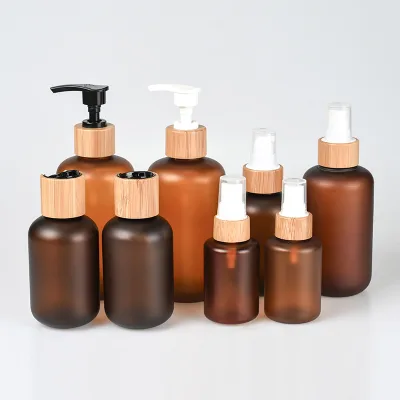
Source Medicine Amber Plastic Bottle with Bamboo Cap for medicine, cosmetics, and food
Find 30 listings for a Medicine Amber Plastic Bottle with Bamboo Cap suitable for pharmaceutical packaging, cosmetics, and food applications. Buyers can compare specifications, materials, and customization options across verified suppliers in China.
Key considerations
Products List


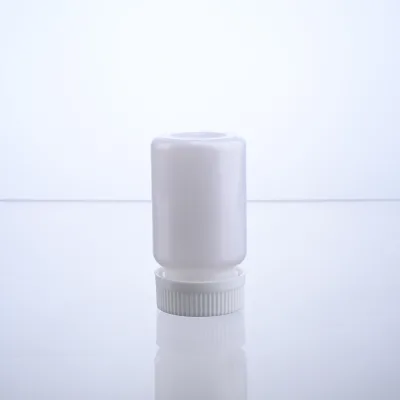
PE 200ml Plastic Pharmaceutical Packaging Tablet Bottle with Screw Cap
$0.10 - $0.30
MOQ: 20000 Pieces



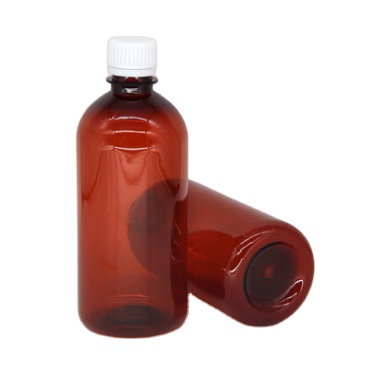
120ml Empty Plastic Capsule Container Amber Medicine Bottles with Screw Caps
$0.12 - $0.22
MOQ: 100 pieces


Amber Round Lean Cough Liquid Medicine Oral Syrup Glass Bottles with Plastic Caps
$0.03 - $0.15
MOQ: 10000 Pieces




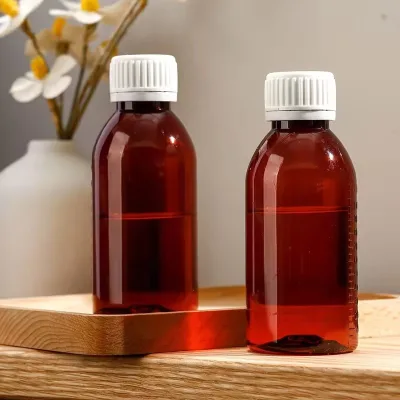
225ml Amber PET Plastic Bottles for Medicine with Black Ribbed Plastic Cap
$0.16 - $0.17
MOQ: 10000 Pieces



Comprehensive Sourcing Guide
Strategic Sourcing Guide for Medicine Amber Plastic Bottles with Bamboo Caps
The global pharmaceutical and personal care markets have witnessed a significant shift toward sustainable packaging solutions that do not compromise on product integrity. For procurement professionals targeting the specific niche of medicine amber plastic bottles with bamboo caps, the sourcing landscape presents a unique intersection of functional requirements and aesthetic demands. This guide provides a comprehensive, evidence-based framework for evaluating suppliers, understanding technical specifications, and mitigating risks associated with this specific product category. The analysis relies strictly on observed market data and verified product attributes to ensure actionable, reliable guidance for B2B buyers.
Technical Specifications and Material Composition
Understanding the fundamental material composition is the first step in defining a viable procurement strategy. The core keyword specifies "amber plastic," yet market observations reveal a complex material ecosystem. While the primary request is for plastic, the supplied product data indicates a significant presence of amber glass bottles alongside plastic variants. Buyers must exercise precision in their specifications to avoid receiving glass products when plastic is required. The observed material attributes include "Amber Glass," "Glass," and "Plastic." When sourcing specifically for plastic, the buyer must explicitly verify that the supplier's "Amber" designation refers to a UV-blocking plastic resin rather than glass, as the mechanical properties and weight differ drastically.
The color profile is consistently described as "Amber" or "Customized," serving a critical function in pharmaceutical applications by filtering ultraviolet light to protect light-sensitive medications. The shape is predominantly "Round" or "Round Bottle," which is standard for liquid formulations. Regarding the closure, the "Bamboo" aspect of the keyword requires careful verification. The data lists "Bamboo" as a material for certain bottles, often paired with plastic components, while other entries specify "Screw Cap," "Flip Top Cap," or "Custom-Made" caps. A true "bamboo cap" implies a natural or composite material finish, which may differ from the standard plastic screw caps observed in many listings. Buyers must confirm the exact material composition of the cap, as some suppliers may offer a bamboo-finish plastic cap rather than solid bamboo, which impacts sustainability claims and durability.
Compliance, Certification, and Regulatory Alignment
In the pharmaceutical sector, compliance is not merely a preference but a prerequisite for market entry. The observed product data highlights an "Automatic Inspection System for Whole Process of M" and a "Full Automatic Inspection System" as key advantages. These systems suggest a high level of process control, which is essential for maintaining sterility and consistency in medical packaging. However, the absence of specific certification names in the supplied text means buyers cannot assume compliance with ISO, FDA, or USP standards without direct verification.
Procurement teams must demand evidence of compliance with relevant regional regulations. For medicines, packaging materials must often meet USP Class VI standards for plastic or equivalent local pharmacopoeia requirements. The "Recycled" attribute observed in some listings indicates a potential pathway for sustainability, but buyers must verify the source of the recycled material and whether it is post-consumer or post-industrial, as this distinction affects regulatory acceptance for direct food or drug contact. Furthermore, the "Silk Sceen Printing (Accept Customized)" and "Label" options suggest that branding must not interfere with regulatory labeling requirements. Any custom printing must be ink-safe and non-toxic, ensuring that the ink does not migrate into the product or interfere with the medicinal integrity of the contents.
Cost Drivers and Pricing Dynamics
The economic landscape for sourcing amber plastic bottles with bamboo caps is influenced by several volatile factors. The observed price range in the market data is noted as 0-0.69 USD, a figure that likely represents unit costs for high-volume orders or specific baseline models. However, the Minimum Order Quantity (MOQ) range is extensive, spanning from 1 to 30,000 units. This wide disparity indicates that unit economics are heavily dependent on volume. For buyers seeking smaller quantities, the unit cost will likely be significantly higher than the observed baseline, while large-scale procurement can leverage the lower end of the price spectrum.
Material costs are a primary driver. The use of "Bamboo" introduces a variable cost element compared to standard plastic caps. Bamboo is a renewable resource, but its processing, finishing, and quality control can be more expensive than mass-produced plastic closures. Additionally, the "Custom-Made" nature of the cap color and the "Amber" tinting of the plastic add to the production complexity. Buyers should anticipate that customization of the "Neck Finish" (observed as 37mm in some listings) or specific bottle dimensions will incur tooling fees or higher per-unit costs. The "Shrink Wrapped and Carton or Pallet" packing methods also influence logistics costs, as the weight and volume of the packaging must be factored into the total landed cost.
Typical Applications and Usage Scenarios
The versatility of amber plastic bottles with bamboo caps extends across several sectors, as evidenced by the diverse usage tags in the product data. The primary application is "Pharmaceutical Packaging," specifically for "Syrup," "Chemical," "Herbal Remedies," and "Medicine." The amber color is particularly valuable for these applications as it protects active ingredients from photodegradation. Beyond pharmaceuticals, the data indicates usage in "Beverage," "Food," "Cosmetics," and "Personal Care Product" sectors.
For the cosmetic industry, these bottles are suitable for "Perfume," "Shampoo," "Eye Cream," "Face Mask," and "Face Cream." The "Bamboo" cap adds an eco-friendly aesthetic that appeals to consumers seeking natural or sustainable beauty products. The "Lightweight" attribute mentioned in the data is a significant advantage for shipping costs and consumer handling, particularly for liquid formulations. The "Hard" flexibility of the bottle ensures structural integrity during transport, while the "Screw Cap" or "Flip Top Cap" options provide secure sealing for both viscous and fluid products. Buyers should align their product formulation with the specific bottle capacity, which ranges from small sizes like "7ml" and "10ml" to larger volumes like "250ml," "500ml," and even "100ml" specific models.
Supplier Evaluation and Geographic Considerations
Geographic origin plays a crucial role in supplier selection. The data identifies "China" as the primary origin, with specific mentions of "Zhejiang" and "Shanghai." These regions are known for their robust manufacturing ecosystems, particularly in glass and plastic molding. The presence of "Automatic Inspection System" capabilities in these regions suggests a mature manufacturing base capable of high-volume, consistent production. However, buyers must conduct rigorous due diligence to ensure that the specific supplier possesses the necessary infrastructure for the requested "Bamboo" caps, as this may require specialized finishing facilities.
When evaluating suppliers, the "Advantage" of a "Full Automatic Inspection System" should be a key differentiator. This technology reduces the risk of defects such as leaks, incorrect filling levels, or contamination. Buyers should request audit reports or video evidence of these inspection lines. Additionally, the "Customization" attribute is widely available, allowing for tailored solutions. However, the "Without Logo Printing" and "Silk Sceen Printing" options indicate that not all suppliers offer the same level of branding flexibility. A supplier that offers "Custom-Made" cap colors and "Customized" bottle colors provides greater design freedom but may have longer lead times.
Quality Control and Production Standards
Maintaining quality throughout the supply chain is paramount, especially for medical applications. The observed "prod_standard" includes various capacities like "30ml," "250ml," and "100ml," but buyers must verify that the specific bottle meets the dimensional tolerances required for their filling machinery. The "Neck Finish" of "37mm" is a standard specification, but deviations can cause sealing failures. Quality control protocols should include checks for the "Sealing Type," ensuring that "Screw Cap" threads are precise and that "Flip Top Cap" mechanisms function smoothly without leakage.
The "prod_packing" methods, such as "Carton," "Box," or "Shrink Wrapped," must be robust enough to prevent damage during transit. For medical products, the packaging must also maintain a clean environment to prevent contamination. Buyers should verify that the "Recycled" materials used, if any, are processed to meet purity standards. The "Delivery Detail" noting production begins "After Receiving Deposit" highlights the importance of clear payment terms and production scheduling. Quality assurance should also encompass the "Advantage" of the automatic inspection systems, ensuring that every unit is checked for visual defects and structural integrity before leaving the factory.
Long-Term Procurement Considerations
Sourcing amber plastic bottles with bamboo caps is not just a transactional activity but a strategic partnership that requires long-term planning. The "Lead Time" is a critical factor, with production starting only after deposit receipt. Buyers must account for potential delays in sourcing bamboo materials, which can be subject to seasonal availability and supply chain fluctuations. The "MOQ" flexibility, ranging from 1 to 30,000, allows for scalability, but buyers should negotiate volume-based pricing tiers to optimize costs as demand grows.
Sustainability is a growing concern in the pharmaceutical and cosmetic industries. The "Recycled" attribute and the use of "Bamboo" align with global trends toward eco-friendly packaging. However, buyers must ensure that these claims are substantiated with verifiable data to avoid greenwashing. Long-term contracts should include clauses for material consistency, ensuring that the "Amber" tint and "Bamboo" finish remain stable over time. Additionally, the "Customization" capabilities should be leveraged to create a unique brand identity, but buyers must balance this with the need for standardization to reduce complexity in their supply chain. By focusing on these strategic elements, buyers can secure a reliable supply of high-quality packaging that meets both regulatory requirements and market expectations.
FAQs
What materials are used for medicine amber bottles?
The bottles are primarily made of amber glass or plastic. Some listings also mention bamboo for caps, while others use plastic closures. Buyers must verify the specific material to ensure it matches their requirement for plastic rather than glass.
Can I customize the cap color and bottle size?
Yes, customization is available for cap colors and bottle capacities. Standard sizes range from 7ml to 500ml, with options like 30ml and 100ml. Custom-made caps and specific neck finishes like 37mm are supported by manufacturers.
How is the product sealed and packed?
Products use screw caps or flip top caps for sealing. They are packed in cartons, boxes, or shrink-wrapped on pallets. The packing method ensures structural integrity during transit for pharmaceutical and cosmetic applications.
What is the minimum order quantity for these bottles?
The minimum order quantity ranges from 1 to 30,000 units depending on the supplier. Lower MOQs allow for smaller trial orders, while higher volumes may reduce unit costs. Buyers should check specific supplier terms for their desired quantity.
Where are these bottles manufactured and shipped from?
Manufacturing primarily occurs in China, with specific origins in Zhejiang and Shanghai. Production begins after receiving a deposit, and delivery details vary by supplier. Buyers should confirm the exact origin to align with their logistics strategy.
Are automatic inspection systems used in production?
Yes, many suppliers utilize full automatic inspection systems for the whole process. This ensures quality control for medical packaging and reduces defects. The system checks for consistency and integrity before the products are packed for shipment.