Source Megacasting Aluminum Die Casting Molds for Auto, Appliances, Electronics
Compare 30 listings for Megacasting Aluminum Die Casting Molds designed for auto parts, household appliances, and electronic hardware. Buyers can evaluate specifications like tolerance grades, surface treatments, and die casting machine types from verified Chinese manufacturers; compare the available evidence and request quotations based on your requirements.
Key considerations
Products List


Advanced Megacasting Automotive Die Casting Molds for Precision Manufacturing
$1000.00 - $10000.00
MOQ: 1 Sets


High Precision OEM Factory Customized Aluminum Alloy Die Casting Molds
$100.00 - $300.00
MOQ: 1 Pieces


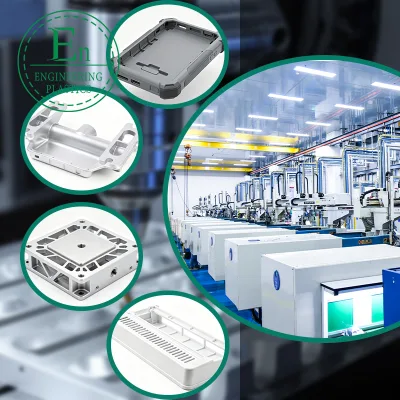


High Quality Aluminum Mould Aluminum Die Casting Parts Cast Machines
$40000.00 - $100000.00
MOQ: 1 Sets


Metal Parts Die Casting Mould Factory Aluminum Alloy Die Cast Machine
$40000.00 - $100000.00
MOQ: 1 Sets


Comprehensive Sourcing Guide
Megacasting Aluminum Die Casting Molds Sourcing Guide
Sourcing high-performance molds for megacasting requires a nuanced understanding of both traditional die casting precision and the unique demands of large-scale structural components. Buyers must recognize that while the core keyword emphasizes megacasting, the available market data indicates a diverse range of capabilities, including precision die casting and standard aluminum alloy molding. This distinction is critical because megacasting involves significantly larger tonnage and specialized cooling systems compared to conventional automotive parts. Procurement teams should evaluate whether a supplier’s infrastructure supports the thermal dynamics of gigacasting or if they specialize in smaller, high-tolerance components. Understanding this technical boundary prevents misalignment between project requirements and supplier capabilities, ensuring that the chosen partner can deliver the necessary structural integrity and dimensional accuracy for your specific application.
Furthermore, the procurement landscape for these molds is characterized by significant variability in customization options and production methods. Observed listings reveal that suppliers offer both horizontal and vertical pressure chamber structures, indicating flexibility in machine type selection. Buyers should prioritize suppliers who explicitly state their ability to customize mold designs, as off-the-shelf solutions rarely meet the unique geometric constraints of modern vehicle architectures or complex industrial applications. The presence of OEM services suggests that many manufacturers are equipped to handle bespoke engineering challenges, but verification of their design software proficiency, such as Magma Ug, is essential. This ensures that the mold design phase accounts for potential defects like shrinkage or porosity before physical production begins, safeguarding the investment in tooling and reducing the risk of costly rework during the initial trial runs.
Product Scope and Observed Listing Signals
The current market for aluminum die casting molds exhibits a broad spectrum of product specifications, ranging from standard automotive components to specialized industrial hardware. Listings frequently highlight materials such as aluminum alloy and aluminum, with tolerance grades varying between 4 and 6, which directly impacts the precision of the final cast part. Buyers should note that while some suppliers advertise advanced processes like megacasting and gigacasting, others focus on traditional precision die casting with surface treatments like polishing, anodizing, or chromate plating. This diversity means that procurement teams must carefully filter suppliers based on the specific wall thickness requirements, such as those exceeding 3mm, and the desired surface finish quality. The presence of both cold chamber and other die casting machine types in the data suggests that suppliers may offer different technological approaches, requiring buyers to clarify which method aligns with their production volume and material flow needs.
Additionally, the observed product attributes reveal a strong emphasis on customization and adaptability in the mold manufacturing sector. Many suppliers offer customized solutions with automatic demoulding features or pull core mechanisms, which are crucial for complex geometries and high-volume production efficiency. The condition of the molds is typically listed as new, and packing methods vary from carton and pallet to steel boxes, reflecting the varying sizes and weights of the tooling. Buyers should pay close attention to the stated mold life, which is often indicated as exceeding a certain number of shots, although specific numerical thresholds may vary by supplier. This metric is a key indicator of durability and long-term value, particularly for high-volume applications. Understanding these listing signals helps buyers identify suppliers who can meet their specific technical and operational requirements without overcommitting to unnecessary features or underestimating the complexity of the tooling needed.
Technical Specifications to Verify
When evaluating technical specifications, buyers must prioritize the verification of material standards and hardness requirements to ensure mold longevity and performance. The supplied data indicates that molds often utilize materials meeting ISO, DIN, ASTM, UNS, AISI, JIS, BS, and NF standards, which provides a baseline for quality assurance. However, it is crucial to confirm the specific hardness levels, such as those exceeding HRC45, as this directly influences the mold’s resistance to wear and thermal fatigue during repeated casting cycles. Buyers should also verify the tolerance grades, which range from 4 to 6 in observed listings, to ensure they align with the precision requirements of the final product. Misalignment in tolerance specifications can lead to significant quality issues in the cast parts, necessitating costly post-processing or scrap. Therefore, detailed technical discussions with suppliers regarding material composition and heat treatment processes are essential to validate that the mold can withstand the operational stresses of the intended application.
Furthermore, the design and engineering capabilities of the supplier play a pivotal role in the success of the mold procurement process. Buyers should inquire about the software tools used for mold design, such as Magma Ug, which aids in simulating casting processes to predict and mitigate potential defects. The ability to customize the mold according to specific customer requirements is a key advantage, allowing for tailored solutions that optimize production efficiency and part quality. Additionally, the surface preparation and treatment methods, including polishing, heat treatment, and various plating options, should be clearly defined to ensure the desired finish and durability of the mold. Buyers must also consider the demoulding mechanisms, whether automatic or pull core, as these impact the cycle time and ease of maintenance. By thoroughly verifying these technical aspects, buyers can ensure that the selected mold meets all functional and performance criteria, reducing the risk of operational failures and ensuring consistent production output.
Compliance and Safety Documentation
Compliance with international standards is a non-negotiable aspect of sourcing aluminum die casting molds, particularly for applications in regulated industries such as automotive and electronics. The observed listings frequently mention certifications such as ISO 9001, CE, RoHS, FCC, and REACH, which indicate adherence to quality management and environmental safety regulations. Buyers should verify the validity and scope of these certifications, ensuring that they cover the specific manufacturing processes and materials used in the mold production. ISO 9001 certification, for instance, demonstrates a commitment to consistent quality management, while CE marking is essential for products sold in the European market. RoHS and REACH compliance are critical for ensuring that the molds do not contain hazardous substances, which is particularly important for electronic and household appliance applications. These certifications provide a baseline assurance of regulatory compliance, but buyers must also request detailed documentation to confirm that the certifications are current and applicable to the specific mold being procured.
In addition to product-specific certifications, buyers should assess the supplier’s overall safety and environmental management practices. While not always explicitly listed, a robust supplier will have documented procedures for handling materials, managing waste, and ensuring workplace safety during mold manufacturing. This is particularly relevant given the use of heavy machinery and potentially hazardous materials in die casting mold production. Buyers should inquire about the supplier’s environmental policies and their commitment to sustainable manufacturing practices, as these factors can impact the long-term viability and reputation of the supply chain. Furthermore, understanding the trade terms and shipping conditions, such as FOB, CIF, or EXW, is essential for managing logistics and ensuring that the molds are transported safely and efficiently. By prioritizing compliance and safety documentation, buyers can mitigate risks associated with regulatory non-compliance and ensure that their supply chain operates within legal and ethical boundaries.
Cost Drivers and Commercial Terms
The cost of aluminum die casting molds is influenced by a variety of factors, including material selection, complexity of design, and the level of customization required. Buyers should expect price ranges to vary significantly, with observed listings indicating a wide spectrum from low-cost standard molds to high-value, custom-engineered solutions. The use of high-grade materials, such as those meeting specific ISO or DIN standards, and advanced surface treatments like anodizing or chromate plating, can increase the initial cost but may offer long-term savings through improved durability and reduced maintenance. Additionally, the complexity of the mold design, including features like automatic demoulding or pull core mechanisms, will impact the manufacturing time and cost. Buyers should request detailed cost breakdowns to understand how these factors contribute to the final price, allowing for more accurate budgeting and comparison between suppliers. Understanding these cost drivers is essential for making informed procurement decisions that balance quality, performance, and budget constraints.
Commercial terms and payment conditions also play a significant role in the overall cost structure and risk management of the procurement process. Observed listings indicate various trade terms, including FOB, CIF, CFR, and EXW, each of which carries different implications for shipping costs, insurance, and risk transfer. Buyers should carefully evaluate these terms in the context of their logistics capabilities and risk tolerance, ensuring that they understand their responsibilities and potential liabilities. Additionally, the minimum order quantity (MOQ) and lead times can impact cash flow and production planning, with observed ranges indicating flexibility in these areas. Buyers should negotiate favorable payment terms, such as partial upfront payments and balance upon delivery, to mitigate financial risk. By thoroughly understanding the cost drivers and commercial terms, buyers can optimize their procurement strategy, ensuring that they receive the best value for their investment while maintaining control over the supply chain and production schedule.
Supplier Qualification and Quality Control
Qualifying suppliers for aluminum die casting molds requires a rigorous assessment of their manufacturing capabilities, quality control processes, and track record. Buyers should verify the supplier’s experience with similar projects, particularly in terms of mold life, tolerance grades, and surface finish quality. The observed data indicates that suppliers often advertise mold lives exceeding a certain number of shots, but buyers should request specific data or case studies to validate these claims. Additionally, the supplier’s ability to provide OEM services and customize molds according to specific requirements is a key indicator of their technical expertise and flexibility. Buyers should also assess the supplier’s quality control systems, including their use of inspection equipment and adherence to international standards such as ISO 9001. A robust quality control process ensures that each mold meets the specified tolerances and performance criteria, reducing the risk of defects and ensuring consistent production output.
Furthermore, buyers should evaluate the supplier’s after-sales support and maintenance capabilities, as these factors are crucial for the long-term success of the mold investment. Suppliers that offer comprehensive technical support, including troubleshooting and repair services, can help minimize downtime and extend the lifespan of the mold. Buyers should also consider the supplier’s responsiveness and communication skills, as these factors can impact the efficiency of the procurement process and the resolution of any issues that may arise. Additionally, the supplier’s ability to provide detailed documentation, including material certificates and inspection reports, is essential for maintaining traceability and accountability. By thoroughly qualifying suppliers based on these criteria, buyers can ensure that they partner with reliable and capable manufacturers who can deliver high-quality molds and support their long-term production needs.
Long-Term Procurement Checks
Long-term procurement success with aluminum die casting molds depends on establishing a strategic partnership with suppliers who can adapt to evolving market demands and technological advancements. Buyers should regularly review supplier performance metrics, including on-time delivery, quality consistency, and responsiveness to issues, to ensure that the partnership remains beneficial. The dynamic nature of the die casting industry, with emerging trends like megacasting and gigacasting, requires suppliers to continuously invest in research and development to stay competitive. Buyers should encourage suppliers to share insights on new technologies and materials that could enhance mold performance and efficiency. Additionally, maintaining open communication channels and conducting periodic audits can help identify potential risks and opportunities for improvement, ensuring that the supply chain remains resilient and agile. By fostering a collaborative relationship, buyers can leverage their suppliers’ expertise to drive innovation and optimize their production processes.
Moreover, buyers should stay informed about regulatory changes and market trends that may impact the procurement of aluminum die casting molds. This includes monitoring updates to international standards, such as ISO and CE, and assessing the potential impact of environmental regulations on material sourcing and manufacturing processes. Buyers should also consider the geopolitical landscape and supply chain risks, such as trade tensions or logistical disruptions, and develop contingency plans to mitigate these risks. By proactively managing these long-term factors, buyers can ensure that their procurement strategy remains aligned with their business objectives and market conditions. This strategic approach
FAQs
Can Megacasting Aluminum Die Casting Molds be customized for specific applications?
Yes, customization is available for these molds to meet specific application needs. The service supports OEM and customized requirements, allowing for tailored designs. This flexibility ensures that the final product aligns with precise engineering specifications and functional demands for various industries.
What materials are used in manufacturing these aluminum die casting molds?
These molds are primarily manufactured using high-quality aluminum alloy materials. The material selection ensures durability and resistance to wear during the die casting process. This choice supports the production of precise components while maintaining structural integrity under high-pressure conditions.
What certifications do these die casting molds typically hold?
These molds typically hold certifications such as ISO 9001, CE, and RoHS. These standards ensure compliance with international quality and safety regulations. The certifications verify that the manufacturing processes meet rigorous criteria for reliability and environmental responsibility in industrial applications.
What is the typical tolerance grade for these precision die casting molds?
The typical tolerance grade for these molds is Grade 4 or Grade 6. This precision ensures that the cast parts meet strict dimensional requirements. The tight tolerances are critical for maintaining consistency and quality in high-volume production environments for automotive and electronic components.
How are these molds packed for international shipping?
These molds are packed in cartons and on pallets, or in steel boxes for added protection. This packaging method ensures safe transit during international shipping. The robust packing prevents damage to the precision surfaces and structural components of the molds during handling and transport.
What surface treatments are applied to these aluminum die casting molds?
Surface treatments include polishing, heat treatment, anodizing, and chromate plating. These processes enhance the mold's durability and resistance to corrosion. The finishing techniques ensure a smooth surface for easy demolding and extend the overall lifespan of the mold in high-cycle production.