Source Mercedes Sprinter EGR Valve for Fleet, Delivery, and Transport
Find 30 listings for the Mercedes Sprinter EGR Valve with varying specifications and prices. Buyers can compare models, certifications, and supplier details to identify the right component for their vehicle maintenance needs.
Key considerations
Products List


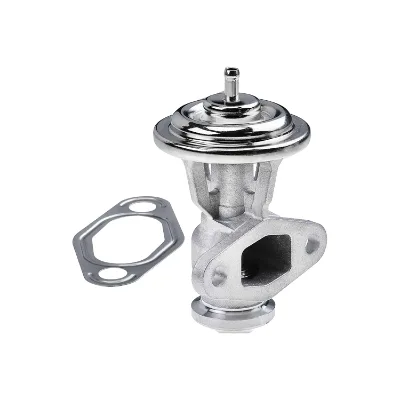
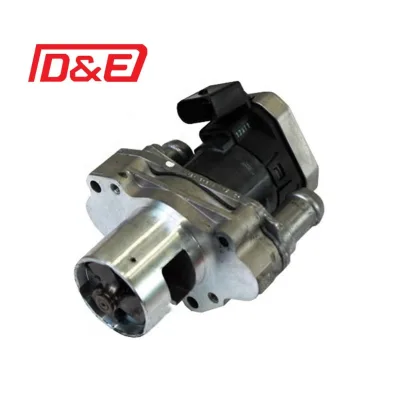
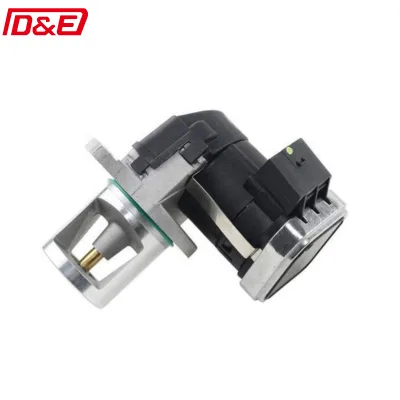
EGR Valve 64214017 60642140 1760 6421401760 A6421401760 for Mercedes Benz
$99.95 - $109.77
MOQ: 10 Pieces


EGR Valve 64214017 60 6421401760 6421401760 A6421401760 for Mercedes Benz
$99.95 - $109.77
MOQ: 10 Pieces

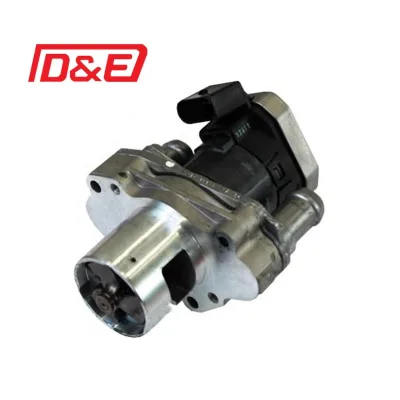
Wholesale Factory Price Egr Valve 6421401760 A6421401760 for Mercedes Benz
$99.00 - $109.77
MOQ: 10 Pieces


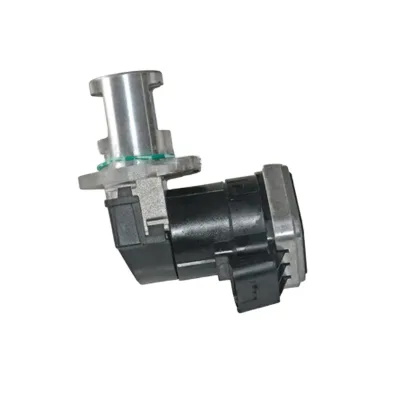
for Mercedes Benz Egr Valve Throttle Valves Egr 4701500894 4701500994
$100.00 - $168.00
MOQ: 100 Pieces

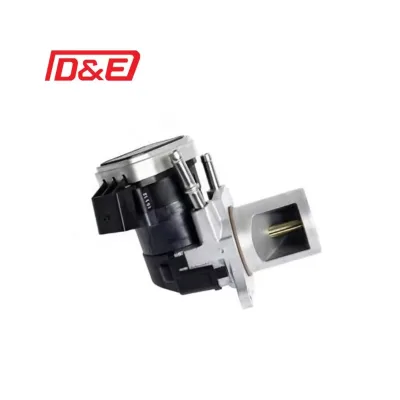
Truck Spare Parts Egr Valve Throttle Valves Egr 4711501594 for Mercedes Benz
$100.00 - $168.00
MOQ: 100 Pieces



Comprehensive Sourcing Guide
Strategic Sourcing Guide for Mercedes Sprinter EGR Valves
Understanding Technical Specifications and Compatibility
When sourcing a Mercedes Sprinter EGR (Exhaust Gas Recirculation) valve, the primary objective is to match the exact engineering parameters of the original equipment. The supply chain for these components is characterized by a high degree of specificity regarding part numbers and physical dimensions. Buyers must recognize that the market offers multiple part numbers that may serve the same function or be cross-referenced by different manufacturers. Observed data indicates a wide range of model identifiers, including specific sequences such as 6421400860, 6421401760, and the extended reference 642 140 17 60. Additionally, alternative part numbers like 68051514AA, 68026616AA, and 14533 appear in the supply context, suggesting a complex web of cross-compatibility that requires rigorous verification against the vehicle's VIN.
The physical construction of these valves is equally critical. The component is often described as a "Brand-New" unit, implying a condition that is fully restored or newly manufactured rather than refurbished. The material composition frequently involves Aluminium for the body, which is essential for heat dissipation and durability in high-temperature exhaust environments. The internal structure is typically a "Sealed Type," designed to prevent leakage and ensure consistent flow control. For the specific application of the Mercedes Sprinter, the valve must align with the "Same as OE" (Original Equipment) size specification to ensure proper fitment within the engine bay.
Furthermore, the functional attributes of the EGR valve extend beyond simple mechanical flow. Some listings in the market reference specific sensor types, such as a "Digital Type" Water Temperature Sensor, which may be integrated into the assembly or required for the vehicle's ECU to function correctly. The cooling mechanism is another vital consideration; while some automotive components utilize water-cooled systems with "Direct-flow" radiator types, the EGR valve itself manages exhaust gas flow. It is important to distinguish between the valve's primary function and auxiliary cooling systems. The valve's role is to reduce the "Noise of Engine" by mitigating "Mechanical Noise" and "Transmission Noise" associated with combustion, often adhering to "Euro V" discharge standards to meet environmental regulations.
Compliance, Certification, and Regulatory Standards
Navigating the compliance landscape for automotive parts requires a clear understanding of the certifications that validate a supplier's legitimacy and the product's safety. In the context of the observed market data, several key certifications appear repeatedly. These include CCC (China Compulsory Certification), ISOCE, RoHS (Restriction of Hazardous Substances), and TSCold. The presence of ISO9001 certification is particularly significant, as it indicates that the manufacturer adheres to international quality management standards. Additionally, TUV certification is noted in specific listings, providing an independent verification of product safety and performance.
Buyers must verify that the EGR valves they source meet the specific emission standards required for their target market. The "Euro V" discharge standard is a critical benchmark for vehicles operating in regions with strict environmental regulations. Failure to source components that meet these standards can result in legal liabilities, failed vehicle inspections, and engine performance issues. The "Discharge Standard" is not merely a label but a functional requirement that ensures the valve effectively recirculates exhaust gases to lower nitrogen oxide emissions.
It is also essential to note the origin of the products. The majority of the observed supply originates from "China," with specific manufacturing hubs identified in "Zhejiang, China." While this location is a major global hub for automotive components, buyers should ensure that the origin country's export regulations and the destination country's import requirements are aligned. The "Main Market" for these components often includes "South America," indicating that the supply chain is already established for international distribution. However, buyers should not assume that all products from this region automatically meet local standards in other markets without specific verification.
Cost Drivers and Pricing Variables
The pricing for Mercedes Sprinter EGR valves is influenced by a variety of factors, including the specific part number, the level of customization, and the packaging requirements. The observed price range in the market spans from 10.9 to 248 USD. This wide variance suggests that cost is not solely determined by the base manufacturing cost but is heavily influenced by the value-added services and specifications included in the final product.
One of the primary cost drivers is the level of customization. The market data indicates that "Customization" is available, which can significantly impact the final price. Customized packaging, such as "Neutral Packaging or Customized" or "Client Required" packaging, adds to the logistical complexity and cost. Buyers who require specific branding or unique packaging solutions should anticipate higher costs compared to those accepting "Neutral Packing" or standard "Carton" packaging.
The Minimum Order Quantity (MOQ) also plays a role in the unit price. The observed MOQ range is between 1 and 100 units. Buyers purchasing small quantities may face higher per-unit costs due to the fixed costs of production and logistics, while bulk buyers may benefit from economies of scale. However, the specific MOQ requirements can vary by supplier and should be verified on a case-by-case basis.
Other cost factors include the inclusion of additional components or services. For instance, some listings mention an "After-sales Service" period of "12 Months," which can be a significant value-add and may be reflected in the pricing. The inclusion of a "Sample" acceptance policy can also influence the initial procurement cost, as it allows buyers to verify quality before committing to a larger order.
Typical Applications and Vehicle Compatibility
The Mercedes Sprinter EGR Valve is designed for specific applications, primarily within the automotive sector. The "Application" is explicitly listed as "Auto," and the "Suitable for Car Brands" include Toyota, Volkswagen, Hyundai, and Chevrolet. This indicates that while the core keyword focuses on the Mercedes Sprinter, the component may have cross-compatibility with other vehicle brands or models. However, buyers must exercise caution when assuming compatibility across different brands.
The specific vehicle models that these valves are designed for include the "VW Caravelle," which is a variant of the Volkswagen Transporter often sharing platforms with the Mercedes Sprinter. The part numbers listed, such as 703784340 and 11718513132, are specific to these applications. The "OE No." (Original Equipment Number) is a crucial identifier for ensuring that the replacement part matches the original design. For example, the OE number 703784340 is a specific reference that buyers should use to verify compatibility.
The "Color" of the component is noted as "Sliver" (Silver), which is a standard finish for automotive metal components. While this may seem like a minor detail, it can be useful for visual identification and quality control during the inspection process. The "Condition" is consistently described as "Brand-New," ensuring that the buyer receives a component that has not been previously used or damaged.
Supplier Evaluation and Selection Criteria
Selecting the right supplier is a critical step in the procurement process. Buyers should evaluate suppliers based on their ability to provide accurate technical data, maintain consistent quality, and offer reliable after-sales support. The presence of "Customization" capabilities suggests that a supplier is flexible and capable of meeting specific buyer requirements. This flexibility is a positive indicator of a supplier's operational maturity.
The "After-sales Service" period of "12 Months" is a key metric for supplier reliability. A supplier that offers a year-long warranty demonstrates confidence in the quality of their product and is committed to supporting the buyer in case of defects or failures. This is particularly important for critical engine components like the EGR valve, where failure can lead to significant downtime and repair costs.
Buyers should also consider the supplier's "Delivery" capabilities. The observed lead time of "Within 2 Working Days After Payment" indicates a highly efficient supply chain. This rapid delivery time is advantageous for buyers who need to minimize downtime and ensure quick turnaround on repairs. However, buyers should verify if this lead time applies to all order sizes or if it is subject to change based on inventory levels.
The "Sample" acceptance policy is another important factor. Suppliers that allow buyers to request samples enable a thorough evaluation of the product before placing a large order. This reduces the risk of receiving substandard goods and allows the buyer to verify the "Same as OE" specifications firsthand.
Quality Control and Inspection Protocols
Ensuring the quality of the EGR valve is paramount to the performance and longevity of the vehicle. Buyers should implement a robust quality control protocol that includes visual inspection, dimensional verification, and functional testing. The "Body Material" of Aluminium should be inspected for defects such as cracks, porosity, or surface imperfections that could compromise the valve's integrity.
The "Sealed Type" structure requires verification to ensure that there are no leaks. This can be done through pressure testing or visual inspection of the seals. The "Radiator Core Type" and "Pipe Belt" components, if applicable to the assembly, should be checked for proper alignment and secure attachment.
The "Certification" status of the product should be verified against the provided documentation. The presence of ISO9001, TUV, and other certifications should be confirmed with the supplier. Buyers should request test reports or certificates of conformity to ensure that the product meets the required standards.
The "Weight" of the component, listed as 1.35 in some contexts, can serve as a quick verification metric. Significant deviations from the expected weight may indicate missing components or the use of inferior materials. Buyers should weigh the received product against the specified weight to ensure consistency.
Long-Term Procurement Considerations
Sourcing EGR valves is not just a one-time transaction but a long-term relationship that requires strategic planning. Buyers should consider the total cost of ownership, including the initial purchase price, shipping costs, and potential costs associated with returns or replacements. The "12 Months" after-sales service period provides a buffer for addressing any quality issues, but buyers should also consider the long-term availability of the part.
The "Customization" options available in the market can be leveraged to create a unique supply chain advantage. By working with suppliers who offer customized packaging and branding, buyers can differentiate their products in the market and build stronger relationships with their customers.
Buyers should also monitor the "Main Market" trends to anticipate changes in demand and supply. The focus on "South America" suggests that this region is a key market for these components, and buyers should be aware of any regional regulations or market dynamics that could impact their procurement strategy.
Finally, maintaining a strong relationship with suppliers is essential for long-term success. Regular communication, feedback, and collaboration can help buyers stay informed about new products, pricing changes, and market trends. By adopting a proactive approach to procurement, buyers can ensure a steady supply of high-quality EGR valves for their Mercedes Sprinter customers.
FAQs
What certifications do mercedes sprinter egr valves have?
These valves typically hold ISO9001, CCC, RoHS, and TUV certifications. Buyers should verify specific documentation to ensure compliance with local environmental regulations and safety standards before purchasing.
Which material is used for the valve body construction?
The body material is constructed from Aluminium to ensure durability and heat dissipation. This material choice supports the sealed type structure required for high-temperature exhaust environments.
Can I request customized packaging for this component?
Yes, customization is available for packaging requirements. Options include neutral packing or client-specific solutions, though this may influence the final unit price and lead time.
How long is the after-sales service period?
The standard after-sales service period is 12 months. This warranty coverage provides assurance against defects and supports long-term reliability for critical engine components.
What is the typical delivery lead time after payment?
Delivery occurs within 2 working days after payment is received. This rapid turnaround helps minimize vehicle downtime during urgent repair or replacement scenarios.
Which car brands are suitable for this EGR valve?
The valve is suitable for Toyota, Volkswagen, Hyundai, and Chevrolet brands. Specific models like the VW Caravelle are explicitly listed as compatible applications for these part numbers.
What is the minimum order quantity for suppliers?
The minimum order quantity ranges from 1 to 100 units depending on the supplier. Buyers purchasing small quantities may face higher per-unit costs compared to bulk orders.