Source Mercedes Door Sill Plate for G-Class, W463, and Body Parts
Browse 30 listings for Mercedes Door Sill Plate products sourced from suppliers in China, including stainless steel and aluminum alloy options for the G-Class W463. Compare materials, sizes, MOQ ranges, OEM customization, packing, and delivery terms before requesting quotes from multiple manufacturers.
Key considerations
Products List


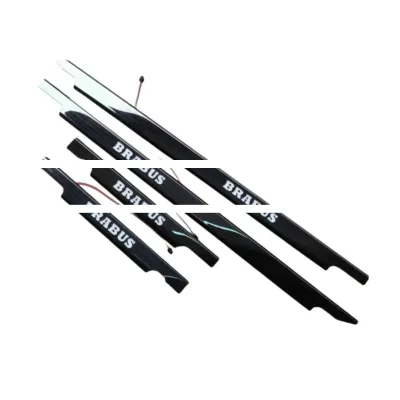

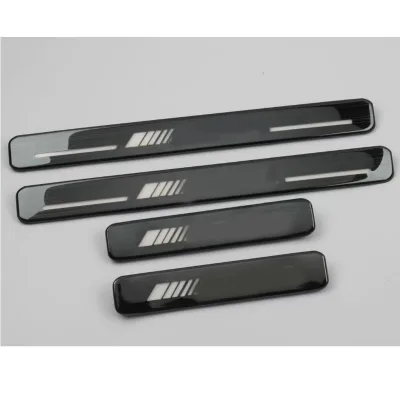
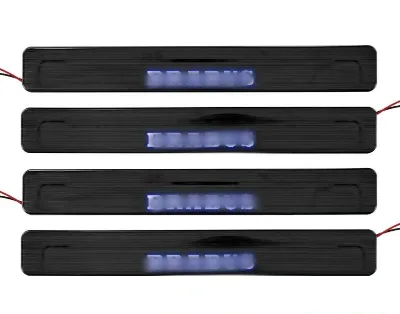


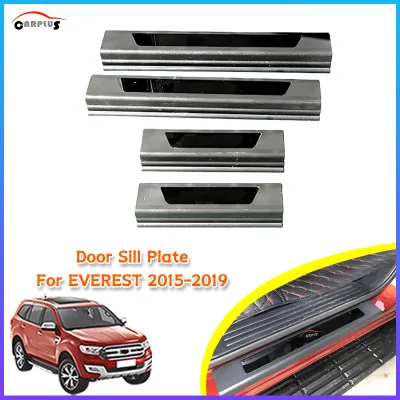

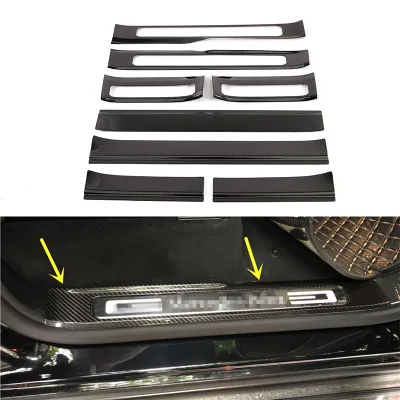


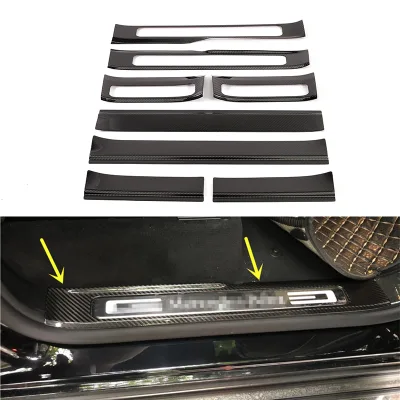

Car Modification Parts Carbon Fiber Door Sill Plates for Aston Martin Vantage V8
$1220.00 - $1380.00
MOQ: 1 Pieces
Comprehensive Sourcing Guide
Mercedes Door Sill Plate Sourcing Guide
Sourcing a Mercedes Door Sill Plate for resale or vehicle programs requires balancing fitment accuracy, material selection, and supplier reliability. The observed market includes stainless steel and aluminum alloy products, some branded as OE references and others marketed under independent brand names, with listings spanning interior sill plates, threshold bars for the W463 G-Class, and related step bar components. Model identifiers in the supplied listings range from YM-DSP and ATP-007 to "Door Sill Plate 2020," reflecting a mix of proprietary catalog numbers and OE-based references.
This guide walks procurement teams through the decisions that matter most: defining product scope from listing signals, verifying technical specifications against vehicle fitment, requesting credible documentation, understanding cost drivers, qualifying suppliers, and planning long-term repeat purchases. Because listings originate from multiple Chinese regions including Guangdong, Shanghai, and Zhejiang, and because product attributes vary widely between listings, every verification step below should be confirmed with the specific supplier and specific SKU before committing to an order.
Product Scope and Observed Listing Signals
Listed products under this keyword fall into distinct categories: stainless steel door sill plates made by etching techniques, aluminum alloy threshold bars for the Mercedes Benz G-Class (W463), and door threshold components positioned under the door. Some listings describe body-position parts with an OE model number reference, while others use supplier-specific model codes. Customization is available according to the observed product properties, and OEM production is supported, which matters for buyers planning private-label or dealer-channel programs rather than generic aftermarket stock.
Buyers should also note the breadth of commercial signals in these listings. Minimum order quantities range from single sets (one listing states an MOQ of 1 Set) to 50-piece requirements, so order sizing flexibility differs by supplier. Model year fitment matters as well: one listing explicitly references a 2020 door sill plate, suggesting that year-specific tooling exists for some vehicle applications. Treat each listing's attributes as observations about that individual product, not as guarantees across the category, and map each candidate SKU against your target vehicle applications before requesting quotations.
Technical Specifications to Verify
Material selection is the first specification to lock down. Observed listings cite stainless steel, aluminum alloy, and specifically Aluminium Alloy 6060-T5 for a threshold product. Each material behaves differently in service: stainless steel offers scratch resistance for high-traffic sill areas, while aluminum alloys reduce weight and accept different finishing processes. Ask suppliers to state the exact alloy designation and temper in writing, especially when a listing only says "aluminum alloy" without a grade, and confirm the surface treatment method since one listing cites etching as the production technique.
Dimensional and fitment specifications require equal scrutiny. Listings show customized sizes and shapes alongside fixed dimensions such as a 5-inch width and standard lengths of 36", 48", 72", or custom for a threshold product. For vehicle-mounted sill plates, verify the mounting method — one listing describes clip-on installation, another a threshold bar — and confirm whether the part aligns with OE mounting points or requires drilling. Request a dimensional drawing keyed to the target vehicle model and year, and for the W463 threshold bar, confirm the single package dimensions (70X40X30 cm and 65X24X22 cm appear in listings) so freight calculations are accurate.
Compliance and Safety Documentation
The only certification explicitly stated in the observed product properties is ISO. Treat that as a starting point rather than a complete compliance picture: ask which ISO standard the certification covers (a quality management system certificate differs from a product-level certification) and request the certificate number and issuing body so you can verify its validity and scope. A supplier holding an ISO certificate for one factory site does not automatically extend that coverage to the specific production line making your sill plates.
Beyond management-system certification, buyers should establish what product-level documentation the supplier can provide. Because sill plates are interior or body-attached components, confirm whether material declarations, finish adhesion or corrosion test reports, and packaging drop-test records are available on request — listings do not state these, so absence of a claim is not evidence of absence, but you must verify rather than assume. For any product marketed with an OE reference, ask how the OE designation is substantiated. Document every requested item in the purchase specification so that acceptance criteria are contractual, not verbal, and retain certificates as part of your supplier file for audit purposes.
Cost Drivers and Commercial Terms
Observed listings show a wide price range from 1 to 1380 USD, which reflects differences in product type, material, order size, and whether the item is a single sill plate or a full vehicle set. Expect customization to move pricing: custom shapes and sizes, special finishes, and low-volume runs typically command higher unit prices than standard catalog items. The MOQ spread — from 1 set to 50 pieces — also affects achievable unit cost, so buyers balancing inventory risk against price should request tiered quotations at several quantity levels before selecting a supplier.
Commercial terms in the listings include T/T payment, neutral packing, standard export cartons, 10PC/carton packing for one product, and a 5-7 day delivery window on one listing. Confirm each term explicitly: packaging style (standard packaging versus packing to your requirements, both of which appear in listings), carton dimensions and gross weight (2.0 kg single gross weight appears for one item), Incoterms, and payment milestones. Note that delivery terms vary by listing and the 5-7 day figure applies only to the product that states it, not to the category as a whole. Get all terms consolidated into a written quotation before comparing suppliers on price alone.
Supplier Qualification and Quality Control
Qualification should begin with a documentation and capability review. Confirm the stated origin region (Guangdong, Shanghai, and Zhejiang all appear in listings), whether the supplier is a manufacturer or trading company, and whether OEM and customization capability is genuinely supported with in-house tooling — one listing claims OEM: Yes and customization available, but buyers should verify this with sample tooling evidence or a factory audit. Ask for references from other automotive aftermarket buyers and check how consistently the supplier's model numbering and product descriptions align with what ships.
Quality control planning should combine incoming inspection with pre-shipment verification. Define an inspection checklist covering material verification, dimensional conformity to the approved drawing, finish quality on etched or coated surfaces, clip or mounting feature function, and packaging integrity against the agreed export carton specification. For first orders, arrange pre-shipment inspection either in person or through a third-party service, and agree on an AQL sampling level in writing. Because after-sales service terms differ — one listing states a 2-year after-sales service — capture warranty scope, claim procedures, and defect remedy obligations in the purchase contract rather than relying on listing text.
Long-Term Procurement Checks
Sustained supply depends on confirming that the qualities demonstrated in a trial order remain stable across repeat production. Re-verify material certifications and first-article samples periodically, especially when customization or OEM tooling is involved, because tooling wear and material lot changes can shift fit and finish over time. Track defect rates by SKU across shipments, and require the supplier to notify you before changing materials, finishes, packaging, or production locations. For year-specific fitments such as the 2020 door sill plate reference, confirm that tooling remains available for the lifespan of your vehicle program.
Long-term buyers should also build resilience into their commercial arrangements. Maintain documented specifications and approved samples so any qualified supplier can be re-audited or a second source developed without starting from scratch. Review pricing annually against material cost movements, particularly for stainless steel and aluminum alloy inputs, and revisit MOQ and payment terms as your volumes grow. Finally, keep your supplier file current — certificates, drawings, inspection reports, and correspondence — so that renewal decisions, dispute resolution, and audits rest on evidence rather than memory.
FAQs
Can mercedes door sill plates be customized to my specifications?
Yes, customization is available from many listings for the Mercedes Door Sill Plate. Shape and size can be made customized, and techniques such as etching are offered. To start, provide your vehicle fitment, drawings, or samples so manufacturers can quote accurately. OEM service is supported, and packaging can be standard or arranged as your requirements.
What materials are used for mercedes door sill plates?
Common listed materials include stainless steel and aluminum alloy, with one threshold bar specification using Aluminium Alloy 6060-T5. Material choice affects weight, corrosion resistance, and finish. Stainless steel suits high-wear sills, while aluminum alloy offers a lighter option. Confirm the exact material and surface treatment with each supplier before placing an order.
Which certifications do Mercedes Door Sill Plate suppliers hold?
Listed product attributes include ISO certification, so start by shortlisting suppliers that document ISO quality systems. Certifications can vary between products and suppliers, so request the current certificate copy and scope before ordering. Also confirm material reports and fitment details. This helps ensure consistency when sourcing a Mercedes Door Sill Plate for repeat volume.
How long does delivery take for Mercedes Door Sill Plate orders?
One listed Mercedes Door Sill Plate product states delivery of 5-7 days, though actual lead times vary by supplier, quantity, and customization level. Standard catalog items usually ship faster than custom shapes or sizes. Always confirm production time, packing method, and shipping schedule in writing before confirming a purchase order.
What is the typical MOQ for Mercedes Door Sill Plate products?
Observed MOQs range widely, from 1 set to 500 pieces, so terms depend heavily on the supplier and product type. Some listings offer a single set minimum, while others require 50 pieces or more. Negotiate MOQ alongside unit pricing, especially if you need customized shapes or etched finishes for specific Mercedes Benz models.
How are mercedes door sill plates packed for shipment?
Packing options listed include standard packaging, neutral packing, carton box, and standard export cartons, with one specification at 10 pieces per carton. Suppliers can also pack as your requirements. Single package sizes around 70X40X30 cm or 65X24X22 cm are noted, with gross weights near 2.0 kg. Confirm carton markings and inner protection for export.