Source Metal 3D Printed Shoe Mold for Machinery, Hardware, and Appliances
Find 30 listings for Metal 3D Printed Shoe Mold suitable for machinery, hardware, and household appliances. Buyers can compare specifications like material, precision, and lead times from suppliers in Xiamen, China.
Key considerations
Products List

OEM 3D Model Drawing Shoe Sole Mold 3D Printed Metal Shoe Mold for Shoe
$1.00 - $1000.00
MOQ: 1 Pieces


China Manufacturer Precision Custom 3D Printed 3D Printing Metal Tire Molds
$3500.00 - $4000.00
MOQ: 1 Sets


OEM/ODM High Precision Breathable Steel - E-TPU 3D Printing Shoe Mould
$3200.00 - $4000.00
MOQ: 1 Sets


Chinese Factory High Precision Breathable Steel Etpu 3D Printing Shoe Mould
$3200.00 - $4000.00
MOQ: 1 Sets

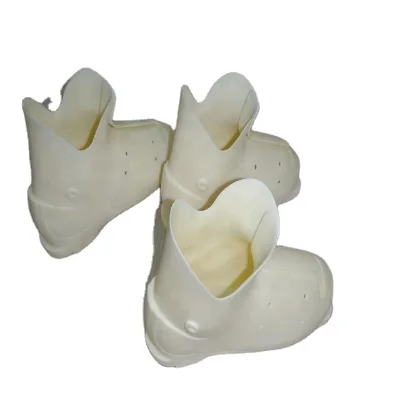




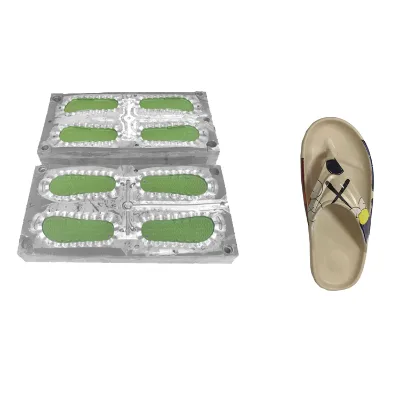
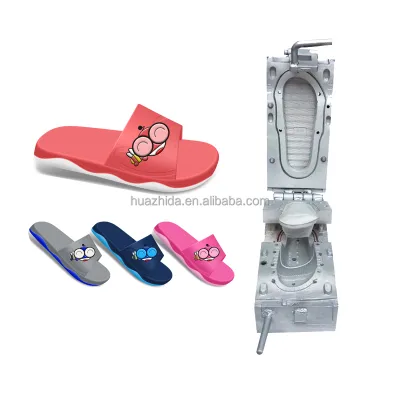
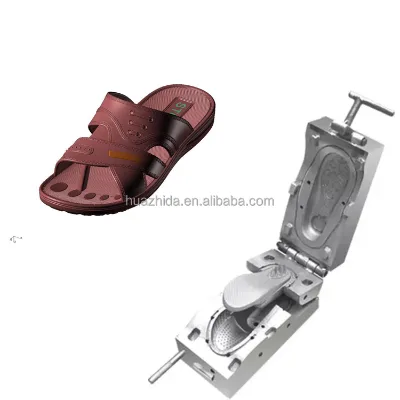
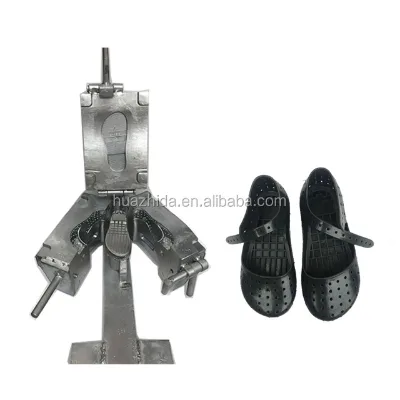
Huazhida Professional Jieyang High Quality and Best Price Crystal Casual Shoe Mold
$1300.00 - $1350.00
MOQ: 1 Minimum
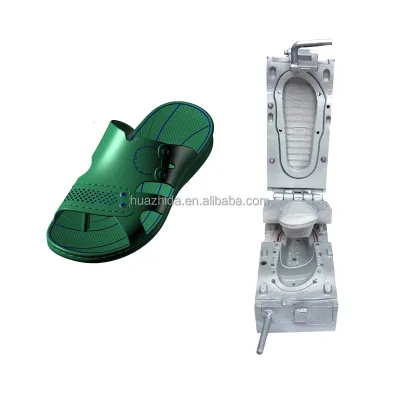
Huazhida Jinjiang Fashion Steel Pvc Close Shoe Mold for Men Jinjiang
$1221.00 - $1271.00
MOQ: 1 Minimum
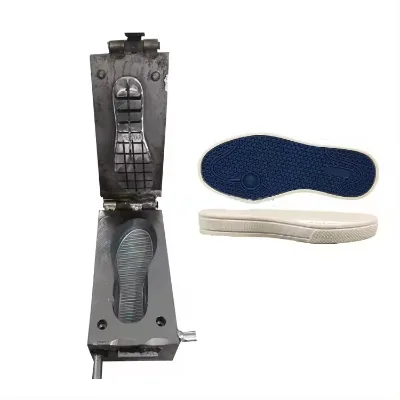
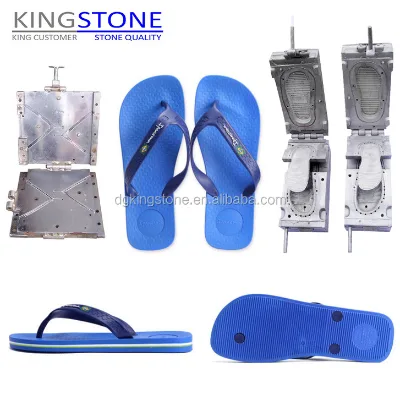
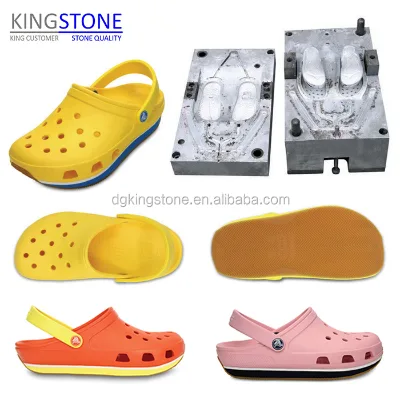
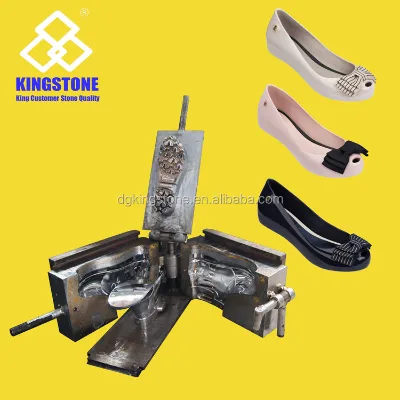
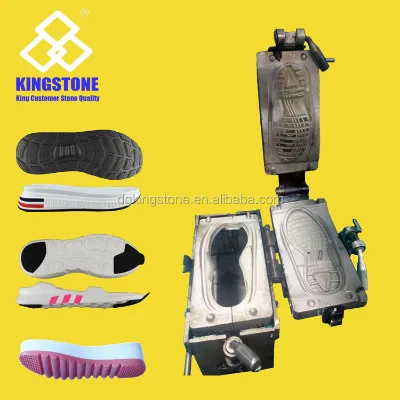
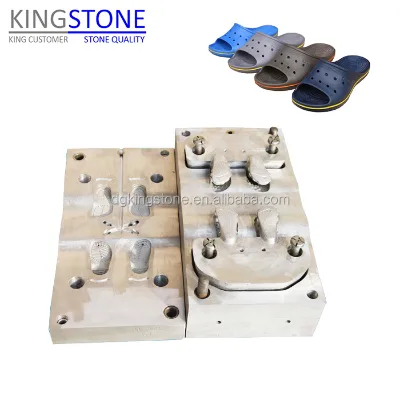
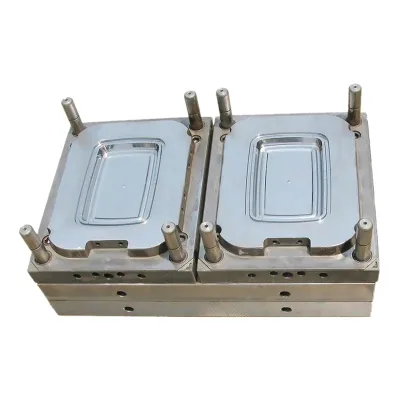
Single Color Shoe Injection Molds Plastic Injection Molding for Custom Molds Reverse Injection Mold
$1000.00 - $5000.00
MOQ: 1 Minimum
Comprehensive Sourcing Guide
Metal 3D Printed Shoe Mold Sourcing Guide
Sourcing metal 3D printed shoe molds requires a nuanced understanding of additive manufacturing capabilities, material science, and industrial procurement standards. This guide provides evidence-based insights for procurement professionals seeking to integrate metal 3D printed tooling into their footwear production workflows. By focusing on verified technical specifications, compliance requirements, and commercial terms, buyers can mitigate risks associated with non-standard manufacturing processes. The following sections detail the critical factors that influence the selection, validation, and long-term deployment of these specialized molds.
Product Scope and Observed Listing Signals
The current market for metal 3D printed shoe molds presents a diverse range of product listings, with observed prices spanning from $0.90 to $5,099.51 USD. This wide variance reflects differences in material complexity, mold size, and the specific additive processes employed, such as Selective Laser Sintering (SLS) or other metal-based techniques. Buyers must recognize that low-cost listings may represent digital files, prototypes, or non-metal components, while higher-priced items likely correspond to finished, functional metal tooling. Understanding this price spectrum is essential for setting realistic budget expectations and identifying suppliers who offer genuine metal fabrication services rather than generic plastic or resin alternatives.
Observed minimum order quantities (MOQs) range from 1 to 1,000 pieces, indicating a market that accommodates both rapid prototyping and small-batch production runs. Many suppliers offer customization options, allowing for tailored mold designs that meet specific footwear geometry requirements. The availability of customization suggests that buyers can request modifications to standard designs, such as adjusting venting patterns or incorporating specific brand logos into the mold structure. However, the flexibility in MOQs also implies that economies of scale may not be as pronounced as in traditional injection molding, making it crucial for buyers to evaluate the cost-per-unit carefully for larger production volumes.
Technical Specifications to Verify
When evaluating metal 3D printed shoe molds, buyers must verify the specific forming technology and material composition used in production. While some listings mention SLS technology, which is often associated with polymer powders, metal 3D printing typically involves processes like Direct Metal Laser Sintering (DMLS) or Selective Laser Melting (SLM). It is critical to confirm that the supplier uses actual metal materials, such as stainless steel or aluminum alloys, rather than resin or plastic substitutes. The presence of attributes like "Printer Material: Metal" in some listings should be cross-referenced with detailed technical datasheets to ensure the final product meets the thermal and mechanical demands of shoe manufacturing.
Precision and surface finish are equally vital technical parameters that influence the quality of the final footwear product. Listings may specify precision levels, such as 0.1mm, but buyers should verify if this tolerance applies to the entire mold or specific critical features. Surface processes, including grinding, polishing, and cleaning, are essential for ensuring smooth release of the shoe material and preventing defects in the final product. Additionally, the file formats provided, such as STEP, STL, or IGES, should be compatible with the buyer’s existing CAD/CAM systems to facilitate seamless integration into their design and manufacturing workflows.
Compliance and Safety Documentation
Compliance with international standards is a key consideration when sourcing metal 3D printed shoe molds, particularly for products intended for global markets. While some suppliers may claim certifications such as ISO 9001 or CE marking, buyers must verify the validity and scope of these certifications. It is important to distinguish between certifications for the manufacturing process and those for the final product, as the mold itself may not require direct consumer safety certifications but must adhere to industrial quality management standards. Buyers should request copies of relevant certificates and confirm that they are issued by accredited bodies.
Safety documentation should also include material safety data sheets (MSDS) for any coatings or treatments applied to the metal molds. If the molds are used in conjunction with specific adhesives or materials during the shoe manufacturing process, buyers must ensure that the mold material does not react adversely with these substances. Additionally, suppliers should provide information on the durability and maintenance requirements of the molds to prevent safety hazards such as structural failure during high-pressure molding operations. Verifying these aspects ensures that the procurement process aligns with occupational health and safety regulations.
Cost Drivers and Commercial Terms
Several factors influence the cost of metal 3D printed shoe molds, including material costs, design complexity, and post-processing requirements. The choice of metal alloy, such as stainless steel, can significantly impact the final price due to variations in raw material costs and machining difficulty. Complex geometries that leverage the advantages of 3D printing, such as conformal cooling channels, may increase the initial cost but can offer long-term benefits in terms of production efficiency and energy savings. Buyers should request detailed cost breakdowns to understand how each component contributes to the total price.
Commercial terms, including lead times and payment conditions, vary among suppliers and should be carefully negotiated. Lead times for metal 3D printed molds can range from a few days to several weeks, depending on the quantity and complexity of the order. Some suppliers offer expedited services for an additional fee, which may be beneficial for urgent production needs. Buyers should also clarify the warranty and support policies, including provisions for mold repair or replacement in case of defects. Understanding these commercial terms helps in planning production schedules and managing cash flow effectively.
Supplier Qualification and Quality Control
Supplier qualification is a critical step in ensuring the reliability and consistency of metal 3D printed shoe molds. Buyers should assess the supplier’s technical capabilities, including their experience with metal 3D printing technologies and their ability to handle complex mold designs. It is advisable to request samples or prototypes to evaluate the quality of the finished product before committing to larger orders. Suppliers with a proven track record in the footwear industry may offer valuable insights and support in optimizing mold designs for specific applications.
Quality control measures should be clearly defined and agreed upon with the supplier. This includes specifications for inspection criteria, such as dimensional accuracy, surface finish, and material properties. Buyers should inquire about the testing methods used to verify these criteria, such as coordinate measuring machine (CMM) inspections or material hardness tests. Additionally, suppliers should provide documentation of their quality management processes, including how they handle non-conforming products. Establishing robust quality control protocols helps minimize the risk of defects and ensures that the molds meet the required performance standards.
Long-Term Procurement Checks
Long-term procurement success depends on the ability to maintain consistent quality and supply chain stability. Buyers should establish regular review processes to monitor supplier performance, including metrics such as on-time delivery, defect rates, and responsiveness to issues. Building a strong relationship with the supplier can facilitate continuous improvement and innovation, such as the development of new mold designs or materials. Regular communication and feedback loops are essential for addressing any emerging challenges and ensuring that the molds continue to meet production needs.
As technology evolves, buyers should stay informed about advancements in metal 3D printing and mold manufacturing. This includes monitoring changes in material properties, printing speeds, and post-processing techniques that could impact the cost and quality of molds. Engaging with industry networks and attending relevant trade shows can provide opportunities to learn about new solutions and best practices. By proactively adapting to technological changes and maintaining a strategic approach to supplier management, buyers can secure a competitive advantage in the footwear manufacturing sector.
FAQs
What file formats are accepted for Metal 3D Printed Shoe Mold designs?
Accepted file formats include STEP, STL, and IGS files for design submission. These formats ensure compatibility with the SLS and SLA forming technologies used in production. Buyers can upload their designs in these standard formats to proceed with customization.
Can I customize the color of the Metal 3D Printed Shoe Mold?
Yes, customization is available for colors including white, green, purple, red, and black. The specific color depends on your requirement and the customization options provided by the manufacturer. This allows for tailored aesthetic solutions for your specific molding needs.
What is the lead time for producing a Metal 3D Printed Shoe Mold?
Lead times vary based on quantity, with some options available in 3 days or 15 days. Specific delivery times depend on the order volume and processing capacity of the factory. Buyers should confirm the exact timeline based on their required quantity and specifications.
Which certifications are available for Metal 3D Printed Shoe Mold manufacturers?
Some manufacturers hold ISOCE certification for their production processes. This indicates adherence to specific quality and safety standards for the manufacturing of these molds. Buyers can verify certification status when selecting a supplier for their specific project requirements.
What is the minimum order quantity for metal 3d printed shoe molds?
The minimum order quantity starts at 1 piece for many suppliers. This low MOQ allows for small batch testing or prototyping without significant financial commitment. Buyers can order single units to validate designs before scaling up production volumes.
Where are the metal 3d printed shoe molds manufactured?
Products originate from Xiamen, China, where specialized factories operate. This location supports the processing capacity and forming technologies like SLS and SLA used for production. Buyers can expect supply chain logistics to be managed from this specific manufacturing hub.
What materials are used for metal 3d printed shoe molds?
Materials include stainless steel and ABS plastic depending on the specific mold type. Some processes also utilize resin for certain printer materials. The choice of material affects the durability and application suitability for different shoe manufacturing scenarios.
How is the surface of the Metal 3D Printed Shoe Mold finished?
Surface finishing involves grinding, polishing, and cleaning to achieve the desired texture. This process ensures the mold meets precision requirements of 0.1mm for accurate shoe production. The final surface quality is critical for the practical application of the mold in manufacturing.