Source Metal Air Compressor Check Valve for Industrial Systems
Find and compare 30 Metal Air Compressor Check Valve options from Chinese manufacturers. Evaluate specifications such as material, pressure ratings, and sealing forms to select the right component for pneumatic applications.
Key considerations
Products List
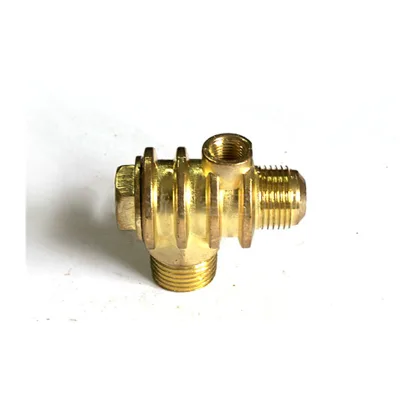
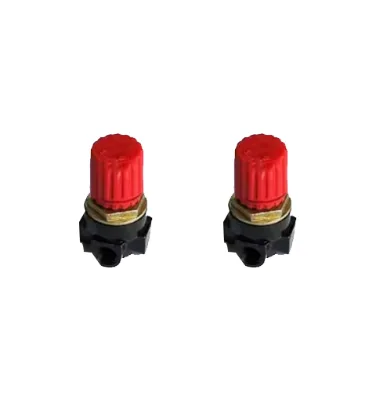


Others Air Compressor Temperature Control Valve Others Air Compressor Temperature Control Valve
$10.00 - $100.00
MOQ: 1000 Pieces


Comprehensive Sourcing Guide
Metal Air Compressor Check Valve Sourcing Guide
Sourcing a Metal Air Compressor Check Valve requires a disciplined approach to distinguishing between generic industrial components and specialized units designed for specific pressure and flow dynamics. The market presents a wide array of options, ranging from standard globe valves with gland packings to tubular structures engineered for high-temperature environments. Buyers must navigate a landscape where material composition varies significantly, with listings indicating options in stainless steel, aluminum, and general metal alloys, each offering distinct advantages regarding corrosion resistance and weight.
The decision-making process begins with aligning the valve's functional attributes with the operational demands of the air compressor system. Observed product data highlights critical variations in flow direction, with many units specified as unidirectional, which is essential for preventing backflow in pneumatic circuits. Furthermore, the sealing form and connection type, such as welding or specific port sizes ranging from G1/8 to G1/2, must be verified against the existing piping infrastructure to ensure a leak-free installation that maintains system integrity under varying pressure conditions.
Product Scope and Observed Listing Signals
The current market for metal air compressor check valves displays a broad spectrum of product scopes, characterized by diverse model numbers and structural designs. Listings reveal specific identifiers such as BKRV34, 235, and Tcs 50f/80f/100f-1, indicating that manufacturers offer specialized configurations rather than a single universal part. These variations often correlate with the intended application, whether for industrial usage requiring robust performance or systems needing specific noise reduction features like "Nrvg Silence" to maintain a quieter operating environment.
Buyers should carefully scrutinize the observed listing signals regarding stock availability and packaging details to anticipate supply chain stability. While some suppliers indicate a rich stock quantity and standard industrial packing, others may list specific packaging requirements or lack explicit stock data, necessitating direct inquiry. The presence of customization options suggests that many manufacturers are willing to adapt the valve's dimensions or material composition, but this flexibility often comes with specific lead times and minimum order quantities that can range from single items to thousands of pieces per month.
Technical Specifications to Verify
Verifying the technical specifications of a Metal Air Compressor Check Valve is paramount to ensuring compatibility with the compressor's operating parameters. Critical attributes to confirm include the working pressure range, which in observed listings spans from 0.05 to 1.2 MPa, and the temperature range, typically cited between -5 and 60 degrees Celsius for normal temperature applications, though high-temperature variants are also available. The media type, specifically gas, must be compatible with the valve's internal materials to prevent degradation or failure under continuous pneumatic stress.
Structural and connection details form another layer of technical verification that directly impacts installation success. Buyers must confirm the connection form, such as welding, and the port size, which can vary from G1/8 to G1/2 depending on the model. Additionally, the power source for actuation, if applicable, should be identified as pneumatic, and the flow direction must be strictly unidirectional to function correctly within the air line. The structure type, whether tubular or globe-style, dictates the internal flow path and pressure drop characteristics, requiring a precise match to the system's hydraulic design.
Compliance and Safety Documentation
Ensuring that the selected check valve meets necessary compliance and safety standards is a non-negotiable step in the procurement process. While some product listings explicitly mention certifications such as CE and ISO, and others reference standards like GB or SGS, the absence of these markers in a listing does not guarantee non-compliance but rather necessitates a direct request for documentation from the supplier. Buyers should treat certification claims as observations to be verified rather than inherent guarantees, ensuring that the valve meets the regulatory requirements of the destination market.
Safety documentation extends beyond simple certification to include machinery test reports and warranty terms that protect the buyer against premature failure. Observed data indicates that some suppliers provide machinery test reports and offer a six-month warranty, while others list warranty status as unavailable, highlighting the need for clear contractual agreements. The after-service response time, often cited as within 24 hours, serves as a critical indicator of the supplier's commitment to resolving safety or performance issues that may arise during the valve's operational life.
Cost Drivers and Commercial Terms
The cost of a Metal Air Compressor Check Valve is influenced by a complex interplay of material costs, manufacturing complexity, and commercial terms. The material composition, ranging from aluminum to stainless steel and general metal, is a primary driver, with stainless steel typically commanding a higher price due to its superior corrosion resistance and durability. Additionally, the complexity of the structure, such as tubular designs versus standard globe valves, and the inclusion of features like noise reduction or high-temperature tolerance, will further impact the final unit price.
Commercial terms, including minimum order quantities (MOQ) and supply ability, play a significant role in the total cost of ownership. Listings show an MOQ range from 1 to 2000 pieces, meaning that small-batch buyers may face higher per-unit costs compared to those capable of meeting larger volume thresholds. The supply ability, observed at 10,000 pieces per month for some suppliers, suggests that volume discounts may be available, but buyers must also consider the port of dispatch, typically Ningbo or Shanghai, and the associated logistics costs when calculating the landed price.
Supplier Qualification and Quality Control
Qualifying a supplier for metal air compressor check valves requires a rigorous assessment of their production capabilities and quality control measures. The place of origin, frequently cited as Zhejiang, China, or Xingtai, China, provides context for the manufacturing ecosystem, but buyers must look beyond location to verify the supplier's actual production capacity and consistency. The availability of customization services indicates a level of engineering capability, but this should be balanced against the supplier's ability to maintain strict quality control across different model numbers and material types.
Quality control verification should focus on the tangible evidence provided by the supplier, such as test reports and standard compliance documentation. While some listings mention specific standards like GB or SGS, the buyer must ensure that these standards are actively applied to the production batch being ordered. The presence of a machinery test report is a strong indicator of quality assurance, but it should be reviewed to confirm that the specific valve model and material composition were tested under conditions that mirror the intended application environment.
Long-Term Procurement Checks
Establishing a long-term procurement strategy for metal air compressor check valves involves monitoring the supplier's ability to maintain consistent quality and supply over time. Buyers should track the consistency of the model numbers and specifications, ensuring that the "Tcs 50f/80f/100f-1" or "BKRV34" units received in subsequent orders match the initial samples in terms of material, sealing form, and pressure ratings. The "Long Life" feature observed in some listings should be validated through performance data or customer feedback to ensure that the valve delivers the expected durability in the field.
Finally, the long-term viability of the procurement relationship depends on the supplier's responsiveness and after-sales support. The observed "Within 24 Hours Response" for after-service is a positive signal, but buyers must verify that this commitment is backed by a dedicated support team capable of handling technical inquiries and warranty claims. Regular audits of the supplier's stock levels and production schedules will help mitigate the risk of supply disruptions, ensuring that the critical check valves remain available to maintain the operational continuity of the air compressor systems.
FAQs
What materials are used for metal air compressor check valves?
Metal air compressor check valves are commonly constructed from stainless steel or general metal alloys. Stainless steel is preferred for its corrosion resistance and durability in industrial gas applications. The specific material choice depends on the operating environment and pressure requirements.
What is the typical working pressure range for these valves?
The working pressure for metal air compressor check valves typically ranges from 0.05 to 1.2 MPa. Some models are designed for medium pressure applications, while others support higher pressure systems. Always verify the specific pressure rating against your compressor system specifications.
How does the connection form affect installation?
The connection form, often welding, determines how the valve integrates into the piping system. Welding connections provide a permanent, leak-proof seal suitable for high-pressure industrial usage. Ensure the valve size and connection type match your existing infrastructure before installation.
Can metal air compressor check valves be customized?
Yes, customization is available for metal air compressor check valves. Suppliers can adjust specifications to meet specific industrial requirements, including size, material, and connection types. Customization ensures the valve fits precisely into your compressor system design.
What is the standard temperature range for operation?
These valves generally operate within a temperature range of -5 to 60 degrees Celsius. Some models are designed for high-temperature applications, but standard industrial usage falls within normal temperature limits. Check the specific model's temperature rating for your application.
What certifications are available for these valves?
Metal air compressor check valves may carry CE and ISO certifications, indicating compliance with international safety and quality standards. These certifications ensure the product meets rigorous manufacturing and performance criteria. Verify the specific certification documents for your procurement needs.
What is the typical supply capacity for these valves?
Suppliers can typically provide up to 10,000 pieces per month for metal air compressor check valves. This capacity supports large-scale industrial procurement and consistent supply chains. Confirm the specific monthly output with the supplier to match your production schedule.