Source Metal Surface Disposal Coco Betaine for Cleaning
Find 30 verified suppliers of Metal Surface Disposal Coco Betaine for degreasing, descaling, and rust-proofing applications. Compare purity levels, packaging options, and specifications to select the right cosmetic and industrial grade raw materials for your production needs.
Key considerations
Products List


Capb 30% 35% Coco Cocamidopropyl Betaine Cab with Best Price CAS 61789-40-0
$790.00 - $1099.00
MOQ: 10 Tons




Cab-35% Cocamidopropyl Betaine Excellent Thickening & Foaming Factory Direct
$650.00 - $700.00
MOQ: 20 Tons
Factory Supply Cocoamidopropyl Betaine / Coco Amido Betaine / CAPB CAS 86243-76-7
$0.86 - $1.86
MOQ: 1 Minimum


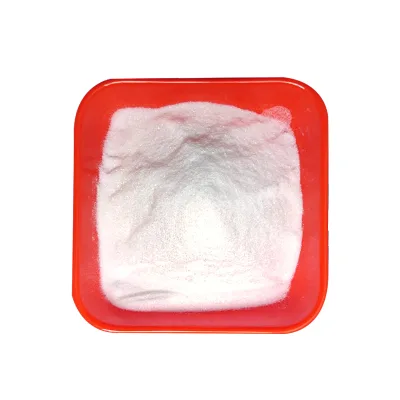
Best Price Surfactant Coco Betaine 35% CAPB Cab Powder Coco Betaine Cocamidopropyl
$0.81 - $1.22
MOQ: 100 Minimum




Comprehensive Sourcing Guide
Sourcing Guide for Metal Surface Disposal Agents and Coco Betaine Derivatives
The procurement landscape for industrial chemicals often presents a complex matrix of overlapping product categories, particularly when searching for terms like "Metal Surface Disposal Coco Betaine." A rigorous analysis of available market data reveals that this specific keyword combination likely conflates two distinct chemical families: metal surface treatment agents and surfactant-based cleaning agents derived from coconut oil. Buyers must navigate these distinctions carefully to ensure they source materials that meet specific industrial requirements. The following guide provides an evidence-based framework for evaluating suppliers, verifying technical specifications, and managing procurement risks associated with these chemical categories.
Distinguishing Product Categories and Technical Specifications
The first critical step in sourcing is clarifying the chemical identity of the product. The search term "coco betaine" typically refers to Cocamidopropyl Betaine (CAS No. 68424-94-2), a zwitterionic surfactant widely used in cosmetic and personal care applications. However, the modifier "metal surface disposal" suggests a chemical used for degreasing, descaling, pickling, or phosphating metals. Market observations indicate that while some surfactants are used in metal cleaning formulations, there are also specific "Metal Surface Disposal Agents" classified as alkaline surface disposal agents.
Buyers must verify the primary function of the listed product. For instance, data indicates that Cocamidopropyl Betaine is characterized by high foaming properties, foam stabilization, and compatibility with anionic and nonionic surfactants. It is often described as a clear colorless liquid or a light yellow liquid with a pH range of 6-8. In contrast, products explicitly labeled as metal surface disposal agents are often alkaline, used for rust-proofing, polishing, and black or colored metal treatment. The observed data shows a product with the model number "DNS-Coco Betaine" and another with "CAB21," both potentially linked to surfactant applications, while other listings describe "Metal Surface Disposal Agents" with a yellow color and specific industrial usage.
The following table outlines the divergent technical attributes observed in the market for these related chemical categories:
| Attribute Category | Cocamidopropyl Betaine (Surfactant) | Metal Surface Disposal Agent |
|---|---|---|
| Primary Appearance | Clear colorless liquid or Light Yellow | Yellow Liquid |
| Chemical Classification | Zwitterionic Surfactant | Alkaline Surface Disposal Agent |
| Key Function | Foam Stabilizing, Low Skin Irritation | Degreasing, Descaling, Pickling, Rust-Proof |
| Typical Purity Range | 30%~50%, 35%, or 99% | 30%/35%/99% (Variable) |
| pH Value | 6-8 | Alkaline (Specific range varies) |
| Solid Content | 35% min | Variable |
| Free Amine Limit | 0.50% Max | Not typically specified in same context |
Understanding these distinctions is vital because a product optimized for cosmetic-grade foam stability may not possess the aggressive cleaning power required for industrial metal descaling.
Compliance, Certification, and Quality Standards
When sourcing industrial chemicals, verifying the certification status of the supplier is paramount. The market data indicates that reputable suppliers often provide certifications such as ISO, CIQ, and CCIC. Additionally, documentation like MSDS (Material Safety Data Sheet) and COA (Certificate of Analysis) is frequently listed as a standard requirement. These documents are not merely administrative; they are essential for regulatory compliance and safety management in the workplace.
Buyers should explicitly request the COA to confirm the specific purity levels of the batch. Observed data shows purity claims ranging from 30% to 99%, with specific grades like 35% and 99% appearing in different listings. The "Grade Standard" observed in the data includes both "Cosmetic Grade" and "Industrial Grade," highlighting the need to match the grade to the application. A product intended for metal surface disposal must meet industrial safety and performance standards, whereas a cosmetic-grade product may have different impurity limits and testing protocols.
Furthermore, the "Grade Standard" field in supplier listings can sometimes be ambiguous. While one entry lists "Industrial Grade," another lists "Cosmetic Grade" for a product with the same core name. This discrepancy underscores the necessity for buyers to verify the specific standard against their internal quality requirements. The presence of ISO 9001 and SGS standards in the data suggests a baseline for quality management systems, but buyers must confirm that the specific product batch adheres to these standards through the provided COA.
Cost Drivers and Pricing Dynamics
The pricing structure for chemical raw materials is influenced by several factors, including purity, packaging, and order volume. The observed price range in the market is extensive, spanning from $0.30 to $2100 USD. This wide variance is likely driven by the difference between small sample quantities and bulk industrial drums, as well as the purity level of the chemical.
Minimum Order Quantity (MOQ) is a significant cost driver. Data indicates an MOQ range from 1 kg to 2000 kg, with a specific observation of 1 kg for certain listings. For industrial buyers, the unit cost per kilogram typically decreases as the order volume increases. Packaging also plays a role in the final cost. Common packaging formats include 1 kg foil bags, 25 kg drums, and IBC totes. The single package size is noted as 30x16x32 cm for smaller units, while larger units utilize drums or IBC containers.
Buyers should calculate the total landed cost, which includes the base price, shipping, and handling fees. The single gross weight of 1.500 kg for a 1 kg package suggests that packaging materials contribute significantly to the weight for smaller orders. For larger industrial orders, the efficiency of 25 kg drums or IBC totes reduces the per-unit shipping cost. It is crucial to clarify whether the quoted price includes the cost of the packaging or if it is an additional charge, as this can impact the overall budget.
Typical Applications and Usage Scenarios
The application of these chemicals varies significantly based on their classification. Cocamidopropyl Betaine is primarily used in cosmetic raw materials, specifically in shampoos, body washes, and liquid detergents. Its key benefits include low skin irritation and high foaming capabilities, making it suitable for personal care products where user experience is critical.
Conversely, metal surface disposal agents are designed for heavy-duty industrial processes. The observed usage categories include degreasing, descaling, pickling, polishing, and phosphating. These agents are essential for preparing metal surfaces before painting, plating, or further processing. The alkaline nature of these agents allows them to effectively remove oils, rust, and other contaminants from metal substrates.
The compatibility of these chemicals is another important factor. Cocamidopropyl Betaine is noted for its compatibility with anionic and nonionic surfactants, which is beneficial for formulating complex cleaning solutions. However, when used in metal surface treatment, the chemical must be compatible with the specific metal alloy and the subsequent processing steps. Buyers must ensure that the selected product does not cause corrosion or damage to the metal surface during the disposal process.
Supplier Evaluation and Verification
Evaluating suppliers requires a multi-faceted approach that goes beyond the initial product listing. The origin of the product is a key indicator of supply chain stability. The data consistently points to Shaanxi, China, as the place of origin for these products. While this region is a known hub for chemical manufacturing, buyers should verify the specific factory location and its capacity to meet demand.
Supplier reliability can be assessed by examining their response to customization requests. The data indicates that customization is available, which is a positive sign for buyers with specific formulation needs. However, buyers should request samples before committing to large orders to verify the product's performance against their specific requirements. The shelf life of the product, observed as 2 years, is another critical factor for inventory management. Buyers should ensure that the product they receive has sufficient remaining shelf life to complete their production cycles.
Additionally, the availability of technical support is crucial. Suppliers who provide detailed MSDS and COA documents are more likely to offer robust technical support. Buyers should inquire about the supplier's ability to assist with troubleshooting any issues related to product performance or safety.
Quality Control and Long-Term Procurement Considerations
Implementing a robust quality control (QC) process is essential for maintaining product consistency. Buyers should establish clear acceptance criteria based on the observed specifications, such as purity levels, pH values, and appearance. Regular testing of incoming batches against the COA is necessary to ensure that the product meets the required standards.
Long-term procurement considerations include supply chain resilience and sustainability. The data indicates that some products are marketed as environmentally friendly, with "Environmental Protection" listed as a feature. Buyers should verify these claims by reviewing the supplier's environmental certifications and waste management practices. Ensuring a sustainable supply chain can mitigate risks associated with regulatory changes and enhance the brand's reputation.
Lead times and production capacity are also critical for long-term planning. While specific lead times are not provided in the data, buyers should negotiate clear delivery schedules with suppliers. The ability to scale production up or down based on demand is a valuable attribute for a supplier. Finally, maintaining a strong relationship with the supplier can lead to better pricing, priority service, and access to new product developments.
In conclusion, sourcing metal surface disposal agents and coco betaine derivatives requires a careful balance of technical understanding, compliance verification, and strategic supplier management. By adhering to the guidelines outlined above, buyers can navigate the complexities of the chemical market and secure high-quality products that meet their specific industrial needs.
FAQs
What is the primary appearance of Metal Surface Disposal Coco Betaine?
The product appears as a clear colorless liquid or light yellow liquid depending on the specific grade. Some listings describe it as a yellow liquid when classified as an alkaline surface disposal agent, while surfactant grades are typically clear or light yellow.
Which certifications are typically available for these chemical products?
Reputable suppliers often provide ISO, CIQ, and CCIC certifications along with MSDS and COA documents. These certifications verify quality management systems and product safety, ensuring compliance with industrial and cosmetic standards required for metal treatment or personal care applications.
How is the purity level defined for coco betaine derivatives?
Purity levels vary significantly across listings, ranging from 30% to 99% depending on the specific grade. Some products specify a solid content of 35% minimum, while others offer high-purity grades of 99% suitable for cosmetic applications or industrial formulations.
Can buyers request customization for metal surface disposal agents?
Yes, customization is available for buyers with specific formulation needs. Suppliers often accommodate requests for tailored specifications, allowing clients to adjust parameters like purity, packaging, or chemical composition to meet unique industrial or cosmetic requirements.
What is the typical shelf life for these chemical raw materials?
The observed shelf life for these products is generally two years when stored correctly. Buyers should ensure the product is kept in a dry and cool place away from sunshine to maintain stability and effectiveness throughout the storage period.
Which packaging formats are commonly used for these chemicals?
Common packaging includes 1 kg foil bags, 25 kg drums, and IBC totes for larger orders. Smaller units may have a single package size of 30x16x32 cm, while bulk shipments utilize drums or bags to optimize shipping and handling efficiency.