Source Metal Tongue Scraper for Oral Hygiene, Dental Care, and Home Use
Find 30 Metal Tongue Scraper options from verified Chinese manufacturers. Compare materials like copper and stainless steel, check MOQs, and review packaging details for your sourcing needs.
Key considerations
Products List






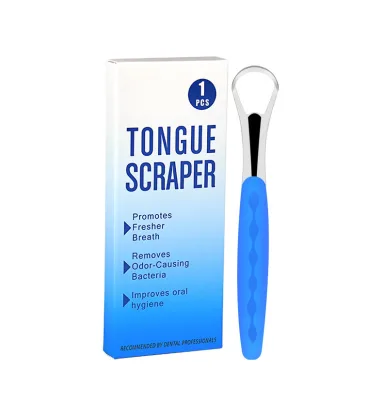

OEM Colorful Tongue Coating Cleaning Brush Plastic Tongue Cleaner Scraper
$0.29 - $0.30
MOQ: 10000 Pieces


Colorful Silicone Tongue Coating Cleaning Brush Plastic Tongue Cleaner Scraper
$0.20 - $0.25
MOQ: 10000 Pieces


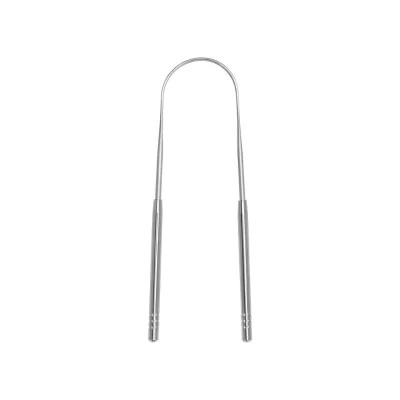
Comprehensive Sourcing Guide
Metal Tongue Scraper Sourcing Guide
Sourcing metal tongue scrapers requires a nuanced understanding of material science, hygiene standards, and commercial logistics. Unlike plastic alternatives, metal scrapers offer durability and antimicrobial properties, making them a preferred choice for health-conscious consumers and professional dental practices. Buyers must navigate a market characterized by significant variation in material purity, surface finish, and packaging standards. The decision to source metal scrapers is often driven by the need for a product that resists corrosion, maintains hygiene over time, and provides a superior tactile experience compared to disposable plastic tools.
This guide provides a structured approach to evaluating suppliers and products in this category. It focuses on verifying material composition, ensuring regulatory compliance, and understanding the commercial terms that impact total landed cost. By adhering to the evidence-based observations and industry standards outlined below, procurement professionals can mitigate risks associated with substandard materials, inadequate certifications, and unreliable supply chains. The goal is to establish a sourcing strategy that balances quality assurance with cost efficiency, ensuring that the final product meets both regulatory requirements and end-user expectations.
Product Scope and Observed Listing Signals
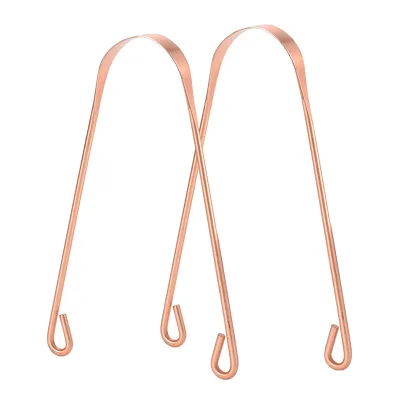
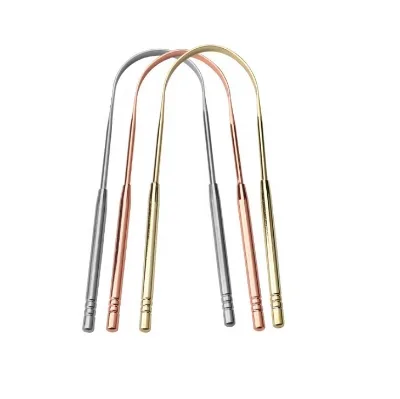
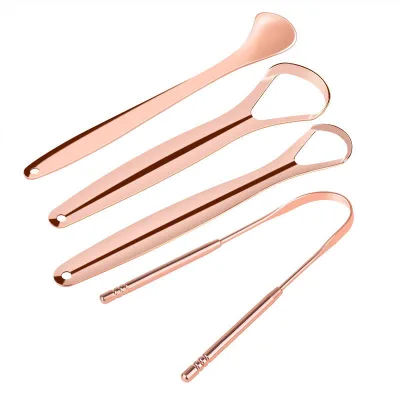
The current market for metal tongue scrapers exhibits a wide range of product configurations, primarily distinguished by material composition and design intent. Observations indicate a split between pure copper variants and stainless steel options, each serving different market segments. Pure copper scrapers, such as those identified with model numbers like HD-074, are often marketed for their natural antimicrobial properties and aesthetic appeal. These products typically feature a copper color and are packaged in simple OPP bags, targeting consumers who prioritize eco-friendly and natural material solutions. The presence of such products suggests a growing demand for non-plastic, sustainable oral care tools.
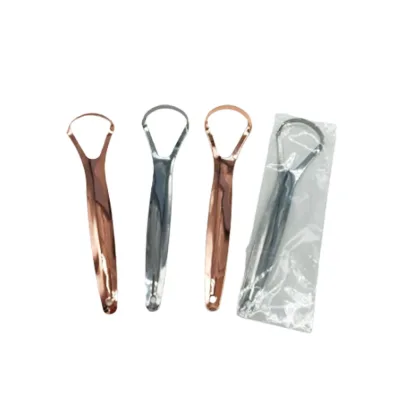
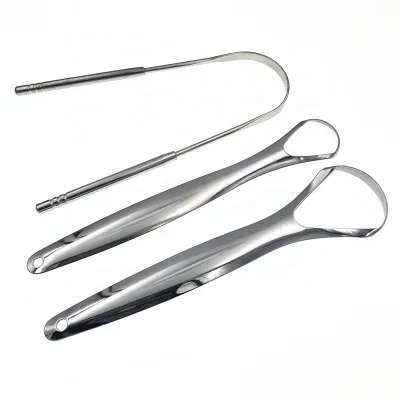
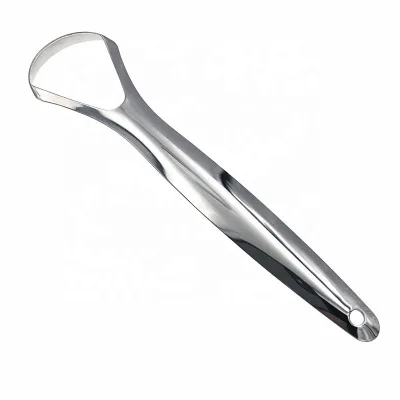
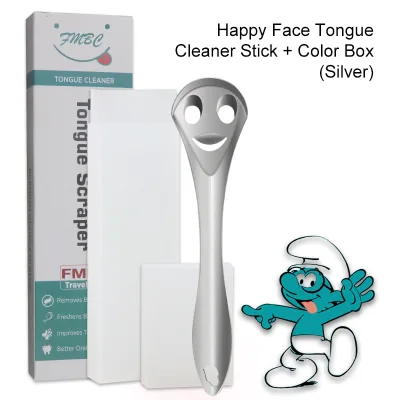
Conversely, stainless steel scrapers, often made from 304-grade steel, represent the more traditional and widely adopted category in professional and home care settings. These products, such as those associated with the brand Dentalworld or model GD, emphasize durability, ease of cleaning, and resistance to rust. Listings for these items frequently highlight features like "Anti-Sensitive" and "Oral Refreshing," indicating a focus on user comfort and hygiene. The packaging for these steel variants is often more robust, involving blister cards or inner boxes, which suggests a different distribution channel, potentially including retail shelves or professional dental clinics. Buyers must carefully distinguish between these material types to align their procurement with their target market's preferences.
Technical Specifications to Verify
Material purity and grade are the most critical technical specifications to verify when sourcing metal tongue scrapers. For copper products, buyers should confirm that the material is indeed 100% pure copper, as this directly impacts the product's antimicrobial efficacy and durability. For stainless steel options, verification of the 304 grade is essential, as this grade offers superior corrosion resistance compared to lower-quality steels. Buyers should request material test reports or mill certificates from suppliers to ensure that the claimed material composition matches the actual product. This verification step is crucial to prevent issues such as discoloration, rusting, or allergic reactions in end-users.
Dimensional accuracy and packaging specifications are also key technical factors that influence product performance and logistics. The physical size of the scraper, such as the 70*38mm dimension observed for copper models, affects ergonomics and user comfort. Buyers should ensure that the product dimensions align with their ergonomic requirements and target demographic. Additionally, packaging details, including single package size and gross weight, are vital for calculating shipping costs and storage requirements. For instance, a single gross weight of 0.02 kg for a copper scraper versus 1.500 kg for a bulk steel package indicates significant differences in handling and logistics. Buyers must align these specifications with their supply chain capabilities to avoid unexpected costs or operational inefficiencies.
Compliance and Safety Documentation
Regulatory compliance is a non-negotiable aspect of sourcing metal tongue scrapers, particularly given their direct contact with the human body. Certifications such as FDA and CE are commonly cited in product listings and serve as indicators of adherence to safety and quality standards. Buyers should verify the validity and scope of these certifications, ensuring that they cover the specific product type and material composition. For example, an FDA certificate should confirm that the copper or stainless steel used is safe for oral contact and does not leach harmful substances. Similarly, a CE certificate indicates compliance with European health, safety, and environmental protection standards, which is crucial for selling in the European market.
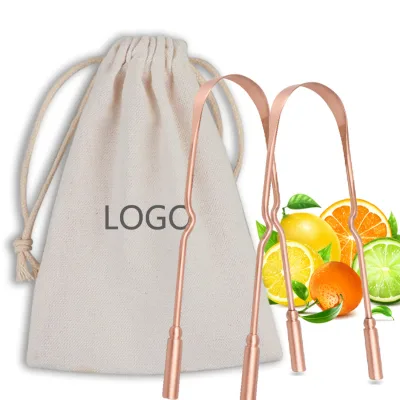
Beyond certifications, buyers should also consider the implications of product labeling and marketing claims. Terms such as "Eco-Friendly," "Non-Disposable," and "Non-Medicated" must be substantiated by the product's actual characteristics and regulatory definitions. Buyers should ensure that suppliers do not make unsupported medical claims, as this could lead to regulatory scrutiny or product recalls. Additionally, the presence of customization options, such as OEM logo printing, requires careful attention to ensure that the customization process does not compromise the product's safety or compliance status. Buyers should establish clear guidelines for labeling and marketing to maintain consistency and compliance across their product portfolio.
Cost Drivers and Commercial Terms
The cost of metal tongue scrapers is influenced by several factors, including material prices, manufacturing complexity, and packaging requirements. Copper, being a precious metal, typically commands a higher price than stainless steel, although this can fluctuate based on global market conditions. Buyers should monitor metal price trends and negotiate contracts that include price adjustment mechanisms to mitigate the risk of sudden cost increases. Additionally, the complexity of the manufacturing process, such as the precision required for ergonomic shaping and surface finishing, can impact production costs. Buyers should seek transparency from suppliers regarding their cost structure to identify potential areas for cost optimization.
Minimum Order Quantities (MOQ) and supply ability are critical commercial terms that affect procurement flexibility and inventory management. Observed MOQs range from 10 pieces for sample orders to 20,000 pieces for bulk production, reflecting the diverse needs of different buyers. Suppliers with high supply abilities, such as 200,000 pieces per day for copper scrapers, offer greater scalability but may require larger commitments. Buyers should align their order quantities with their sales forecasts and storage capacity to avoid overstocking or stockouts. Furthermore, payment terms, lead times, and shipping arrangements should be clearly defined in contracts to ensure smooth transaction processes and timely delivery.
Supplier Qualification and Quality Control
Supplier qualification is a foundational step in ensuring the reliability and consistency of Metal Tongue Scraper supplies. Buyers should conduct thorough due diligence on potential suppliers, including verification of their business licenses, production facilities, and quality management systems. Suppliers with established track records in the oral care industry are generally more reliable, as they possess the necessary expertise and infrastructure to produce high-quality products. Buyers should also assess the supplier's ability to handle customization requests, such as logo printing and packaging design, as this can be a key differentiator in the market.
Quality control measures are essential to maintain product consistency and meet customer expectations. Buyers should implement a robust quality control plan that includes pre-production samples, in-process inspections, and final random inspections. Key quality attributes to monitor include material purity, dimensional accuracy, surface finish, and packaging integrity. Suppliers should be required to provide quality reports and test results for each batch of production. Additionally, buyers should establish clear acceptance criteria and rejection procedures to handle non-conforming products. Regular audits and performance reviews can help identify areas for improvement and strengthen the supplier-buyer relationship over time.
Long-Term Procurement Checks
Long-term procurement success depends on continuous monitoring and adaptation to market changes. Buyers should regularly review supplier performance metrics, including on-time delivery rates, product quality, and responsiveness to issues. Establishing a scorecard system can help objectively evaluate suppliers and identify top performers for increased business volume. Buyers should also stay informed about emerging trends in the oral care industry, such as new materials, designs, or regulatory requirements, to ensure their product offerings remain competitive. Proactive engagement with suppliers can foster innovation and collaboration, leading to improved products and services.
Sustainability and ethical sourcing are increasingly important considerations for long-term procurement strategies. Buyers should assess their suppliers' environmental practices, including waste management, energy consumption, and use of sustainable materials. Suppliers who demonstrate a commitment to sustainability can help buyers meet their own corporate social responsibility goals and appeal to environmentally conscious consumers. Additionally, buyers should ensure that their supply chain is resilient to disruptions, such as geopolitical tensions or natural disasters, by diversifying suppliers and maintaining safety stock. By focusing on long-term relationships and sustainable practices, buyers can build a robust and competitive sourcing strategy for metal tongue scrapers.
FAQs
What materials are used for metal tongue scrapers?
Metal tongue scrapers are primarily made from copper or stainless steel 304. Some products feature a copper color finish while others appear silver. These materials ensure durability and hygiene for daily oral care routines.
Can I customize the logo on these tongue scrapers?
Yes, customization is available for many Metal Tongue Scraper models. Buyers can request customized logos on the product surface. However, some specific listings may currently show no logo options depending on the supplier configuration.
What certifications do these metal tongue scrapers hold?
Certified metal tongue scrapers often carry FDA and CE certificates. These documents verify that the products meet specific safety and quality standards for oral hygiene tools. Buyers should verify certification details with the specific manufacturer.
How much is the minimum order quantity for these scrapers?
Minimum order quantities vary significantly between different suppliers and product models. Some listings accept orders as low as 10 pieces, while others require a minimum of 2000 pieces. Buyers must check specific supplier requirements before purchasing.
Where are these metal tongue scrapers manufactured?
These products originate from manufacturing facilities in China, specifically in provinces like Zhejiang and Hubei. The goods are typically dispatched from major ports such as Ningbo, Shenzhen, or Shanghai for international shipping logistics.
What is the typical packaging for metal tongue scrapers?
Packaging options include individual OPP bags, blister cards, or bulk cartons. Some suppliers offer 1 piece per bag while others pack 12 pieces in an inner box. The single package size varies based on the specific model and packaging style.