Source Metal Wire Storage Basket for Home, Wedding, and Shopping
Find and compare 30 Metal Wire Storage Basket options from Chinese manufacturers. Evaluate variations in size, material, and surface treatment to select the ideal solution for home organization, wedding decor, or retail shopping needs.
Key considerations
Products List


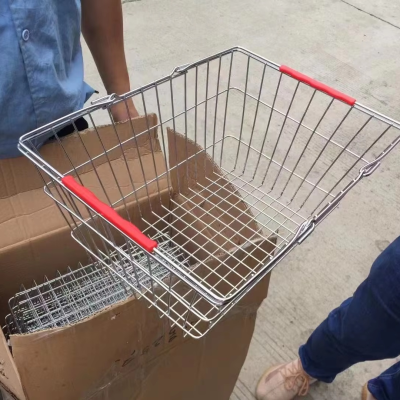

Custom Iron Metal Storage Basket Wire Storage Organizer Basket for Home
$6.00 - $10.00
MOQ: 200 Pieces


Comprehensive Sourcing Guide
Metal Wire Storage Basket Sourcing Guide
The Metal Wire Storage Basket serves as a versatile solution for organizing diverse items across residential, commercial, and industrial environments. Based on observed market listings, these products are frequently utilized for storage, wedding decorations, gift packaging, and the display of fruits and food items. The design versatility allows them to function effectively as shopping baskets, tableware organizers, or general sundries holders, making them a staple for retailers and bulk buyers seeking adaptable storage solutions.
Buyers should recognize that the market offers a spectrum of configurations ranging from small, foldable units to larger, custom-sized industrial containers. The observed product attributes indicate a strong presence of classic and modern simplicity styles, with finishes that include natural colors, white, and electrostatic spraying. This variety ensures that procurement teams can source baskets that align with specific aesthetic requirements while maintaining the structural integrity necessary for heavy-duty storage or delicate decorative applications.
Product Scope and Observed Listing Signals
When evaluating product listings, buyers must distinguish between different manufacturing processes that define the final utility of the basket. The market data reveals two primary construction methods: welding and weaving. Welded baskets often feature a rigid structure suitable for heavy loads, while woven variants, such as those made from stainless steel mesh with specific wire diameters, offer flexibility and a distinct aesthetic. Understanding this distinction is critical, as the processing method directly influences the basket's durability and suitability for specific use cases like food storage versus general decoration.
Another key signal in product listings is the variation in dimensions and packaging standards. Observed widths range from 230mm to 530mm, with specific models offering compact dimensions like 24.724.711 Cm or larger custom sizes. Packaging also varies significantly, with some items shipped in carton boxes, others in single packaging, and some arriving with no packing at all. Buyers need to verify these details early in the sourcing process to ensure the selected product fits their logistical constraints and end-user presentation needs without incurring unexpected shipping or handling costs.
Technical Specifications to Verify
Material composition is the first technical parameter that requires rigorous verification, as it dictates corrosion resistance and load-bearing capacity. The supply chain features both general metal and stainless steel options, with specific listings highlighting a 3mm wire diameter for mesh variants. Procurement teams must confirm the exact alloy grade and thickness to ensure the basket can withstand the intended environment, particularly for applications involving food, moisture, or heavy tools. Relying on generic "metal" descriptions without confirming the specific material type can lead to premature failure in demanding applications.
Surface treatment and finishing processes are equally critical for both longevity and aesthetic alignment. Listings indicate a range of treatments including spray painting, polishing, and electrostatic spraying, with some products requiring no additional treatment. Buyers should verify that the surface treatment is compatible with the intended usage; for instance, electrostatic spraying is often preferred for industrial or outdoor durability, while polishing may be selected for decorative or food-contact applications. Additionally, the shape—whether square, common, or custom—must be confirmed against the storage requirements to ensure optimal space utilization.
Compliance and Safety Documentation
For applications involving food, fruit, or tableware, verifying that the Metal Wire Storage Basket meets relevant food safety standards is essential. While specific certification documents are not universally listed in general product summaries, buyers must request proof that the materials and surface treatments are non-toxic and safe for direct or indirect food contact. This is particularly important for baskets used in commercial kitchens, retail food displays, or wedding catering, where regulatory compliance is mandatory to prevent contamination and ensure consumer safety.
Documentation regarding the origin and manufacturing standards of the product also plays a vital role in risk management. Many listings specify origins such as Anping, Hebei, or general "Made in China" designations, with standards ranging from customized requests to specific model numbers like GS-C01 or CTWZ0064. Buyers should ensure that the supplier can provide traceability for the raw materials and confirm that the manufacturing process adheres to the agreed-upon standards, whether they are industry-specific or custom-defined by the buyer. This documentation serves as a safeguard against quality inconsistencies and regulatory non-compliance.
Cost Drivers and Commercial Terms
The cost of metal wire storage baskets is heavily influenced by the complexity of the processing method and the material grade selected. Welded and woven constructions require different labor inputs, and the use of stainless steel versus general metal significantly impacts the base material cost. Furthermore, customizations such as specific dimensions, unique surface treatments like electrostatic spraying, and tailored packaging solutions add layers of complexity that drive up the unit price. Buyers should anticipate that highly customized models will carry a premium compared to standard, off-the-shelf configurations.
Commercial terms, including Minimum Order Quantity (MOQ) and lead times, vary widely across the market and must be negotiated based on the specific product configuration. Observed MOQs range from as low as 1 unit to 1000 units, allowing flexibility for both small-scale testers and large-volume distributors. Lead times for samples are typically cited between 10 to 15 days, but production lead times for bulk orders depend on the customization level and the supplier's current capacity. Understanding these variables is crucial for accurate budgeting and supply chain planning, especially when dealing with seasonal demands or tight delivery schedules.
Supplier Qualification and Quality Control
Supplier qualification should begin with a thorough review of their production capabilities and geographic location. The market shows a concentration of suppliers in regions like Anping, Hebei, and Hangzhou, which are known for their metal processing industries. Buyers should verify that the supplier has the specific equipment required for the chosen processing method, whether it is welding, weaving, or electrostatic spraying. Confirming the supplier's location and facility capabilities helps ensure that they can consistently deliver the required quality and volume without the risks associated with distant or under-equipped manufacturers.
Quality control protocols must be established to verify that the finished products match the agreed-upon specifications. Buyers should implement checks for critical attributes such as wire diameter, surface treatment uniformity, and structural integrity, particularly for foldable or custom-shaped baskets. Requesting pre-shipment samples and conducting third-party inspections can help identify defects early, ensuring that the final shipment meets the required standards for shape, color, and functionality. A robust quality control plan minimizes the risk of receiving substandard goods that could compromise the buyer's brand reputation.
Long-Term Procurement Checks
Establishing a long-term relationship with a supplier requires ongoing monitoring of their ability to maintain consistency in product attributes and standards. Buyers should regularly audit the supplier's adherence to the agreed-upon specifications, such as the specific model numbers, dimensions, and surface treatments. Consistency is key, as variations in wire diameter or finishing quality can lead to operational issues for the end-user. Regular communication and periodic quality audits ensure that the supplier remains aligned with the buyer's evolving needs and maintains the high standards required for sustained business success.
Finally, buyers must stay vigilant regarding changes in supply chain dynamics, such as shifts in raw material costs or regulatory requirements. The Metal Wire Storage Basket market is subject to fluctuations in steel prices and environmental regulations that may affect production costs and compliance standards. Proactive engagement with suppliers to anticipate these changes allows buyers to adjust their procurement strategies accordingly, ensuring a stable supply of high-quality baskets. By maintaining a forward-looking approach, buyers can secure a reliable supply chain that supports their long-term business objectives.
FAQs
What customization options are available for metal wire storage baskets?
Customization is available for these metal wire storage baskets to meet specific buyer needs. You can request tailored sizes, surface treatments like spray or polishing, and specific packing methods such as carton boxes or no packing depending on your order requirements.
Which materials are used to manufacture these storage baskets?
The primary materials used are metal and stainless steel for durability. These baskets are designed for various applications including storage, weddings, gifts, and food handling, ensuring they meet the structural requirements for both industrial and decorative uses.
How are these metal wire baskets processed and treated?
Processing methods include welding and weaving to create the wire mesh structure. Surface treatments involve spray painting, polishing, or electrostatic spraying to enhance appearance and corrosion resistance, with options available to suit different aesthetic and functional demands.
Can I find metal wire baskets with specific dimensions?
Yes, specific dimensions are available including widths of 230mm, 330mm, 430mm, and 530mm. Some models offer a size of 24.7 by 24.7 by 11 cm, while others can be customized to your exact size requirements for versatile storage solutions.
What is the lead time for sample orders of these baskets?
The sample lead time is typically between 10 to 15 days for ready samples. This allows buyers to evaluate the product quality and specifications before committing to larger orders, ensuring the final product meets your expectations.
Where are these metal wire storage baskets manufactured?
These baskets are manufactured in Anping, Hebei, and other locations in China. The origin is confirmed as China, providing a reliable supply chain for international buyers seeking cost-effective metal storage solutions with consistent quality standards.
What packaging options exist for shipping these storage baskets?
Packaging options include carton boxes, single packaging, or no packing depending on the model. Buyers can choose from standard carton packing or request customized packaging solutions to protect the metal wire baskets during transit and storage.