Source Metallic Embossed Perfume Bottle Cap for Luxury Packaging
Find 30 Metallic Embossed Perfume Bottle Cap options from verified suppliers. Compare materials like aluminum-plastic and metal, view specifications such as 28/410 and 15/400 sizes, and evaluate customization features including OEM logo printing and mixed color availability for your brand needs.
Key considerations
Products List


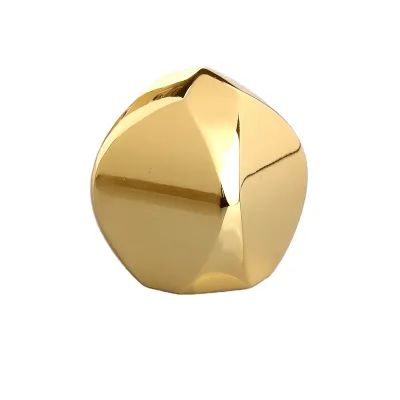


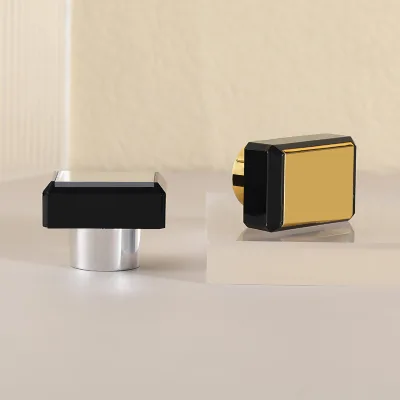
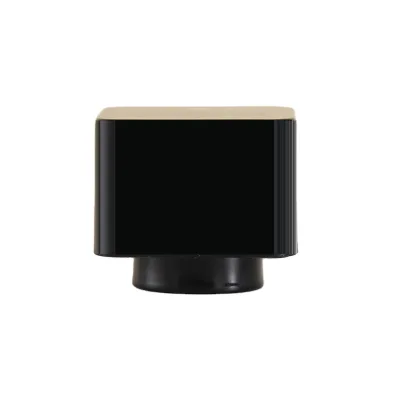
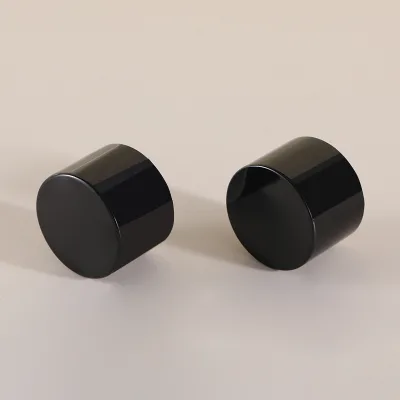
Hot Sale Aluminum 15 400 Cap for Perfume Bottle Closures Non Slip Design OEM Logo Printing
$0.09 - $0.10
MOQ: 100000 pieces


$0.25 - $0.40
MOQ: 3000 Pieces


Customized Magnetic Aluminum Perfume Cap Bottle Cap for Perfume Bottle
$0.10 - $0.50
MOQ: 10000 Pieces

Aluminum Bottle Caps Glass Bottle Perfume Bottle Flip Top Caps Bottle Cap
$0.10 - $0.50
MOQ: 10000 Pieces


Comprehensive Sourcing Guide
Metallic Embossed Perfume Bottle Cap Sourcing Guide
Sourcing metallic embossed perfume bottle caps requires a nuanced understanding of material composition, decorative techniques, and functional compatibility. These components serve as critical aesthetic and functional elements in the fragrance industry, providing both a secure seal and a premium tactile experience. Buyers must distinguish between all-metal constructions and hybrid designs, such as aluminum-plastic combinations, which offer distinct advantages in weight, cost, and corrosion resistance. The embossing process adds depth and brand identity, but it also introduces variables in tooling complexity and surface finish consistency.
Procurement decisions should be guided by observed market signals, including available customization options and standard bottleneck sizes. Suppliers often list capabilities for OEM branding, low-price points, and stock availability, which can significantly impact lead times and minimum order quantities. Understanding the interplay between material choice, such as aluminum or plastic, and the embossing technique is essential for balancing visual appeal with structural integrity. This guide outlines the key technical, commercial, and quality factors necessary for successful sourcing of these specialized packaging components.
Product Scope and Observed Listing Signals
The current market for metallic embossed caps includes a variety of materials, primarily aluminum-plastic hybrids and pure metal options, designed for different performance profiles. Observed listings indicate that suppliers offer customization services, allowing buyers to tailor the cap’s appearance to specific brand identities. The presence of OEM capabilities suggests that many manufacturers can accommodate custom logos and embossing patterns, which is crucial for creating a unique unboxing experience. Buyers should verify whether the embossing is applied to the outer shell or integrated into the structural layers, as this affects durability and wear resistance.
Listing signals also reveal a range of standard bottleneck sizes, such as 28/410, 24/410, 20/410, and 18/410, which are common in the fragrance and personal care sectors. Some suppliers provide mixed color options and specific model numbers, indicating a standardized inventory that can reduce lead times. However, the availability of stock does not guarantee that embossed designs are ready-made; often, embossing requires custom tooling. Buyers must clarify whether the observed stock items include pre-embossed designs or if embossing is a post-production step that extends the manufacturing timeline.
Technical Specifications to Verify
Verifying technical specifications is paramount to ensuring that the metallic embossed caps fit the intended bottles and perform reliably. Buyers must confirm the exact bottleneck size compatibility, as mismatches can lead to leakage or improper sealing. The material composition, whether it is aluminum-plastic, aluminum, or another alloy, dictates the cap’s weight, durability, and resistance to corrosion. It is essential to request detailed drawings or samples to assess the embossing depth and sharpness, as shallow embossing may not provide the desired tactile feedback, while deep embossing might compromise the cap’s structural integrity.
Additionally, the surface handling techniques, such as screen printing or electroplating, should be evaluated for their longevity and resistance to scratching. The connection mechanism, whether it is a screw cap, flip top, or pump sprayer, must align with the product’s dispensing requirements. Buyers should also inquire about the internal liner material, which ensures an airtight seal and protects the fragrance from oxidation. Understanding these technical details helps in selecting a cap that not only looks premium but also functions effectively throughout the product’s shelf life.
Compliance and Safety Documentation
Compliance and safety documentation are critical when sourcing packaging materials that come into direct contact with cosmetic and fragrance products. Buyers must ensure that the materials used, including the metal and any plastic components, are free from harmful substances such as lead, cadmium, or phthalates. Requesting Material Safety Data Sheets (MSDS) and compliance certificates from recognized standards bodies is essential to verify that the caps meet international safety regulations. This is particularly important for markets with strict chemical regulations, such as the European Union and North America.
Furthermore, buyers should verify that the manufacturing process adheres to good manufacturing practices (GMP) to prevent contamination. Documentation should also cover the recyclability and environmental impact of the materials, as sustainability is increasingly important to consumers and regulators. Suppliers may provide information on whether the caps are recyclable or made from recycled content, which can enhance the brand’s eco-friendly image. Ensuring that all compliance documentation is up-to-date and verifiable helps mitigate legal risks and supports responsible sourcing practices.
Cost Drivers and Commercial Terms
Several factors influence the cost of metallic embossed perfume bottle caps, including material prices, tooling costs, and order volume. The use of aluminum-plastic hybrids may offer a cost advantage over all-metal caps, while custom embossing designs can increase tooling expenses. Buyers should negotiate clear terms regarding minimum order quantities (MOQs), which can range significantly based on the complexity of the design and the supplier’s production capacity. Understanding the cost breakdown helps in budgeting accurately and identifying areas where savings can be achieved without compromising quality.
Lead times are another critical commercial term, as they impact inventory management and time-to-market. Suppliers may offer different lead times for stock items versus custom-embossed designs, with the latter requiring additional time for tooling and production. Buyers should also clarify payment terms, shipping responsibilities, and warranty policies to avoid unexpected costs. Establishing a transparent commercial agreement ensures that both parties have a clear understanding of their obligations, reducing the risk of disputes and ensuring a smooth procurement process.
Supplier Qualification and Quality Control
Supplier qualification is a vital step in ensuring the reliability and consistency of metallic embossed perfume bottle caps. Buyers should conduct thorough due diligence, including verifying the supplier’s business license, production capabilities, and quality management systems. Requesting references from previous clients and visiting the manufacturing facility, if possible, can provide valuable insights into the supplier’s operational standards. A qualified supplier should have a robust quality control process in place, from raw material inspection to final product testing.
Quality control measures should include checks for embossing accuracy, surface finish, and functional performance, such as screw tightness and leak resistance. Buyers should establish clear acceptance criteria and request pre-shipment inspections to ensure that the delivered goods meet the specified standards. Implementing a sampling process for initial orders allows buyers to assess the quality before committing to larger volumes. A strong supplier relationship, built on transparency and mutual trust, is essential for maintaining consistent quality and addressing any issues that may arise during production.
Long-Term Procurement Checks
Long-term procurement checks involve continuous monitoring of supplier performance and market trends to ensure ongoing value and reliability. Buyers should regularly review supplier metrics, such as on-time delivery rates, defect rates, and responsiveness to issues, to identify areas for improvement. Staying informed about changes in material costs, regulatory requirements, and technological advancements in embossing techniques can help buyers make proactive sourcing decisions. Building a diversified supplier base can also mitigate risks associated with single-source dependencies.
Additionally, buyers should engage in regular communication with suppliers to discuss future needs, potential design updates, and sustainability initiatives. This collaborative approach can lead to innovations in packaging design and cost-saving opportunities. Periodic audits of the supplier’s quality management system and environmental practices ensure that they continue to meet the buyer’s standards. By maintaining a strategic focus on long-term partnerships, buyers can secure a stable supply of high-quality metallic embossed perfume bottle caps that support their brand’s growth and reputation.
FAQs
What materials are used for metallic embossed perfume bottle caps?
The caps are primarily made from aluminum-plastic composites or metal. Some listings also indicate plastic and glass options for different bottle types. These materials ensure durability while allowing for embossed designs and custom branding on the surface.
Can I customize the color and design of these caps?
Yes, customization is available for color and design features. Buyers can request mixed colors or specific shades to match their brand identity. The surface handling often includes screen printing to apply logos or decorative elements directly onto the cap material.
What is the minimum order quantity for these perfume bottle caps?
The minimum order quantity typically starts at 10,000 pieces for standard orders. Some suppliers may require up to 100,000 pieces depending on the specific model or customization level. This MOQ ensures efficient production runs for bulk packaging needs.
How long does it take to receive an order of these caps?
The standard lead time for production is approximately 20 days after order confirmation. This duration covers manufacturing, quality checks, and preparation for shipment. Expedited options may vary based on current factory capacity and specific customization requirements.
Which specifications are available for these metallic embossed caps?
Available specifications include various bottleneck sizes such as 28/410, 24/410, 20/410, and 18/410. Models like SH-209-3 and C1880 are common examples. These standards ensure compatibility with a wide range of perfume bottle necks and dispensing mechanisms.
Where are these metallic embossed perfume bottle caps manufactured?
These caps are manufactured in China, with specific origins noted in Zhejiang province. The production facilities are equipped to handle large volume orders and export standard packaging. This location supports competitive pricing and efficient logistics for international buyers.
What packaging methods are used for shipping these caps?
Caps are packed in polybags within cartons, with export standard packaging ensuring safety. Typical carton dimensions are 57x38x40 cm, holding 3,000 pieces per carton. Shipping methods include sea freight, air freight, or courier services depending on urgency and volume.