Source Metric 40mm Dial Bore Gauge for Industrial Inspection
Find and compare 30 Metric 40mm Dial Bore Gauge options from verified Chinese manufacturers. Evaluate specifications such as 0.01mm resolution, stainless steel construction, and CE or ISO certifications to select the right tool for precision inside diameter measurements in industrial settings.
Key considerations
Products List


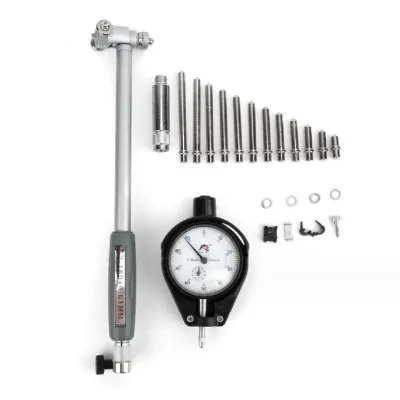
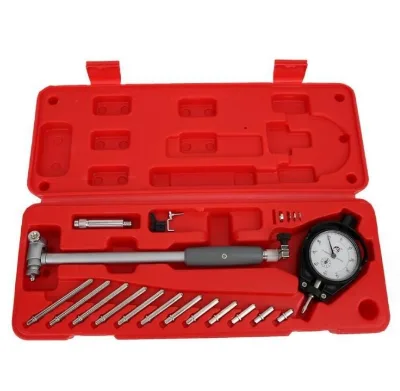


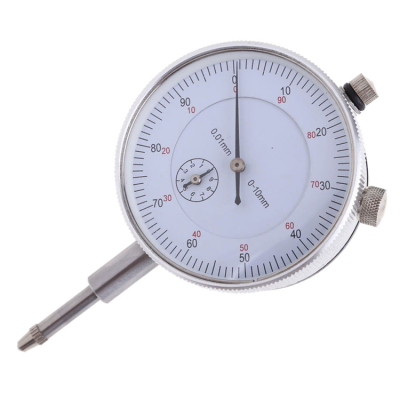
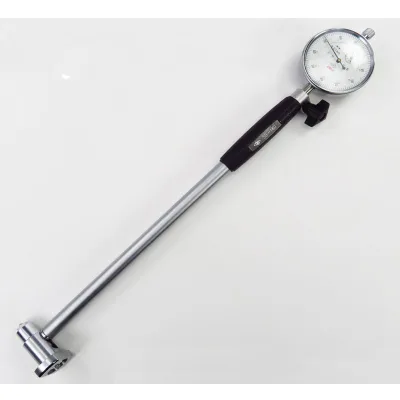
18-35mm 0.01mm Indicator Bore Gauge Hole Diameter Dial Indicator Bore Gauge
$43.00 - $50.00
MOQ: 10 Pieces

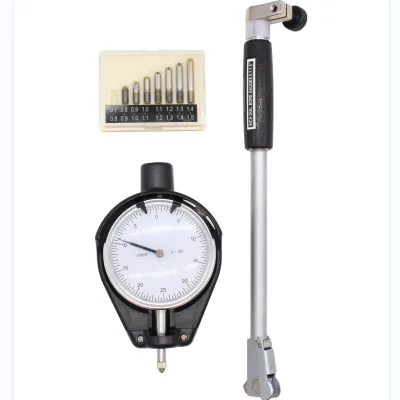
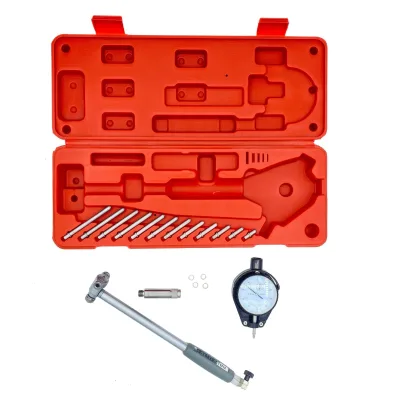
Internal Measurement Faster Operation 30-100mm Customized Dial Bore Gauge
$30.00 - $36.00
MOQ: 10 Pieces




Comprehensive Sourcing Guide
Metric 40mm Dial Bore Gauge Sourcing Guide
Sourcing precision internal measurement tools requires a disciplined approach to verifying technical accuracy and supplier reliability. The Metric 40mm Dial Bore Gauge is a specialized instrument designed for high-precision internal diameter measurements, typically falling within the 18-50mm measurement range. Buyers must recognize that while the core keyword specifies a 40mm gauge, the actual product listings often represent a broader category of bore gauges with varying standard ranges. Therefore, the procurement strategy must focus on verifying that the specific unit ordered matches the required measurement interval, rather than assuming a single fixed size covers all operational needs.
The market for these instruments is characterized by a wide variance in specifications, from basic manual dial indicators to more complex digital or specialized models. Observed data indicates that products in this category often carry certifications such as CE, ISO, and DIN, which are critical for ensuring compliance in industrial environments. However, buyers should not assume that every listed product satisfies all certification requirements. Instead, the sourcing process must involve direct verification of the specific model’s compliance status, ensuring that the tool meets the necessary quality standards for your specific manufacturing or quality control applications.
Product Scope and Observed Listing Signals
The observed product landscape reveals a diverse array of bore gauges with varying model numbers, such as P5205-250, P5037-10, and P5206-50, indicating that suppliers offer multiple variants rather than a single standardized item. The price range observed in listings spans from 1 to 599.99 USD, reflecting significant differences in build quality, material composition, and included accessories. This wide price variance suggests that buyers must look beyond the initial listing price to understand the total value proposition, including the durability of the anvil arms, the clarity of the dial bezel, and the robustness of the packaging.
Minimum Order Quantities (MOQ) for these items typically range from 1 to 50 pieces, offering flexibility for both small-scale procurement and larger industrial orders. Many suppliers accept sample orders, which is a crucial signal for buyers who need to validate the tool’s performance before committing to a bulk purchase. The availability of customization options, including OEM, ODM, and OBM support, further indicates that suppliers are willing to tailor products to specific buyer requirements, such as custom packaging or specific dial graduations. Buyers should leverage this flexibility to ensure the tool aligns with their internal quality control protocols.
Technical Specifications to Verify
Precision is paramount when selecting a dial bore gauge, and buyers must carefully verify the resolution and accuracy specifications of the instrument. Observed data highlights resolutions of 0.01mm and 0.002mm, with accuracy ratings labeled as "A" or specific values like 0.015mm. It is essential to confirm that the selected gauge meets the tolerance requirements of your specific application, as even minor deviations can lead to significant quality issues in manufactured parts. The measurement method is predominantly manual, which requires operators to have a steady hand and a good understanding of the tool’s mechanics to ensure consistent readings.
The physical dimensions and design features of the gauge also play a critical role in its usability and accuracy. Specifications such as anvil arm length, depth of throat, and dial indicator bezel size vary across models, with observed values including 100mm anvil arms, 13mm throat depth, and bezel sizes of 42mm or 58mm. Buyers should select a model that fits the physical constraints of the workpieces they intend to measure. Additionally, the material composition, often stainless steel, contributes to the tool’s durability and resistance to corrosion, ensuring long-term reliability in industrial settings.
Compliance and Safety Documentation
Certification status is a key factor in determining the suitability of a dial bore gauge for regulated industries. The observed listings include certifications such as CE, ISO, DIN, JIS, RoHS, and GB, which indicate compliance with various international and regional standards. However, buyers must verify that the specific model they are purchasing holds the relevant certifications for their market and industry. For instance, products intended for export to Europe must have CE certification, while those used in automotive or aerospace applications may require ISO or DIN compliance.
Documentation should also include clear information about the product’s origin and standard specifications. Many products originate from regions like Shenzhen or Anhui in China, and buyers should ensure that the supplier provides transparent information about the manufacturing process. The standard specifications, such as 160-250mm or 0-10mm ranges, must be clearly documented to avoid confusion. Buyers should request certificates of conformity and calibration reports from the supplier to ensure that the tool meets the required legal and safety standards for use in their facility.
Cost Drivers and Commercial Terms
The cost of a dial bore gauge is influenced by several factors, including the material quality, precision level, and packaging. Products packed in wooden boxes, cartons, or blow-molded cases may have different price points due to the varying levels of protection and presentation they offer. Buyers should consider the total cost of ownership, including the potential need for additional accessories or calibration services, rather than focusing solely on the unit price. The availability of sample orders allows buyers to test the tool’s performance without a significant financial commitment, reducing the risk of purchasing unsuitable equipment.
Warranty terms and customization support are also important commercial considerations. Many suppliers offer a one-year warranty, which provides a safety net against manufacturing defects. Customization options, such as specific dial graduations or branded packaging, may incur additional costs but can enhance the tool’s usability and brand alignment. Buyers should negotiate clear terms regarding returns, exchanges, and after-sales support to ensure that they are protected in case of any issues with the product. Understanding these commercial terms helps in making a more informed procurement decision.
Supplier Qualification and Quality Control
Evaluating supplier qualifications is essential to ensure the reliability of the dial bore gauge. Buyers should verify the supplier’s production capabilities, quality control processes, and track record in the industry. The presence of certifications like ISO and CE is a positive indicator, but buyers should also request evidence of the supplier’s internal quality management systems. Suppliers that offer OEM, ODM, and OBM services often have more robust production processes, as they are accustomed to meeting specific client requirements.
Quality control checks should include visual inspections of the tool’s finish, verification of the dial’s readability, and testing of the measurement mechanism. Buyers should ensure that the supplier provides detailed product descriptions, including model numbers and standard ranges, to avoid receiving incorrect items. The use of high-quality materials, such as stainless steel, and appropriate packaging, such as wooden boxes or blow-molded cases, are indicators of a supplier’s commitment to product quality. Establishing a clear communication channel with the supplier for any technical queries or issues is also crucial for a successful procurement process.
Long-Term Procurement Checks
Long-term procurement success depends on the ability to maintain consistent quality and supply from the chosen supplier. Buyers should establish regular review cycles to assess the performance of the dial bore gauges in their operations, including any issues with accuracy, durability, or usability. Feedback from operators on the floor can provide valuable insights into the tool’s practical performance and help identify any necessary adjustments or replacements. Maintaining a relationship with the supplier for ongoing support and potential future orders is also beneficial.
It is important to stay updated on any changes in standards or regulations that may affect the use of dial bore gauges. Buyers should ensure that their suppliers are aware of these changes and can provide updated documentation as needed. Regular calibration of the tools is also essential to maintain their accuracy over time. By implementing a proactive approach to supplier management and quality control, buyers can ensure that their procurement of metric 40mm dial bore gauges continues to meet their operational needs effectively.
FAQs
What is the resolution of the metric dial bore gauge?
The resolution is 0.01mm for standard models and 0.002mm for specific precision variants. This allows for accurate measurement of inside diameters with high detail, ensuring reliable results for industrial applications requiring tight tolerances.
Can I order a customized metric dial bore gauge?
Yes, customization is available for many models, including OEM, ODM, and OBM support. Buyers can request specific modifications to meet unique requirements, though some standard models remain non-customized depending on the specific product configuration selected.
Which certifications do these bore gauges hold?
Certifications include CE, ISO, RoHS, GB, DIN, and JIS depending on the specific model. These standards ensure the instruments meet international quality and safety requirements, providing confidence in the reliability and compliance of the precision measuring devices.
How is the product packed for shipping?
Products are packed in wooden boxes, cartons, or blow-mould cases based on the specific item. This secure packaging protects the delicate measuring instruments during transit, ensuring they arrive in perfect condition for immediate use in quality control processes.
What is the minimum order quantity for this gauge?
The minimum order quantity is one piece for most models, allowing for sample orders. This low threshold enables buyers to test product quality before committing to larger volumes, making it suitable for both small projects and bulk industrial procurement.
Where are these precision measuring devices manufactured?
Manufacturing locations include Shenzhen and Anhui in China. These origins indicate established industrial hubs for producing high-quality tools, ensuring that the bore gauges are built with consistent standards and reliable performance for global distribution networks.
What warranty is provided for the dial bore gauge?
A one-year warranty is typically provided for the precision measuring devices. This coverage offers protection against manufacturing defects, giving buyers peace of mind regarding the durability and long-term performance of the equipment in their operational environments.