Source Metric British Hex Key Set for Automotive, Machinery, and Home Repair
Compare 30 Metric British Hex Key Set options from verified Chinese suppliers. Buyers can evaluate specifications like material, size ranges, and certifications to find the right tools for automotive, machinery, and home repair applications.
Key considerations
Products List


Hex Key Set Torx Hex Key Wrench Set Folding Hex Key Set Hex Key Wrench 8 PCS Hex Key Set
$1.30 - $1.37
MOQ: 1000 Pieces


Hex Key Set 8 PCS Hex Key Set Hex Key Wrench Hex Key Wrench Set Folding Hex Key Set
$1.30 - $1.37
MOQ: 1000 Pieces


Hex Allen Key Wrenches Hex Key Handtool Set Hex Key with Flat/Ball Point Set
$0.01 - $0.10
MOQ: 10000 Pieces

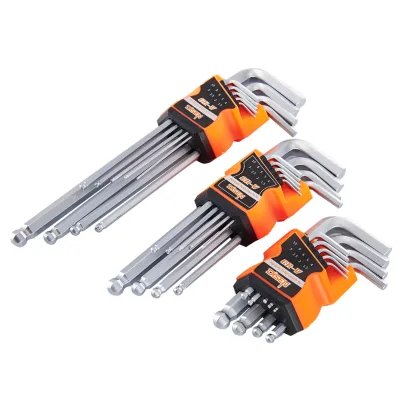
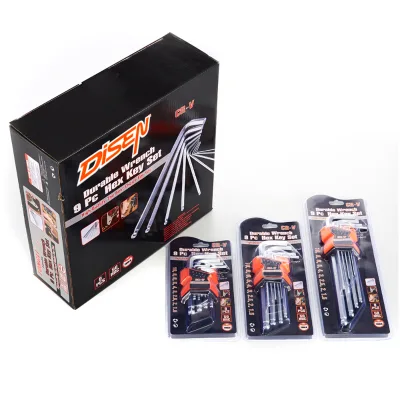
9 PCS Hex Allen Key Wrenches Hex Key Set Hex Key with Flat Ball Point Set
$0.01 - $0.10
MOQ: 10000 Pieces


Comprehensive Sourcing Guide
Metric British Hex Key Set Sourcing Guide
Sourcing metric and British standard hex key sets requires a nuanced understanding of dimensional tolerances, material integrity, and regional compliance requirements. These tools are essential for assembling machinery, maintaining industrial equipment, and performing precision repairs where fastener compatibility is critical. Buyers must distinguish between sets designed for metric fasteners and those calibrated for British Standard Whitworth (BSW) or British Standard Fine (BSF) threads, as mixing these can lead to stripped heads and damaged components. The procurement process involves evaluating not just the physical dimensions of the keys but also the quality of the steel, the surface treatment, and the packaging that ensures tool longevity during transit and storage.
This guide provides a structured approach to evaluating suppliers and products in this category. It focuses on verifying technical specifications, ensuring regulatory compliance, and managing commercial risks. By adhering to the evidence-based observations provided, buyers can make informed decisions that align with their operational needs. The following sections detail the specific attributes, standards, and verification steps necessary to secure high-quality hex key sets that meet professional-grade standards for durability and precision.
Product Scope and Observed Listing Signals
The market for hex key sets includes a variety of configurations, ranging from basic single-piece tools to comprehensive multi-piece kits. Observed listings indicate a wide price range, reflecting differences in material quality, brand reputation, and included accessories. Buyers should note that some sets are marketed as "professional level," suggesting higher-grade steel and stricter manufacturing tolerances. The presence of customization options allows businesses to tailor sets to specific inventory needs, such as including only the most frequently used sizes or adding branded packaging for corporate gifting or internal tool management.
Packaging plays a significant role in product protection and user experience. Common packaging methods include cartons, OPP bags, color boxes, and plastic holders. Some suppliers offer PVC holders or specialized cases that organize the keys by size, improving workflow efficiency in workshop environments. The observed net and gross weights, along with package dimensions, provide critical data for logistics planning. For instance, heavier sets with robust packaging may incur higher shipping costs but offer better protection against damage during international transit. Buyers must balance the cost of packaging against the risk of tool loss or damage.
Technical Specifications to Verify
Material composition is the primary determinant of a hex key’s durability and performance. High-quality sets are typically manufactured from carbon steel or chrome-vanadium steel, which offer superior strength and resistance to wear. Some listings specify aluminum bronze, which may be used for specialized applications requiring non-sparking properties. The surface treatment, such as chrome plating or black finish, enhances corrosion resistance and improves grip. Buyers should verify that the material grade matches the intended application, as softer materials may deform under high torque, leading to tool failure and potential safety hazards.
Dimensional accuracy is equally critical, particularly when sourcing sets that claim to meet multiple standards. Observed specifications include metric sizes ranging from 1.5mm to 10mm, as well as Torx sizes from T9 to T40. Some sets are designed to accommodate British, German, European, and American types, indicating versatility in fastener compatibility. However, buyers must confirm that the set explicitly includes the specific standards required for their operations. The model numbers, such as KTN3412 or TP31269, can serve as reference points for verifying the exact contents and specifications of each kit. Ensuring that the size range covers all necessary fasteners prevents the need for additional purchases and streamlines maintenance workflows.
Compliance and Safety Documentation
Certification is a key indicator of product quality and regulatory compliance. Many observed listings feature CE and CCC certifications, which signify adherence to European and Chinese safety standards, respectively. These certifications ensure that the tools meet specific requirements for material safety, manufacturing processes, and performance reliability. Buyers should request valid certification documents from suppliers to verify that the products have undergone independent testing and meet the necessary regulatory thresholds. This step is particularly important for companies operating in regions with strict import regulations or those requiring proof of compliance for insurance and liability purposes.
Safety features also extend to the design and functionality of the tools themselves. Some sets are marketed with anti-explosion features, which are crucial for use in hazardous environments where sparks could ignite flammable materials. Additionally, the working mode of these tools is typically manual, requiring careful handling to prevent injury. Buyers should ensure that the tools are designed for adult use and include appropriate safety warnings or instructions. Verifying that the tools meet relevant industry standards, such as ISO 4762 for hex socket screws, further enhances confidence in their performance and safety.
Cost Drivers and Commercial Terms
The cost of hex key sets is influenced by several factors, including material quality, manufacturing complexity, and packaging. Sets made from chrome-vanadium steel with chrome plating and comprehensive packaging tend to be more expensive than basic carbon steel sets in simple OPP bags. The minimum order quantity (MOQ) also plays a significant role in pricing, with larger orders often benefiting from economies of scale. Buyers should negotiate terms that align with their inventory needs, considering the trade-off between unit cost and storage capacity. Understanding the cost structure helps in budgeting and forecasting for procurement activities.
Commercial terms such as lead times, payment methods, and shipping options are critical for supply chain management. Suppliers located in regions like Botou, Hebei, and Zhejiang, China, may offer competitive pricing due to local manufacturing advantages. However, buyers must account for potential delays in production and shipping, especially during peak seasons. Clear communication regarding delivery schedules and contingency plans for disruptions is essential. Additionally, buyers should verify the supplier’s return policy and warranty terms to mitigate risks associated with defective products or non-conforming goods.
Supplier Qualification and Quality Control
Evaluating supplier qualifications is a vital step in ensuring consistent product quality. Buyers should assess the supplier’s manufacturing capabilities, quality control processes, and track record in the industry. Suppliers with established facilities in China, particularly in regions known for tool manufacturing, often have the infrastructure to produce high-quality hex key sets. Requesting samples before placing large orders allows buyers to physically inspect the tools for material quality, dimensional accuracy, and finish. This due diligence helps identify potential issues early and builds a foundation for a reliable supplier relationship.
Quality control measures should be integrated into the procurement process to maintain consistency. Buyers can specify inspection criteria, such as torque resistance, surface finish, and packaging integrity, and require suppliers to adhere to these standards. Third-party inspection services can be employed to verify product quality before shipment, providing an additional layer of assurance. Establishing clear communication channels with suppliers facilitates quick resolution of any quality issues that may arise. Regular audits and performance reviews help maintain high standards and encourage continuous improvement from the supplier.
Long-Term Procurement Checks
Sustaining a successful procurement strategy for hex key sets requires ongoing monitoring and evaluation. Buyers should regularly review supplier performance metrics, including on-time delivery rates, product quality, and responsiveness to issues. Building a diversified supplier base can mitigate risks associated with single-source dependencies. Additionally, staying informed about industry trends and technological advancements ensures that the procured tools remain relevant and effective for future needs. Engaging with suppliers for feedback on product usage can lead to improvements in tool design and functionality.
Continuous improvement in procurement processes involves analyzing cost trends, market dynamics, and regulatory changes. Buyers should periodically reassess their requirements and adjust their sourcing strategies accordingly. This may include exploring new suppliers, negotiating better terms, or investing in higher-quality tools that offer greater longevity and performance. By maintaining a proactive approach to procurement, buyers can optimize their supply chain, reduce costs, and ensure that their operations are supported by reliable and high-quality hex key sets.
FAQs
What certifications are available for metric british hex key sets?
Available products hold CE and CCC certifications. These standards ensure compliance with safety and quality requirements for industrial tools. Buyers should verify specific certification documents with suppliers before placing large orders to confirm product eligibility.
Which materials are used to manufacture these hex key sets?
Manufacturers use Carbon Steel, Chrome-vanadium Steel, and Aluminum Bronze for production. The material choice depends on the specific tool type and required durability. Professional level quality grades are standard for these industrial-grade hand tools.
Can buyers request customization for these hex key sets?
Customization is available for most product listings. Buyers can often specify handle colors, packaging types, or specific size ranges like 1.5-10mm. Contacting suppliers directly is necessary to confirm the extent of custom options for bulk orders.
What are the standard packaging options for these sets?
Common packaging includes Cartons, OPP Bags, Colour Boxes, and PVC Holders. Some sets are packed in plastic holders while others use standard cartons. The package size varies, with some measuring approximately 27x25x24cm for larger sets.
Where are these metric british hex key sets manufactured?
Products originate from locations such as Botou, Hebei, and Zhejiang in China. These regions are known for producing industrial hand tools. Buyers should check specific supplier locations to determine shipping times and logistics costs for their target market.
What size ranges are included in these hex key sets?
Sets typically include sizes ranging from 1.5mm to 10mm or T9 to T40. Specific models offer Metric, British, and American Type standards. The number of pieces varies, with common sets containing 8, 9, or 16 pieces.
How are the surfaces treated on these hex key sets?
Surface treatments include Chrome plating and Black Finish options. These processes enhance corrosion resistance and durability for professional use. The specific finish depends on the manufacturer and the intended application environment for the tools.