Source Bicolor Motorcycle Rear Pedal for brake systems, footrests, and kick starters
Compare 30 listings for Bicolor Motorcycle Rear Pedal options including iron and steel variants from China. Buyers can review specifications like dimensions, certifications, and delivery times to select suitable parts for motorcycles.
Key considerations
Products List


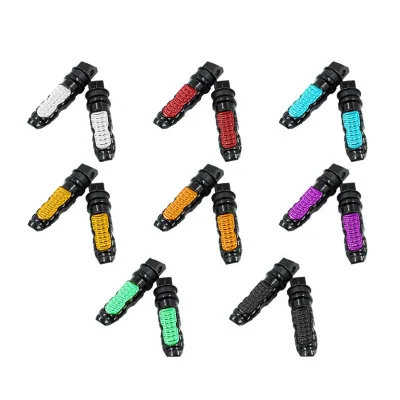
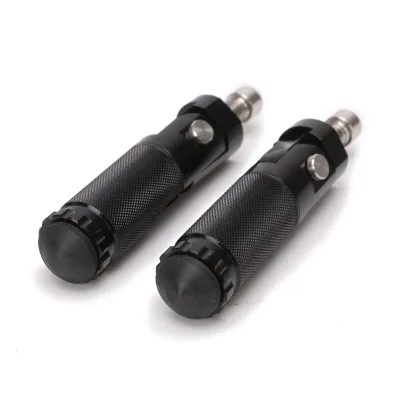
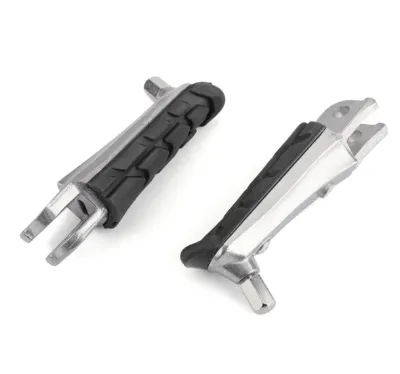
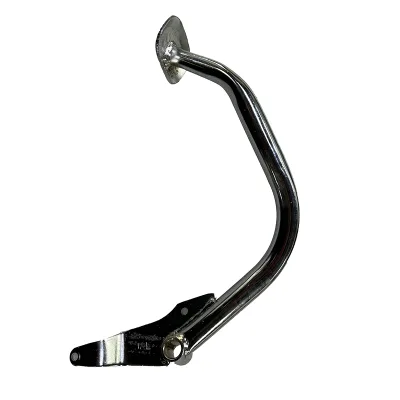
New Beauty Bike Parts Aluminium Pedal Anodized Motobicycle Metal Pedal Parts
$0.20 - $1.80
MOQ: 100 Pieces






Comprehensive Sourcing Guide
Strategic Sourcing Guide for Bicolor Motorcycle Rear Pedals
Understanding Product Attributes and Technical Specifications
When sourcing bicolor motorcycle rear pedals, buyers must first distinguish between generic aftermarket components and specific model-fitment parts. The market data indicates a diverse range of specifications, with product models ranging from general utility bikes like the BIZ100 and BIZ125 to performance-oriented variants such as the Sport FT125 and the specialized AT110/AX110/XT110/XT50 series. A critical observation in the current supply landscape is the variation in physical dimensions. For instance, specific rear pedal assemblies or related body parts have been observed with widths falling between 701mm and 800mm, while inner diameter specifications for mounting points can range from 31.1mm to 32.5mm. These numerical ranges are not universal; they are specific to the model year and manufacturer of the motorcycle.
The "bicolor" attribute typically refers to a two-tone finish, often combining a metallic base with a contrasting grip or accent. Observed color options in the supply chain include Black and Silver. Buyers should verify that the bicolor design is not merely a visual marketing term but a verified physical attribute of the product. Furthermore, the material composition is a primary determinant of durability. The supply data explicitly identifies Iron as a common material for these components. While iron offers robust structural integrity, it necessitates specific surface treatments to prevent corrosion, which ties directly into the packaging and certification requirements discussed later. The product type is consistently categorized under "Motorcycle Brake" or "Motorcycle Body Parts," with specific mentions of "Motorcycle Kick Starter" and "Motorcycle modified foot pedal" indicating that rear pedals often serve dual functions or are part of a larger assembly kit.
Compliance, Certification, and Material Standards
Ensuring regulatory compliance is paramount when importing motorcycle components. The observed supply chain demonstrates a strong adherence to international quality management systems. A significant portion of the available inventory carries ISO9001 certification, with some listings specifying this in conjunction with color attributes (e.g., ISO9001:Color:Black or ISO9001:Color:Silver). This suggests that the manufacturing processes for these parts are standardized, though the certification applies to the facility's quality management rather than a specific batch of bicolor pedals.
Beyond general quality management, specific product certifications are critical for market entry. Data indicates that some products hold ISOGS, RoHS, and CE certifications. RoHS compliance is particularly relevant for electronic or coated components, ensuring the absence of restricted hazardous substances, while CE marking is essential for entry into the European market. Additionally, the supply list references a broad spectrum of international standards including BS, ANSI, JIS, GB, GOST, ASTM, and DIN. This implies that the manufacturing facilities are capable of producing parts that meet diverse regional regulatory requirements. However, buyers must not assume that every bicolor pedal listed automatically meets all these standards. The specific standard applicable to a purchase order must be confirmed in the contract. For example, while some listings mention "Universal" standards, others specify model-specific standards like "DM150/DM150ROJA." Verifying that the bicolor finish and the underlying metal casting comply with the target market's specific safety and environmental regulations is a non-negotiable step in the procurement process.
Cost Drivers and Pricing Dynamics
The pricing structure for motorcycle rear pedals is influenced by several variable factors, including customization, packaging, and order volume. The observed price range in the market is extensive, spanning from $0.20 to $1,000.00 USD. This wide disparity is not indicative of a single product category but rather reflects the difference between a simple iron foot pedal and a complete, custom-finished assembly with complex bicolor molding or high-end alloy construction. The lower end of the spectrum likely represents standard, non-customized iron components, while the higher end may include specialized models like the Arsen 2 or high-volume OEM packages.
Minimum Order Quantity (MOQ) is a significant cost driver. The data shows MOQs ranging from 20 to 1,000 pieces. A buyer seeking a small batch of bicolor pedals for a niche restoration project might encounter an MOQ of 20, whereas a distributor restocking a major retailer for a model like the GS125 or CG125 may face an MOQ of 1,000 pieces. The "Customization" attribute is available across the supply base, but this typically incurs a premium. Customized orders often require dedicated tooling or specific color mixing, which impacts the unit cost. Additionally, the payment terms, which include T/T, L/C, and OA (Open Account), can influence the final landed cost. Suppliers offering OA terms may embed a risk premium into the unit price, while those requiring a 30% T/T deposit upfront may offer more competitive pricing. Buyers must analyze the total cost of ownership, including the impact of MOQ on inventory carrying costs, rather than focusing solely on the per-unit price.
Packaging, Logistics, and Delivery Timelines
Efficient logistics are essential for maintaining the integrity of bicolor finishes and preventing damage during transit. The packaging methods observed in the supply chain vary significantly based on the product type and order size. Common packaging configurations include "Carton," "Color Box and Carton," "Bubble Bag and Carton," and "Natural/OEM" packaging. For delicate bicolor finishes, the use of bubble bags within cartons is a recommended practice to prevent scratching. The packing density is also standardized, with some listings specifying 50 pieces per carton (50PCS/CTN), which aids in palletization and shipping calculations.
Lead times are another critical logistical factor. The observed delivery times range from 9 to 28 days, with a specific data point indicating a standard 20-day delivery window. This variability suggests that lead times are highly dependent on the customization level and the current production capacity of the supplier. For standard, non-customized items like the BIZ100 or generic iron pedals, delivery may be closer to the 9-day mark. Conversely, custom bicolor orders or those requiring specific certifications like CE or RoHS may require the full 28-day window. The place of origin is predominantly China, with specific hubs identified in Taizhou, Heibei, and Chongqing. Buyers should account for the shipping duration from these specific regions to their destination, as well as potential customs clearance delays. The "OEM/OEM" and "OEM/Neutral" packaging options indicate that suppliers are flexible regarding branding, which can affect the speed of production if custom branding is requested versus using neutral packaging.
Supplier Evaluation and Quality Assurance
Evaluating suppliers for motorcycle rear pedals requires a rigorous assessment of their production capabilities and quality control protocols. The supply data highlights several key indicators of supplier reliability. First, the presence of ISO9001 certification is a baseline requirement, but buyers should verify the scope of this certification to ensure it covers the specific manufacturing of foot pedals and brake components. Second, the ability to provide "Customized" solutions is a strong indicator of a supplier's flexibility and technical competence. Suppliers who can accommodate specific model requirements, such as the AT110/AX110/XT110/XT50 series, demonstrate a deeper understanding of the motorcycle parts ecosystem.
Quality control should be verified through the supplier's adherence to the mentioned standards. The list includes BS, ANSI, JIS, GB, GOST, ASTM, and DIN, which suggests a high level of technical proficiency. However, buyers must request specific test reports or quality certificates for the bicolor finish to ensure it meets the required durability and adhesion standards. The "Condition: New" attribute is standard, but for used or refurbished markets, this distinction is vital. Additionally, the application of these parts extends beyond simple riding; they are used in "Metal Casting Machinery," "Metal Coating Machinery," and "Metal Processing Machinery Parts." This broad application scope implies that the components are robust, but it also means that the sourcing strategy must align with the specific mechanical stresses of the intended application. Buyers should conduct factory audits or request third-party inspection reports to validate the consistency of the bicolor finish and the structural integrity of the iron material.
Long-Term Procurement and Application Strategy
Sourcing bicolor motorcycle rear pedals is not merely a transactional activity but a strategic decision that impacts the long-term viability of a buyer's product line. The "Universal" standard mentioned in the data suggests that some components are designed for broad compatibility, which is advantageous for distributors managing a wide inventory. However, the existence of model-specific standards like "DM150/DM150ROJA" or "Sport FT125" indicates that a one-size-fits-all approach may not be sufficient for specialized markets. Buyers must align their procurement strategy with their target customer base. For instance, a supplier focusing on the "Motorcycle modified foot pedal" segment may offer higher quality and more aesthetic options for enthusiasts, while a supplier focusing on "Metal Casting Machinery" parts may prioritize industrial durability over aesthetics.
The payment terms, including T/T, L/C, and OA, offer flexibility but also carry risk. For long-term partnerships, establishing a consistent payment schedule and leveraging L/C for large orders can mitigate financial risk. The lead time of 9-28 days allows for some buffer in inventory planning, but buyers should maintain a safety stock to account for potential delays, especially when dealing with custom bicolor orders. Furthermore, the "Customized" attribute allows for brand differentiation. Buyers who can secure exclusive bicolor designs or specific packaging (e.g., branded Color Boxes) can create a unique value proposition in the market. However, this requires a deeper commitment to the supplier relationship and potentially higher MOQs. Ultimately, the success of sourcing bicolor motorcycle rear pedals depends on a balanced approach that considers technical specifications, regulatory compliance, cost efficiency, and the ability to adapt to changing market demands. By rigorously applying these criteria, buyers can build a resilient supply chain that delivers high-quality components while minimizing operational risks.
FAQs
What certifications do bicolor motorcycle rear pedals typically hold?
Many bicolor motorcycle rear pedals carry ISO9001 certification, often specified alongside color attributes like Black or Silver. Some listings also include ISOGS, RoHS, and CE marks to ensure compliance with international safety and environmental standards for various motorcycle models.
Which materials are used for manufacturing these rear pedals?
The supply data explicitly identifies Iron as a common material for these components due to its robust structural integrity. While iron is standard, it requires specific surface treatments to prevent corrosion, ensuring durability for applications ranging from general utility bikes to modified foot pedals.
Can buyers request customization for bicolor motorcycle rear pedals?
Yes, customization is available across the supply base, allowing for specific model fits or unique bicolor finishes. Buyers should note that customized orders often require dedicated tooling or specific color mixing, which can impact the unit cost and minimum order quantity requirements.
What is the typical delivery time for these motorcycle parts?
Observed delivery times range from 9 to 28 days, with a specific data point indicating a standard 20-day window. Lead times vary based on customization levels and production capacity, with standard non-customized items often closer to the 9-day mark compared to complex custom orders.
How do packaging options protect bicolor finishes during transit?
Common packaging includes Bubble Bag and Carton combinations to prevent scratching of delicate bicolor finishes. Other options involve Color Box and Carton or Natural/OEM packaging, with some listings specifying a density of 50 pieces per carton to aid in palletization and shipping calculations.
What are the minimum order quantities for sourcing these pedals?
Minimum order quantities range from 20 to 1,000 pieces depending on the supplier and product model. A buyer seeking small batches for niche projects might find an MOQ of 20, while distributors restocking major retailers may face an MOQ of 1,000 pieces for specific models like the GS125.
Where are these motorcycle rear pedals primarily manufactured?
The place of origin is predominantly China, with specific manufacturing hubs identified in Taizhou, Heibei, and Chongqing. Buyers should account for shipping duration from these regions and potential customs clearance delays when planning their logistics and inventory management strategies.