Source Mgda-Na3 for Water Treatment, Textile, and Electronics
Find 30 Mgda-Na3 products from China suppliers. Compare liquid and powder forms with purities from 40% to 99%. Options include ISO9001 certified manufacturers offering customization and free samples for industrial applications; compare the available evidence and request quotations based on your requirements.
Key considerations
Products List




Comprehensive Sourcing Guide
Mgda-Na3 Sourcing Guide
Procurement professionals evaluating Mgda-Na3 must first distinguish between the liquid and powder variants observed in current market listings, as these forms dictate distinct handling and application protocols. The observed data indicates a primary liquid form with a yellow appearance and a solid content minimum of 55%, alongside a powder variant described as brown or white with a purity of 40% minimum. Buyers should verify the specific physical state required for their process, as the liquid form is often preferred for direct injection in water treatment, while the powder may suit dry blending applications in textile auxiliaries or rubber processing.
Commercial availability for this chelating agent varies significantly regarding minimum order quantities, with listings showing thresholds ranging from a single kilogram to one metric ton depending on the supplier and packaging configuration. The observed product models, such as 22101 and LQY027, suggest that manufacturers offer customized packaging solutions including plastic drums, IBC totes, and standard 25kg bags to accommodate different logistical needs. Sourcing strategies must account for these variable MOQs and the fact that some suppliers offer free samples, allowing buyers to validate the specific molecular weight of 271.11 and the EINECS number 164462-16-2 before committing to larger volumes.
Product Scope and Observed Listing Signals
The functional scope of Mgda-Na3 extends across multiple industrial sectors, including water treatment, textile auxiliary agents, surfactants, and electronics chemicals, as evidenced by the diverse usage tags in current listings. Buyers must align their procurement with the specific application requirements, noting that the product serves as a rehabilitation agent in certain contexts while functioning as a chelating agent in others. The observed usage data confirms versatility in oil drilling, paper chemicals, and coating auxiliary agents, requiring buyers to ensure the selected variant meets the precise chemical performance needs of their specific industry vertical.
Listing signals reveal a mix of product attributes where color and appearance can vary from slight yellow to white or brown, indicating potential differences in concentration or formulation between suppliers. The presence of customization options and OEM acceptance suggests that manufacturers are willing to tailor the product to specific client needs, which is critical for industries with strict formulation constraints. Procurement teams should scrutinize the "Rehabilitation" function claim alongside the standard usage tags to ensure the product aligns with their intended chemical process, as the broad application list implies a need for careful specification matching rather than a one-size-fits-all approach.
Technical Specifications to Verify
Verification of the molecular formula C7H8NNa3O6 and the specific purity levels is the primary technical step for ensuring product efficacy in sensitive applications. The observed data presents conflicting purity claims, with some listings specifying a minimum of 40% MGDA.Na3 content by weight while others cite a 99% standard, necessitating rigorous third-party testing to confirm the actual concentration. Buyers must request batch-specific certificates of analysis to validate whether the product meets the 40% minimum solid content or the higher purity standards required for high-performance electronics or pharmaceutical-grade water treatment processes.
Physical properties such as shelf life and storage conditions are critical variables that impact the long-term viability of the inventory and the stability of the chemical solution. The observed shelf life ranges from 12 months to two years, with storage instructions explicitly recommending a cool, dry place to maintain product integrity. Procurement teams must verify the specific storage requirements for the purchased variant, as the discrepancy in shelf life data suggests that different formulations or packaging methods may influence the degradation rate of the chelating agent over time.
Compliance and Safety Documentation
Regulatory compliance is a non-negotiable aspect of sourcing Mgda-Na3, with ISO9001 certification appearing as a standard quality assurance marker among observed suppliers. While REACH compliance is mentioned in background data, buyers must explicitly request current compliance documentation to ensure the product meets all relevant environmental and safety regulations for their target markets. The "Environmental Protection: Yes" attribute observed in listings supports the product's suitability for green chemistry initiatives, but this claim must be backed by verifiable test reports and regulatory filings rather than marketing statements alone.
Safety data sheets and transport documentation are essential for managing the logistics of moving this chemical, particularly given the varied packaging options ranging from small bags to large IBC drums. The observed transport method of ordinary goods trucks implies standard handling requirements, but buyers must confirm if the specific concentration or form of the product triggers hazardous material classification during transit. Ensuring that all safety documentation is up-to-date and matches the specific product model, such as ZXY1510 or 51981-21-6, is vital for maintaining regulatory adherence and preventing logistical delays at customs or delivery points.
Cost Drivers and Commercial Terms
The commercial landscape for Mgda-Na3 is characterized by a wide range of minimum order quantities, which directly influences the unit cost and overall procurement strategy for buyers. Listings indicate MOQs as low as 1kg for sample or small-batch testing, scaling up to 20000kg for bulk industrial orders, creating a tiered pricing structure that favors larger volume commitments. Buyers should negotiate based on their projected annual consumption, as the flexibility in packaging, such as 200kg drums or 25kg bags, allows for cost optimization by matching the order size to the specific storage and usage capacity of the facility.
Lead times and delivery terms are significant cost drivers, with observed delivery windows ranging from 3 to 5 days to 2-5 working days, suggesting a generally responsive supply chain for this chemical. However, the variability in delivery times across different suppliers necessitates a clear agreement on lead times to prevent production stoppages, especially for just-in-time manufacturing environments. Procurement teams must factor in the potential for price fluctuations due to raw material costs and the specific packaging requirements, ensuring that the total landed cost includes all logistics and handling fees associated with the chosen delivery method.
Supplier Qualification and Quality Control
Supplier qualification for Mgda-Na3 requires a thorough vetting process that goes beyond basic certification checks to include an assessment of their manufacturing capabilities and quality control protocols. The presence of ISO9001 certification is a positive indicator, but buyers should verify the scope of this certification to ensure it covers the specific production lines for the desired product model and purity level. Given the observed variations in product attributes like color and appearance, it is essential to audit the supplier's process controls to ensure consistency and to confirm that they can reliably deliver the specified molecular weight and purity for every batch.
Quality control measures must be established to validate the product against the observed specifications, including the 40% minimum purity and the specific solid content requirements. Buyers should implement a rigorous incoming inspection protocol that includes testing for the EINECS number 164462-16-2 and verifying the molecular formula C7H8NNa3O6 to prevent the receipt of substandard or mislabeled goods. Establishing a clear communication channel for reporting quality issues and defining the supplier's responsibility for rework or replacement is crucial for maintaining the integrity of the supply chain and ensuring that the chemical performs as expected in the final application.
Long-Term Procurement Checks
Sustaining a reliable supply of Mgda-Na3 requires ongoing monitoring of supplier performance and market trends to anticipate potential disruptions or changes in product availability. Buyers should regularly review the shelf life and storage stability of the product, as the observed range of 12 to 24 months indicates that inventory management strategies must be adjusted based on the specific batch and formulation received. Establishing a long-term contract with clear terms for quality assurance and delivery timelines can help mitigate the risks associated with the variability in lead times and MOQs observed in the current market.
Continuous engagement with suppliers to discuss potential product improvements or new formulations is essential for maintaining a competitive edge in industries that rely on high-performance chelating agents. Buyers should stay informed about updates to environmental regulations and safety standards that may impact the production or usage of Mgda-Na3, ensuring that their procurement strategy remains compliant and sustainable. By maintaining a proactive approach to supplier relationship management and quality verification, organizations can secure a stable supply of this critical chemical while adapting to the evolving needs of their specific industrial applications.
FAQs
What is the minimum order quantity for Mgda-Na3?
The minimum order quantity is 1 kg for most listings, though some suppliers require 1 ton or 25 kg. Buyers should verify the specific MOQ with the vendor before placing an order, as requirements vary by manufacturer and packaging type. This flexibility supports both small-scale testing and bulk industrial procurement needs effectively.
How is Mgda-Na3 typically packaged for shipment?
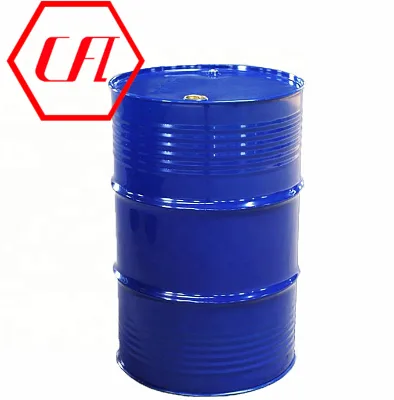
Packaging options include plastic drums, IBC totes, and bags. Standard weights are 25 kg, 200 kg, or 1200 kg per unit. Customized packaging is available upon request. These formats ensure safe transport and storage while allowing buyers to select the most suitable container size for their logistical requirements and inventory management strategies.
What is the purity level of Mgda-Na3?
The purity is typically 40% minimum by weight for liquid forms. Some powder variants list a standard of 99%. Buyers must check the specific product model and state, as liquid and powder grades differ significantly in concentration. Confirming the exact purity specification is essential for matching chemical performance requirements in water treatment applications.
Can Mgda-Na3 be customized for specific needs?
Yes, customization is available for many suppliers. OEM services are acceptable, allowing for tailored specifications. Buyers can request specific packaging, concentrations, or branding. This flexibility ensures the chemical meets precise industrial standards. Always confirm customization options and any associated costs or lead time extensions directly with the manufacturer before finalizing the purchase agreement.
What is the shelf life of Mgda-Na3?
The shelf life is generally 12 months for liquid products. Some powder variants may have a shelf life of up to 2 years. Storage should be in a cool, dry place to maintain stability. Buyers should check the expiration date upon delivery and adhere to recommended storage conditions to ensure product efficacy throughout its usable period.
Which certifications are associated with Mgda-Na3 suppliers?
ISO9001 certification is commonly listed for manufacturers. This indicates adherence to quality management standards. Buyers should request valid certificates to verify compliance. While REACH is mentioned in background data, it is low confidence. Always ask suppliers for current, verifiable documentation to ensure the product meets international safety and quality regulations for industrial use.