Source Micro Bubble Diffusion Carbonation Stone for Pools, Fountains, and Irrigation
Find and compare 30 listings for Micro Bubble Diffusion Carbonation Stone designed for ponds, pools, and irrigation systems. These ceramic and white alundum options offer durable aeration solutions with customizable sizes and OEM support for various water feature applications.
Key considerations
Products List


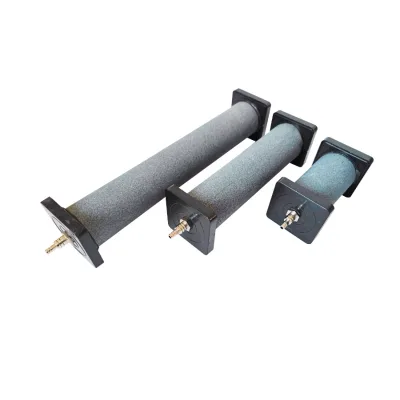


Stainless Tri Clamp Tc Clover Air Aeration Bubble Diffuse Nano Carbonation Stone
$0.00 - $10.00
MOQ: 1000 Pieces


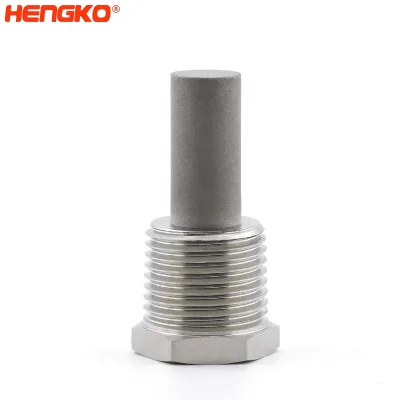
Air Stone 316L Stainless Steel Sparger CO2 Carbonation Stone O2 Diffuser
$2.60 - $6.00
MOQ: 100 Pieces

Microbubble Generator Stable Bubble Generation Efficiency
$6500.00 - $12500.00
MOQ: 1 Sets
WUXI GONGYUAN ENVIRONMENTAL EQUIPMENT & TECHNOLOGY CO., LTD.


Comprehensive Sourcing Guide
Micro Bubble Diffusion Carbonation Stone Sourcing Guide
Selecting the right Micro Bubble Diffusion Carbonation Stone is a critical decision for optimizing aeration efficiency in aquaculture, water treatment, and decorative fountain systems. These stones function by dispersing air into microscopic bubbles, which significantly increases the surface area for gas exchange and oxygen transfer compared to traditional coarse-pore diffusers. For procurement specialists, understanding the material composition, pore structure, and mechanical durability of these stones is essential to ensure long-term operational stability and energy savings. The choice of stone directly impacts the health of aquatic life, the clarity of water in decorative applications, and the overall energy consumption of the aeration system.
This guide provides a structured approach to sourcing micro bubble diffusion carbonation stones, focusing on verified product attributes, technical verification steps, and commercial due diligence. By leveraging observed listing signals and trusted category knowledge, buyers can navigate the complex landscape of suppliers, primarily located in regions like Wenzhou, Zhejiang, China, where manufacturing capabilities for ceramic and stainless steel aeration components are concentrated. The following sections detail how to evaluate product scope, verify technical specifications, ensure compliance, manage costs, qualify suppliers, and establish long-term procurement checks.
Product Scope and Observed Listing Signals
The market for micro bubble diffusion stones includes a variety of materials and shapes, with ceramic and stainless steel being the most prevalent options observed in current listings. Ceramic stones, often made from materials like white alundum, are favored for their durability and consistent pore structure, making them suitable for applications ranging from fish ponds to industrial wastewater treatment. Stainless steel variants, such as those constructed from SS316L, offer superior corrosion resistance and mechanical strength, particularly in harsh chemical environments or high-pressure systems. Buyers should note that product attributes often indicate customization availability, allowing for tailored solutions in terms of size, shape, and thread configuration to fit specific existing infrastructure.
Observed listing signals reveal a diverse range of models and standards, including specific model numbers like ZL-06, ZL-03, and SF-100, which may correspond to different pore densities or physical dimensions. The standard sizes for these stones often include metrics such as 60/80/100/150/200mm or 40/60/80/100/120/150/200mm, indicating a modular approach to inventory and installation. Additionally, some products are marketed with specific features such as being eco-friendly or durable, and they may come with warranties ranging from 1.5 years or more. The presence of machinery test reports and detailed single package sizes, such as 15x15x15 cm, suggests that suppliers are providing comprehensive data to support quality assurance and logistics planning.
Technical Specifications to Verify
When evaluating micro bubble diffusion stones, the material composition is a primary technical specification that must be verified against the intended application environment. For instance, ceramic stones made from white alundum offer excellent chemical stability and are ideal for general aeration, while SS316L stainless steel stones provide enhanced resistance to corrosive agents and mechanical wear. Buyers should confirm the exact material grade and thickness, with observed thickness ranges falling between 1.2-2.2cm for certain ceramic models. It is also crucial to verify the thread type and standard, such as Female 1/4" NPT Female Thread, to ensure compatibility with existing piping and air supply systems, preventing leaks and installation failures.
The physical dimensions and weight of the stones are equally important for system design and load-bearing calculations. Observed specifications include single gross weights of approximately 0.700 kg and lengths ranging from 100-300mm, which influence the buoyancy and stability of the aeration setup. Buyers should also pay attention to the edge processing, with flat edges being a common feature that ensures secure fitting and reduces the risk of damage during installation. Additionally, the model number, such as D300 or FH, should be cross-referenced with the supplier’s technical datasheets to confirm the pore size distribution and air flow capacity, which are critical for achieving the desired micro bubble diffusion efficiency.
Compliance and Safety Documentation
Compliance with international standards and safety regulations is a non-negotiable aspect of sourcing micro bubble diffusion stones, particularly for applications involving drinking water, food processing, or sensitive aquatic environments. Buyers should request documentation that verifies adherence to relevant certifications, such as RoHS, which ensures that the materials used are free from hazardous substances like lead, mercury, and cadmium. Although some certifications like ISO9001 or ISO 9001 are mentioned in background contexts, buyers must verify the current validity and scope of these quality management certifications with the supplier to ensure consistent manufacturing practices and product reliability.
Safety documentation should also include machinery test reports and warranty information, which provide insights into the product’s performance under stress and the supplier’s confidence in its durability. Observed listings indicate that machinery test reports are provided for certain models, offering buyers a tangible basis for evaluating the stone’s structural integrity and aeration efficiency. Furthermore, the warranty period, often cited as 1.5 years or more, serves as a key indicator of the product’s expected lifespan and the supplier’s commitment to after-sales support. Buyers should ensure that all compliance documents are up-to-date and specifically applicable to the model numbers being procured.
Cost Drivers and Commercial Terms
The cost of micro bubble diffusion stones is influenced by several factors, including material type, manufacturing complexity, and order volume. Ceramic stones, while generally cost-effective, may vary in price based on the quality of the white alundum and the precision of the pore formation process. Stainless steel stones, particularly those made from SS316L, tend to be more expensive due to the higher material costs and more intricate machining required to achieve the desired thread standards and dimensions. Buyers should also consider the packaging costs, as products are often packed in cartons or bubble packs to prevent damage during transit, which can add to the overall landed cost.
Commercial terms such as Minimum Order Quantity (MOQ) and lead times are critical for supply chain planning. Observed MOQs range from 1 to 1000 pieces, with specific models like ZL-03 having an MOQ of 100 pieces and ZL-06 requiring 500 pieces. These variations allow buyers to align their orders with their inventory needs and budget constraints. Additionally, the availability of OEM services and customization options can impact pricing, as tailored solutions often involve additional setup costs and longer lead times. Buyers should negotiate clear terms regarding payment methods, shipping responsibilities, and return policies to mitigate financial risks associated with bulk purchases.
Supplier Qualification and Quality Control
Qualifying suppliers of micro bubble diffusion stones requires a thorough assessment of their manufacturing capabilities, quality control processes, and track record. Buyers should prioritize suppliers who provide detailed product specifications, including model numbers, material grades, and dimensional tolerances, as these details indicate a high level of professionalism and transparency. The presence of specific brand names, such as BLZMY, and clear origin information, such as Wenzhou, Zhejiang, China, can help buyers assess the supplier’s reputation and expertise in the aeration equipment market. It is also advisable to request samples for testing before committing to large orders, allowing for a practical evaluation of the stone’s aeration performance and durability.
Quality control measures should be verified through the supplier’s documentation, including machinery test reports and warranty terms. Buyers should inquire about the supplier’s internal quality assurance processes, such as incoming material inspections, in-process checks, and final product testing. The provision of a warranty, such as 1.5 years, suggests that the supplier stands behind the quality of their products and is willing to address potential defects. Additionally, buyers should assess the supplier’s responsiveness to technical queries and their ability to provide ongoing support, which is crucial for resolving any issues that may arise during installation or operation.
Long-Term Procurement Checks
Establishing long-term procurement checks for micro bubble diffusion stones involves monitoring product performance, supplier reliability, and market trends over time. Buyers should track the operational efficiency of the installed stones, including oxygen transfer rates and maintenance frequency, to evaluate their long-term value. Regular audits of the supplier’s quality control processes and compliance documentation can help ensure that the products continue to meet the required standards and specifications. Additionally, buyers should stay informed about advancements in aeration technology and material science, which may offer improved alternatives or cost-saving opportunities in the future.
Building a strong relationship with the supplier is also essential for long-term success, as it can lead to better pricing, priority service, and access to new product developments. Buyers should maintain open communication with the supplier, providing feedback on product performance and addressing any concerns promptly. Regular reviews of commercial terms, such as MOQs and lead times, can help optimize the supply chain and reduce costs. By implementing these long-term procurement checks, buyers can ensure a stable and efficient supply of micro bubble diffusion stones, supporting the continuous operation and success of their aeration systems.
FAQs
What materials are used for the Micro Bubble Diffusion Carbonation Stone?
The product is available in ceramic and white alundum materials. Some variants also utilize SS316L for specific applications. These materials ensure durability and eco-friendly performance for various water systems.
Can I request customized sizes for the Micro Bubble Diffusion Carbonation Stone?
Yes, customization is available for this product line. Buyers can select from multiple sizes including 40mm to 200mm or other specific dimensions. The manufacturer accepts OEM requests to meet unique project requirements.
What is the minimum order quantity for the Micro Bubble Diffusion Carbonation Stone?
The minimum order quantity varies by model, ranging from 100 to 500 pieces. Specific models like ZL-03 require 100 pieces, while others may require 500 pieces. Buyers should check the specific model details for exact MOQs.
Where are the Micro Bubble Diffusion Carbonation Stone products manufactured?
These products originate from China, specifically from Wenzhou, Zhejiang. The manufacturing location ensures access to established supply chains. Buyers can expect products to be packed in cartons or bubble packs for safe shipping.
How long is the warranty period for the Micro Bubble Diffusion Carbonation Stone?
The warranty period is 1.5 years for the provided units. This coverage applies to the core components and ensures reliability during the specified duration. Buyers receive machinery test reports to verify product quality before shipment.
Which applications support the use of the Micro Bubble Diffusion Carbonation Stone?
The stones are suitable for ponds, pools, waterfalls, fountains, and irrigation systems. They also serve medical and home use applications alongside ceramic decorations. This versatility makes them ideal for diverse water treatment and aesthetic needs.