Source Micro Controller IC Chip for IoT, Automotive, and Consumer Electronics
Explore 30 listings for Micro Controller IC Chip solutions ranging from rigid PCBs to integrated components. Compare specifications for FR-4 materials, layer counts, and surface treatments like OSP and ENIG to find suitable parts for your manufacturing needs; compare the available evidence and request quotations based on your requirements.
Key considerations
Products List


Good Quality Electronic Component Integrated Circuits Power Management Ics
$0.60 - $1.00
MOQ: 10 Pieces


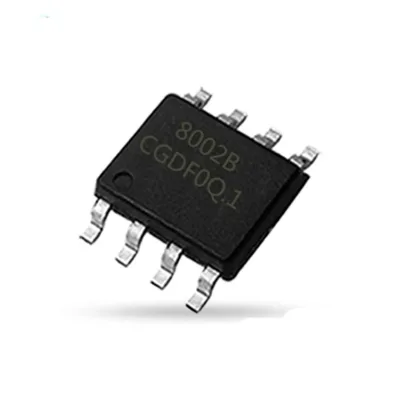


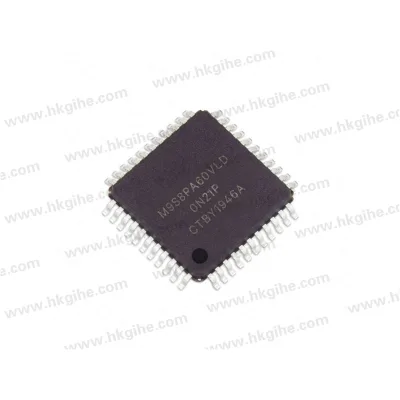
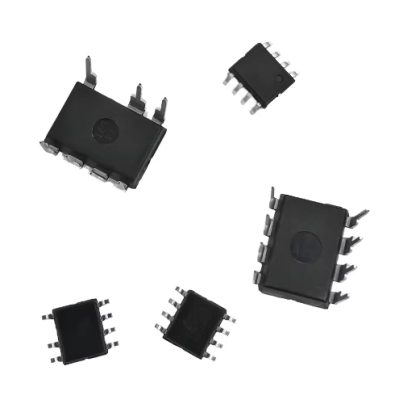
Comprehensive Sourcing Guide
Micro Controller IC Chip Sourcing Guide
Product Scope and Observed Listing Signals
Buyers evaluating micro controller IC chips must first distinguish between rigid and flexible circuit board substrates, as the physical form factor dictates integration complexity. Market listings frequently display a wide range of layer counts, spanning from single-layer configurations up to thirty-two layers, which directly impacts the density of interconnects available for complex signal routing. The base material is typically copper, often combined with fiberglass epoxy resin and polyimide resin to ensure mechanical stability and thermal resistance during high-volume manufacturing processes.
The observed product spectrum includes various integration levels, from general system integration to very large scale integration (VLSI) components. Procurement catalogs often list specific model identifiers such as MX-026 or TPS768101DRCR, indicating a diverse inventory that may include both discrete components and integrated assemblies. Buyers should verify whether the supplier offers original new condition parts, as the market contains a mix of genuine semiconductor ICs and potentially refurbished units, requiring careful scrutiny of the product description to avoid sourcing counterfeit or degraded inventory.
Technical Specifications to Verify
Technical verification begins with confirming the conductive type and installation method, as micro controllers are available in both unipolar and bipolar integrated circuit configurations. The installation footprint is critical for assembly line compatibility, with suppliers offering surface mount device (SMD), surface mount technology (SMT), and dual in-line package (DIP) options. Buyers must ensure that the selected component matches their printed circuit board design, particularly regarding the minimum bonding pad diameter and solder mask thickness, which are essential for ensuring reliable electrical connections and preventing short circuits during the soldering process.
Data file format compatibility is another crucial technical parameter that influences the ease of prototyping and mass production. Suppliers typically accept Gerber files, drilling files, and Protel series data, allowing for seamless transition from design to fabrication. Additionally, the surface treatment options, including OSP, ENIG, HASL, and AG immersion, must be selected based on the shelf-life requirements and solderability needs of the final assembly. Buyers should also confirm the silk-screen color options, such as white, yellow, or black, to ensure visibility and compliance with internal labeling standards.
Compliance and Safety Documentation
Compliance verification is non-negotiable for electronic components entering global supply chains, with ISO9001 and ISO14001 certifications serving as baseline indicators of quality management and environmental responsibility. Buyers must request proof of RoHS compliance to ensure that the micro controllers are free from hazardous substances, which is a legal requirement in many major markets. The presence of ISO13485 certification is particularly important for applications in the medical device sector, while TS16949 indicates adherence to automotive industry quality standards, providing assurance for high-reliability applications.
Certificate guarantees and testing protocols further validate the integrity of the supplied components. Reputable suppliers often provide evidence of 100% electrical testing, ensuring that every unit meets functional specifications before shipment. Buyers should verify that the supplier offers a clear certificate guarantee, which serves as a contractual commitment to the authenticity and performance of the parts. This documentation is essential for risk mitigation, allowing procurement teams to trace components back to their origin and verify that they meet the specific regulatory requirements of their end-use industry.
Cost Drivers and Commercial Terms
Cost structures for micro controller IC chips are influenced by layer count, material composition, and surface treatment complexity. Listings show a broad price range, reflecting the diversity from simple single-layer boards to complex multi-layer VLSI components. Buyers should analyze the minimum order quantity (MOQ) requirements, which can vary significantly from single-piece samples to bulk orders of ten thousand units. Understanding these thresholds is vital for budgeting, as higher volumes often unlock tiered pricing but require larger capital outlays and storage capacity.
Shipping and packaging methods also contribute to the total cost of ownership. Suppliers typically offer foam packing, vacuum packaging, or carton box options to protect sensitive electronic components during transit. Logistics choices, including DHL, UPS, FedEx, air freight, or sea shipping, must be balanced against lead time requirements and budget constraints. Buyers should clarify whether the quoted price includes packaging materials and shipping costs, as these variables can significantly impact the final landed cost, especially for small-batch or urgent procurement needs.
Supplier Qualification and Quality Control
Supplier qualification requires a thorough assessment of their manufacturing capabilities and quality assurance processes. Buyers should verify the supplier’s production capacity, which may be indicated by metrics such as one million units, to ensure they can meet demand without compromising quality. The availability of customization services, including OEM and ODM options, is a key differentiator for companies with unique design requirements. It is essential to confirm that the supplier has the technical expertise to handle specific processing technologies, such as electrolytic foil processing, which affects the conductivity and durability of the final product.
Quality control measures must be explicitly defined in the procurement agreement. Buyers should inquire about the supplier’s inspection protocols, including whether they perform 100% electrical testing before dispatch. The condition of the products, stated as 100% new and original, must be backed by verifiable supply chain documentation. Additionally, buyers should assess the supplier’s ability to provide standard FR4 silicon components or high Tg FR4 materials, ensuring that the base materials meet the thermal and mechanical demands of the intended application.
Long-Term Procurement Checks
Long-term procurement success depends on establishing robust relationships with suppliers who can provide consistent quality and support. Buyers should monitor the supplier’s adherence to standards such as FR4 1-4 layers or other specified layer counts, ensuring that product specifications remain stable over time. Regular audits of the supplier’s quality management systems, including ISO certifications, help maintain high standards and identify potential risks early. This proactive approach minimizes the likelihood of production disruptions caused by component failures or supply chain inconsistencies.
Data management and file format compatibility are critical for long-term project continuity. Buyers should ensure that their engineering teams can easily access and utilize Gerber files, drilling files, and other data formats provided by the supplier. This facilitates quick revisions and reorders without the need for extensive re-engineering. Furthermore, maintaining open communication regarding shipping methods and packaging standards ensures that components arrive in optimal condition, preserving their functionality and extending the lifespan of the final electronic products.
FAQs
What materials are used for the circuit boards?
The circuit boards utilize fiberglass epoxy resin combined with polyimide resin. The base material is copper, and the insulation materials feature FR-4 flame retardant properties. These materials ensure durability and reliable performance for consumer electronics applications.
Can I request custom designs for my project?
Yes, customization is available for your specific requirements. The service supports both OEM and ODM models, allowing for tailored solutions. You can provide data files in Gerber, Drilling, or Protel formats to facilitate the custom manufacturing process.
What certifications do the products hold?
The products come with a certificate guarantee and hold ISO9001, RoHS, ISO14001, ISO13485, and Ts16949 certifications. These standards ensure quality management and environmental compliance, providing confidence in the reliability and safety of the electronic components supplied.
What is the minimum order quantity for purchase?
The minimum order quantity is one piece. This low MOQ allows for easy sampling and small-scale testing. It supports flexible purchasing for various project sizes, ensuring that buyers can acquire components without committing to large initial inventory volumes.
How are the products packaged for shipping?
Products are packaged using foam packing, vacuum packaging, carton boxes, reels, or standard boxes. This diverse packaging approach protects the components during transit. The method is selected based on the specific product type to ensure safe delivery via DHL, UPS, or FedEx.
What surface treatments are applied to the boards?
The boards feature OSP, ENIG, HASL, or AG immersion surface treatments. These options protect the copper traces and ensure reliable solderability. The choice depends on the specific application requirements, providing flexibility for different assembly processes and environmental conditions in consumer electronics.