Source Rotary Coded DIP Switch for Electrical, PCB, and Power Applications
Explore 30 listings for Rotary Coded DIP Switch components suitable for electrical appliances, PCB assembly, and power systems. Compare specifications from manufacturers in China and Korea to find the right fit for your industrial needs; compare the available evidence and request quotations based on your requirements.
Key considerations
Products List


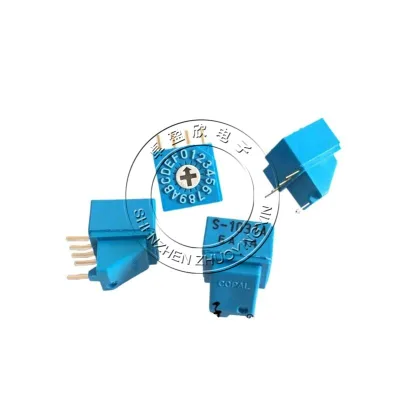


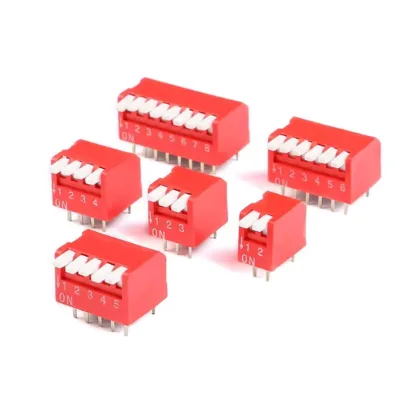


Comprehensive Sourcing Guide
Rotary Coded DIP Switch Sourcing Guide
Procuring rotary coded dip switches requires distinguishing between general rotary transfer mechanisms and precise multi-position coding units. The market presents a mix of products labeled as universal transfer switches and specific dip switches, often sharing similar mechanical actuation but differing in electrical function. Buyers must carefully verify whether the component is intended for power distribution switching or for digital address coding on a PCB, as the internal contact architecture and terminal configurations vary significantly between these applications.
The observed product landscape includes units with single-button rotary actions alongside multi-position slide and toggle variants, creating potential confusion in specification matching. While some listings describe oil-immersed transformers or high-frequency characteristics, these attributes are often misaligned with standard dip switch applications. Sourcing success depends on isolating the specific rotary coding function from unrelated power equipment descriptions, ensuring the selected component matches the intended circuit logic and physical mounting requirements without ambiguity.
Product Scope and Observed Listing Signals
Buyers should scrutinize listing titles and descriptions for conflicting product categories, as many suppliers bundle unrelated electrical components under broad search terms. The available data shows a mix of "Universal Transfer Switches" and "Dip Switches" with varying shaft types, such as 7mm Torx shafts, and terminal styles like vertical pins or DIP configurations. This inconsistency suggests that a single supplier page may list diverse items, requiring the buyer to filter strictly for rotary-coded units rather than general power switches or transformers.
Physical attributes like color, packing dimensions, and shaft type serve as critical verification points for the correct component selection. Listings indicate options ranging from black ultra-thin slides to flat types with specific position counts, including 4, 6, 8, 10, 12, and 16 positions. Procurement teams must cross-reference these physical dimensions against their design schematics to ensure the rotary switch fits the enclosure and aligns with the required number of discrete states for the application.
Technical Specifications to Verify
The electrical phase and frequency characteristics are primary verification points, as some listings erroneously associate rotary switches with three-phase power transformers or high-frequency applications. Buyers must confirm that the component is designed for low-voltage signal coding rather than high-power distribution, ensuring the terminal material, typically copper, and the core construction match the intended circuit load. Misinterpreting a power transformer specification as a switch attribute can lead to catastrophic system failures in the final assembly.
Mechanical durability and mounting standards must be validated against the specific operational environment of the end product. The observed data includes references to standard positions and specific shaft types, which dictate the interface with the user interface or control panel. It is essential to verify the toggle type, such as side-type or flat configurations, and ensure the product condition is listed as new or brand new to guarantee the mechanical integrity of the rotary mechanism over its intended lifespan.
Compliance and Safety Documentation
Certification status is a non-negotiable factor in the procurement of electrical components, with ISO and CE marks appearing frequently in the observed listings. Buyers must request valid, up-to-date certificates that specifically cover the Rotary Coded DIP Switch model, rather than accepting generic certifications that may apply to other products listed by the same manufacturer. The presence of RoHS compliance is also critical for ensuring the component meets environmental restrictions on hazardous substances in electronic assemblies.
Documentation should explicitly state the product standard and origin to verify regulatory alignment with the target market. Listings indicate origins in China, Korea, and Shanghai, each potentially subject to different regional compliance frameworks. Procurement teams must ensure that the provided documentation confirms the product meets the specific safety standards required for the destination country, particularly regarding electrical isolation and fire safety ratings for the switch mechanism.
Cost Drivers and Commercial Terms
Pricing for rotary coded dip switches is highly variable, with observed ranges spanning from nominal values to significant costs depending on the complexity and customization level. The "negotiable" price attribute suggests that volume discounts and specific customization requests, such as unique shaft lengths or terminal configurations, will heavily influence the final unit cost. Buyers should anticipate that specialized models with specific position counts or custom branding will command a premium over standard off-the-shelf components.
Minimum Order Quantities (MOQ) and shipping terms are critical commercial variables that affect the total cost of ownership. The observed MOQ range of 1 to 1000 units allows for flexibility, but the specific requirement for a given model must be confirmed before finalizing the order. Shipping methods, including sea freight or express couriers like DHL and FedEx, add further cost layers that must be factored into the budget, especially for urgent prototyping runs versus bulk production orders.
Supplier Qualification and Quality Control
Supplier identity as a manufacturer versus a trader is a key differentiator for quality assurance and technical support capabilities. The data identifies several suppliers with "Manufacturer" features, which often implies better control over the production process and the ability to accommodate customizations like specific packing or branding. Buyers should prioritize direct manufacturers when seeking long-term supply stability and the ability to resolve technical issues related to the switch's mechanical or electrical performance.
Quality control protocols must be verified through the supplier's ability to provide consistent product conditions and accurate descriptions. Listings emphasize "Brand New and Original" conditions, but buyers must implement incoming inspection protocols to verify that the received goods match the specified model numbers and physical attributes. Establishing a clear quality agreement that defines acceptable tolerances for shaft dimensions, terminal resistance, and switch actuation force is essential for maintaining product reliability.
Long-Term Procurement Checks
Sustainability of the supply chain requires monitoring the supplier's ability to maintain consistent production standards and certification validity over time. As product lines evolve, the specific model numbers and technical specifications may change, necessitating a proactive approach to re-qualification and documentation updates. Buyers should establish a schedule for periodic audits to ensure that the rotary coded dip switches continue to meet the original design requirements and regulatory standards.
Inventory management and lead time stability are vital for preventing production delays in the final assembly line. The observed shipping methods and packing standards, such as cartons or specific dimensions, must be integrated into the logistics plan to ensure efficient handling and storage. Regular communication with the supplier regarding production capacity and potential supply chain disruptions will help mitigate risks associated with component shortages or unexpected changes in manufacturing capabilities.
FAQs
What certifications are available for rotary coded dip switches?
Rotary coded dip switches typically carry ISO and CE certifications to ensure compliance with international standards. Some models also include RoHS certification, indicating they meet environmental safety requirements. These certifications verify that the components are manufactured under controlled quality systems and are suitable for use in various electrical appliances and power applications across different global markets.
Can rotary coded dip switches be customized for specific projects?
Yes, customization is available for rotary coded dip switches to meet specific project requirements. Buyers can often select from various positions such as 4, 6, 8, 10, 12, or 16, and choose different shaft types like the 7mm Torx shaft. This flexibility allows for precise integration into diverse electronic designs, ensuring the component fits the exact mechanical and electrical needs of the application.
What is the typical MOQ for ordering rotary coded dip switches?
The minimum order quantity for rotary coded dip switches generally ranges from 1 to 1000 units, depending on the supplier and specific model. This flexible MOQ structure accommodates both small-scale prototyping and larger production runs. Buyers should verify the exact MOQ with the manufacturer, as it may vary based on customization needs, packaging requirements, and current inventory levels at the factory.
Which specifications define the standard Rotary Coded DIP Switch models?
Standard Rotary Coded DIP Switch models often feature specifications such as the LW26 or MHR-10 series, with options for single button or side-type toggle mechanisms. They may support three-phase applications and come in colors like black or blue. These switches are designed for PCB applications and can include features like vertical pin terminals or DIP configurations for reliable electrical connectivity.
Where are rotary coded dip switches typically manufactured?
Rotary coded dip switches are primarily manufactured in China, with significant production hubs in Zhejiang and Shanghai. Some specialized components may also originate from Korea. These manufacturing locations are known for their robust electronics supply chains, offering competitive pricing and efficient shipping options via sea or express courier services, ensuring timely delivery for global B2B procurement needs.
How are rotary coded dip switches packaged for shipping?
Rotary coded dip switches are typically packaged in cartons or cartons with specific dimensions to ensure safe transit. Standard packing sizes might include 12x6x5cm or 7.5x7.5cm configurations, depending on the model. For smaller quantities or samples, shipping via DHL, FedEx, UPS, or TNT postal services is common, providing secure and tracked delivery options for international buyers requiring component protection.