Source Automotive Grade IC Supervisor Chips for Cars
Find reliable Automotive Grade IC Supervisor components for engine control, battery management, and safety systems. Browse 30 available options from manufacturers like Microchip and UTC to compare specifications and secure quality supply; compare the available evidence and request quotations based on your requirements.
Key considerations
Products List


Processor Supervisor IC SP708SEN-L/TR Supervisory Circuits LOW PWR MICROPROCESSOR
$0.33 - $3.50
MOQ: 100 Pieces


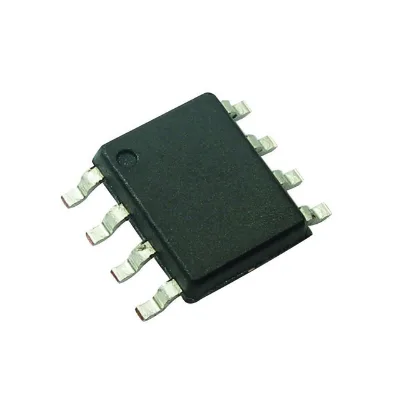
top china supplier CPU Supervisor with 32Kb SPI EEPROM IC Electronic X5325S8IZ
$1.60 - $1.85
MOQ: 10 Minimum


Comprehensive Sourcing Guide
Automotive Grade IC Supervisor Sourcing Guide
Sourcing automotive-grade integrated circuit supervisors requires a disciplined approach to component verification and supply chain transparency. Buyers must navigate a market where generic industrial parts are often mislabeled as automotive-grade equivalents, leading to potential field failures. The core keyword "Automotive Grade IC Supervisor" signals a need for components that meet rigorous reliability standards, such as AEC-Q100, which governs temperature ranges, voltage stability, and long-term durability in harsh vehicular environments. Procurement teams must distinguish between standard commercial ICs and those specifically qualified for automotive use, ensuring that the selected supervisor circuits can withstand the electrical noise and thermal cycles inherent in modern vehicle architectures.
This guide provides a structured framework for evaluating suppliers and validating product claims based on observable listing signals and technical attributes. By focusing on verifiable data points such as package types, integration levels, and manufacturer origins, buyers can mitigate the risk of sourcing counterfeit or substandard components. The following sections detail the critical steps for technical verification, compliance documentation review, and commercial negotiation, ensuring that the final selection aligns with both engineering requirements and supply chain resilience goals.
Product Scope and Observed Listing Signals
The current market landscape for integrated circuit supervisors reveals a wide variance in product attributes, ranging from unipolar integrated circuits to complex LSI and ULSI configurations. Observed listings frequently highlight specific package formats such as SOT-143, SOIC-8, and SOT-23, which are critical for PCB layout compatibility in automotive control units. Buyers should note that some suppliers list products with generic descriptions like "usual" applications or "original" series, which may indicate a lack of specific automotive qualification. It is essential to cross-reference these broad claims with detailed model numbers, such as the Uic811g-C-Ad4-R or Sp708sen-L/Tr, to determine if the component is genuinely suited for vehicular power management or if it is intended for general consumer electronics.
Packaging and dating codes provide additional signals regarding component authenticity and age. Listings often specify packing methods like boxes, tubes, or vacuum sealing, which can impact storage conditions and moisture sensitivity levels. For instance, vacuum packaging is typically associated with higher reliability requirements, while tube packaging might suggest bulk industrial distribution. Date codes such as 17+ or 22+ are frequently cited, but buyers must verify that these dates correspond to genuine manufacturing batches rather than repackaged stock. The presence of terms like "Genuine New Original" or "100% NEW" should be treated as marketing assertions requiring independent verification through traceability documents and supplier audits.
Technical Specifications to Verify
Technical verification begins with confirming the integration level and technics of the supervisor IC, as these factors dictate performance in automotive systems. Buyers must distinguish between thick film and thin film IC technologies, as each offers different advantages in terms of power handling and signal integrity. For example, some listings indicate LSI integration with thick film technics, while others specify ULSI integration with thin film technics. These distinctions are crucial for applications requiring precise voltage monitoring and reset generation. Additionally, the shape of the component, whether DIP, SMD, or specific package types like SOT23-5, must align with the automated assembly processes used in automotive manufacturing lines to ensure consistent soldering quality and mechanical stability.
Model numbers and part identifiers serve as the primary keys for technical validation, allowing buyers to access detailed datasheets and application notes. Components such as the MCP120T-450I/TT or NCP300LSN30T1G represent specific functional profiles that must be matched against the vehicle's power rail requirements. Buyers should verify the operating voltage ranges, reset delay times, and watchdog timer functionalities to ensure compatibility with the target microcontroller or power management unit. Furthermore, the origin of the silicon, whether from Malaysia, China, or other regions, can influence supply chain risk and should be evaluated in the context of geopolitical stability and manufacturing capacity.
Compliance and Safety Documentation
Compliance with automotive industry standards is non-negotiable for supervisor ICs used in vehicular applications. Buyers must request evidence of AEC-Q100 qualification, which certifies that the component has undergone rigorous stress testing for temperature, humidity, and mechanical shock. While some listings may mention general certifications like RoHS or REACH, these are baseline environmental requirements and do not substitute for automotive-specific reliability standards. Procurement teams should insist on documentation that explicitly states the component's grade, ensuring that it meets the stringent failure rate expectations of the automotive sector. Without this documentation, there is a significant risk of integrating components that may fail prematurely under the thermal and electrical stresses of a vehicle environment.
Safety documentation also includes material declarations and hazard reporting, which are critical for maintaining supply chain transparency. Buyers should verify that the raw materials, such as silicon, are sourced from reputable suppliers and that the manufacturing process adheres to quality management systems like IATF 16949. This ensures that the components are produced in facilities that are equipped to handle the high-volume, high-reliability demands of automotive production. Additionally, buyers should confirm that the supplier provides full traceability records, including lot numbers and batch codes, to facilitate rapid response in the event of a field failure or recall.
Cost Drivers and Commercial Terms
Cost structures for automotive-grade IC supervisors are influenced by several factors, including integration complexity, package type, and order volume. High-density integration levels, such as ULSI, typically command higher prices due to the advanced manufacturing processes involved. Conversely, simpler unipolar integrated circuits may offer more competitive pricing but might lack the advanced features required for complex automotive systems. Buyers should analyze the minimum order quantity (MOQ) requirements, which can range from small batches for prototyping to large volumes for mass production, to determine the total cost of ownership. Understanding these dynamics allows procurement teams to negotiate better terms and optimize inventory levels based on production forecasts.
Commercial terms such as payment methods, shipping options, and delivery times also impact the overall procurement cost. Suppliers may offer various payment options, including PayPal, TT, or Trade Assurance, each with different risk profiles and transaction fees. Fast shipment options can be critical for maintaining production continuity, but they often come at a premium. Buyers should evaluate the trade-off between speed and cost, considering the potential impact of supply chain disruptions on their manufacturing schedule. Additionally, the brand name and reputation of the supplier can influence pricing, with established brands often commanding higher prices due to perceived reliability and support services.
Supplier Qualification and Quality Control
Supplier qualification is a critical step in ensuring the integrity of the automotive IC supply chain. Buyers must conduct thorough due diligence on potential suppliers, verifying their business licenses, manufacturing capabilities, and quality control processes. This includes assessing their ability to provide genuine components with full traceability and their adherence to industry standards for handling and storage. Suppliers who offer customization services may be better suited for specialized automotive applications, but buyers must ensure that these customizations do not compromise the component's reliability or compliance with automotive standards. Regular audits and performance reviews are essential to maintain supplier quality over time.
Quality control measures should extend beyond the supplier to include incoming inspection procedures at the buyer's facility. Buyers should implement rigorous testing protocols to verify the authenticity and functionality of received components, using techniques such as X-ray inspection, decapsulation, and electrical testing. This helps to detect counterfeit parts or components that have been damaged during shipping or storage. Additionally, buyers should establish clear communication channels with suppliers to address any quality issues promptly and to facilitate continuous improvement in the supply chain. By maintaining high standards for supplier qualification and quality control, buyers can minimize the risk of field failures and protect their brand reputation.
Long-Term Procurement Checks
Long-term procurement success depends on proactive supply chain management and continuous monitoring of component availability. Buyers should establish relationships with multiple qualified suppliers to mitigate the risk of single-source dependency and ensure continuity of supply in the event of disruptions. Regularly reviewing market trends and technological advancements is essential to stay ahead of obsolescence and to identify opportunities for cost savings or performance improvements. Additionally, buyers should maintain a comprehensive database of component specifications and supplier performance metrics to facilitate informed decision-making and streamline the procurement process.
Continuous improvement initiatives should focus on enhancing supply chain resilience and reducing total cost of ownership. This includes optimizing inventory levels, negotiating long-term contracts with key suppliers, and investing in supplier development programs. Buyers should also stay informed about regulatory changes and industry standards that may impact the procurement of automotive-grade ICs, ensuring that their sourcing practices remain compliant and competitive. By adopting a strategic approach to long-term procurement, buyers can build a robust and reliable supply chain that supports the demanding requirements of the automotive industry.
FAQs
What integrated circuit types are available for Automotive Grade IC Supervisor applications?
Available options include unipolar integrated circuits with LSI integration and thick film IC technics. Other variants feature ULSI integration with thin film IC technics. These components are offered in packages such as SOT-143, SOIC-8, and SOT-23. Customization is available for specific design requirements. The products originate from China and Malaysia, ensuring diverse sourcing options for electronic integration needs.
Can Automotive Grade IC Supervisor components be customized for specific projects?
Yes, customization is explicitly available for these integrated circuit components. Buyers can request specific modifications to meet unique project requirements. The products are genuine new original items, ensuring high quality and reliability. Various packaging options like boxes, tubes, and vacuum seals are provided. This flexibility allows for tailored solutions in electronic design and manufacturing processes.
Which packaging formats are used for Automotive Grade IC Supervisor integrated circuits?
Packaging formats include SOT-143, SOIC-8, SOT-23, and SOT23-5. Physical shapes range from DIP to SMD configurations. Product packing methods vary by supplier, including box, tube, and vacuum packaging. These formats ensure secure handling and protection during shipping. The diverse packaging options accommodate different assembly line requirements and storage needs for electronic components.
How fast is the delivery time for Automotive Grade IC Supervisor orders?
Delivery time is characterized as fast shipment, ensuring quick turnaround for orders. Express shipping ways are available to expedite the process. Payment options include PayPal, TT, and Trade Assurance for secure transactions. The selling unit is typically a single item, allowing for flexible ordering. This efficient logistics support helps maintain continuous production schedules for electronic manufacturing.
What is the price range for Automotive Grade IC Supervisor integrated circuits?
The observed listed price range is 0.02 to 500 USD. This wide range accommodates various component types and quantities. Minimum order quantities vary from 1 to 3000 units. Pricing depends on the specific model, integration level, and packaging. Buyers can find cost-effective solutions for both small-scale prototyping and large-volume production needs.
Where do Automotive Grade IC Supervisor components originate from?
Products originate from China and Malaysia, providing diverse sourcing locations. The place of origin is listed as original, ensuring authenticity. Manufacturers include UTC, Microchip, Exar, and Onsemi. These regions are known for robust electronics manufacturing capabilities. Sourcing from these locations offers access to a wide variety of integrated circuit models and specifications.