Source Micro Hyperbaric Oxygen Sofa Chair for Home, Gyms, Clinics
Explore 30 listings of the Micro Hyperbaric Oxygen Sofa Chair designed for home relaxation, gym recovery, and beauty center treatments. Buyers can compare specifications like pressure levels, oxygen concentration, and cabin materials to find the ideal unit for their facility.
Key considerations
Products List


New Oxygen Enriched Chamber Sitting Type Micro Hyperbaric Oxygen Chamber
$2000.00 - $2420.00
MOQ: 1 Pieces

Single Person Professional Health Protection Sitting Type Micro Hyperbaric Oxygenchamber
$2000.00 - $2420.00
MOQ: 1 Pieces


Customized 1.3ATA 1.5ATA 2ATA Home Hyperbaric Oxygen Therapy Chamber Sitting
$2000.00 - $2420.00
MOQ: 1 Pieces


Best Selling Customized Comfortable Four Person Micro Hyperbaric Oxygen Chamber
$9903.00 - $11279.00
MOQ: 1 Sets


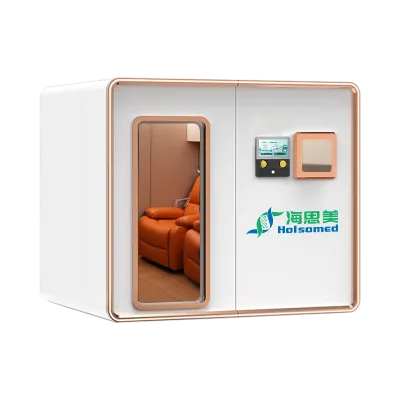
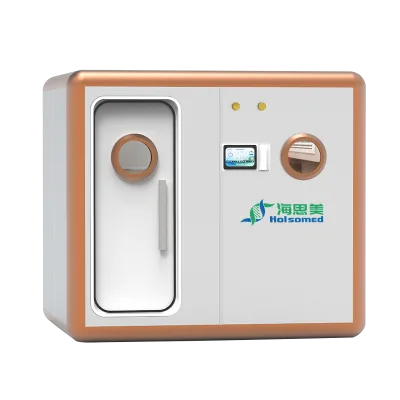
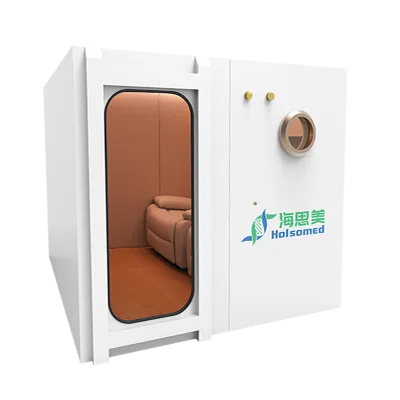
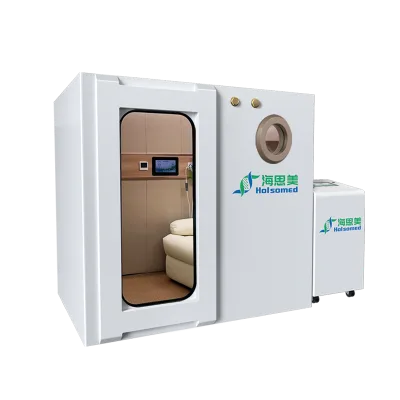
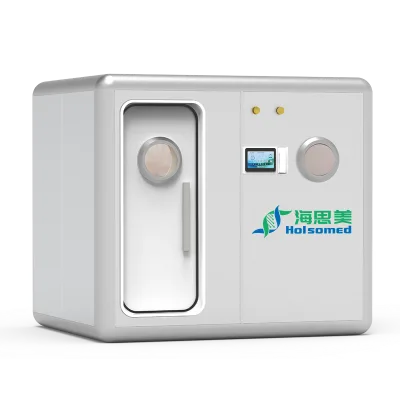

Hyperbaric Oxygen Chamber 1.5ATA at Home Hyperbaric Chamber for Sitting
$2600.00 - $4200.00
MOQ: 1 Sets


Soft Sitting Hyperbaric Oxygen Therapy Chamber for Rehabilitation Clinics
$3500.00 - $3600.00
MOQ: 1 Sets


Comprehensive Sourcing Guide
Strategic Sourcing Guide for Micro Hyperbaric Oxygen Sofa Chairs
The global market for wellness and therapeutic equipment has seen a significant shift toward integrated, multi-functional units that combine comfort with medical-grade technology. The Micro Hyperbaric Oxygen Sofa Chair represents a specialized segment within this industry, merging the ergonomic benefits of zero-gravity seating with the therapeutic potential of mild hyperbaric oxygen therapy. For B2B procurement professionals, navigating this category requires a disciplined approach to verifying technical claims, understanding regulatory landscapes, and evaluating supply chain reliability. This guide provides a structured framework for sourcing these units, focusing on evidence-based criteria derived from current product specifications and industry standards.
Technical Architecture and Core Specifications
Understanding the technical architecture of a Micro Hyperbaric Oxygen Sofa Chair is the first step in any procurement process. These units are not merely furniture; they are pressurized medical devices designed to deliver oxygen-enriched environments. The core specification typically involves a cabin constructed from high-strength materials to withstand internal pressure fluctuations. Based on observed market data, the cabin material is frequently identified as Carbon Fiber Composite Material, which offers an optimal balance of weight reduction and structural integrity. This material choice is critical for maintaining the shape of the chamber while ensuring safety during pressurization cycles.
The internal environment is controlled through a sophisticated lighting and atmosphere system. Advanced models feature a Dual LED Cold Light Source System combined with ambient lighting, designed to create a relaxing therapeutic environment without generating excessive heat. The temperature regulation within the cabin is a precise metric; specifications indicate the working temperature inside the cabin is maintained at ambient temperature plus 3°C. This narrow margin ensures that the therapy remains comfortable and does not induce thermal stress on the user.
Pressure management is another critical technical parameter. The cabin pressure is adjustable, with observed ranges varying between 10-30 kPa and 10-90 kPa depending on the specific model configuration. This adjustability allows the device to cater to different therapeutic protocols, from mild relaxation to more intensive tissue repair sessions. The oxygen delivery system typically utilizes a Pressure Swing Adsorption (PSA) technology, which generates oxygen directly from ambient air. However, buyers must verify the specific oxygen concentration output, as observed data shows variations ranging from 21%-23% to 30%. This discrepancy highlights the importance of confirming the exact concentration capability for the intended clinical or commercial application.
Regulatory Compliance and Certification Verification
In the medical and wellness equipment sector, regulatory compliance is non-negotiable. Procurement teams must rigorously verify that any Micro Hyperbaric Oxygen Sofa Chair meets the necessary safety standards for the target market. A primary certification observed in this category is the CE mark, which indicates conformity with health, safety, and environmental protection standards for products sold within the European Economic Area. The presence of a CE certification is a baseline requirement for many international buyers, but it should not be the sole criterion for acceptance.
Beyond the CE mark, buyers should investigate the specific product standards applied during manufacturing. The "prod_standard" field often references the physical dimensions or the functional classification of the unit, such as "Single person horizontal oxygen chamber" or "L-type oxygen chamber." These designations are crucial for understanding the physical footprint and the intended usage posture. Additionally, the noise level within the cabin is a significant compliance and comfort factor. Observed specifications list noise levels at 50dB and less than 60dB. For a device intended for relaxation and sleep therapy, maintaining noise below 60dB is essential to prevent user disturbance.
It is imperative to distinguish between marketing claims and verified certifications. While some suppliers may claim adherence to various international standards, the procurement process must rely on documented proof. Buyers should request the specific test reports that validate the pressure limits, oxygen concentration accuracy, and electrical safety of the unit. The absence of a specific standard number in a product listing should trigger a request for clarification rather than an assumption of compliance.
Cost Drivers and Pricing Structure Analysis
The pricing of micro hyperbaric oxygen sofa chairs is influenced by a complex array of factors, including material costs, technological complexity, and customization options. The observed price range for these units spans from 2,000 to 50,000 USD. This wide variance is not arbitrary; it reflects the difference between basic models and highly customized, premium units. The primary cost driver is the cabin material. Carbon fiber composite construction is significantly more expensive than standard steel or aluminum alternatives but offers superior durability and weight savings.
Another significant factor is the customization level. The market data indicates that customization is available for these units. This can include bespoke dimensions, specific color schemes (such as the observed "White" finish), and tailored lighting systems. Customization typically increases the unit price and extends the lead time. The integration of advanced features, such as the Wireless Intercom system and the Zero-Gravity Electric Leather Sofa mechanism, also contributes to the final cost. These features require complex engineering and high-quality components, which are reflected in the price.
Buyers should also consider the packaging and shipping costs. The observed packaging methods range from "Standard Packing" and "Box" to "Wooden Frame Packaging." Wooden frame packaging is more robust and expensive but is necessary for protecting the unit during long-distance international shipping. The origin of the product, often listed as Guangdong, China, or Hengshui, Hebei, also impacts the cost structure due to regional labor rates and logistics infrastructure. Understanding these cost drivers allows buyers to negotiate more effectively and allocate their budget to the features that provide the most value for their specific use case.
Typical Applications and Market Segmentation
The versatility of the Micro Hyperbaric Oxygen Sofa Chair allows it to serve a diverse range of applications. The primary market segments include home use, commercial gyms, beauty centers, and clinical settings. In a home environment, the device serves as a premium wellness tool for stress relief and recovery. The Zero-Gravity Electric Leather Sofa design is particularly suited for this application, offering a comfortable reclining position that mimics the weightlessness of space, enhancing the relaxation effect of the oxygen therapy.
In commercial settings such as beauty centers and salons, these units are marketed as high-end treatments for skin rejuvenation and tissue repair. The "Function" attribute often cited is "Tissue Repair," which appeals to clients seeking non-invasive aesthetic improvements. The ability to operate in a controlled environment with specific oxygen concentrations makes these units attractive for clinics focusing on orthopedics and recovery. The "Type" attribute of "Orthopedics" suggests a specific application in treating musculoskeletal injuries, where increased oxygen levels can accelerate healing.
The "Application" field in product specifications often lists "Home Use, Gym, Beauty Center, etc," indicating the broad adaptability of the technology. However, buyers must ensure that the specific model they procure aligns with the intended regulatory environment of the application. For instance, a unit marketed for "Home Use" may not have the same certification requirements as one intended for a medical clinic. The capacity of the unit, typically listed as "1 Person," defines the throughput and operational model for businesses, influencing how the equipment is integrated into service workflows.
Supplier Evaluation and Geographic Considerations
Evaluating suppliers for micro hyperbaric oxygen sofa chairs requires a deep dive into their manufacturing capabilities and geographic location. The primary manufacturing hubs for these products are located in China, specifically in regions like Guangdong and Hengshui, Hebei. Guangdong is known for its advanced electronics and manufacturing infrastructure, which is beneficial for the complex electronic systems found in these units. Hengshui, on the other hand, has a strong reputation for medical device manufacturing, particularly in the production of hyperbaric chambers.
When evaluating a supplier, buyers should look for evidence of consistent production quality and the ability to handle customization requests. The "Assembly Method" is typically "Integrated," meaning the unit is assembled as a single cohesive system rather than a kit of parts. This approach reduces the risk of assembly errors and ensures that the pressure seals and electrical systems are tested as a whole. Buyers should also verify the "prod_packing" specifications to ensure the supplier uses appropriate packaging, such as wooden frames, to prevent damage during transit.
The "Standard Capacity" of 1 Person is a key metric for supplier capability. Suppliers who can consistently produce units with this capacity while maintaining strict quality control are preferable. Additionally, the "Customization" availability is a strong indicator of a supplier's flexibility. A supplier that can accommodate specific requests for dimensions, colors, or functional add-ons is better positioned to meet the unique needs of B2B clients. Buyers should request samples or visit manufacturing facilities to verify these capabilities before committing to large orders.
Quality Control and Long-Term Procurement Strategy
Ensuring the long-term reliability of micro hyperbaric oxygen sofa chairs requires a robust quality control (QC) strategy. The "Working Noise Inside The Cabin" and "Cabin Working Pressure" are critical parameters that must be tested regularly. A QC plan should include pressure testing to verify that the cabin can safely withstand the maximum specified pressure (e.g., 90 kPa) without leaks or structural failure. The noise level should be measured to ensure it remains within the specified limits (e.g., < 60dB) to maintain user comfort.
For long-term procurement, buyers should establish clear agreements regarding maintenance and spare parts availability. The "Surface Coating" of "Artistic Eco-Friendly Crystal Paint" is a specific feature that requires care; buyers should inquire about the durability of this coating and the availability of touch-up materials. The "Inhalation Method" of "Diffusion / Nasal Inhalation" implies the need for specific consumables or accessories, which should be included in the supply agreement.
Finally, buyers must consider the lifecycle of the product. The "Technology" used, such as Pressure Swing Adsorption (PSA), has a finite lifespan for its components. A comprehensive procurement strategy should include a plan for periodic maintenance, component replacement, and eventual upgrades. By focusing on these long-term considerations, buyers can ensure that their investment in micro hyperbaric oxygen sofa chairs remains a valuable asset for years to come.
Comparative Analysis of Key Product Attributes
To facilitate decision-making, the following table summarizes the key attributes observed in the market for micro hyperbaric oxygen sofa chairs. This comparison highlights the variations in specifications that buyers must consider when selecting a supplier.
| Attribute Category | Observed Specification A | Observed Specification B | Procurement Consideration |
|---|---|---|---|
| Cabin Material | Carbon Fiber Composite Material | Standard Steel/Aluminum (Implied) | Carbon fiber offers better weight-to-strength ratio but higher cost. |
| Oxygen Concentration | 30% | 21%-23% | Verify if the higher concentration is required for specific therapeutic protocols. |
| Working Pressure | 10-30 kPa Adjustable | 10-90 kPa Adjustable | Higher pressure ranges may require more rigorous safety testing and certification. |
| Noise Level | 50dB | < 60dB | Lower noise is critical for sleep therapy and relaxation applications. |
| Temperature Control | Ambient + 3°C | Ambient + 3°C | Consistency in temperature regulation is vital for user comfort. |
| Assembly Method | Integrated | Integrated | Integrated assembly reduces field assembly errors and improves safety. |
| Origin Location | Guangdong, China | Hengshui, Hebei, China | Guangdong may offer better electronics; Hebei may offer better medical device expertise. |
| Packaging | Wooden Frame Packaging | Standard Packing / Box | Wooden frame is essential for international shipping of heavy, fragile units. |
This comparative analysis underscores the importance of detailed specification verification. Buyers should not assume that all products in this category are identical; rather, they must select the specific configuration that aligns with their operational requirements and regulatory obligations. By adhering to these evidence-based sourcing practices, B2B buyers can secure high-quality micro hyperbaric oxygen sofa chairs that deliver value and safety for their end users.
FAQs
What certification does the Micro Hyperbaric Oxygen Sofa Chair have?
The product carries CE certification, indicating conformity with European health and safety standards. This baseline compliance is essential for international buyers but should be verified alongside specific test reports for pressure and electrical safety.
How is the cabin pressure controlled in the chamber?
The cabin pressure is adjustable, with observed ranges varying between 10-30 kPa and 10-90 kPa depending on the model. This flexibility allows users to select protocols suitable for mild relaxation or more intensive tissue repair sessions.
Which material is used for the cabin construction?
The cabin is constructed from Carbon Fiber Composite Material to ensure structural integrity under pressure. This material choice offers an optimal balance of weight reduction and durability compared to standard steel or aluminum alternatives.
Can the product be customized for specific needs?
Yes, customization is available for dimensions, colors, and functional add-ons. Buyers should confirm specific requests for bespoke features, as these options typically increase the unit price and may extend the manufacturing lead time.
What is the working temperature inside the cabin?
The working temperature inside the cabin is maintained at ambient temperature plus 3 degrees Celsius. This narrow margin ensures the therapy remains comfortable without inducing thermal stress on the user during the session.
How is the oxygen concentration generated and delivered?
Oxygen is generated using Pressure Swing Adsorption technology directly from ambient air. Buyers must verify the specific output concentration, as observed data shows variations ranging from 21-23% up to 30% depending on the unit configuration.