Source Micro Drop Test Machine for School Hospital Lab
Find 30 Micro Drop Test Machine listings from verified suppliers in Guangdong, China. Compare specifications like drop height, load capacity, and customization options for school, hospital, and lab applications.
Key considerations
Products List


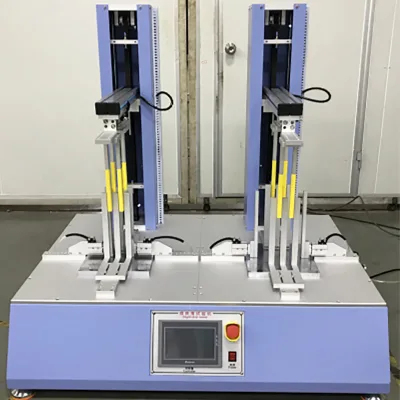
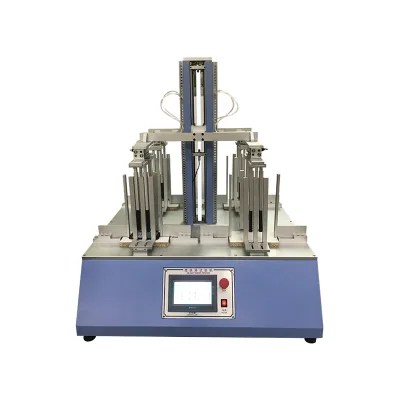


Cellphone Drop Test Machine Mobile Phone Micro Drop Tester Equipment
$1000.00 - $3000.00
MOQ: 1 Pieces

$1000.00 - $9999.00
MOQ: 1 Pieces

Comprehensive Sourcing Guide
Strategic Sourcing Guide for Micro Drop Test Machines
The procurement of a Micro Drop Test Machine represents a critical investment for quality assurance departments in electronics, packaging, and materials testing sectors. These specialized instruments are designed to simulate the impact forces a product might experience during shipping, handling, or accidental drops, ensuring that the final goods meet durability requirements before reaching the consumer. For buyers navigating the global market, understanding the nuanced technical specifications, compliance frameworks, and supplier capabilities is essential to securing equipment that delivers accurate data and long-term reliability. This guide provides a comprehensive framework for evaluating potential suppliers and selecting the right testing apparatus based on verified industry facts and standard procurement practices.
Technical Specifications and Operational Capabilities
When evaluating a Micro Drop Test Machine, the primary focus must be on the precise technical parameters that define the machine's operational envelope. The core functionality revolves around the ability to control the drop height and the mass of the falling weight to generate specific impact energy. Based on observed industry data, drop heights typically range from 300 to 1500 mm, though some models offer customization to accommodate specific test protocols. The maximum diameter of the workpiece that can be tested varies significantly between models; some units are engineered to handle workpieces with a maximum diameter of 2000 mm, while others are optimized for smaller components with a limit of 500 mm.
The loading method is another critical differentiator. Buyers must determine whether their testing requirements necessitate a static load or a dynamic load approach. Static load testing involves placing a weight on the product, whereas dynamic load testing, common in drop testing, involves releasing a weight from a specific height to impact the specimen. The power source for these machines is predominantly electronic, often operating on AC220V, and may include an oil cylinder positioned either at the top or the bottom of the frame to facilitate the lifting mechanism. The weight of the machine itself is substantial, often exceeding 2000 kg for heavy-duty models, while lighter variants may fall within the 100 to 1000 kg range.
Furthermore, the control interface is a vital component of the user experience. Modern units frequently feature digital control systems with touch-screen capabilities, allowing for precise programming of drop parameters. The display method often includes a digital height indicator, which may be an optional feature depending on the specific model configuration. The transmission approach is typically electric, ensuring smooth and consistent movement of the lifting mechanism. Understanding these specifications allows buyers to match the machine's capabilities directly to their specific product dimensions and testing standards.
Compliance, Certification, and International Standards
In the realm of industrial testing equipment, compliance with international standards is non-negotiable for ensuring the validity of test results. Reputable manufacturers design their drop test machines to adhere to a suite of recognized standards, including ISO, JIS, and Ista criteria. Specific standard references observed in the market include ISO 2248, JIS Z0202-87, and GB/T4857.5-92. These standards dictate the methodology for conducting drop tests, ensuring that the data generated is comparable across different laboratories and regions.
Certification is equally important for regulatory compliance and market access. Products in this category are often required to hold certifications such as CE, RoHS, FCC, and ISO, alongside SGS certificates. These certifications verify that the machine meets safety, environmental, and electromagnetic compatibility requirements. For instance, CE marking indicates conformity with health, safety, and environmental protection standards for products sold within the European Economic Area. RoHS compliance ensures that the equipment does not contain hazardous substances, while FCC certification is crucial for electronic devices operating in the United States.
Buyers must verify that the specific model they intend to purchase carries these certifications and that the documentation provided by the supplier is current. The design criteria for the machine should explicitly reference these standards to guarantee that the testing procedures align with industry expectations. Additionally, the accuracy grade of the machine is a key performance indicator; high-precision models often boast an accuracy grade of 0, controlled via computer systems to minimize human error and ensure repeatable results.
Cost Drivers and Pricing Structures
The pricing of a Micro Drop Test Machine is influenced by a complex array of factors, including the machine's capacity, customization level, and the complexity of its control systems. The observed price range in the market spans from approximately 222 USD to 9999 USD, reflecting the diversity of available configurations. Entry-level models with basic digital displays and standard drop heights will naturally occupy the lower end of this spectrum, while high-end units with advanced touch-screen interfaces, custom drop heights, and higher load capacities will command premium prices.
Customization is a significant driver of cost. Many suppliers offer OEM and ODM services, allowing buyers to tailor the machine's external size, specimen capacity, and loading methods to their specific needs. For example, a customized specimen maximum size of 800 x 800 x 1000 mm will incur different costs compared to a standard configuration. The weight of the workpiece the machine can handle, ranging from less than 900 kg to over 1000 kg, also impacts the price. Additionally, the inclusion of optional features, such as a digital height indicator or specific power sources, can alter the final cost.
Buyers should also consider the Minimum Order Quantity (MOQ), which typically ranges from 1 to 500 units. While single-unit purchases are common for individual laboratories, bulk orders may offer economies of scale. The delivery time is another cost factor; a standard lead time of 15 days after receiving the deposit is typical, but expedited shipping or custom manufacturing may extend this period and increase overall expenses. It is essential to request a detailed quotation that breaks down the base price, customization fees, and any additional costs for accessories or extended warranties.
Typical Applications and Industry Use Cases
Micro drop test machines are indispensable tools across a wide range of industries where product durability is paramount. The primary applications include testing in schools, hospitals, laboratories, and factories. In educational settings, these machines are used to teach students about material science and product testing methodologies. In hospital environments, they may be employed to test the durability of medical devices, packaging for pharmaceuticals, or equipment used in clinical settings.
Laboratories utilize drop test machines to conduct rigorous quality control checks, ensuring that products meet the stringent requirements of various industries. Factories, particularly those involved in electronics manufacturing, packaging, and consumer goods, rely on these machines to validate the robustness of their products before mass production. The ability to test workpieces with varying masses and dimensions makes these machines versatile for different product lines.
The specific application often dictates the required specifications. For instance, testing electronic components may require a machine with a lower drop weight and precise height control, while testing industrial packaging might necessitate a higher capacity and dynamic load capabilities. The machine's ability to handle a maximum capacity of less than 1000 kN and a mass scope of up to 1000 kg makes it suitable for a broad spectrum of testing scenarios. By understanding the specific needs of their industry, buyers can select a machine that offers the optimal balance of performance and cost.
Supplier Evaluation and Procurement Considerations
Selecting the right supplier is as critical as selecting the right machine. Buyers should prioritize suppliers who offer comprehensive services, including OEM, ODM, and non-standard customization options. The location of the supplier, often in regions like Guangdong, China, can influence logistics and lead times. A supplier with a strong track record in exporting products, evidenced by the use of wooden cases for export packing, demonstrates a commitment to protecting the equipment during transit.
Warranty and guarantee terms are vital indicators of a supplier's confidence in their product. A standard warranty period of 12 months or one year is common, providing buyers with peace of mind regarding potential defects or malfunctions. Buyers should also inquire about the after-sales support structure, including the availability of technical assistance and spare parts. The transparency of the supplier regarding the machine's origin and standard compliance is another key factor in the evaluation process.
When evaluating suppliers, buyers should request detailed documentation, including test reports, certification copies, and technical manuals. The ability of the supplier to provide a machine that meets specific design criteria, such as ISO, JIS, and Ista standards, is a strong indicator of their expertise. Additionally, the supplier's flexibility in accommodating custom requirements, such as specific drop heights or workpiece dimensions, can be a decisive factor in the final selection.
Quality Control and Long-Term Maintenance
Ensuring the long-term reliability of a Micro Drop Test Machine requires a proactive approach to quality control and maintenance. The machine's construction, often featuring a robust frame and high-precision components, is designed to withstand repeated use. However, regular maintenance is essential to maintain accuracy and extend the lifespan of the equipment. Buyers should establish a maintenance schedule that includes routine inspections of the oil cylinder, electric transmission system, and digital control interfaces.
Quality control during the manufacturing process is also crucial. Suppliers should implement strict quality assurance measures to ensure that each unit meets the specified standards and performance criteria. The use of high-quality materials and components, such as those meeting the 0 accuracy grade, ensures that the machine delivers consistent and reliable results over time. Buyers should also consider the packaging of the machine; a strong wooden case is standard for export, protecting the equipment from damage during shipping and handling.
Long-term procurement considerations include the availability of upgrades and the potential for future expansion. As testing requirements evolve, the ability to upgrade the machine's software or hardware can be a valuable asset. Additionally, the supplier's commitment to continuous improvement and innovation can ensure that the buyer's equipment remains at the forefront of testing technology. By prioritizing quality control and maintenance, buyers can maximize the return on their investment and ensure the continued accuracy of their testing operations.
FAQs
What certifications do micro drop test machines typically hold?
These machines typically hold CE, RoHS, FCC, ISO, and SGS certificates. Buyers should verify that specific models include these documents to ensure compliance with international safety and environmental standards for industrial equipment.
Can the drop height be customized for specific testing needs?
Yes, the drop height can be customized to accommodate specific test protocols. Standard ranges often span from 300 to 1500 mm, but suppliers offer tailored solutions to meet unique laboratory or factory requirements.
Which standards guide the design and operation of these machines?
Design criteria follow standards such as ISO 2248, JIS Z0202-87, and GB/T4857.5-92. These guidelines ensure that test results are accurate, repeatable, and comparable across different global laboratories and industrial facilities.
How long is the standard delivery time after deposit?
The standard delivery time is 15 days after receiving the deposit. Buyers should account for this lead time when planning procurement schedules, though custom manufacturing may extend the duration.
What is the typical warranty period for these testing machines?
The typical warranty period is 12 months or one year. This guarantee covers potential defects and provides buyers with assurance regarding the machine's reliability and performance during the initial operational phase.
Which loading methods are available for drop testing applications?
Both static load and dynamic load methods are available depending on the model. Static load involves placing weight on the product, while dynamic load releases a weight from a height to simulate impact forces.
Can suppliers provide OEM and ODM customization services?
Yes, suppliers offer OEM, ODM, and non-standard customization services. Buyers can request tailored external sizes, specimen capacities, and specific loading methods to fit unique production lines or testing protocols.