Source Micro Machined ABS Keyboard Keyset for Desktop, Laptop, Tablet
Find 30 listings for Micro Machined ABS Keyboard Keyset options suitable for desktop, laptop, and tablet PC applications. Compare models like KB-E02 and KB-157, featuring USB interfaces, ABS materials, and various key technologies including mechanical and membrane switches; compare the available evidence and request quotations based on your requirements.
Updated
Key considerations
Products List


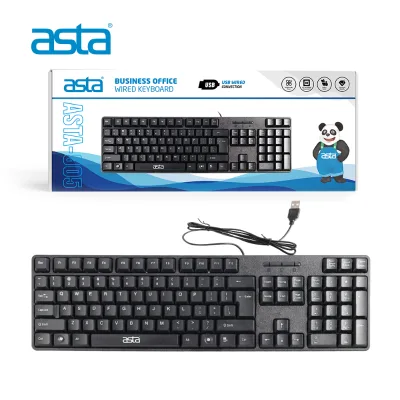
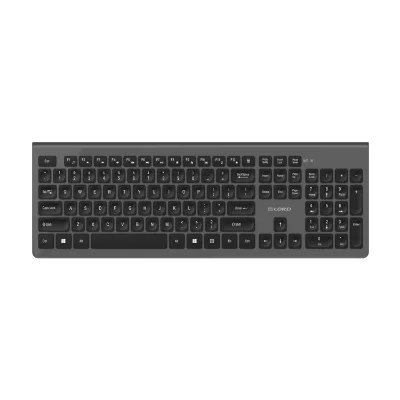
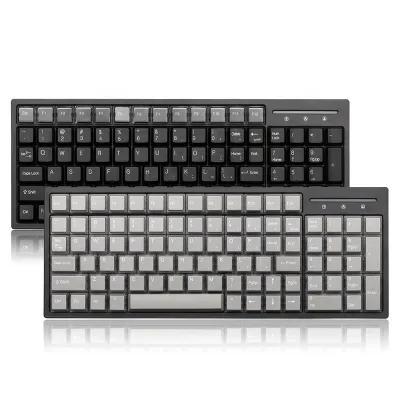
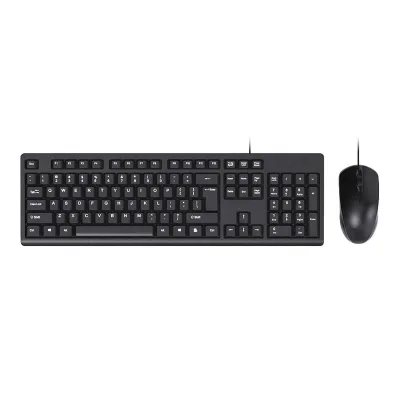
Ergonomic Keyboard Wired USB Keyboard Wired Ergonomic Designkeys Lasered
$6.35 - $6.85
MOQ: 1000 Pieces


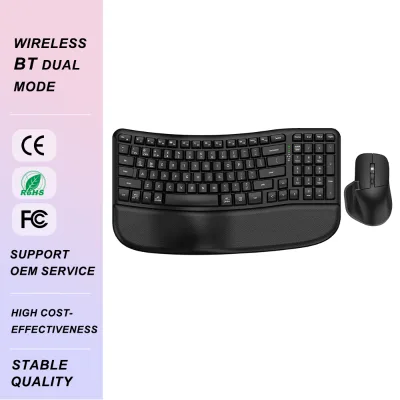


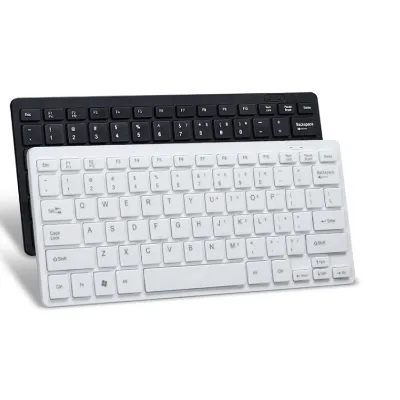
Slim Portable Bluetooth Mini Keyboard with Silent Keys and Ergonomic Angle
$13.07 - $13.57
MOQ: 1000 Pieces






Comprehensive Sourcing Guide
Micro Machined ABS Keyboard Keyset Sourcing Guide
Sourcing micro machined ABS keyboard keysets requires a nuanced understanding of material properties, manufacturing tolerances, and end-user application requirements. The term "micro machined" often implies high-precision molding or post-processing steps that enhance the fit and finish of individual keycaps, which is critical for tactile feedback and durability in high-volume peripheral production. Buyers must distinguish between standard injection-molded ABS keys and those with additional machining or texturing processes that justify premium pricing. This guide focuses on verifying the technical integrity of these components, ensuring they meet the rigorous demands of gaming, multimedia, and general desktop computing environments where consistent actuation and aesthetic uniformity are paramount.
Procurement teams should approach this category with a clear definition of "keyset" versus individual keycaps, as supply chain logistics differ significantly. A complete keyset implies a matched set of legends, colors, and profiles, often requiring strict quality control to prevent batch variations. The observed market signals indicate a wide range of product positioning, from traditional mechanical axes to membrane-based solutions, all utilizing ABS as the primary material. Understanding these distinctions is essential for aligning supplier capabilities with specific product roadmaps, whether the goal is to replace legacy components or introduce new ergonomic designs. This guide provides the framework for evaluating suppliers based on observable data points rather than speculative claims.
Product Scope and Observed Listing Signals
The current market landscape for ABS keyboard components reveals a diverse array of product configurations, primarily driven by the underlying switch technology and intended use case. Observed listings frequently highlight "Gaming" and "MultiMedia" as primary positioning categories, suggesting that buyers should prioritize keysets with enhanced durability and specific ergonomic profiles for these segments. For instance, products labeled with "Gaming" often feature distinct shapes or higher key counts, such as 104 or 106 keys, to accommodate full-sized layouts. In contrast, "MultiMedia" or "Desktop" oriented keysets may focus on compactness or specialized function keys, reflecting the varied needs of different user demographics. Buyers must carefully map these product positioning labels to their specific design requirements to avoid mismatched component sourcing.
Material composition remains a consistent factor across most observed listings, with ABS (Acrylonitrile Butadiene Styrene) cited as the standard material for keycaps due to its balance of cost, durability, and printability. However, some entries also mention TPE (Thermoplastic Elastomer) or other plastics, indicating potential hybrid constructions or alternative material strategies for specific tactile experiences. The presence of "Lasered" keys suggests a preference for permanent, high-contrast legends that resist wear, a critical feature for high-use peripherals. Additionally, the observation of "2021 New Model" attributes indicates a dynamic market where suppliers frequently update designs to incorporate modern aesthetic trends or improved manufacturing techniques. Procurement teams should verify whether these "new models" represent genuine engineering improvements or merely cosmetic updates.
Technical Specifications to Verify
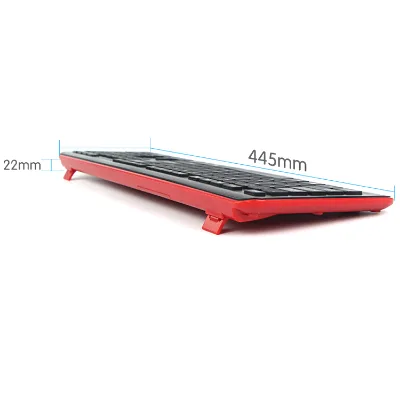
When evaluating technical specifications, the physical dimensions and structural integrity of the keyset are paramount for ensuring compatibility with existing chassis or new product designs. Observed size specifications vary significantly, ranging from compact dimensions like 435mm in length to larger full-size layouts exceeding 450mm. Buyers must verify that the keycap profile, including height and width, matches the intended switch stem type, whether it is a standard mechanical axis or a membrane-compatible design. The mention of "Crater Architecture" and "X-Bracing" in some listings points to specific structural reinforcements that may affect key stability and typing feel. These architectural details should be cross-referenced with supplier technical drawings to ensure they align with performance expectations for tactile response and longevity.
Interface and connectivity considerations, while primarily relevant to the keyboard assembly, also influence keyset design, particularly regarding cable management and overall form factor. Although keysets themselves are passive components, their design must accommodate the overall product interface, such as USB 2.0 connections, which are commonly cited in associated product data. The working principle, whether "Membrane" or "Mechanical," dictates the required key travel and actuation force, which in turn influences the thickness and internal structure of the ABS keycaps. Buyers should request detailed CAD files or physical samples to verify that the keyset dimensions, such as those specified as 452.81211.7330.1mm for certain models, fit precisely within the designated housing without interference.
Compliance and Safety Documentation
Regulatory compliance is a non-negotiable aspect of sourcing electronic peripherals and their components, including ABS keyboard keysets. Observed listings frequently cite CE, RoHS, and FCC certifications, indicating that suppliers are targeting markets with strict environmental and safety standards. Buyers must verify that these certifications are current and applicable to the specific materials used in the keysets, particularly the ABS plastic and any laser-etched inks or coatings. The presence of "CE/ROHS/FCC" standards suggests a baseline level of compliance, but procurement teams should request valid test reports to confirm that the components do not contain restricted substances such as lead, mercury, or cadmium. This verification is crucial for maintaining market access in regions like the European Union and North America.
Beyond regulatory certifications, documentation regarding material safety and durability testing should be requested to ensure long-term product reliability. While specific test results are not provided in the observed data, buyers should inquire about abrasion resistance, chemical resistance, and thermal stability tests for the ABS material. The mention of "Traditional" innovation levels in some listings may imply that suppliers rely on established, proven materials rather than experimental compounds, which can be a positive indicator for consistency. However, buyers should still demand evidence of quality control processes, such as ISO certifications or internal testing protocols, to ensure that each batch of keysets meets the specified standards for color consistency, legend clarity, and structural integrity.
Cost Drivers and Commercial Terms
Understanding the cost drivers for ABS keyboard keysets involves analyzing material costs, manufacturing complexity, and order volume. The observed price range of $0.1 to $20 USD suggests a significant variance based on factors such as key count, customization options, and packaging. High-volume orders typically benefit from economies of scale, reducing the per-unit cost, but buyers must also consider the Minimum Order Quantity (MOQ) requirements, which range from 5 to 1000 units in observed listings. Customization, such as specific color matching or unique legend designs, often incurs additional tooling or setup fees, which should be factored into the total cost of ownership. Buyers should negotiate clear pricing tiers based on volume to maximize cost efficiency.
Commercial terms, including payment methods, lead times, and warranty provisions, play a critical role in the procurement process. Observed data indicates a "6 months" warranty for some products, which is relatively short for electronic components, suggesting that buyers should clarify the scope of this warranty and whether it covers manufacturing defects or material failures. The origin of products, primarily Shenzhen, China, implies established supply chains but also necessitates careful management of logistics and import duties. Buyers should establish clear agreements on packaging standards, such as "Color Box" or "Blister" packaging, to ensure that keysets arrive in pristine condition. Additionally, understanding the production lead times is essential for inventory planning, especially when dealing with customized or high-demand keysets.
Supplier Qualification and Quality Control
Supplier qualification for ABS keyboard keysets requires a thorough assessment of manufacturing capabilities and quality assurance processes. Buyers should prioritize suppliers who demonstrate consistent production standards and have a track record of delivering high-quality components. The observation of "in Stock" status for some products indicates that suppliers may have ready-made inventory, which can reduce lead times but may limit customization options. For customized orders, buyers must verify the supplier's ability to handle tooling changes and maintain tight tolerances during the molding process. Requesting samples from different production batches is essential to assess consistency in color, texture, and legend quality.
Quality control measures should be explicitly defined in the purchase agreement, including acceptance criteria for defects such as flash, warping, or misaligned legends. Buyers should inquire about the supplier's inspection processes, such as automated optical inspection or manual sampling rates, to ensure that defective units are minimized. The mention of "Key Technology" such as "Mechanical Axis" or "X-Bracing" suggests that suppliers may have specialized expertise in certain key designs, which can be a valuable asset for complex projects. However, buyers should also verify that the supplier has the capacity to scale production if demand increases, ensuring that quality does not degrade during high-volume runs. Establishing a clear communication channel for addressing quality issues is also critical for long-term partnership success.
Long-Term Procurement Checks
Long-term procurement success depends on continuous monitoring of supplier performance and market trends. Buyers should establish key performance indicators (KPIs) to track metrics such as on-time delivery, defect rates, and responsiveness to issues. Regular audits of the supplier's quality management system can help identify potential risks before they impact production. Additionally, staying informed about advancements in ABS materials and manufacturing technologies can provide opportunities for cost savings or performance improvements. The dynamic nature of the keyboard market, with frequent model updates and design changes, requires buyers to maintain flexibility in their sourcing strategies to adapt to evolving customer preferences.
Sustainability and ethical sourcing practices are increasingly important considerations for long-term procurement. Buyers should evaluate suppliers' commitments to environmental responsibility, such as the use of recycled materials or energy-efficient manufacturing processes. Verifying compliance with labor standards and ethical sourcing policies is also crucial for maintaining brand reputation and mitigating supply chain risks. By building strong, transparent relationships with suppliers and maintaining rigorous quality standards, buyers can ensure a stable and reliable supply of ABS keyboard keysets that meet both current and future business needs. This proactive approach to procurement management will help secure a competitive advantage in the rapidly evolving peripheral market.
FAQs
What materials are used for the keyset housing?
The keyset housing is primarily constructed from ABS plastic, providing durability and a lightweight profile for desktop and laptop use. Some variants also incorporate TPE materials for specific components. This combination ensures a robust structure suitable for gaming and multimedia applications while maintaining a standard shape and professional finish.
Can the keyboard keyset be customized for branding?
Yes, customization is available for these keyboard keysets to meet specific branding needs. Buyers can request tailored features such as lasered keys or specific color options like black. This flexibility allows businesses to align the product with their corporate identity or specific design requirements while maintaining standard connectivity and interface options.
What interface types are supported by these keyboards?
These keyboards support wired connections via USB interfaces, ensuring stable data transmission for gaming and office tasks. The USB connection type is standard across the models, including specific models like KB-E02 and KB-157. This wired approach eliminates wireless latency, making it ideal for high-performance desktop and tablet applications.
Which certifications do the keyboard products hold?
The keyboard products hold CE, ROHS, and FCC certifications, ensuring compliance with international safety and environmental standards. These certifications verify that the manufacturing processes and materials meet rigorous regulatory requirements. Buyers can rely on these documented standards for importing and distributing the products in global markets without compliance concerns.
What is the typical packaging for these keyboards?
The typical packaging for these keyboards includes color boxes or blister packs, designed to protect the product during shipping. This packaging method ensures the keyboard remains secure and presentable upon arrival. The specific packing type may vary slightly by model, but it consistently provides adequate protection for the ABS plastic housing and internal components.
Are these keyboards suitable for gaming applications?
Yes, these keyboards are explicitly designed for gaming applications, featuring specialized key technologies and layouts. Models like KB-M088Z utilize mechanical axes for enhanced tactile feedback, while others use membrane principles for quiet operation. The gaming positioning is supported by durable ABS construction and wired USB connections for reliable performance during intense sessions.