Source Microfiber Cloth Non-Slip Golf Glove for Travel, Racing, and Indoor Sports
Find and compare 30 listings for the Microfiber Cloth Non-Slip Golf Glove, featuring PU and Cabretta leather options. Evaluate specifications like anti-slip features, customization availability, and packaging details to select the right supplier for your needs; compare the available evidence and request quotations based on your requirements.
Key considerations
Products List




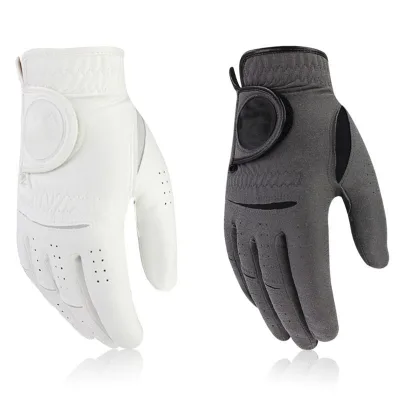
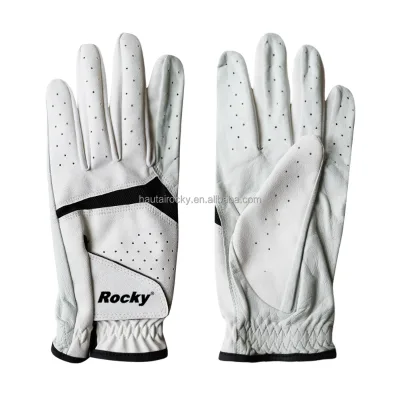

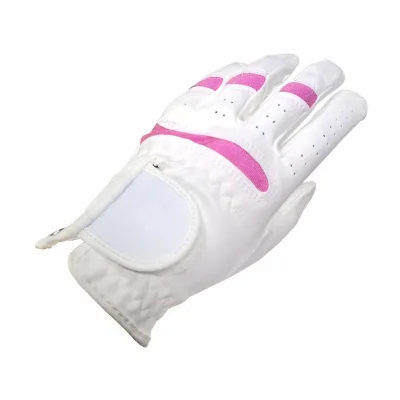
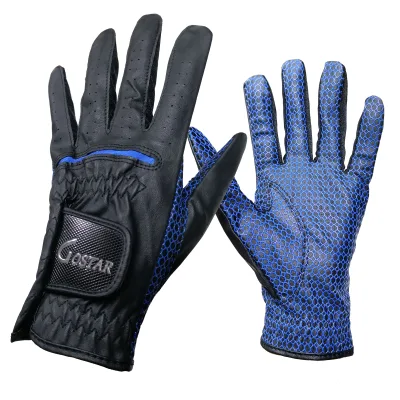


Comprehensive Sourcing Guide
Microfiber Cloth Non-Slip Golf Glove Sourcing Guide
Sourcing microfiber cloth non-slip golf gloves requires distinguishing between synthetic leather alternatives and genuine performance materials. The observed market data indicates a diverse range of materials, including PU synthetic leather and Cabretta leather, which serve different grip and durability needs. Buyers must verify if the specific microfiber blend offers the necessary moisture-wicking properties for outdoor play or if the listed PU material is intended for indoor training or promotional use.
Procurement decisions should also account for the varied application contexts observed in listings, ranging from professional golf courses to travel and entertainment scenarios. While some products are explicitly designed for golf sports and club handling, others list broader uses like racing or general hand protection. This distinction is critical, as a glove optimized for high-friction racing may lack the specific breathability required for extended rounds on a golf course, necessitating a careful review of the intended usage before placing bulk orders.
Product Scope and Observed Listing Signals
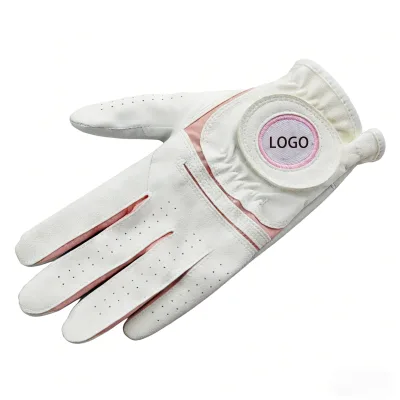
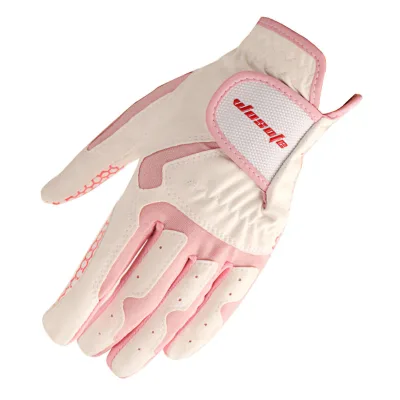
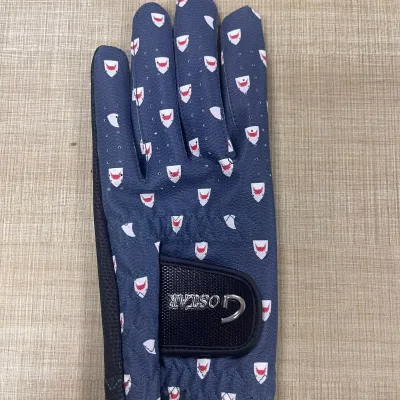
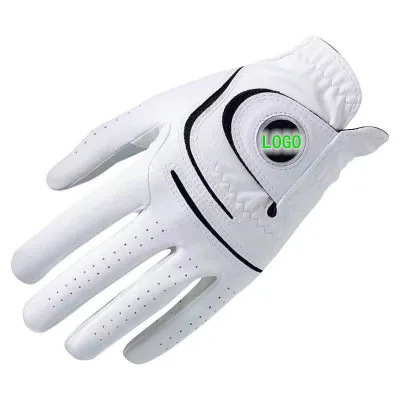
The current market landscape for these gloves presents a wide spectrum of customization options, with many suppliers offering custom logos, colors, and packaging. Listings frequently highlight features such as anti-slip textures, lightweight construction, and softness, which are essential for maintaining a secure grip during play. However, the presence of "custom" branding and variable material descriptions suggests that buyers must scrutinize each listing to ensure the specific glove model matches their performance requirements rather than assuming all microfiber options are identical.
Packaging and logistics signals also vary significantly across the available inventory, with options ranging from simple polybags to customized paper boxes and hangtags. Some suppliers indicate specific single package dimensions and weights, which directly impact shipping costs and storage efficiency for the buyer. Understanding these logistical details is vital for accurate cost modeling, as the difference between a standard polybag and a premium custom box can alter the final landed cost and the perceived value of the product for end consumers.
Technical Specifications to Verify
Buyers must rigorously verify the material composition, as the data shows a mix of PU synthetic leather and Cabretta leather, each offering distinct tactile and functional properties. While microfiber is often associated with softness and grip, the specific type of synthetic or leather used determines the glove's longevity and resistance to wear. It is essential to confirm whether the listed material is a true microfiber blend or a standard PU coating, as this distinction affects the glove's ability to absorb sweat and maintain friction during intense physical activity.
Dimensional and structural specifications, such as finger length and size availability, are equally critical for ensuring a proper fit for the target demographic. The observed data includes specific sizes like "M" and mentions of full-finger designs, but buyers should request detailed size charts to accommodate different hand shapes. Additionally, verifying the processing methods, such as dyeing or printing techniques, ensures that the decorative elements will not compromise the structural integrity or the anti-slip performance of the glove's palm area.
Compliance and Safety Documentation
Safety and compliance documentation should be a primary focus, particularly when sourcing products intended for direct skin contact during sports activities. The observed listings reference standards such as CE and REACH, which are relevant for products entering the European market, but buyers must confirm that these certifications apply specifically to the microfiber or leather components used in the glove. Relying on general compliance claims without verifying the specific test reports for the finished product can lead to regulatory hurdles and potential recalls in stricter markets.
Beyond regulatory standards, buyers should also investigate the safety of the adhesives and dyes used in the customization process. Some listings mention custom drop glue or embroidery for logos, which introduces additional chemical components that must be non-toxic and skin-safe. Ensuring that the printing and bonding processes adhere to international safety guidelines is necessary to prevent allergic reactions or skin irritation for athletes, especially given the prolonged contact these gloves maintain with the hands during play.
Cost Drivers and Commercial Terms
Commercial terms and cost drivers are heavily influenced by the level of customization and the complexity of the supply chain. The data indicates that logo customization often incurs a one-time charge, and sample costs can vary, which adds to the initial investment before mass production begins. Buyers need to calculate the total cost of ownership by factoring in these setup fees, the MOQ requirements, and the potential for volume discounts, as the base price of the glove may not reflect the true cost of a fully branded, custom-designed product.
Lead times and turnaround periods are another significant factor affecting procurement planning, with some suppliers citing turnaround times of up to 30 work days for custom orders. This duration includes the time required for sampling, approval, and production, which can delay market entry if not managed correctly. Buyers should negotiate clear delivery schedules and understand the impact of shipping methods, such as air, sea, or express freight, on the overall timeline and budget to ensure that inventory arrives in time for peak selling seasons.
Supplier Qualification and Quality Control
Supplier qualification should extend beyond basic product listings to include a thorough assessment of their manufacturing capabilities and quality control protocols. The observed data mentions various processing methods and packaging options, but buyers must verify if the supplier has consistent quality control measures in place to ensure that every glove meets the specified anti-slip and durability standards. Requesting pre-shipment inspections or third-party quality reports can help mitigate the risk of receiving substandard products that fail to perform as expected during actual use.
Quality control also involves verifying the consistency of the customization process, such as the precision of embroidery or the durability of printed logos. Since many listings offer custom colors and designs, it is crucial to ensure that the color fastness and print adhesion meet industry standards to prevent fading or peeling after repeated washing or use. Establishing a clear quality agreement with the supplier that defines acceptable defect rates and remediation procedures is essential for maintaining brand reputation and customer satisfaction.
Long-Term Procurement Checks
Long-term procurement success depends on establishing a reliable supply chain that can adapt to changing market demands and volume fluctuations. Buyers should evaluate the supplier's capacity to scale production without compromising quality or lead times, as the observed MOQ ranges from 50 to 500 pieces, indicating flexibility that can be leveraged for initial orders and future growth. Building a strategic partnership with a supplier who demonstrates reliability and responsiveness is key to maintaining a steady flow of high-quality golf gloves.
Continuous monitoring of product performance and customer feedback is also necessary to ensure the gloves continue to meet user expectations over time. As the market evolves, buyers should regularly review the material specifications and feature sets to ensure they remain competitive against new innovations in golf equipment. By maintaining open communication with suppliers and staying informed about industry trends, buyers can proactively adjust their sourcing strategies to secure the best value and performance for their specific market needs.
FAQs
What materials are used for these golf gloves?
The gloves are crafted from PU synthetic leather and Cabretta leather. These materials provide a soft, durable, and anti-slip grip. The PU variant offers lightweight comfort, while Cabretta leather ensures superior touch and control. Both options are suitable for indoor and outdoor golf sports, ensuring reliable performance across various playing conditions.
Can I customize the logo and packaging?
Yes, customization is available for both logo and packaging. You can choose drop glue, embroidery, or printing for the logo, with a one-time charge. Customized packaging is accepted, including paper boxes or hangtags. This allows you to brand the gloves effectively for your specific market needs while maintaining high-quality presentation standards.
What is the minimum order quantity for these gloves?
The minimum order quantity is 50 pieces. This MOQ applies to the standard customization options. Buyers should note that samples are available for quality verification before placing bulk orders. Meeting the MOQ ensures efficient production scheduling and cost-effective pricing for your specific glove specifications and chosen material type.
How long does production take?
The turnaround time is 30 work days. This duration covers the manufacturing process after order confirmation and sample approval. Buyers should plan their inventory accordingly to avoid delays. The lead time ensures quality control checks are performed, guaranteeing that each glove meets the specified anti-slip and durability standards before shipment.
Are these gloves suitable for unisex use?
Yes, the gloves are designed for unisex use. They are available in standard sizes like M, catering to both men and women. The anti-slip feature and soft material ensure a comfortable fit for various hand sizes. This versatility makes them ideal for general golf sports, travel, and entertainment applications without gender restrictions.
What certifications do the gloves have?
The gloves comply with CE and REACH standards. These certifications ensure the materials are safe for direct skin contact and meet European regulatory requirements. Buyers can rely on these standards for quality assurance. The compliance supports global sourcing needs, ensuring the products are suitable for international markets and adhere to strict safety guidelines.