Source Microfiber Car Cleaning Brush for Cars Windows and Frames
Source a Microfiber Car Cleaning Brush from 30 verified suppliers offering various sizes and colors. Compare specifications, pricing, and customization options for car, window, and picture frame cleaning needs.
Key considerations
Products List




Comprehensive Sourcing Guide
Strategic Sourcing Guide for Microfiber Car Cleaning Brushes
Understanding Product Variants and Technical Specifications
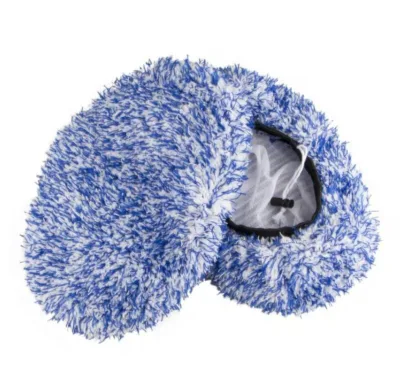
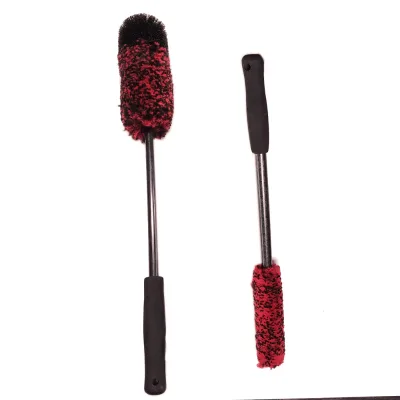
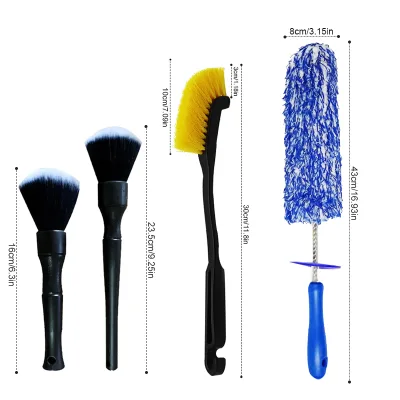
The procurement of microfiber car cleaning brushes requires a nuanced understanding of the diverse specifications available in the current market. Based on observed product data, the category encompasses a wide range of configurations, from simple single-item units to bulk-packaged industrial solutions. A critical observation in the current supply landscape is the variance in model numbers and physical dimensions, which directly impacts the suitability of the product for specific cleaning tasks. For instance, specific models such as the QM2024-68 and QM2030 are documented with distinct standard sizes, such as 17x10x3cm and 22x12x5.5cm respectively, while other variants like the TOP-CWB and TOP-WDB offer dimensions ranging from 9x13x39cm to 3.5x9x20cm.
When evaluating technical specifications, buyers must distinguish between the brush head material and the handle construction. The core material for high-performance cleaning is often identified as microfiber, which is essential for trapping dust and debris without scratching vehicle paint. However, the pole or handle material varies significantly; some units utilize plastic poles, while others feature extensible handle types designed for reaching high or difficult areas. The shape of the brush head is another critical technical attribute, with observations noting both square and 8-square configurations. These geometric differences influence the surface area coverage and the ability to clean intricate contours on a vehicle's body. Furthermore, the single package size can vary from compact 25x25x25 cm units to larger bulk packaging configurations, affecting logistics planning and storage requirements.
Compliance, Certification, and Material Standards
In the B2B procurement of cleaning tools, verifying material composition and adherence to safety standards is paramount. While specific certification labels are not universally present in all product listings, buyers must rigorously verify the material claims. The supply data indicates that some products are explicitly manufactured using microfiber, whereas others are categorized under "other" materials, necessitating a request for detailed material composition sheets. For products claiming to be eco-friendly, buyers should seek evidence of sustainable manufacturing processes or specific environmental certifications, as the "Eco-Friendly" attribute is listed as a feature for certain models.
Standardization in this sector often revolves around dimensional accuracy and safety. Observed standards indicate that products may adhere to specific size requirements, such as 30x30cm, 30x40cm, or 60x160cm for larger units, with the caveat that these are often "according to your requirements." This suggests a high degree of customization potential, but it also implies that buyers must provide precise specifications to ensure the final product meets their operational needs. Additionally, the origin of the products is a significant factor in compliance; observed data points to manufacturing locations in Hebei, Shanghai, and Anqing, all within China. Buyers should verify that the production facilities in these regions comply with international labor and safety standards, particularly if the procurement is for markets with strict regulatory environments. The "Customized" attribute appearing in multiple listings indicates that suppliers are capable of tailoring products, but this requires clear communication of all compliance requirements during the design phase.
Cost Drivers and Pricing Dynamics
The pricing structure for microfiber car cleaning brushes is influenced by several dynamic factors, including material quality, customization levels, and order volume. The observed price range in the market spans from $0.30 to $5.50 USD, a broad spectrum that reflects the diversity in product quality and features. Lower-priced items in this range often correspond to basic configurations with standard materials and minimal customization, while higher-priced units likely incorporate premium microfiber blends, specialized handle mechanisms, or complex packaging solutions.
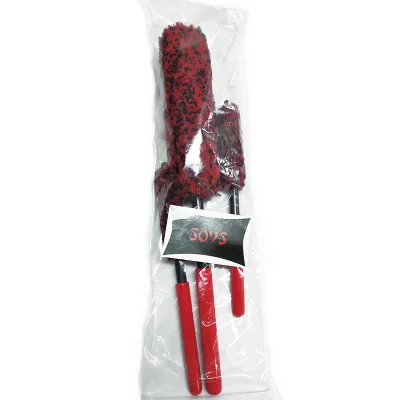
Minimum Order Quantity (MOQ) is another significant cost driver. The observed MOQ range extends from 10 units to 5,000 units, indicating that suppliers cater to both small-scale retailers and large-scale distributors. For buyers seeking to minimize upfront capital expenditure, suppliers with lower MOQs are advantageous, though the unit cost may be higher. Conversely, larger orders typically leverage economies of scale, reducing the per-unit cost but requiring greater inventory management capabilities. The packaging method also impacts cost; products are listed with packing configurations such as 100PCS/CTN, 200PCS/CTN, or 144PCS/CTN. Bulk packaging reduces shipping costs per unit but requires adequate warehouse space. Furthermore, the "Customized" attribute often incurs additional costs for mold development or setup fees, which should be factored into the total cost of ownership. Buyers must balance the trade-off between unit price, MOQ, and customization fees to optimize their procurement budget.
Typical Applications and Usage Scenarios
Microfiber car cleaning brushes are designed for a variety of applications, extending beyond simple vehicle washing. The primary usage category is clearly identified as "Car," encompassing tasks such as dusting, waxing, and general surface cleaning. However, the versatility of these tools is evident in the diverse usage labels found in the market, which include "Window," "Picture Frame," and "Computer." This suggests that the same product line can be marketed for automotive detailing, household cleaning, and electronics maintenance.
The specific design features of the brushes align with these varied applications. For instance, brushes with extensible handles are particularly suited for cleaning car windows or high vehicle surfaces where reach is a constraint. The "Easily Cleaned" feature is crucial for professional detailers who require tools that can be quickly sanitized and reused without retaining dirt or chemicals. The color options, ranging from Blue, Green, and Yellow to Multicolor and specific combinations like Purple and Orange, allow for color-coding strategies in professional settings. For example, a detailer might use red brushes for wheels and blue brushes for paintwork to prevent cross-contamination. The "Square" and "8 Square" shapes are particularly effective for cleaning flat surfaces like hoods and trunks, while the microfiber material ensures a streak-free finish on glass and polished surfaces.
Supplier Evaluation and Origin Verification
Evaluating suppliers in the Microfiber Car Cleaning Brush sector requires a careful analysis of their origin, brand identity, and operational capabilities. The supply data indicates a concentration of manufacturers in China, specifically in provinces like Hebei, Shanghai, and Anqing. While these regions are known for manufacturing, buyers must verify the specific capabilities of each supplier. The presence of brand names such as "dy" and "Super Clean" suggests that some suppliers offer branded products, while others may operate as OEM manufacturers.
When assessing a supplier, buyers should prioritize those who demonstrate flexibility in customization. The repeated mention of "Customized" and "Customization: Available" indicates that many suppliers are willing to adapt product specifications, colors, and packaging to meet buyer requirements. However, the "Non-Customized" attribute in some listings suggests that a segment of the market offers standard, off-the-shelf products. Buyers should clarify which category they are engaging with to avoid misunderstandings regarding lead times and minimum order quantities. Additionally, the "Single gross weight" of 1.900 kg for certain units provides a baseline for logistics planning, but buyers must confirm if this weight applies to the product alone or includes packaging. Verifying the supplier's ability to meet specific standard requirements, such as the noted sizes of 17x10x3cm or 30x30cm, is essential to ensure the product fits the intended application.
Quality Control and Long-Term Procurement Considerations
Ensuring consistent quality in microfiber car cleaning brushes is vital for maintaining brand reputation and customer satisfaction. Quality control measures should focus on the integrity of the microfiber material, the durability of the handle, and the consistency of the brush shape. Buyers should request samples to test the "Easily Cleaned" feature and verify that the microfiber does not shed excessively during use. The "Type" classification, such as "Car Duster" or "Car cleaning brush," should be matched against the actual physical product to ensure it meets the functional requirements of the intended use.
For long-term procurement, establishing a reliable supply chain is crucial. The variability in "prod_model" numbers, such as TOP-CCT, TOP-CWB, and TOP-CCD, suggests a complex product portfolio. Buyers should work with suppliers who can maintain consistency in model specifications over time to avoid disruptions in their operations. The "Selling Units" being listed as "Single item" for some products and "100PCS/CTN" for others highlights the need for clear communication regarding packaging and delivery terms. Furthermore, the "Age" attribute listed as "Adult" implies that these tools are designed for general adult use, but buyers should ensure that the ergonomics and weight are suitable for the intended workforce. Finally, considering the "Customized" nature of many products, buyers should establish clear agreements on design changes, lead times for custom orders, and quality assurance protocols to ensure that long-term partnerships remain productive and profitable.
FAQs
What materials are used for microfiber car cleaning brushes?
Some products are explicitly manufactured using microfiber material, while others are categorized under other materials. Buyers must verify the specific material composition to ensure it meets cleaning requirements without scratching surfaces.
Which customization options are available for these brushes?
Customization is available for many models, allowing for tailored sizes and colors. However, some listings indicate non-customized options, so buyers must clarify if they need a standard off-the-shelf product or a tailored solution.
How do product dimensions vary across different models?
Dimensions vary significantly, with specific models like QM2024-68 measuring 17x10x3cm and others like TOP-CWB measuring 9x13x39cm. Larger units can reach sizes such as 30x60cm or 60x160cm depending on the standard requirements.
Can buyers find brushes with extensible handles?
Yes, certain models feature extensible handle types designed for reaching high or difficult areas. These are particularly suitable for cleaning car windows or high vehicle surfaces where standard reach is insufficient.
What is the typical price range for these cleaning tools?
The observed price range spans from 0.30 to 5.50 USD, reflecting diversity in quality and features. Lower prices often correspond to basic configurations, while higher prices may include premium microfiber blends or specialized mechanisms.
Where are these products typically manufactured?
Manufacturing locations include Hebei, Shanghai, and Anqing in China. Buyers should verify that production facilities in these regions comply with relevant international labor and safety standards.
What are the minimum order quantities for bulk purchases?
The observed MOQ range extends from 10 units to 5000 units, catering to both small retailers and large distributors. Lower MOQs may have higher unit costs, while larger orders leverage economies of scale.
How are these brushes typically packaged for shipping?
Packaging configurations vary, with options such as 100PCS/CTN, 200PCS/CTN, or 144PCS/CTN. Some units are sold as single items with a gross weight of 1.900 kg, affecting logistics planning.