Source Microwave Safe Ceramic Dinnerware for Hotels, Homes, and Restaurants
Find 30 Microwave Safe Ceramic Dinnerware options including plates and bowls. Compare glazed porcelain designs, CE/FDA certifications, and OEM customization services for daily use kitchenware. Explore multicolor and unicolor styles suitable for oven, microwave, and dishwasher use. Select from stock items or request custom logo and package solutions for restaurants, hotels, and cafes.
Key considerations
Products List


Hand Painted Dinnerware Ceramic Dinner Dishes Microwave Safe Plates Tableware Set
$2.16 - $3.74
MOQ: 500 Pieces


Microwave Safe Ceramic Cups and Modern Dinnerware Sets for Home Kitchen
$5.00 - $10.00
MOQ: 500 Pieces


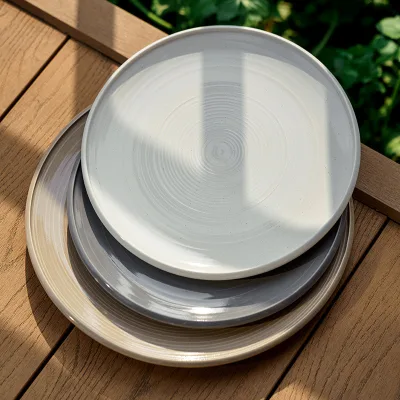
Microwave Safe Ceramic Plate Custom Stoneware Plate Round White Porcelain Dinner Plate
$0.50 - $1.00
MOQ: 5000 Pieces


Fine Porcelain Kitchenware Microwave Safe Japanese Style Ceramic Dinnerware with FDA LFGB
$0.30 - $5.00
MOQ: 5000 Pieces




Comprehensive Sourcing Guide
Microwave Safe Ceramic Dinnerware Sourcing Guide
Procuring microwave-safe ceramic dinnerware requires distinguishing between general ceramic products and those specifically engineered for thermal cycling. The observed market data indicates a diverse range of offerings, from standard porcelain plates to specialized bone china sets, all originating primarily from manufacturing hubs in Guangdong and Zhangzhou, China. Buyers must verify that the specific glaze and clay body composition can withstand rapid temperature changes without cracking or releasing harmful substances, as not all glazed ceramics are inherently suitable for microwave use.
The sourcing landscape reveals significant variation in customization capabilities and production methods, with many suppliers offering handmade or glazed techniques alongside stock items. While some listings highlight eco-friendly features and non-disposable durability, others focus on specific model numbers like CP-HLSJ-029 or 15282, suggesting a need for precise model verification. Procurement teams should prioritize suppliers who explicitly confirm microwave compatibility for their specific product lines rather than assuming general ceramic properties apply to all items in a catalog.
Product Scope and Observed Listing Signals
The current market inventory for ceramic dinnerware spans various functional categories, including daily use plates, bowls, and specialized bakeware suitable for ovens, microwaves, and dishwashers. Listings frequently describe materials as a combination of ceramic and porcelain, with some specific entries noting new bone china as a premium option. Buyers should note that while many products are marketed as eco-friendly and stocked, the physical attributes such as irregular shapes or multicolor finishes may impact their suitability for specific commercial or residential applications.
Observations of product listings show a wide spectrum of customization options, ranging from non-customized stock items to fully bespoke solutions involving logo, size, and design modifications. The data indicates that suppliers often accept OEM and ODM requests, with specific minimum order quantities varying significantly based on the type of customization, such as 300 pieces for logo printing or 500 to 1000 pieces for custom packaging. This variability necessitates a clear definition of requirements early in the sourcing process to align with supplier capabilities and avoid unnecessary delays in production.
Technical Specifications to Verify
Technical verification must begin with the material composition, specifically confirming whether the product utilizes standard porcelain, bone china, or other ceramic blends that ensure thermal stability. The observed data highlights that while many items are glazed, the specific firing temperature and glaze formulation are critical for microwave safety, as improper glazing can lead to discoloring or cracking under heat. Buyers should request detailed technical sheets that explicitly state the thermal shock resistance of the clay body and the lead/cadmium leaching limits of the glaze to ensure long-term durability.
Further scrutiny is required regarding the physical dimensions and structural integrity of the dinnerware, as specifications like the 8-inch plate standard or multi-size offerings may not uniformly meet safety thresholds. The presence of features such as oven and freezer suitability suggests a robust construction, yet the irregular shapes noted in some listings may present uneven heating risks in microwave environments. Procurement teams must validate that the specific model numbers, such as RYS0004543 or 5411, have been tested for the intended thermal applications to prevent product failure during consumer use.
Compliance and Safety Documentation
Safety compliance is paramount when sourcing microwave-safe ceramics, with certifications serving as the primary evidence of regulatory adherence. The observed market data confirms that many suppliers provide CE/EU, FDA, and CIQ certifications, which are essential for verifying that the products meet international safety standards for food contact materials. Buyers must ensure that the certification documents are current and specifically cover the ceramic composition and glaze used in the final product, rather than relying on generic company certifications that may not apply to the specific item being purchased.
Documentation should also include detailed test reports regarding thermal stability and the absence of harmful substances like lead and cadmium, which can leach into food during heating. While some listings mention eco-friendly attributes, these claims must be backed by verifiable data regarding the manufacturing process and raw material sourcing. Procurement teams should require suppliers to provide batch-specific test results that align with the intended usage, ensuring that the dinnerware is safe for repeated use in high-temperature environments without degrading or posing health risks.
Cost Drivers and Commercial Terms
Cost structures for ceramic dinnerware are heavily influenced by the complexity of the manufacturing process, particularly the distinction between handmade and machine-produced items. The observed data indicates that customization, such as specific logos or unique packaging designs, introduces additional costs that can significantly alter the unit price. Buyers should anticipate that premium materials like bone china or specialized glazes will command higher prices compared to standard porcelain, and these cost differences must be factored into the total landed cost calculation.
Commercial terms vary widely among suppliers, with payment structures ranging from deposit-based models to sight letters of credit and Western Union transfers. The minimum order quantities observed in the market span from single units to thousands of pieces, directly impacting the per-unit cost and the feasibility of small-batch procurement. Buyers must negotiate clear terms regarding packaging, such as standard export cartons or bulk packaging, and ensure that these terms align with their logistics capabilities to avoid unexpected shipping expenses or damage during transit.
Supplier Qualification and Quality Control
Supplier qualification should focus on verifying the manufacturing location and the consistency of their production processes, as origins in Chazhou and Zhangzhou represent key ceramic manufacturing hubs. Buyers must assess the supplier's ability to maintain quality control across different production runs, especially when dealing with handmade items that may exhibit natural variations in shape and color. The presence of OEM and ODM capabilities suggests a flexible production environment, but this flexibility must be balanced with rigorous quality assurance protocols to ensure product uniformity.
Quality control measures should include pre-shipment inspections that verify the physical integrity of the dinnerware, checking for cracks, chips, or glaze defects that could compromise microwave safety. Suppliers offering samples, such as OEM samples, provide an opportunity to validate the product quality before committing to a large order. Procurement teams should establish clear acceptance criteria based on the observed specifications, ensuring that the final delivered goods match the approved samples in terms of material, finish, and functional performance.
Long-Term Procurement Checks
Sustaining a successful procurement relationship requires ongoing monitoring of product performance and supplier reliability over time. Buyers should implement a system for tracking product returns or complaints related to thermal failure, discoloring, or other defects that may indicate a degradation in quality control. Regular audits of the supplier's production facilities and quality management systems can help identify potential issues before they escalate, ensuring that the dinnerware remains safe and durable for long-term use.
Market dynamics and regulatory requirements may evolve, necessitating periodic re-verification of certifications and compliance documentation. Buyers should maintain open communication channels with suppliers to stay informed about any changes in raw material sourcing or manufacturing techniques that could impact product safety. By establishing a proactive approach to supplier management, organizations can ensure a steady supply of high-quality, microwave-safe ceramic dinnerware that meets both current standards and future regulatory expectations.
FAQs
How can I confirm Microwave Safe Ceramic Dinnerware before ordering?
Ask suppliers for glaze composition and test documentation confirming microwave suitability for each design. Most fully glazed porcelain and ceramic plates without metallic decoration are microwave compatible. Request samples and test them by heating for one minute, checking for cracking or overheating. Listings with CE/EU, FDA, or CIQ certification provide additional assurance of food-contact safety.
What customization options exist for Microwave Safe Ceramic Dinnerware?
Typical customization includes logo printing, custom sizes, designs, and packaging. Some listings state logo customization starts around 300 pieces and custom packaging around 500 to 1000 pieces. Handmade, glazed ceramic and porcelain dinnerware can usually be adapted to your specifications. Confirm each supplier's exact thresholds, sample policy, and artwork requirements before placing a production order.
Which certifications should Microwave Safe Ceramic Dinnerware suppliers hold?
Look for CE/EU, FDA, and CIQ certification depending on your destination market. FDA matters for the United States, CE/EU for Europe, and CIQ for China inspection compliance. Not every listing carries all three, so verify certificates match the exact product model. Ask for test reports on lead and cadmium release for glazed surfaces used with food.
What is the typical MOQ range for ceramic dinnerware orders?
Observed minimum order quantities range widely, from as low as 1 piece for sample or trial orders up to 5000 pieces for bulk production runs. Standard stock items often carry lower MOQs, while customized designs with logo or special packaging require higher volumes. Always confirm the MOQ per item, per color, and per size combination with each supplier directly.
Can Microwave Safe Ceramic Dinnerware also go in the dishwasher, oven, and freezer?
Many glazed porcelain and ceramic dinnerware items are suitable for oven, microwave, dishwasher, and freezer use. This makes them practical for restaurant, hotel, cafe, and event rental service. However, suitability depends on each specific product's glaze and body composition. Check the product's stated use specifications and request confirmation in writing before ordering in bulk.
How is ceramic dinnerware packed for export shipping?
Common packing methods include standard export cartons, bulk packaging, and carton boxes with interior protection. Fragile ceramic and porcelain items typically use dividers or bubble wrap within export-grade cartons. Confirm whether packing is quoted under FOB terms and what materials are included. Custom packaging is often available but may carry a higher minimum order quantity than standard cartons.
What payment terms do ceramic dinnerware suppliers usually accept?
Commonly listed payment terms include T/T with a 30 to 50 percent deposit, DP at sight, LC at sight, and Western Union. T/T deposit terms are most typical for customized production, while letter of credit suits larger orders. Confirm which terms apply to your order value and destination. Agree on deposit percentage and balance timing before production begins.
Where is Microwave Safe Ceramic Dinnerware mainly produced in China?
Listed product origins include Chazhou in Guangdong province and Zhangzhou, both established ceramic production regions in China. These areas host many handmade and glazed porcelain dinnerware factories serving daily use and hospitality markets. Sourcing from these clusters gives you more supplier options and competitive pricing. Compare several factories on certifications, customization ability, and export experience.