Source Microwave Safe CPET Tray for Food Storage and Catering
Compare 28 Microwave Safe CPET Tray options from verified suppliers. These disposable containers feature varying capacities and dimensions suitable for food storage, catering, and fruit packaging applications. Buyers can review custom sizes, weights, and packing details to find the right solution for their specific needs.
Key considerations
Products List

Microwave Oven Freezer Safe Durable Cpet Food Tray
$0.05 - $0.10
MOQ: 50000 Pieces
JIANGSU JINCAI POLYMER MATERIALS SCIENCE AND TECHNOLOGY CO., LTD.


Dual Ovenable and Microwaveable Cpet Food Trays
$0.05 - $0.10
MOQ: 50000 Pieces
JIANGSU JINCAI POLYMER MATERIALS SCIENCE AND TECHNOLOGY CO., LTD.
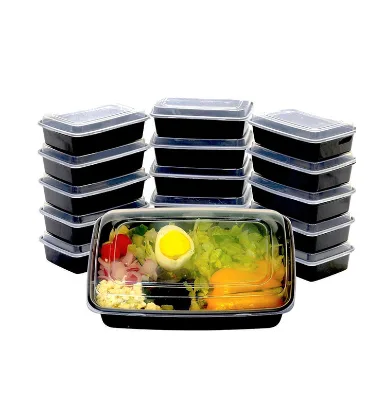


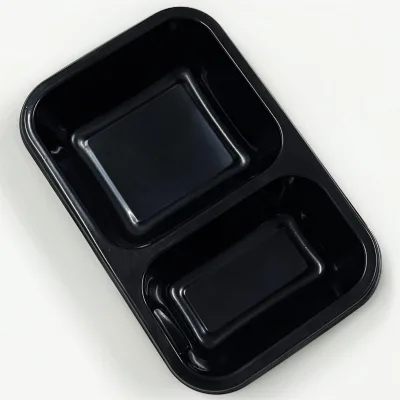
Plastic Cpet Black Food Tray Cpet Food Tray 2 Compartments Microwave Safe
$0.03 - $0.03
MOQ: 100000 Pieces




Comprehensive Sourcing Guide
Microwave Safe CPET Tray Sourcing Guide
Sourcing microwave-safe CPET trays requires a disciplined approach to material verification and supplier transparency. These containers are engineered for direct microwave heating, offering a distinct advantage over standard plastic alternatives by maintaining structural integrity under thermal stress. Buyers must prioritize suppliers who explicitly define their material composition as CPET, ensuring the product meets the rigorous demands of reheating food without warping or leaching harmful substances. The procurement process begins with a clear understanding of the specific thermal and mechanical properties inherent to this polymer blend, which combines the durability of PET with the heat resistance of PETG.
This guide outlines the critical steps for evaluating potential suppliers, verifying technical specifications, and ensuring compliance with food safety standards. By focusing on observable listing signals and concrete technical data, buyers can mitigate the risks associated with low-quality imports. The following sections provide a structured framework for assessing product scope, technical parameters, compliance documentation, cost structures, supplier qualifications, and long-term procurement strategies. This systematic approach ensures that the final selection aligns with both operational requirements and regulatory obligations, providing a reliable supply chain for food service applications.
Product Scope and Observed Listing Signals
The market for microwave-safe CPET trays presents a diverse range of configurations, primarily characterized by single-compartment designs suitable for individual meal portions. Observed listings indicate capacities ranging from 10 oz to 27 oz, with dimensions varying to accommodate different food volumes and packaging efficiencies. For instance, specific models feature dimensions around 8.50 x 6.46 x 1.50 inches, while others are sized at 6.30 x 3.94 x 1.30 inches, reflecting the need for versatile packaging solutions. These variations allow buyers to select trays that optimize shelf space and align with specific portion control strategies, ensuring that the packaging enhances the overall consumer experience without compromising functionality.
Customization is a prevalent feature in this category, with many suppliers offering tailored solutions for branding and dimensional requirements. Listings frequently highlight options for custom colors, such as black or white, and the ability to adjust weight and packaging specifications to meet unique logistical needs. The presence of terms like "Custom" and "Costom" in product descriptions suggests a high degree of flexibility in manufacturing processes, allowing businesses to align packaging with their brand identity. Buyers should leverage these customization options to create a cohesive product line, ensuring that the packaging not only protects the food but also reinforces brand recognition in a competitive market.
Technical Specifications to Verify
Verifying the technical specifications of CPET trays is essential to ensure they meet the intended use cases, particularly regarding microwave safety and thermal stability. Key parameters to confirm include the material structure, which should be explicitly stated as CPET, and the thickness, which influences durability and heat resistance. For example, some listings specify a thickness of 0.3 mm, a critical factor in preventing leakage or deformation during heating. Additionally, buyers should examine the single package size and gross weight to assess handling efficiency and shipping costs, ensuring that the packaging aligns with logistical constraints and minimizes waste during transportation and storage.
Dimensional accuracy and capacity are equally important, as they directly impact the user experience and food safety. Buyers must verify that the stated dimensions, such as 24024042mm or 8.46 x 6.46 x 1.50 inches, match the physical product to avoid discrepancies in packaging machinery or consumer expectations. Furthermore, the carton size and packing quantity, such as 450/600 pieces per carton, should be confirmed to optimize inventory management and reduce handling errors. By meticulously reviewing these technical details, buyers can ensure that the selected trays provide consistent performance and reliability, reducing the risk of product failures in the field.
Compliance and Safety Documentation
Compliance with food safety standards is non-negotiable when sourcing microwave-safe CPET trays, as these products come into direct contact with food items. Buyers must request and verify relevant certifications, such as FDA approval, which indicates that the materials meet the stringent safety requirements for food contact in the United States. Additionally, suppliers should provide documentation confirming that the trays are free from harmful chemicals and are suitable for microwave use, ensuring that no toxic substances migrate into the food during heating. This verification process is critical for maintaining consumer trust and avoiding regulatory penalties, as non-compliant products can pose significant health risks and legal liabilities.
Beyond initial certifications, buyers should inquire about the supplier's quality management systems and testing protocols. While ISO 22000 is a recognized standard for food safety management, its applicability should be confirmed on a case-by-case basis, as not all suppliers may hold this certification. Buyers should also ask for test reports that demonstrate the trays' resistance to high temperatures and their ability to maintain structural integrity under microwave conditions. By demanding comprehensive safety documentation, buyers can ensure that their supply chain is robust and compliant, protecting both their brand reputation and consumer health from potential risks associated with substandard packaging materials.
Cost Drivers and Commercial Terms
Understanding the cost drivers associated with CPET trays is crucial for effective budgeting and negotiation. Key factors influencing price include the material quality, customization requirements, and order volume. Customization, such as specific dimensions, colors, or branding, can increase production costs due to the additional setup and processing steps involved. Similarly, smaller order quantities may result in higher per-unit costs due to fixed production expenses, while larger volumes can leverage economies of scale to reduce prices. Buyers should carefully evaluate these variables to determine the most cost-effective ordering strategy, balancing the need for customization with the benefits of bulk purchasing.
Commercial terms, including payment methods, lead times, and shipping arrangements, also play a significant role in the total cost of ownership. Buyers should negotiate clear terms regarding MOQs, which can range from 1 to 100,000 pieces, to align with their inventory management capabilities and cash flow constraints. Additionally, understanding the packaging details, such as the use of paper cores, pearl wool, and craft paper, can help assess the protection level during transit and potential damage costs. By transparently discussing these commercial terms, buyers can establish a fair and sustainable partnership with suppliers, ensuring that the total cost remains competitive while maintaining high product quality and service levels.
Supplier Qualification and Quality Control
Supplier qualification is a critical step in ensuring the reliability and consistency of CPET tray supplies. Buyers should conduct thorough due diligence to assess the supplier's manufacturing capabilities, quality control processes, and track record in the industry. This includes verifying the supplier's location, such as Jiangsu or Tianjin in China, and evaluating their production facilities for adherence to international standards. Additionally, buyers should request samples to physically inspect the product quality, checking for defects, dimensional accuracy, and material consistency. This hands-on evaluation provides valuable insights into the supplier's attention to detail and commitment to quality, helping buyers make informed decisions.
Quality control measures should be integrated into the procurement process to maintain high standards throughout the supply chain. Buyers should establish clear quality specifications and inspection criteria, including visual checks, dimensional measurements, and functional tests for microwave safety. Regular audits and third-party inspections can further ensure that the supplier consistently meets these requirements, reducing the risk of defects and non-compliance. By implementing robust quality control protocols, buyers can build a resilient supply chain that delivers high-quality CPET trays, minimizing disruptions and enhancing customer satisfaction in the long run.
Long-Term Procurement Checks
Long-term procurement success depends on continuous monitoring and evaluation of supplier performance and market trends. Buyers should establish key performance indicators (KPIs) to track metrics such as delivery times, product quality, and responsiveness to issues. Regular reviews of these metrics help identify potential problems early, allowing for proactive adjustments to the supply chain strategy. Additionally, staying informed about industry developments, such as new material innovations or regulatory changes, enables buyers to adapt their sourcing strategies and maintain a competitive edge. By fostering a culture of continuous improvement, buyers can ensure that their procurement processes remain efficient and effective over time.
Building strong relationships with suppliers is also essential for long-term success, as it facilitates better communication, collaboration, and problem-solving. Buyers should engage in open dialogue with suppliers, sharing feedback and expectations to align their goals and improve mutual understanding. This collaborative approach can lead to better product designs, more favorable pricing, and enhanced service levels, creating a win-win situation for both parties. By prioritizing relationship management alongside technical and commercial evaluations, buyers can secure a stable and reliable supply of microwave-safe CPET trays, supporting their business growth and customer satisfaction in the dynamic food packaging market.
FAQs
What is a CPET tray and why is it microwave safe?
A CPET tray is a crystallized polyethylene terephthalate food container designed to tolerate both freezing and microwave reheating. The crystallization process raises heat resistance compared with standard APET, so the tray keeps its shape during heating. Listings on this page describe CPET as the material standard, and models such as JC-CPET and HS-CPET are built for disposable food service use.
Which CPET tray sizes and capacities are available from these listings?
Listed CPET tray options include a 1-compartment design at 8.50 X 6.46 X 1.50 in with 25 oz capacity, an 8.46 X 6.46 X 1.50 in version holding 27 oz, and smaller trays at 6.30 X 3.94 X 1.30 in with 10 oz and 6.48 X 4.98 X 1.87 in with 19 oz. A 240*240*42mm square model is also listed. Custom dimensions are accepted.
Can CPET trays be customized for my brand or packaging needs?
Yes, customization is available according to the product page. Buyers can request custom descriptions, dimensions, capacities, case weights, and colors such as black, white, or unicolor. Models like N002 support customized carton sizes, for example 445X375X515mm with 450/600 pieces per carton. Custom orders are accepted, and packing options include paper core with pearl wool and craft paper on pallets, or PE bag inner with carton outside.
What certifications or compliance should I check before ordering CPET trays?
Some listed CPET trays carry FDA certification, which matters for direct food contact in regulated markets. Because listings differ, confirm the certification status of the specific model you plan to order before committing. You should also verify the material structure is CPET, check microwave-safe features in writing, and request documentation for the exact tray model rather than relying on category-level claims.
How are CPET trays packed and shipped for bulk orders?
Packing methods shown on the page include paper core plus pearl wool, craft paper, pallet, and wrapping for one listing, carton plus pallet for model 1011, and PE bag inside with carton outside for others. Carton quantities can reach 450 or 600 pieces per customized carton. Single packaged items are around 25X20X20 cm with gross weights near 0.030 kg, so confirm packing details with the supplier.
What is the typical MOQ range for microwave safe CPET trays?
Observed MOQ values across these listings range from 1 piece for sample-style orders up to 100000 pieces for bulk production runs. A low starting MOQ lets you test tray quality, dimensions, and microwave performance before scaling. When requesting quotes, state your target annual or per-order volume so suppliers can quote realistic unit pricing and confirm whether custom tooling affects the minimum.
Where are these CPET tray products manufactured?
The listings show origins in Jiangsu, China and Tianjin, China, with one brand identified as DQ under model DQ-119. Origin can affect shipping cost, lead time, and port access, so compare suppliers across both regions when sourcing. Ask each factory to confirm its production location, export experience, and whether the specific CPET tray model you need is made at that site.
Are these trays suitable as disposable lunch boxes for food service?
Yes, the products are typed as disposable lunch boxes with features including eco-friendly, recycled materials, and microwavable food container use. Single-compartment CPET trays in capacities from 10 oz to 27 oz suit prepared meals, while the 240*240*42mm square format works for larger portions. Confirm with your supplier that the exact tray you order is rated for microwave reheating and direct food contact.